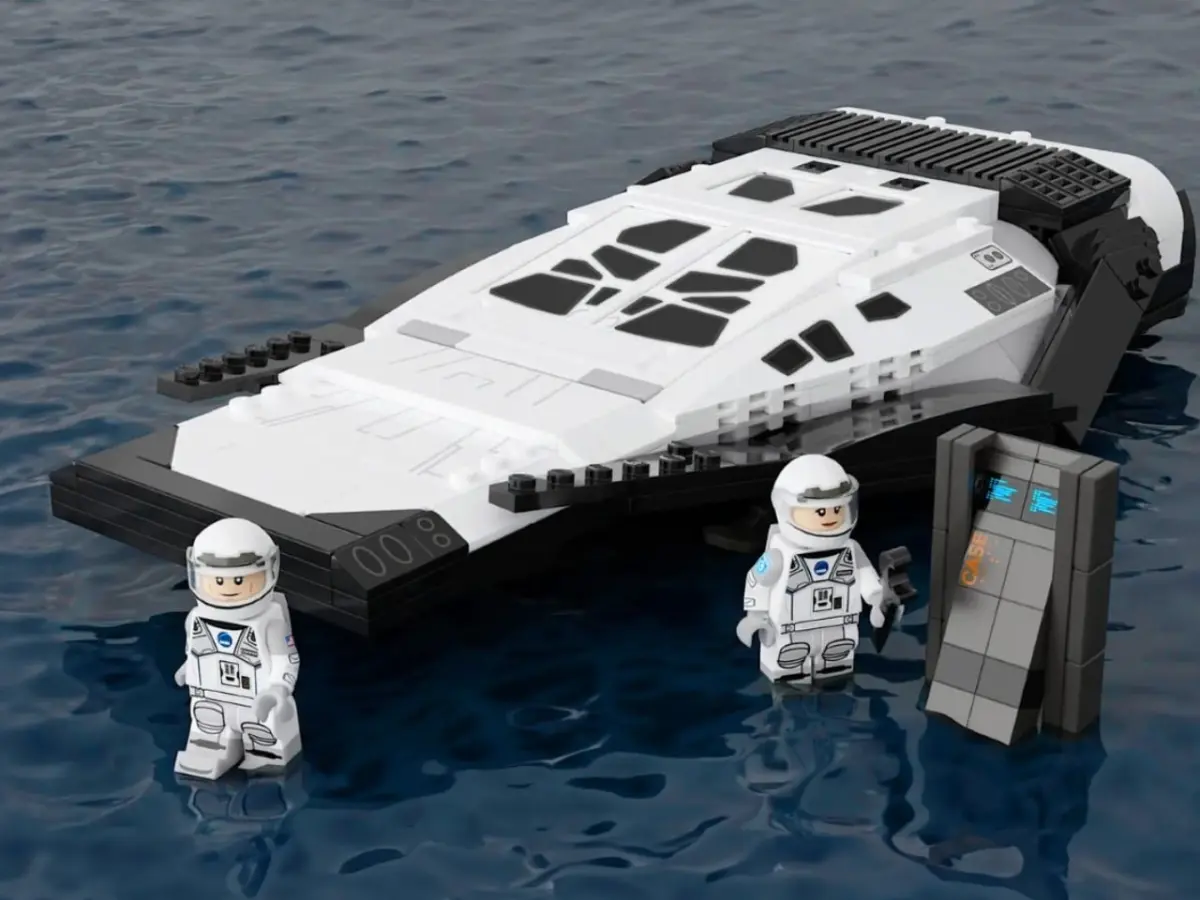
More than a decade after capturing the imagination of science fiction enthusiasts worldwide, Christopher Nolan’s cinematic masterpiece Interstellar is making its mark on the world of building toys. Among the most iconic and recognizable symbols of the 21st-century sci-fi epic is the utilitarian Ranger spacecraft, a vehicle that has long lived vividly in the minds of fans through official art, custom merchandise, and imaginative home-built replicas. Now, that creative passion has crossed the threshold from fan-made tribute to official reality, as a detailed proposal by builder Minibrick41587 has officially been approved by LEGO for development following overwhelming community support.
The announcement came down on November 9, 2026, marking a significant milestone for LEGO Ideas submission platforms and cinematic merchandise alike. The approved proposal brilliantly captures the essence of the film’s iconic spacecraft, prioritizing its distinctive silhouette and restrained, industrial detailing while cleverly maintaining the interactive play features expected from a modern consumer toy. While these glowing design descriptions currently apply to the original fan submission rather than the finalized retail product awaiting store shelves, the greenlight signals that the spacecraft is officially entering the rigorous commercial development pipeline.
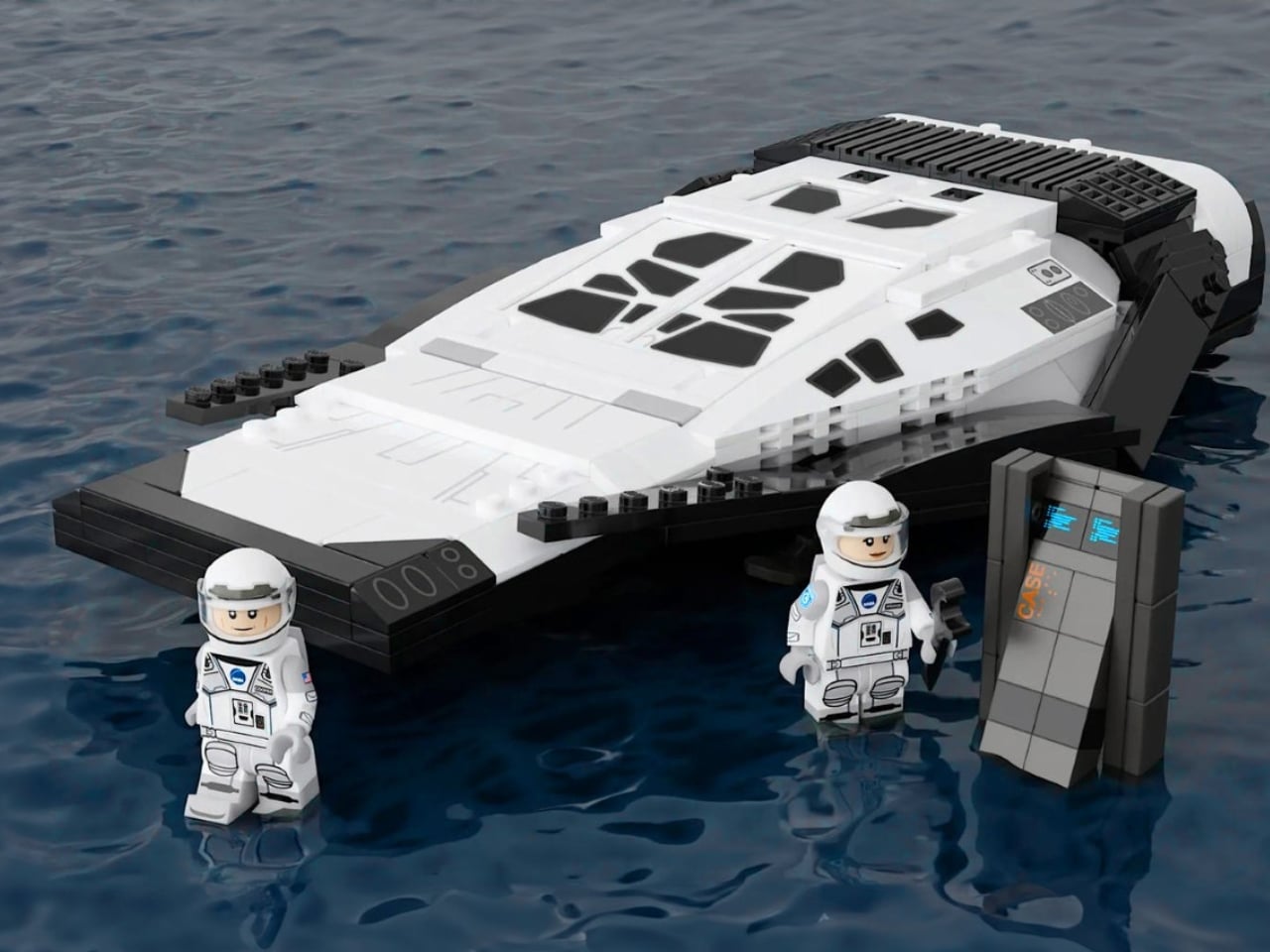
At the heart of the fan-submitted concept is a tightly focused 561-piece build that brings together the primary spacecraft alongside a carefully chosen ensemble of characters. The concept features minifigures of Cooper and Dr. Brand, accompanied by brick-built interpretations of the unforgettable autonomous tactical robots, TARS and CASE. This deliberate selection serves a dual purpose: it grounds the vessel with a tangible sense of scale and gives the sleek spacecraft a distinct narrative context beyond simply sitting as a static display piece on a collector’s shelf. Furthermore, the inclusion of the characters provides a practical visual gauge for the proportions of the build, highlighting just how much functional cabin space the designer managed to incorporate beneath the low-profile roof structure.
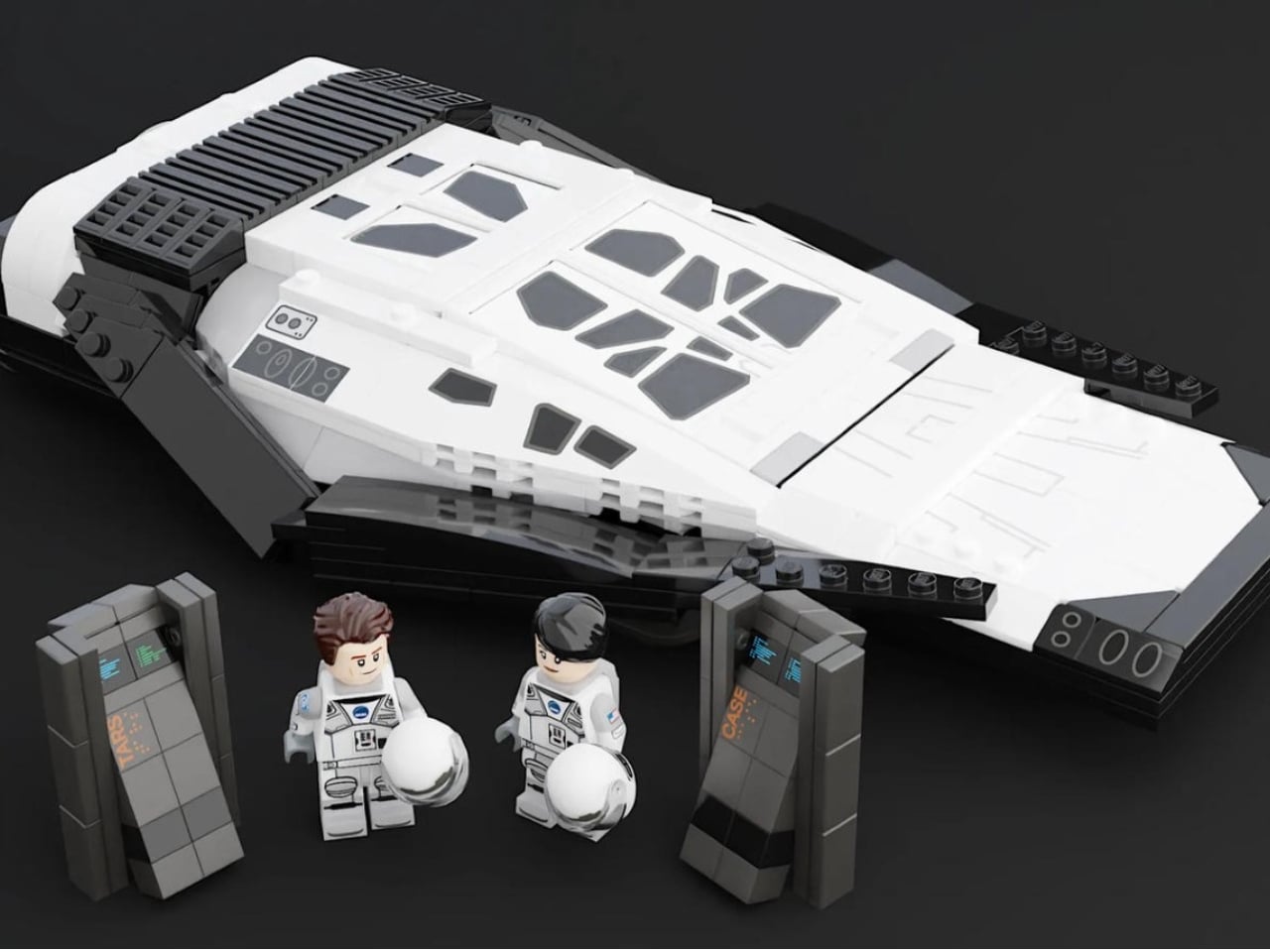
A major portion of the exterior’s unique visual identity stems from the sharp contrast between its clean white upper panels and the darker lower body structure. Sloped geometric sections come together to form the vehicle’s signature wedge-shaped hull, while dark window elements cleverly interrupt the roof and side profiles to imply a heavily engineered, functional aesthetic. In the concept images shared during the review phase, the use of relatively smooth surfaces maintains a clean, highly readable silhouette without completely obscuring the underlying brick construction. This balance suits the cinematic subject matter exceptionally well, ensuring the Ranger maintains its appearance as a heavily used, hard-working exploration vehicle whose aesthetic appeal derives entirely from its practical, aerodynamic form rather than superficial color decoration or excessive ornamentation.
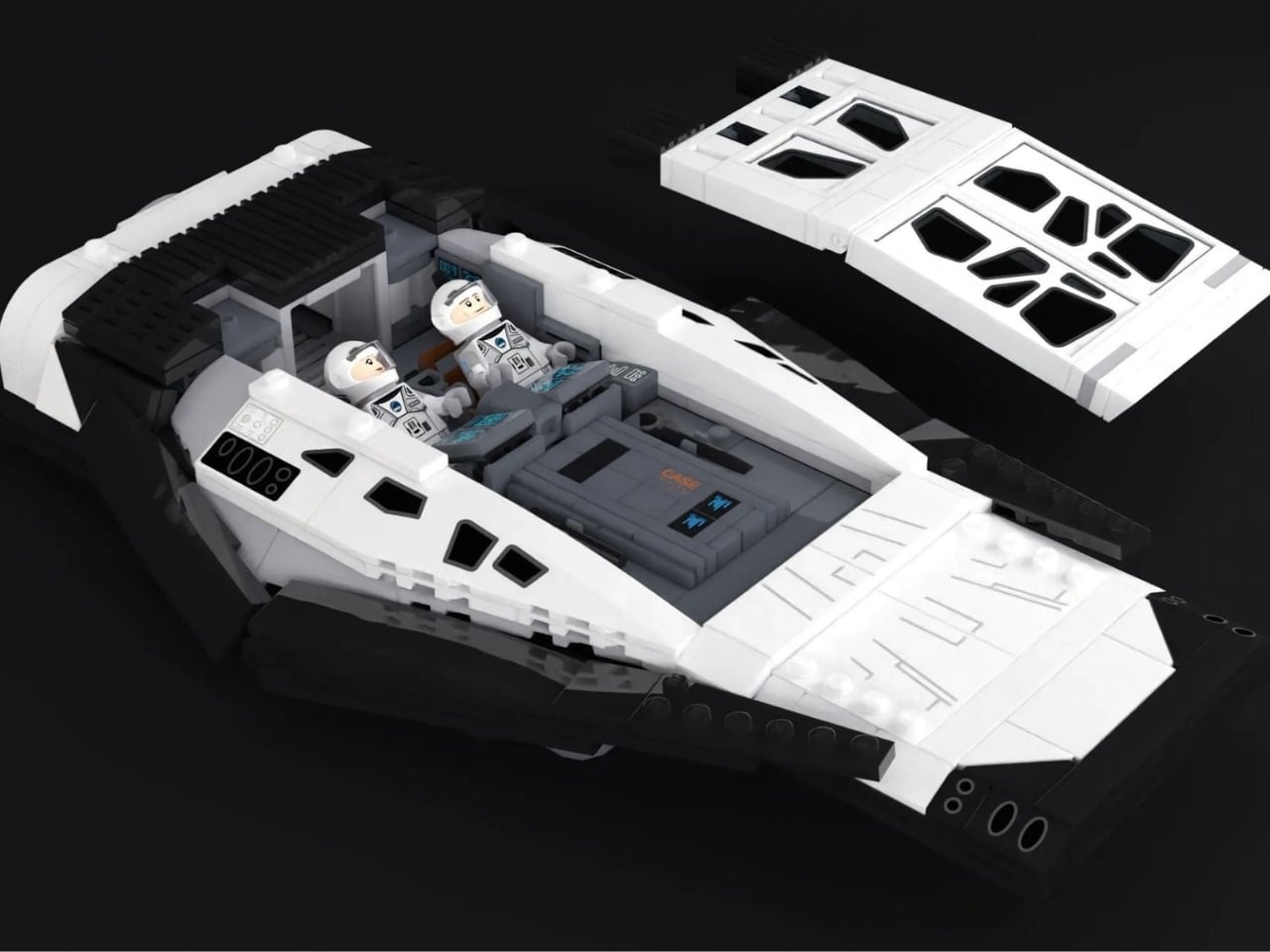
One of the most intricate and technically impressive aspects of the design is how it handles interior access without sacrificing the exterior profile. While a fully sealed hull successfully preserves the spacecraft’s aerodynamic sleekness, lifting away the modular roof reveals a surprisingly accommodating interior cabin featuring seating and control consoles. The proposed layout comfortably houses both human astronauts alongside one of the robotic companions, ingeniously solving a classic engineering hurdle inherent to enclosed vehicle models: allowing builders to position minifigures inside without having to dismantle the surrounding structural framework. Preview images showcase the astronauts reclining side by side, with a robotic companion lying flat in the remaining floor space of the cabin.
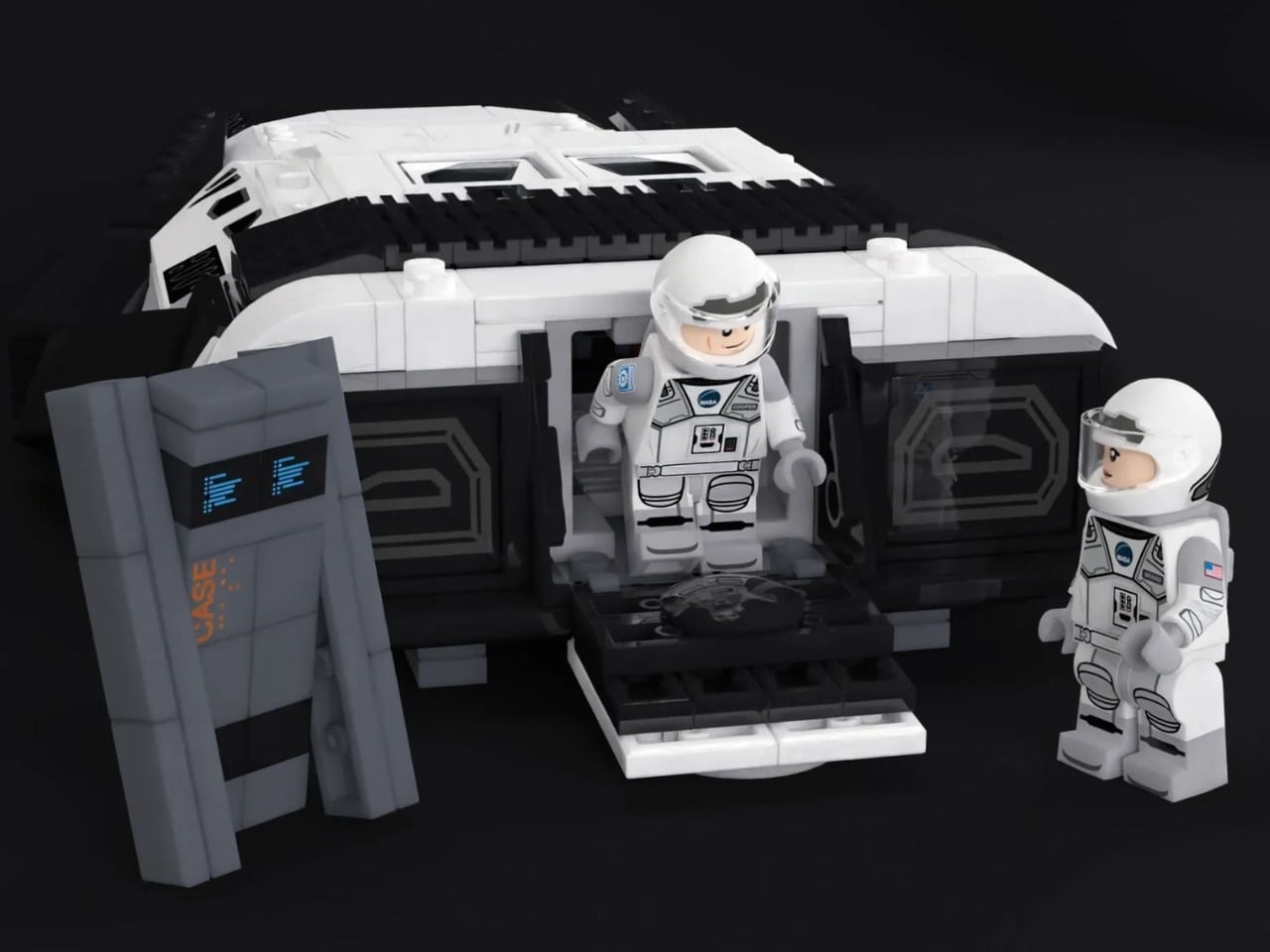
Adding to the playability and realism of the model is an operational, opening rear hatch that provides the crew with an alternative point of ingress and egress. The submission concept demonstrates the hatch lowering outward, allowing a minifigure to stand naturally within the doorway. Though compact, this feature underscores the vehicle’s primary narrative role as a planetary landing craft. While removing the roof offers overhead access, the articulating hatch creates a genuine ground-level entrance that characters can utilize during imagined surface expeditions, bridging the gap between a display model and a functional playset.
The faithful brick-built representations of TARS and CASE also warrant considerable appreciation for how they translate on-screen lore into the physical medium. Their gray, rectilinear quadrilateral bodies translate effortlessly into the rigid geometry of the LEGO construction system, creating a stark visual contrast with the aggressive angles and sloping curves required for the Ranger hull. Small, thoughtfully applied colored display details help distinguish their otherwise austere forms. Standing alongside the human astronauts, they create a distinctly memorable lineup—two familiar space-suited figures accompanied by two upright, articulate slabs. The proposal wisely retains this unusual, un-humanoid robotic design rather than forcing the characters into conventional minifigure molds, staying true to the film’s gritty, utilitarian aesthetic.
It is important for collectors and enthusiasts to distinguish between community enthusiasm and corporate commercial approval. Under the standard framework of the LEGO Ideas program, accumulating 10,000 public supporters merely makes a fan submission eligible for formal review by a panel of designers and executives; it does not automatically guarantee a commercial release. By clearing this hurdle, the Ranger has overcome its most significant barrier to entry. However, because the approved submission is now transitioning into the hands of official company designers, its final piece count, intricate detailing, structural integrity, and exact character lineup remain subject to change during the retail development phase.
Official pricing guidelines, exact physical dimensions, and a definitive global release date have not yet been established or announced by the manufacturer, meaning eager fans still have time to await further updates without missing a purchasing window. What makes this particular approved proposal uniquely compelling to follow is the sheer ingenuity required to accommodate a fully accessible interior cabin without compromising the Ranger’s famously low, angular profile. When the company ultimately pulls back the curtain to reveal its final production version, the most fascinating aspect for builders and cinephiles alike will be observing how professional designers tackle that exact structural challenge—balancing cinematic authenticity with the practical demands of interior crew placement and brick-based durability.