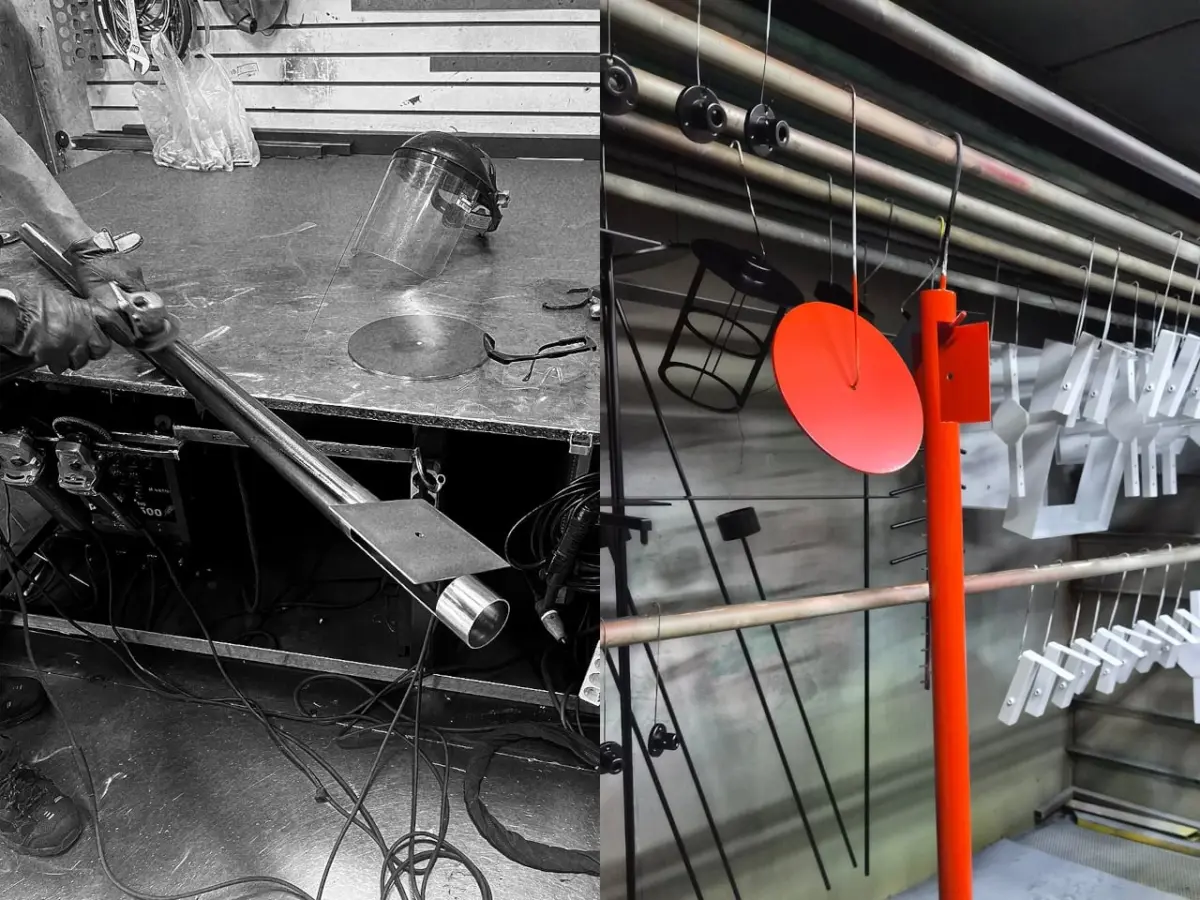
When looking at a standard metal pipe, one rarely envisions a timepiece. A cylindrical tube inherently limits surface area, offering little room for a conventional clock face unless one is prepared to slice, alter, and open up the material entirely. This exact industrial challenge serves as the foundation for the Peel Clock, a striking standing-clock concept designed by Jaewon Yeo that reimagines how timekeeping instruments interact with interior spaces. Instead of hanging passively on a wall or claiming precious real estate on a desk, nightstand, or bookshelf, this innovative design introduces a slender, vibrant streak of structural color that rises directly from the floor.
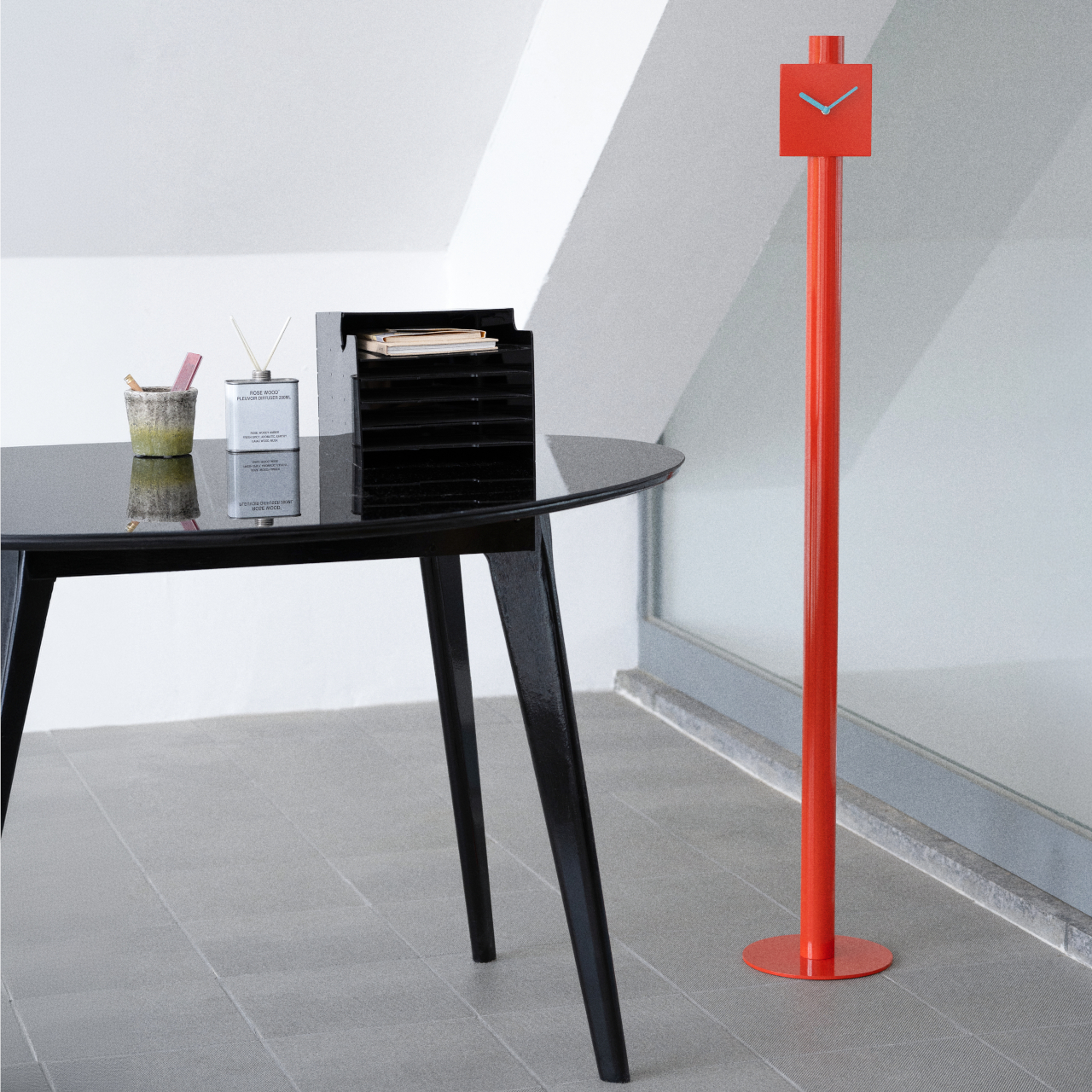
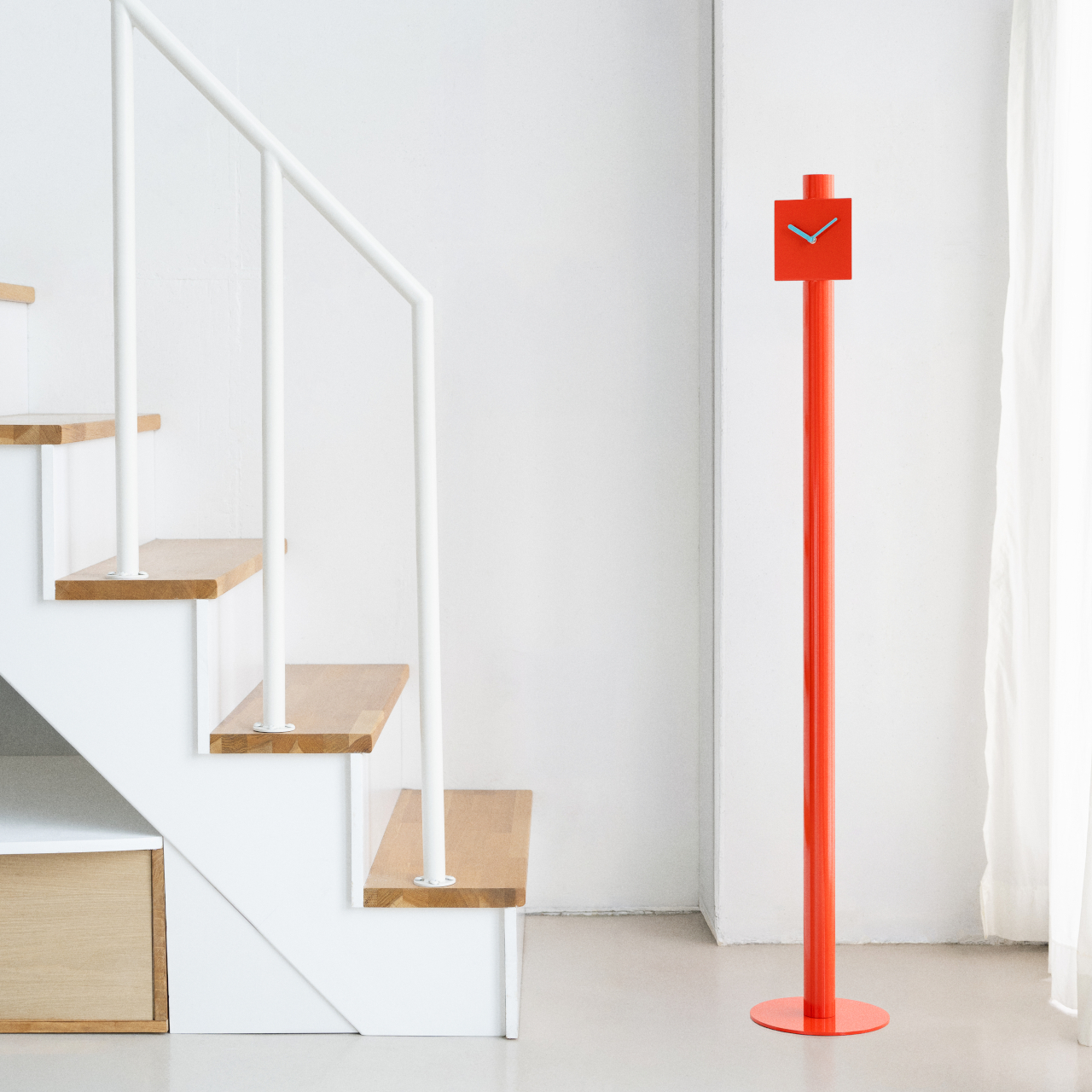
The construction of the Peel Clock begins near the top of a slender metal tube. In a clever manipulation of form, a specific section of the pipe is precisely cut, pulled outward, and flattened to create a distinct square dial. The remaining curve of the original tube stays directly behind the newly formed face, maintaining a seamless visual continuity that makes the connection between the two geometric shapes immediately understandable to the viewer. Rather than featuring a bulky, separate clock head perched awkwardly atop a vertical pole, the design relies on the transformation of the body itself. The entire assembly is anchored by a sturdy circular foot at the bottom, while the necessary timekeeping mechanism is neatly integrated into the upper structure to bring the concept to life.
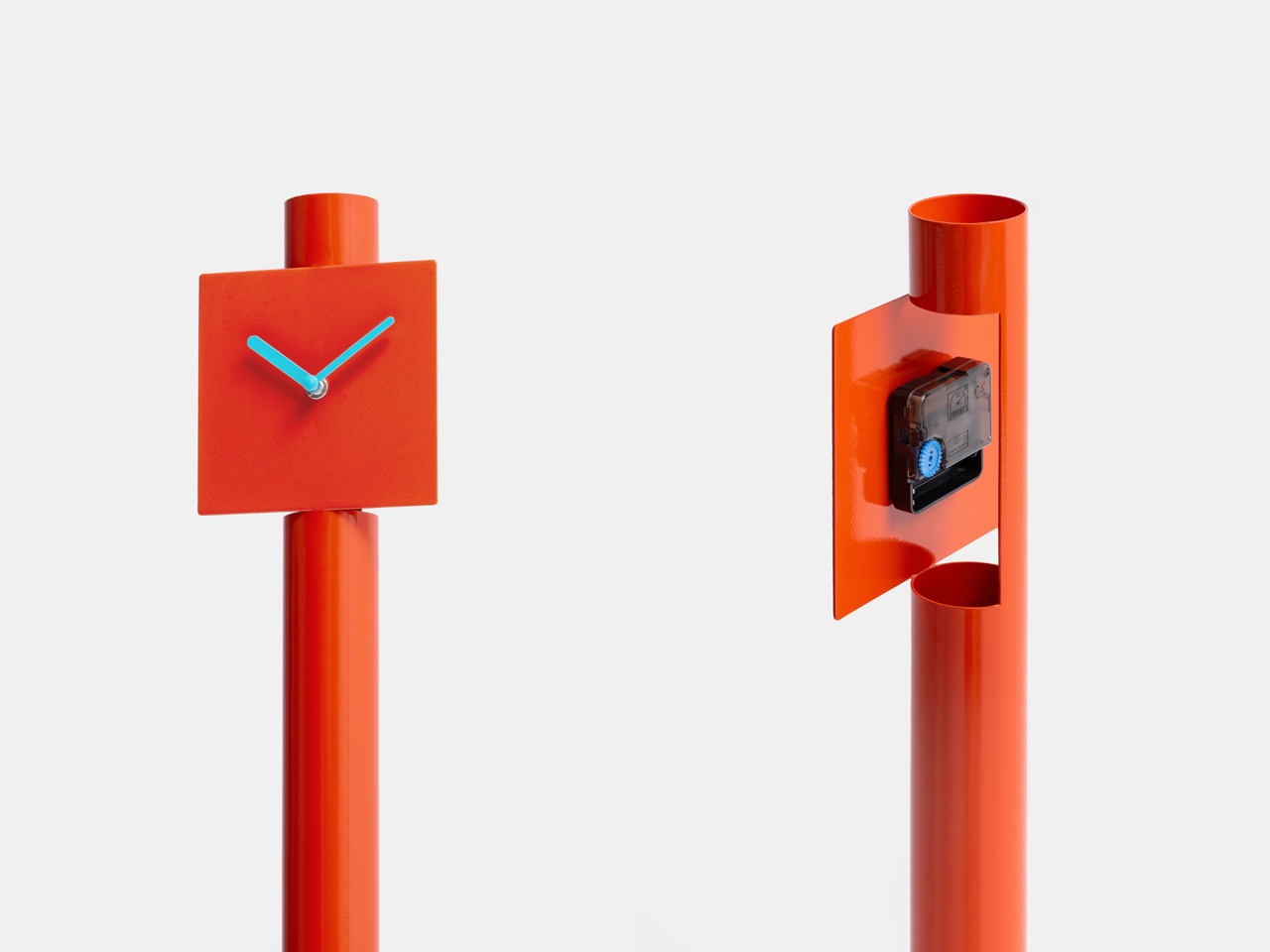
This radical transformation gives the clock its unique character and striking silhouette without requiring heavy ornamentation, excessive detailing, or complicated manufacturing processes. The long, narrow vertical stem flows upward into the prominent square face, capped by a short, open segment of the original tube projecting just above it. Telling time is handled cleanly by two contrasting hands sweeping across the dial, while conventional numbers and hour markers are completely omitted. This minimalist approach yields a remarkably sparse visual arrangement. While interior designers and minimalists will likely appreciate the uncluttered aesthetic, individuals who rely on precise, second-by-second or minute-by-minute markings might find the layout a little too bare for practical, everyday time-checking in high-traffic zones.
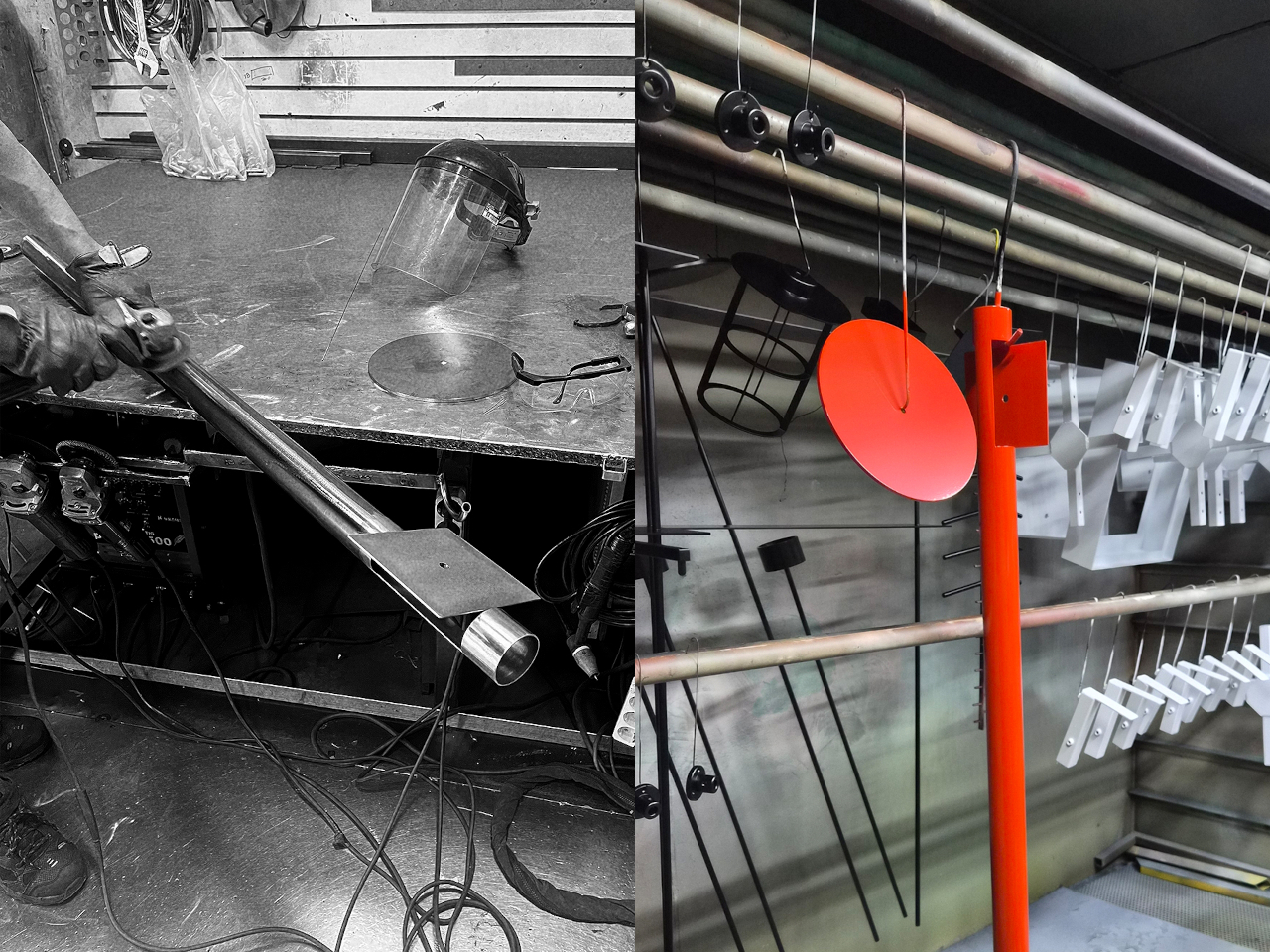
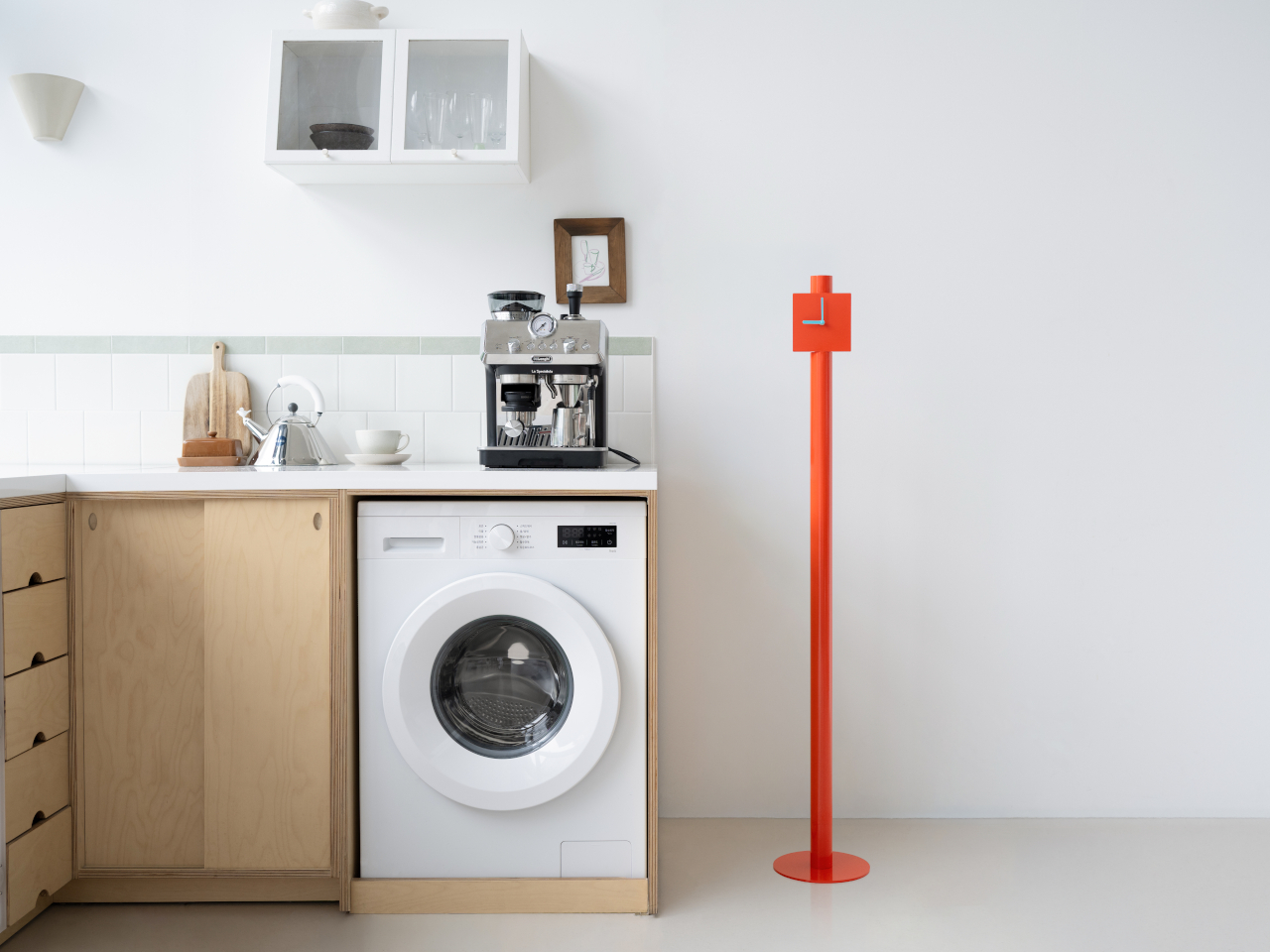
Color plays a vital role in preventing this extreme design restraint from becoming anonymous or fading too far into the background of a modern room. For instance, the vivid orange version pairs its brightly finished metal body with contrasting pale blue hands, introducing a sharp, intentional point of visual contrast right where the human eye naturally needs to land to read the time. Alternative colorways, including deep blues and rich burgundies, explore the exact same silhouette without altering the fundamental construction of the object. Positioned against a quiet, neutral interior, a tall, vibrant line of color like the orange edition can easily provide the artistic accent that homeowners might otherwise source from a designer floor lamp, a contemporary sculpture, or a bold piece of modern art.
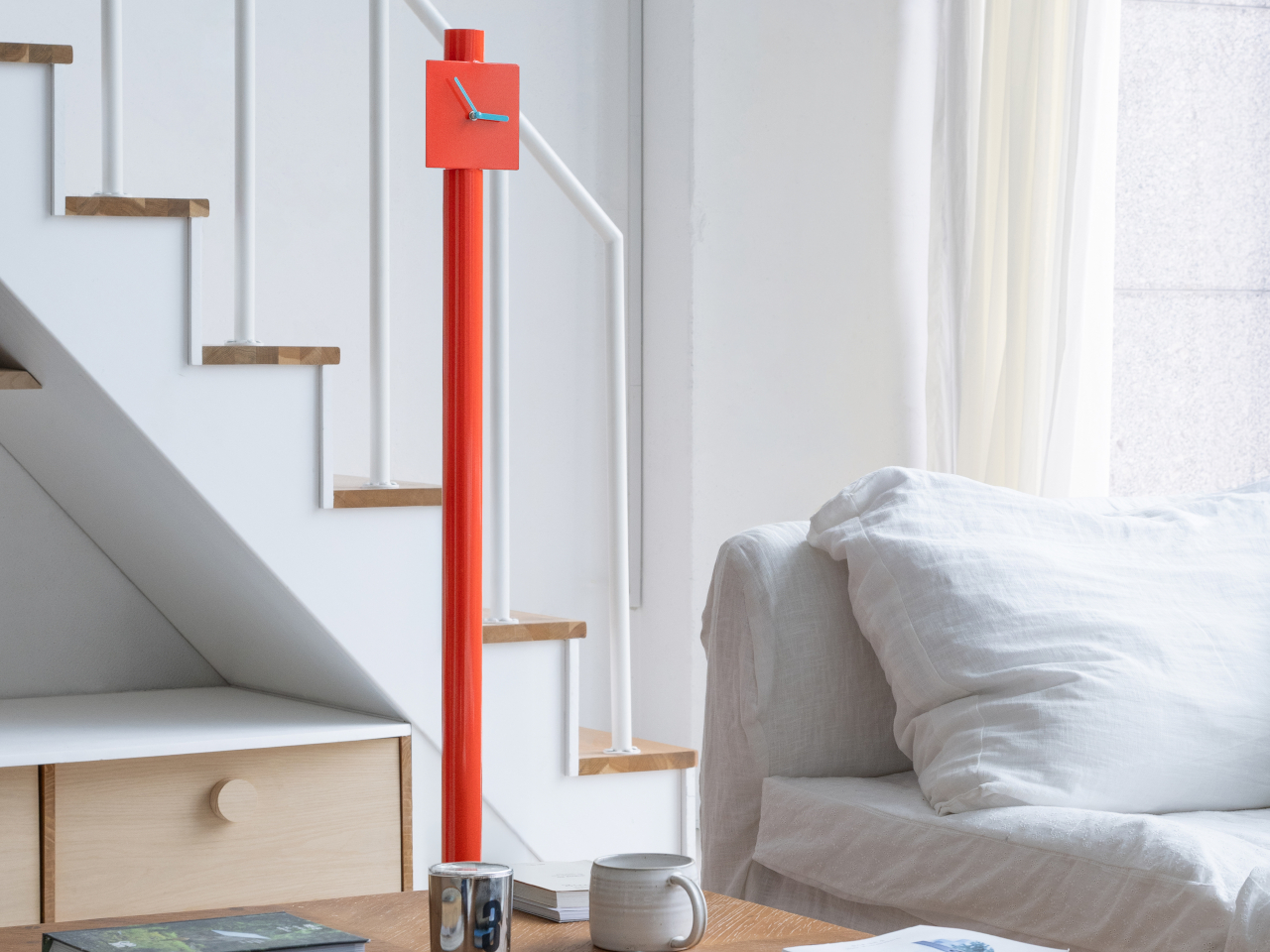
The freestanding format also fundamentally changes where a timepiece might naturally belong within a modern living space or working environment. Placed casually beside a sofa in a living room, the Peel Clock can stand tall while leaving the coffee table completely free of clutter, preserving surface space for books, magazines, coffee mugs, and decorative trays. Positioned near a kitchen counter, it avoids competing with demanding household appliances for precious horizontal space, nor does it require the homeowner to drill intrusive holes into a carefully tiled or paneled backsplash. Of course, the spatial efficiency gained vertically does require a small compromise on the floor; the circular base still demands a dedicated patch of ground to maintain its stable, upright posture.
Viewing the clock from the rear reveals how the deceptively simple geometry gives way to functional engineering. A compact clock movement is mounted directly behind the square face, left intentionally exposed rather than being hidden away inside an oversized, bulky enclosure. This architectural choice successfully preserves the remarkably thin, streamlined profile of the dial. At the same time, it gives the object a distinct front and back, a structural characteristic that homeowners must carefully consider before deciding whether to place the clock floating freely out in the open room or closer against a supportive nearby wall.
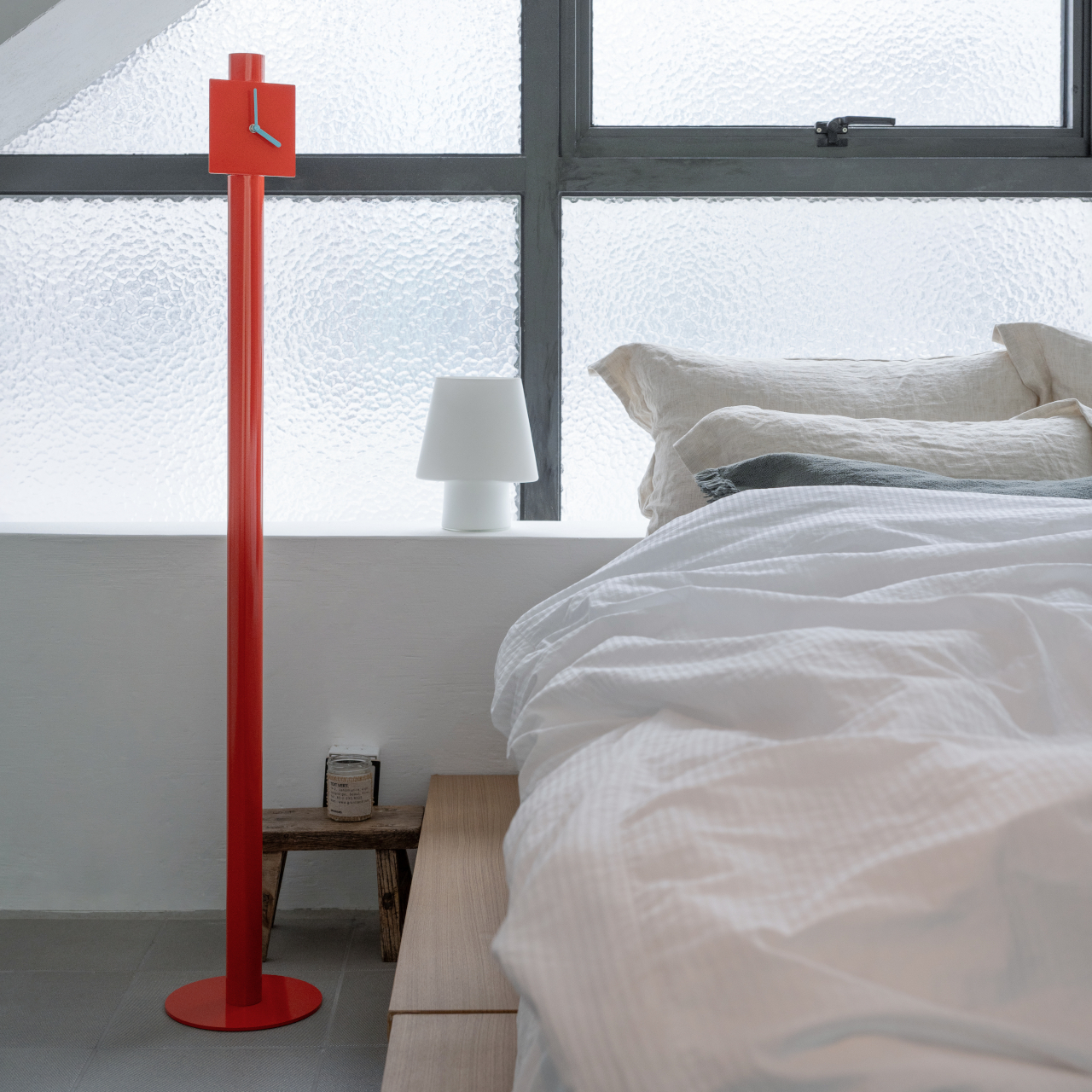
While a traditional wall clock can certainly be moved, relocating it usually involves finding a new stud, patching old holes, and driving another hook or nail into the drywall. Relocating the Peel Clock, by contrast, requires no hardware or wall modifications whatsoever. Its position within a room can change fluidly as furniture arrangements evolve over time, provided there is a suitable patch of open floor and a clear, unobstructed view of the moving hands. Nevertheless, in a domestic environment already crowded with personal belongings and architectural elements, dedicating a specific floor spot entirely to telling the time remains a deliberate, conscious choice for any interior layout.
As a design concept, the Peel Clock demonstrates how thoughtful material manipulation can breathe new life into everyday industrial forms. By taking a simple metal tube and transforming a portion of its structure into a functional, flat dial, Jaewon Yeo has bridged the gap between utilitarian hardware and expressive home decor. Whether it ultimately transitions from a digital concept into physical production, the project offers a fresh perspective on how we mark the passage of time within our living spaces, proving that even the most rigid materials can bend creatively to the demands of modern design.