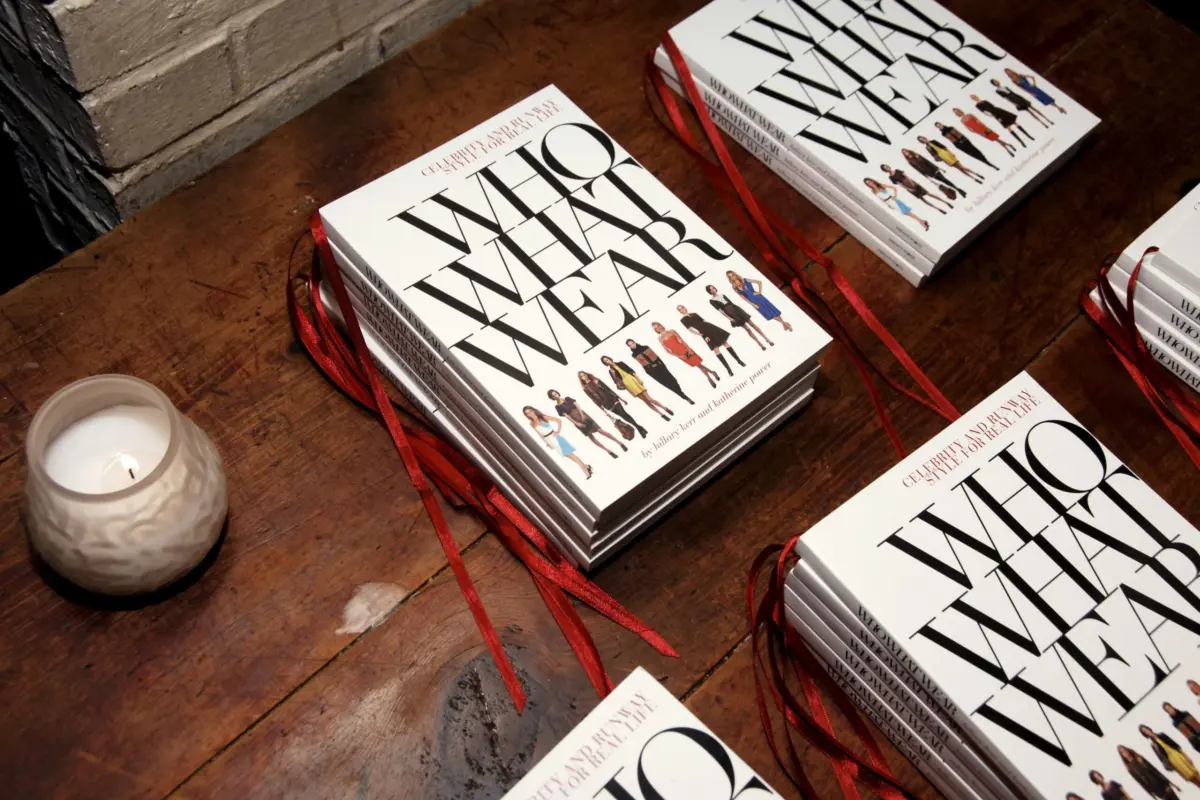
In the volatile landscape of digital media, where early 2000s publishers have routinely struggled to survive—let alone scale—Who What Wear stands out as a resilient exception. While countless competitors from the dot-com and early social media eras have folded, consolidated, or drastically reduced their footprints, the prominent digital fashion publisher continues to defy industry headwinds, charting a course for sustained commercial and strategic expansion.
According to financial figures released by its parent company, revenue at the U.S. outpost of Who What Wear rose by double digits in fiscal 2026. This impressive financial performance underscores the brand’s enduring relevance in an increasingly crowded and automated digital ecosystem, proving that traditional fashion authority, when paired with modern technological agility, can yield remarkable commercial results.
The driving force behind this recent surge in revenue is multifaceted, but a significant catalyst has emerged in the form of a pioneering business line. According to Hillary Kerr, cofounder and senior vice president of Who What Wear, the publisher has successfully pivoted toward helping brands ensure they surface more readily in answer engines. As traditional search engine optimization evolves into complex AI-driven discovery, this specialized focus has quickly become a core pillar of the company’s growth strategy.
The shift reflects a broader, industry-wide transformation in how consumers discover content, products, and brand recommendations. Rather than relying solely on traditional web searches, modern audiences increasingly turn to AI-powered answer engines that synthesize information and provide direct responses. By mastering this new digital frontier, Who What Wear has positioned itself not just as a consumer-facing fashion destination, but as a crucial strategic partner for brands looking to maintain visibility in an automated landscape.
This technological adaptation has not gone unnoticed by the publication’s leadership. Elizabeth Bagdasarian, senior vice president and head of U.S. operations, emphasized the monumental scale of this strategic advantage, noting that the publisher’s ability to navigate and succeed within the artificial intelligence landscape has fundamentally reshaped its business outlook. "The bigger story is that our ability to win in AI is so big," Bagdasarian said, pointing to the profound impact that emerging search and discovery technologies are having on modern media economics.
The acquisition of Who What Wear by U.K. media firm Future provided the foundational infrastructure and global backing necessary to accelerate these technological initiatives. Under Future’s ownership, the U.S. outpost has been able to experiment with innovative revenue streams, leveraging its deep industry authority to capture emerging market opportunities that traditional publishers often miss.
As the digital media sector continues to grapple with shifting algorithms, changing consumer habits, and the rapid rise of generative artificial intelligence, Who What Wear’s recent financial trajectory offers a compelling case study. By blending its legacy expertise in fashion curation with forward-thinking strategies tailored to answer engines, the publisher has secured a competitive edge that is translating directly into robust, double-digit financial growth.