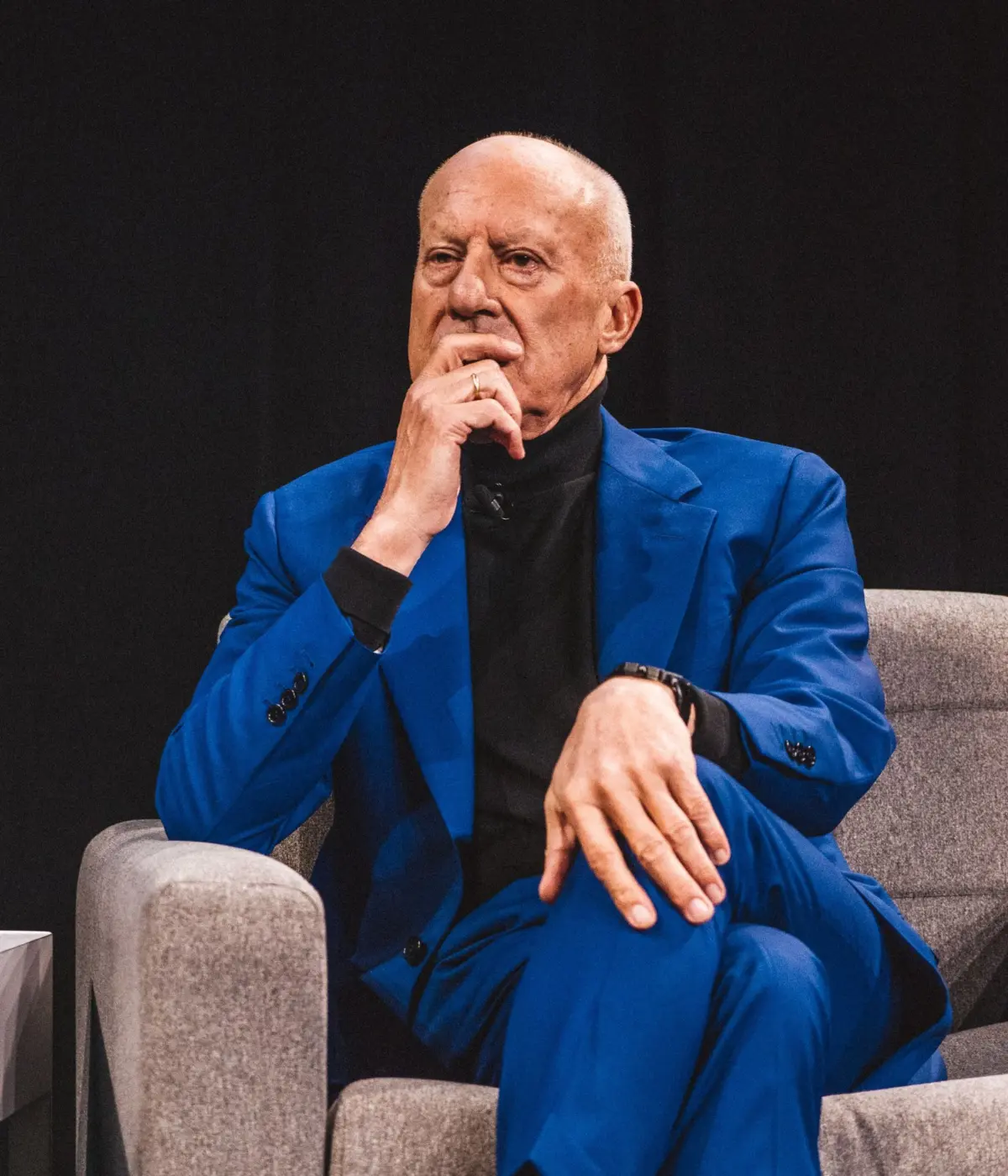
Ask renowned architect Norman Foster what, if anything, he would like to change about Apple’s recently constructed headquarters in Cupertino, California, and he will need a moment to consider. The celebrated architect, whose firm spent eight painstaking years perfecting the master plans for Apple’s sprawling, glassy campus, is overwhelmingly pleased with the final results. Yet, reflecting on the monumental project, he acknowledges one specific point of retrospective hesitation that ties directly into the rapidly shifting landscape of modern urban planning and transportation.
Speaking at the WIRED Business Conference, Foster pointed to the massive infrastructure dedicated to personal automobiles. Apple’s futuristic headquarters features a sprawling underground parking garage meticulously engineered to hold a staggering 11,000 vehicles. In the context of contemporary corporate design, that capacity serves as an essential, high-utility amenity for a massive workforce. However, looking ahead, Foster recognizes that the paradigm of personal vehicle ownership and commuting habits is poised for radical disruption. In the not-so-distant future, traditional cars and the vast subterranean expanses required to store them may diminish significantly in importance.
"Maybe the conventional garage needs to be rethought and rethought now," Foster told the conference audience, offering a rare glimpse into the behind-the-scenes deliberations of mega-architecture. "Maybe if I had a second time around I’d be putting a lot of persuasive pressure to say, ‘Make the floor-to-floor of a car park that much bigger, so if you’re not going to be filling it with cars in the future you could more easily retrofit it for more habitable space.’"
This forward-thinking perspective underscores a central philosophy for Foster: the future of workplace design is entirely dependent on structural flexibility. While such an observation might seem counterintuitive to outside observers—particularly when weighed against the legacy of Steve Jobs and his legendary, unrelenting attention to detail—Foster views architectural rigidity as the true enemy of longevity.
Recalling the genesis of the project, Foster noted that when Jobs first approached him back in 2009 to discuss the creation of an entirely new corporate campus, the Apple co-founder possessed an extraordinarily precise vision. Jobs had a very clear mental picture of what the enterprise needed to be. He wanted the primary building to lie remarkably low to the ground, ensuring it would visually blend into the surrounding California landscape rather than imposing upon it like a typical corporate monolith.
The late Apple CEO dictated nearly every minute detail of the campus environment, ranging from the custom-designed door handles and specialized building materials to the ultra-tight tolerances required across every square foot of construction. Jobs was famously obsessed with glass, viewing transparency as a vital medium to encourage a seamless connection between indoor workspaces and the natural outdoors. His commitment to this ethos reached such extremes that he commissioned a massive, specialized door for the campus restaurant capable of opening completely in just 12 seconds, effectively erasing the physical barrier between employees and the external world.
Given such a rigid adherence to a singular, uncompromising vision, it would be easy to assume that flexibility would be stifled during the design and construction process. Yet, according to Foster, the exact opposite is true. The best, most enduring buildings actually require a strong, uncompromising point of view from their creators. They must be thoughtfully designed from their inception to gracefully adapt to the ways human behavior and broader society will inevitably evolve over the decades, a mandate that requires far more sophisticated planning than simply throwing together open-plan office layouts.
Ultimately, Foster argues, the most successful and enduring workplaces of the future will take into account the deep-rooted, fundamental desires of the people who spend their daily lives within those walls. Modern corporate architecture must prioritize smart paths of circulation designed to organically help people connect with one another, fostering collaboration rather than isolation. Instead of sequestering employees inside traditional, sterile glass boxes, progressive workplace design must actively encourage them to engage with nature and their immediate environment.
To remain truly competitive in attracting and retaining top-tier talent, contemporary architects and forward-thinking corporations must look far beyond standard metrics of productivity. From the very beginning of his career, Foster has consistently protested the narrow idea that an office headquarters—whether operating on a mega or micro scale—should exist solely for the purpose of work. In his view, a modern corporate campus is not merely a production facility, but a holistic environment dedicated entirely to lifestyle.