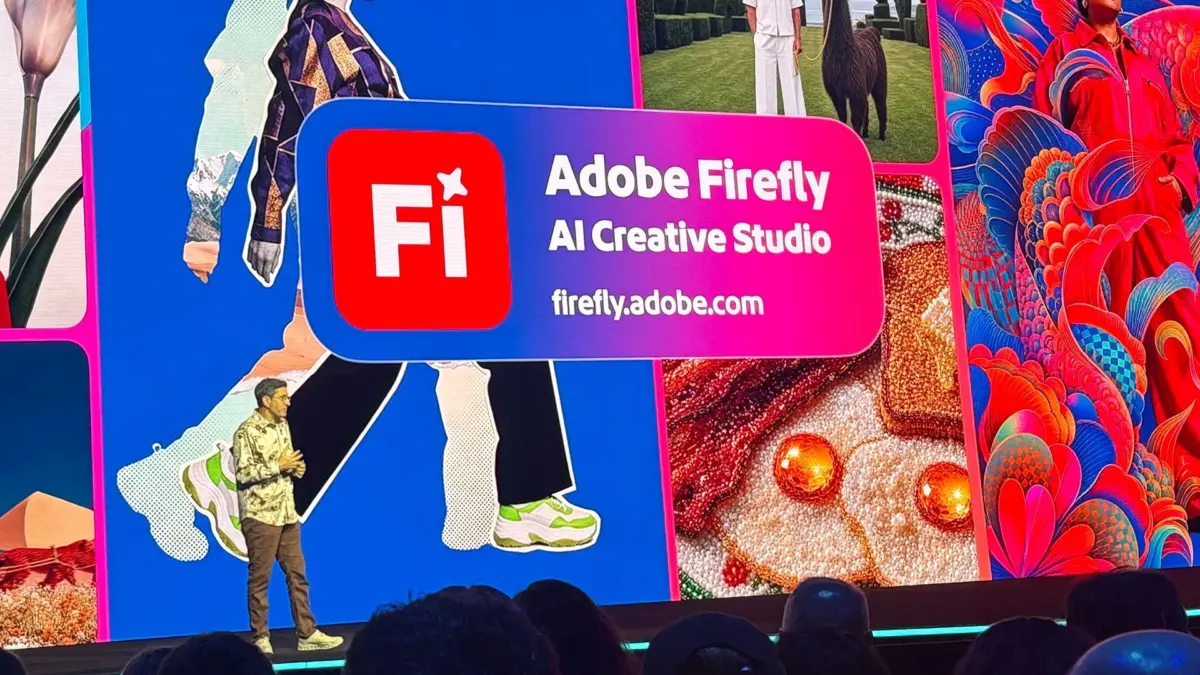
As the annual Adobe MAX conference kicked off with its central keynote address, attendees gathered under the glare of the stage lights in an atmosphere shaped as much by anticipation as by lingering apprehension. In recent years, the rapid advancement of generative artificial intelligence across the creative software landscape has sparked intense debate among artists, designers, and digital creators. The opening presentation of this year’s event promised to tackle those concerns head-on, delivering a comprehensive showcase of Adobe’s latest technological directions alongside direct executive commentary regarding the future of creative work.
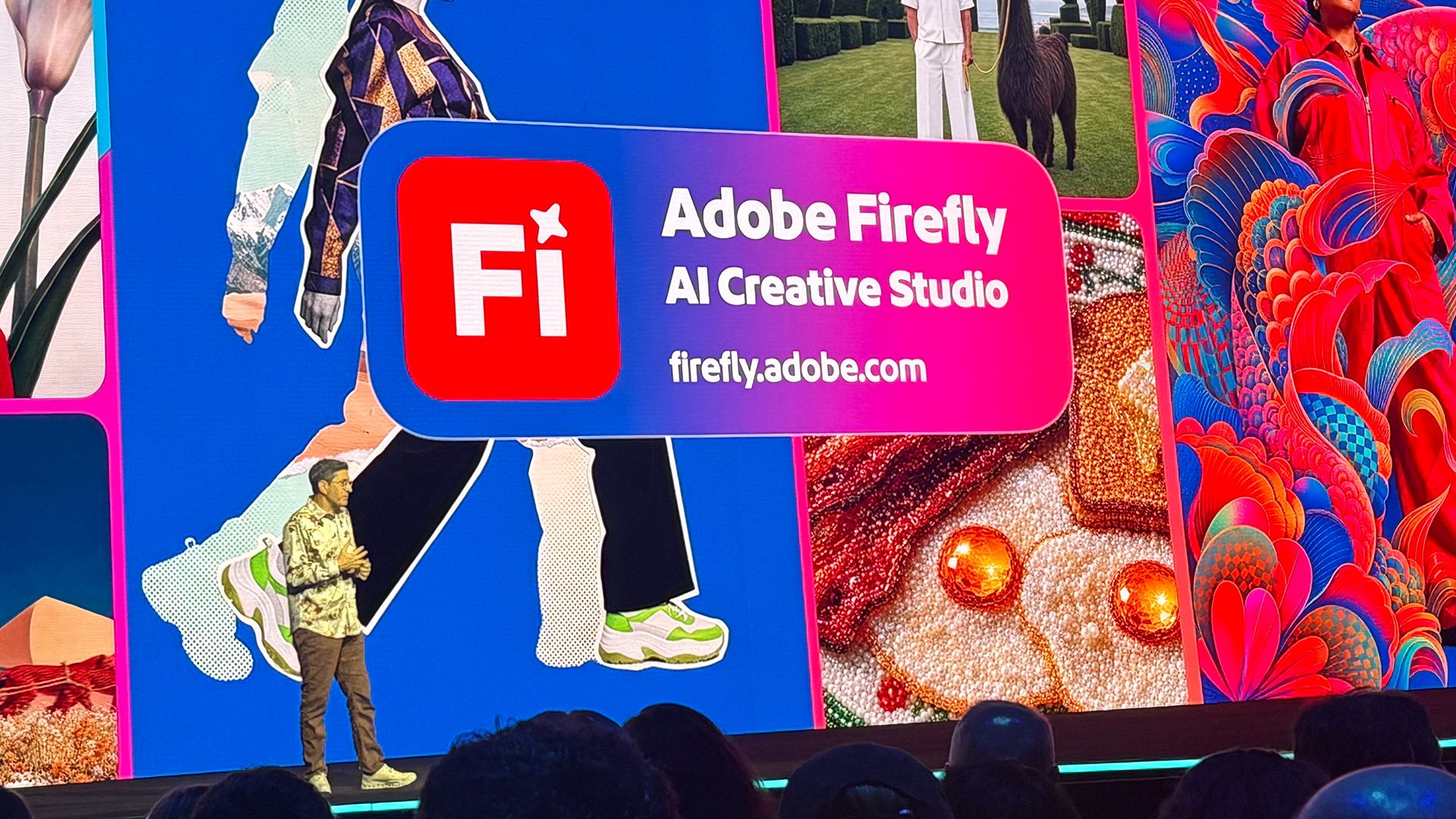
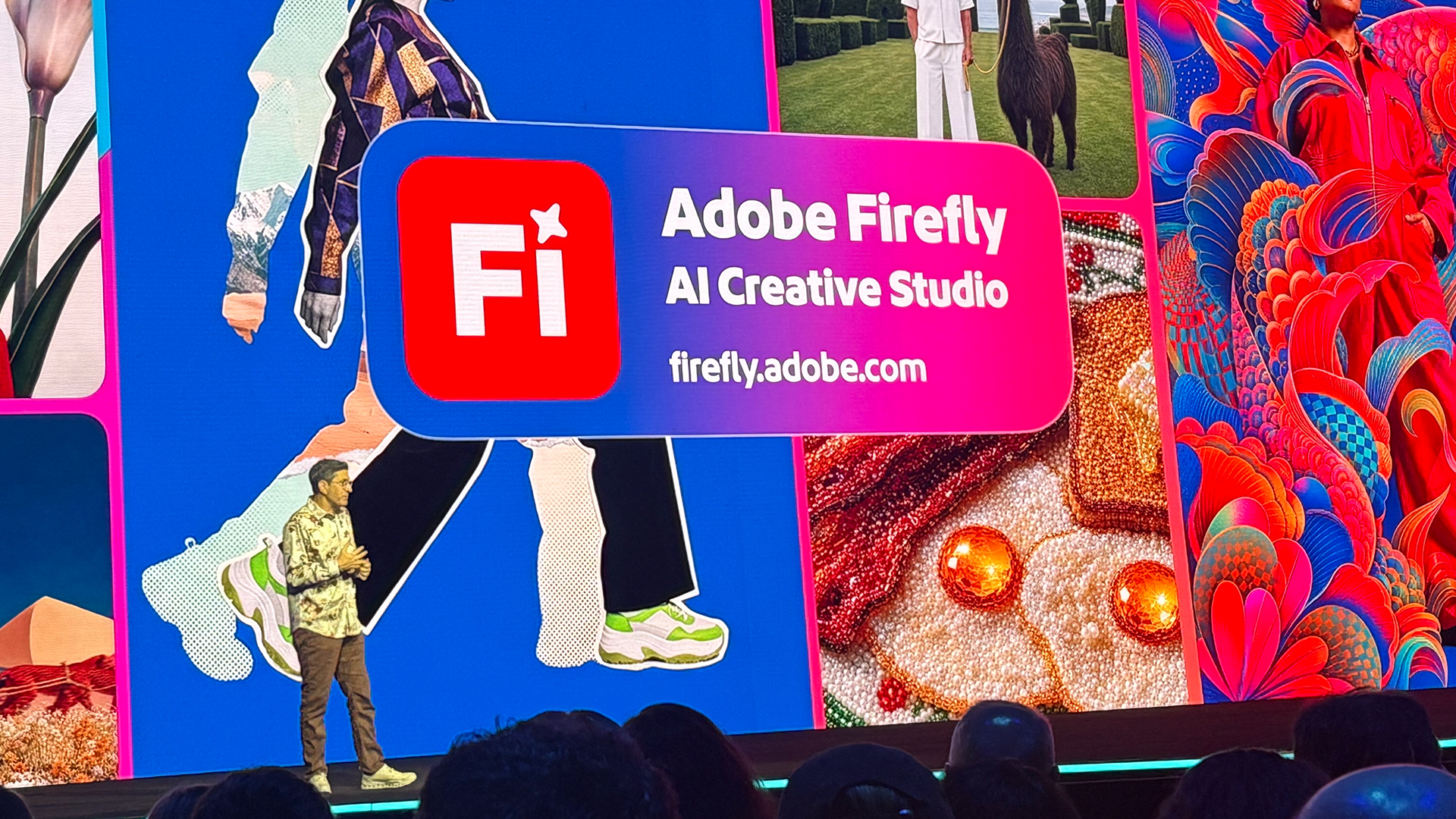
Initial expectations among many in attendance leaned toward caution. Given the sheer velocity of AI announcements across the tech industry, there was a palpable sense of potential fatigue among creatives who have watched generative technology shift from experimental novelties to central components of modern creative software. Adobe’s aggressive trajectory in expanding its Firefly platform—transforming it through a series of key partnerships into a comprehensive, full-fledged creative studio embedded across its software ecosystem—has placed artificial intelligence squarely at the core of the company’s long-term vision. For professionals whose livelihoods and artistic identities are built on traditional craftsmanship, this relentless pivot toward automation has often felt existential, raising fundamental questions about the role of human intuition and agency in digital media creation.
However, as the keynote unfolded, the framing presented by Adobe leadership struck a tone designed to soothe those systemic anxieties. Taking the stage during the presentation, future Adobe CEO Anil Chakravarthy sought to reassure the audience that the company’s technical evolution would not leave traditional artists behind. Emphasizing a philosophy of flexibility and user choice, Chakravarthy stated plainly that Adobe intends to meet creators wherever they are in their professional journey. The assertion highlighted a commitment to supporting both traditional creative workflows and emerging AI-assisted pipelines, attempting to bridge the gap between long-standing craft techniques and next-generation digital tools.
That message of reassurance was expanded upon significantly by Deepa Subramaniam, Vice President at Adobe, who used her time on stage to directly address the elephant in the room: the widespread uncertainty felt across the creative sector as artificial intelligence rapidly reshapes industry standards. Emerging before an audience containing a healthy contingent of skeptics, Subramaniam wasted no time in acknowledging the tension surrounding these technological shifts, noting candidly that things feel uncertain in the wake of AI’s rapid proliferation.
Rather than glossing over the friction between machine automation and human artistry, Subramaniam centered her address on themes of reliability, safety, and brand legacy. She highlighted Adobe’s long history as a platform built by and for individuals who care deeply about the discipline of design, emphasizing that the company’s core mission remains anchored in supporting genuine creative craft. In a environment where technology companies are frequently accused of treating art as merely a testbed for algorithmic compute, Subramaniam sought to draw a clear distinction regarding Adobe’s internal philosophy, asserting to the crowd that creativity is not treated as a side project within the company, but as a fundamental way of life.
This focus on safety and reliability strikes at the heart of the practical and ethical concerns currently facing professional designers. As generative tools become integrated into commercial workflows, questions regarding copyright safety, dataset sourcing, and output predictability have become paramount for enterprise clients and independent freelancers alike. By framing its Firefly suite around robust protections and commercial viability, Adobe is aiming to demonstrate that its generative models are engineered to serve as dependable professional equipment rather than unpredictable creative replacements.
Beyond addressing abstract philosophical concerns, the keynote presentation grounded its argument in the harsh realities of the contemporary media landscape. Subramaniam pointed to the escalating demands placed on modern creative workers, detailing how the expectations of the industry have expanded dramatically over recent years. Where a graphic designer might once have specialized exclusively in print layout or visual branding, today’s market increasingly demands a multi-hyphenate skill set. Creative professionals are regularly expected to operate simultaneously as web designers, motion graphics artists, video editors, and social media strategists to keep pace with the relentless appetite of digital platforms.
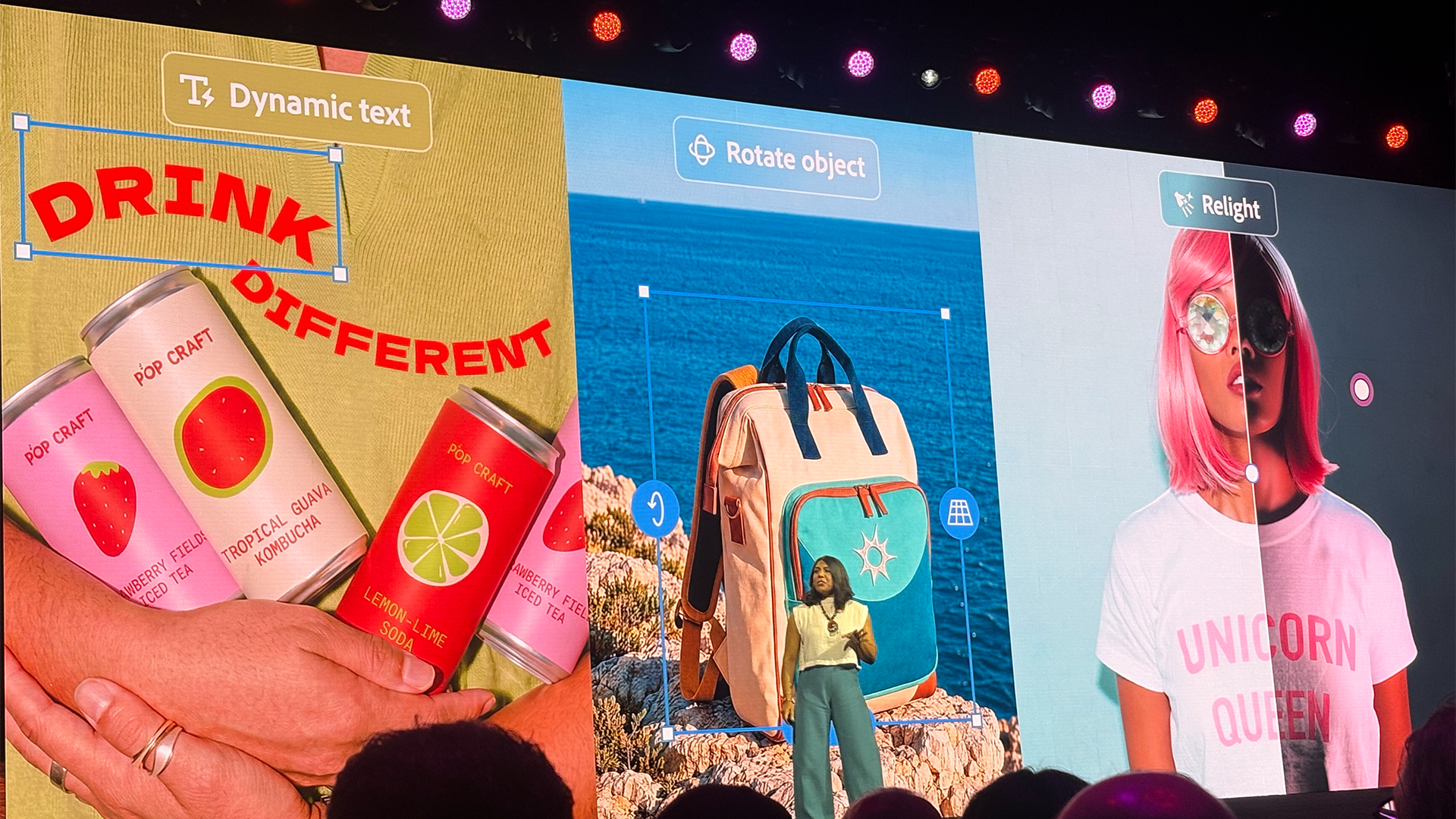
This shift has left countless creators trapped in an ongoing struggle against diminishing time, shrinking budgets, and rising production quotas. The sheer volume of content required by modern marketing campaigns and media channels often leaves little room for deep conceptual exploration or traditional craftsmanship. In this high-pressure environment, Adobe presented its AI features not as a substitute for human imagination, but as a practical mechanism to relieve operational burden and return valuable time to overburdened professionals.
According to Subramaniam, navigating this expanding landscape requires comprehensive structural support, which Adobe aims to provide through a rich learning ecosystem paired with intelligent assistance. By automating repetitive tasks, accelerating complex asset generation, and lowering the technical barriers between different design disciplines, time-saving AI capabilities are intended to offer much-needed respite to creators fighting the clock. The underlying promise is that by streamlining technical mechanics, designers can reclaim the bandwidth necessary to focus on high-level strategy, narrative framing, and conceptual vision.
Yet, as the keynote made clear, this technological compromise introduces its own set of complex questions. While automated tools offer a clear path toward meeting unsustainable content demands, they also present a moral and artistic dilemma for the creative community. The line between helpful workflow assistance and the dilution of authentic human craft remains a deeply personal boundary for every artist. As software becomes increasingly capable of generating polished visuals, complex layouts, and motion assets from simple prompts, the industry is forced to confront where efficiency should yield to personal expression, and where tool automation must stop to preserve the integrity of the creative process.
Throughout the morning presentation, Adobe worked to demonstrate that its expansion into AI-driven studios, strategic industry partnerships, and automated workflows is not designed to replace the artist, but to fortify the creative ecosystem against changing commercial realities. By pairing aggressive technological updates with explicit commitments to ethics, creator safety, and educational resources, the keynote sought to convert widespread industry skepticism into a stance of informed, cautious optimism.
By the conclusion of the opening session, the prevailing atmosphere inside the hall reflected a nuanced shift in perspective. While deep questions regarding the long-term impact of artificial intelligence on the creative economy remain unanswered, Adobe’s deliberate acknowledgment of creator anxiety, combined with explicit pledges to uphold the integrity of the craft, provided a grounding framework for the remainder of the conference. As Adobe MAX continues, the broader creative community will be watching closely to see how these executive assurances translate into practical software updates, ethical standards, and the day-to-day realities of design work in an increasingly automated world.