After drawing on two decades of firsthand experience in the motion design and animation industry, Nerdo Executive Creative Director Claus Cibils has officially brought his passionate and thought-provoking editorial series to a close. Spanning 24 insightful chapters, the series has served as an unflinching examination of the systemic flaws, operational pressures, and ethical dilemmas embedded within the modern creative pitching process. In the final installment, titled "The Creative Code Of Arms: Code 012 – It’s Alive!", Cibils tackles the difficult reality of translating industry-wide ideals into everyday professional practice.
For months, the series has sought to dissect the turbulent relationship between clients, agencies, and creators. The overarching goal of the initiative has been to spark a critical industry dialogue about transparency, respect, and fair compensation. Throughout the 24-part opus, Cibils has systematically highlighted the widespread normalization of exploitative pitching practices—such as undefined budgets, unreasonable turnarounds, ambiguous briefs, and the unpaid intellectual labor demanded of studios and freelancers alike.
In the final chapter, Cibils sets the stage by imagining a utopian scenario where the entire creative pitching ecosystem has been successfully overhauled. In this idealized landscape, every stakeholder—from corporate clients and intermediary agencies to independent creators and production studios—operates within a transparent workflow built on mutual respect and honesty.
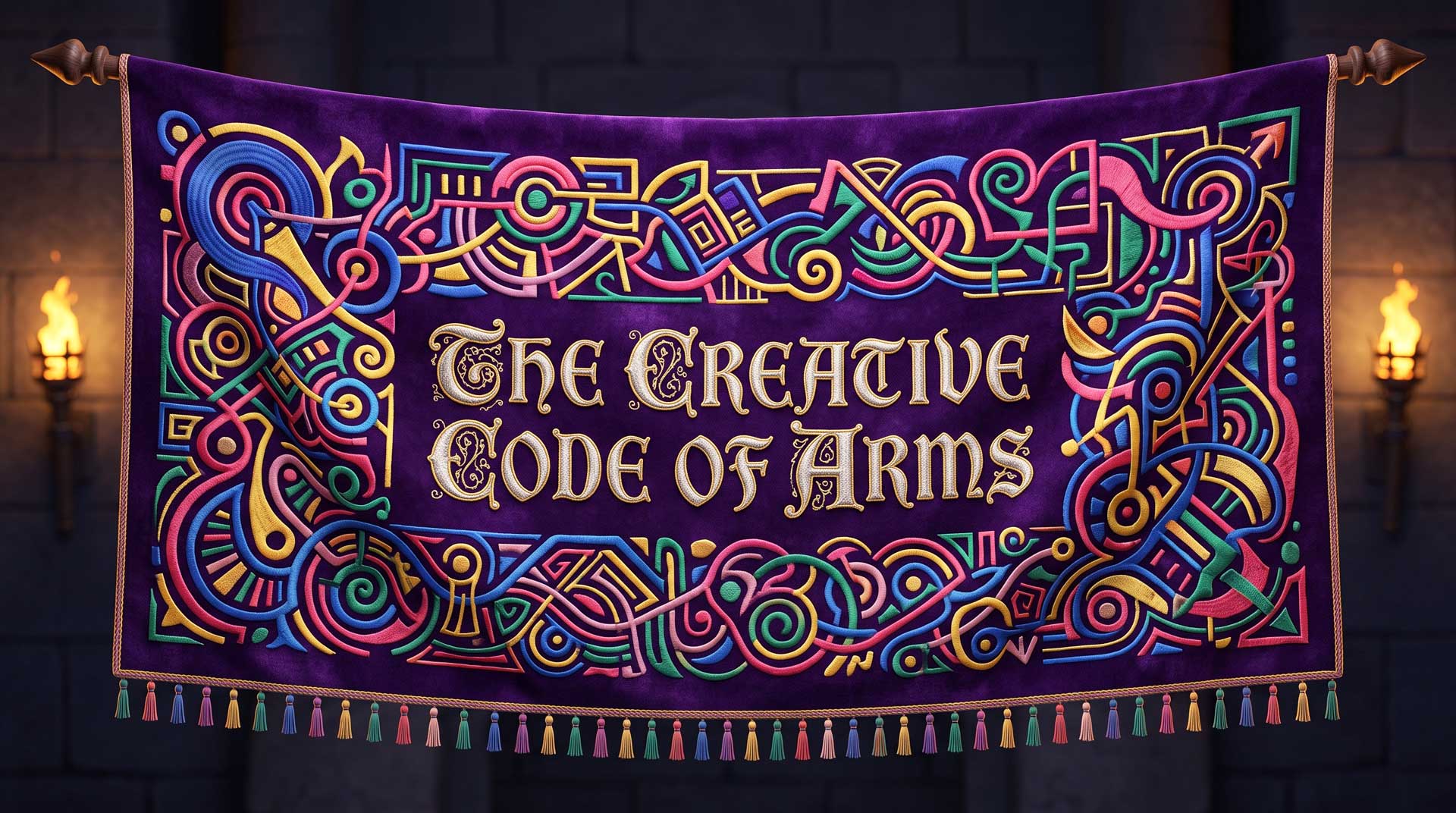
In this hypothetical world, creative briefs are meticulously detailed, project budgets are clearly outlined from the outset, and participants are given a reasonable ten-day window to prepare their pitches. Multiple creative touchpoints are treated as mandatory standards rather than burdensome exceptions, and Mutual Non-Disclosure Agreements become a universal cross-industry baseline. Furthermore, losing teams receive structured postmortems, every pitch is compensated fairly, and creators retain the ownership rights to their intellectual property even if they do not secure the project. Eleven guiding commandments, backed by thousands of signatures across the creative sector, hang framed on office walls as a testament to an industry transformed.
However, the reality of the Monday morning corporate cycle quickly shatters the illusion.
Cibils contrasts this utopian vision with a typical email invitation that immediately exposes the fragility of industry agreements. The message arrives with an urgent subject line requesting a signed MNDA for a project featuring no assigned budget. The timeline demands a short list by Thursday, a brief call by Friday, and a complete pitch deck ready by Tuesday morning. To compound the pressure, the recipients are asked to submit "a couple of creative thoughts" alongside their reels by the end of the day—merely to give the client something to react to—with the official brief to follow at a later date.

Despite the collective agreements and signed pacts designed to protect creative talent, the old habits instantly resurface. The frameworks established to protect the industry are easily ghosted, revealing a sobering truth: printing, framing, and hanging rules on an office wall is significantly easier than enforcing them in the face of commercial pressure.
Cibils notes that none of this dysfunction comes as a surprise to industry veterans. The motion design and animation sectors have long operated under a familiar set of compromises. The client wants an abundance of strategic options; the agency wants to secure the account; the studio desperately needs the incoming project to maintain operations; and the independent freelancer simply needs to pay rent. While every stakeholder has a valid reason for participating in the cycle, power is distributed unequally across the ecosystem, leaving vulnerable workers with little leverage to push back against unreasonable demands.
Consequently, signing a pact holds little value if the next project invitation immediately violates its core principles. To address this, Cibils proposes a practical test for anyone overseeing or participating in the pitching process.
Before sending out an invitation or committing resources, organizers must evaluate whether the brief clearly outlines the core requirements, establishes a realistic budget, sets reasonable timelines, identifies the actual decision-makers, grants proper creative access, protects intellectual property, and transparently defines how the winner will be selected. If any of these elements are missing, organizers are urged to resolve the deficiencies rather than shifting their own organizational uncertainty onto creative teams in the form of unpaid homework.
For agencies positioned in the middle of the workflow, the mandate is equally clear. Intermediaries must avoid dressing up a fundamentally broken process with polished subject lines and pleasantries. Instead, they are challenged to push back upstream against unrealistic client demands rather than passing the burden downstream to production studios and freelancers.
Similarly, creative entities invited to pitch are encouraged to scrutinize the conditions of their involvement. Those who hold the power to influence working conditions are urged to take the initiative, ensuring that independent freelancers are not left to shoulder the burden of standing up for industry standards alone.
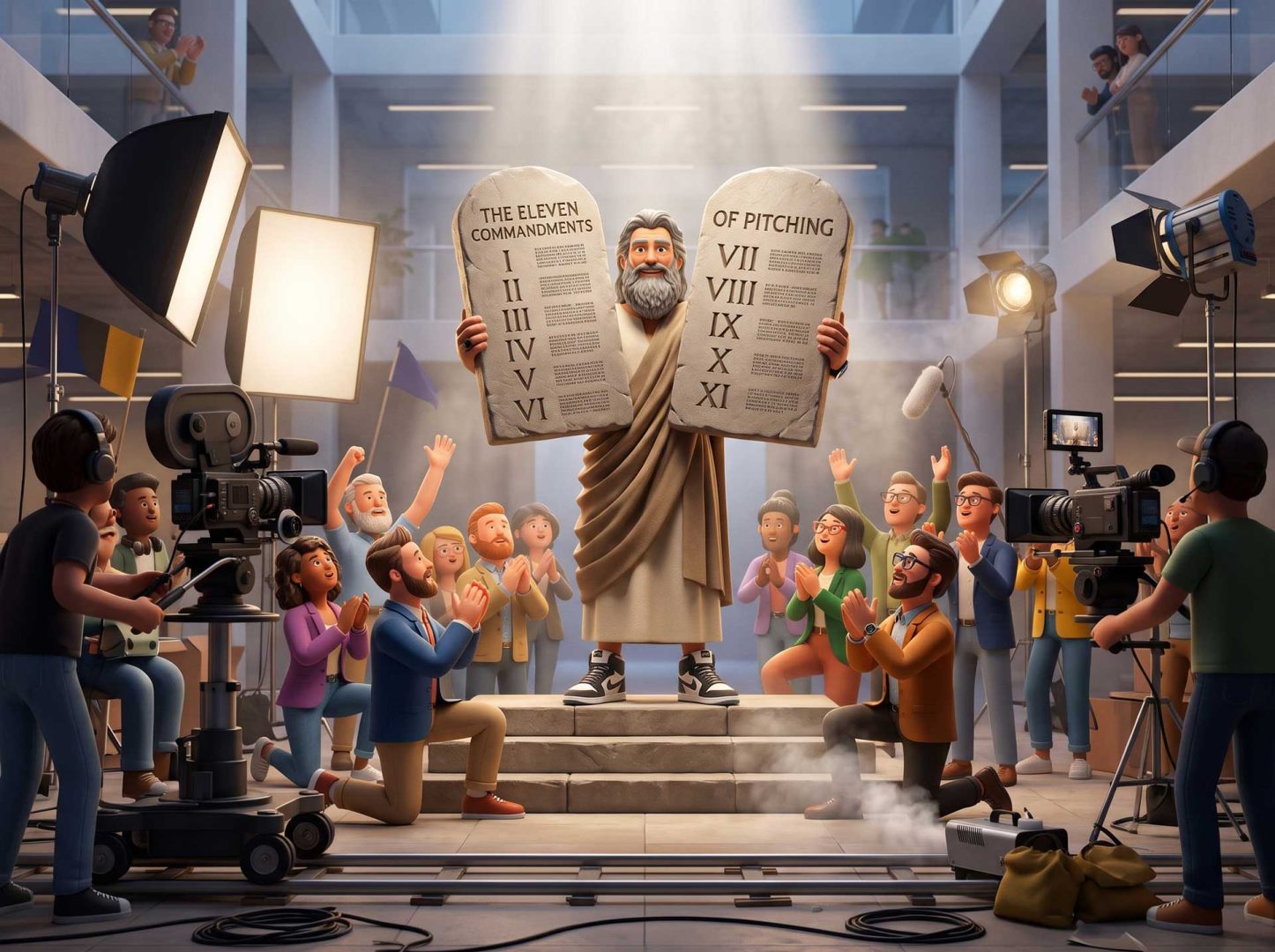
Cibils emphasizes that the framework was deliberately designed as a living document rather than a rigid set of commandments handed down from above. The eleven codes were forged directly in the trenches of real-world pitches—victories, losses, and grueling experiences survived through sheer perseverance. Because different professionals bring varied perspectives to the table, the ongoing evolution of these principles relies entirely on active engagement and shared experiences.
The editorial concludes with a call to action for the entire creative community. Following the conclusion of any pitch, stakeholders are encouraged to evaluate what aspects of the process held together, what failed, and who ultimately bore the cost of the gap. By sharing these experiences, challenging established norms, and continuously refining the approach, the industry can begin to change how the game is played. Without this active adaptation and enforcement, the established codes risk becoming nothing more than expensive office decorations, leaving the creative sector to decide whether it is fully committed to systemic change or destined to repeat the same cycles.