In the realm of fashion, certain divisions run deep. While some individuals declare unwavering loyalty to skinny jeans over baggy denim, or stand firmly behind crewnecks rather than V-necks, the seasonal shift toward holiday dressing brings the metallic debate to the forefront. Metallics are a foundational pillar of holiday style, whether expressed through a shimmering floor-length gown, a pair of bejeweled party shoes, or a striking statement earring. Dressing for seasonal celebrations offers a prime opportunity to literally shine, yet picking a metallic finish can swiftly divide a room. Observers note that individuals tend to be steadfastly drawn to either disco ball-worthy silvers or gorgeous, glimmering golds, with virtually no middle ground—save for the occasional, elusive fan of rose gold.

Longtime silver fanatics often point to the icy, chrome-like quality of silver pieces as the natural complement to a wardrobe dominated by black or rock-and-roll sensibilities. A silver-sheen boot or a chunky silver necklace can feel sleek and edgy, matching a preference for understated coolness while avoiding the seemingly cheery and summery associations of gold. This sentiment is echoed across various fashion quarters. For instance, senior editors and fashion industry insiders frequently champion cool tones. Some maintain a strict anti-gold stance, describing gold as inherently demanding and attention-seeking, whereas silver offers a relative sense of restraint and subtlety. Others emphasize the practical versatility of precious silver staples, noting that chunkier items, such as curb-link bracelets, retain a casual, everyday appeal in silver that they might lose if cast in gold.
Yet, the recent spring ready-to-wear runways tell a different story, with major designer collections going all-in on gold. Anthony Vaccarello’s collection for Saint Laurent featured sunny metallics prominently, sending items such as foiled trench coats and dainty stiletto sandals down the runway. Legacy labels like Ralph Lauren introduced gold pleated slip dresses, while Dolce & Gabbana embraced 1980s maximalism through an abundance of chunky gold accessories. For dedicated silver lovers, the message from the catwalks is clear: it is officially time to consider going for gold.

This seasonal shift prompts a broader question for those firmly entrenched in their styling habits: can lifelong silver loyalists be convinced to switch it up and trade their comfort-zone hues for something more glamorous and gilded?
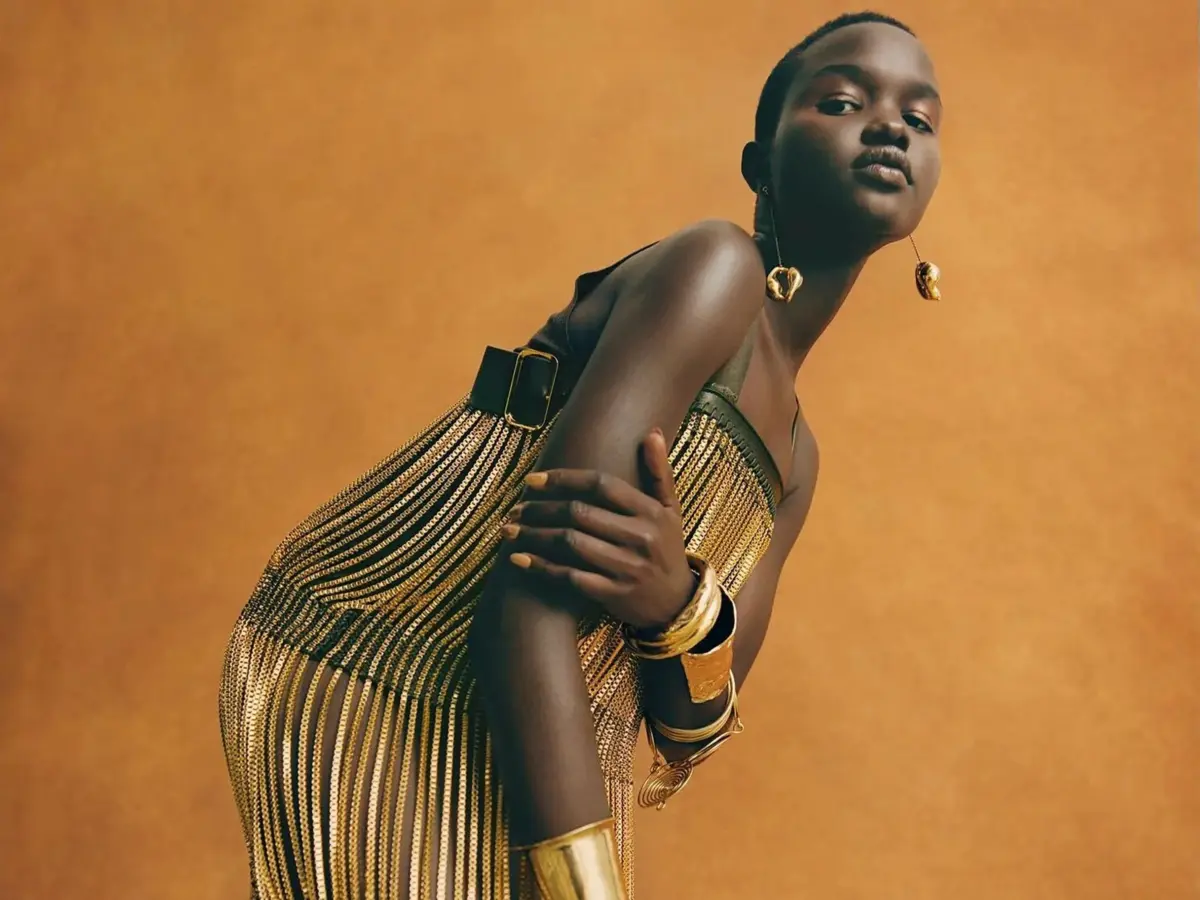
Even for those who have historically avoided wearing gold, the undeniable allure of the eye-catching hue is difficult to dismiss. Gold carries an inherent sense of opulence and boldness—two adjectives well-suited for holiday dressing. Furthermore, it looks exceptionally luxurious when styled against sleek black satin or leather, a pairing frequently utilized in high-fashion presentations, such as Schiaparelli’s showcases featuring massive golden sculptural necklaces. Because this dark, sophisticated backdrop is a traditional favorite for silver styling as well, the transition to gold may not be as extreme as it initially appears.

Another common hesitation regarding gold centers on personal coloring, particularly the fear that warm metallic tones clash with paler complexions. However, recent catwalks have demonstrated a significant degree of versatility within shades of gold. Options range widely, from the deep, rich gold of Saint Laurent to the lighter, almost beige-like tones seen at Brunello Cucinelli, proving that gold can be adapted to suit diverse aesthetic preferences and skin tones.
The same flexibility applies to styling approaches. Embracing the trend does not require head-to-head-to-toe metallic dressing. Instead, individuals can select a single golden hero piece, such as an investment boot or a sculptural earring, to achieve the same upbeat, decadent feel appropriate for a holiday celebration.

Industry professionals frequently argue that gold integrates seamlessly into a wardrobe, functioning as a year-round color trend rather than remaining confined to office Christmas parties. Supporters note that gold often flatters the skin remarkably well and carries a timeless connotation of value and luxury, anchored by familiar idioms. Even when professional color analysts suggest alternative palettes based on seasonal assessments—sometimes steering individuals toward silver and white gold—many style authorities choose to prioritize their long-standing affinity for yellow gold, incorporating other vibrant accent colors while drawing a firm line at abandoning gold entirely.
Ultimately, these styling choices underscore the power of personal preference. For those still hesitant to fully abandon their preferred tones, the runways have also made a strong case for mixed-metallic dressing, combining both silver and gold into a single cohesive ensemble. At Thom Browne, a silvery coat-dress featured a golden sewn-in panel along the front, while Fforme showcased glossy silver trousers with an iridescent gold finish that shifted depending on the light.

As the holiday season approaches, the motivation to experiment with gold grows stronger, whether through adapted statement pieces like a mid-century modern-inspired bolo tie with gold accents that aligns with a western sensibility, or through subtle metallic touches. While full-scale gilded glamour may remain a selective aspiration inspired by red-carpet style icons, the metallic debate proves that fashion is at its best when it encourages reinvention, experimentation, and a willingness to shine.