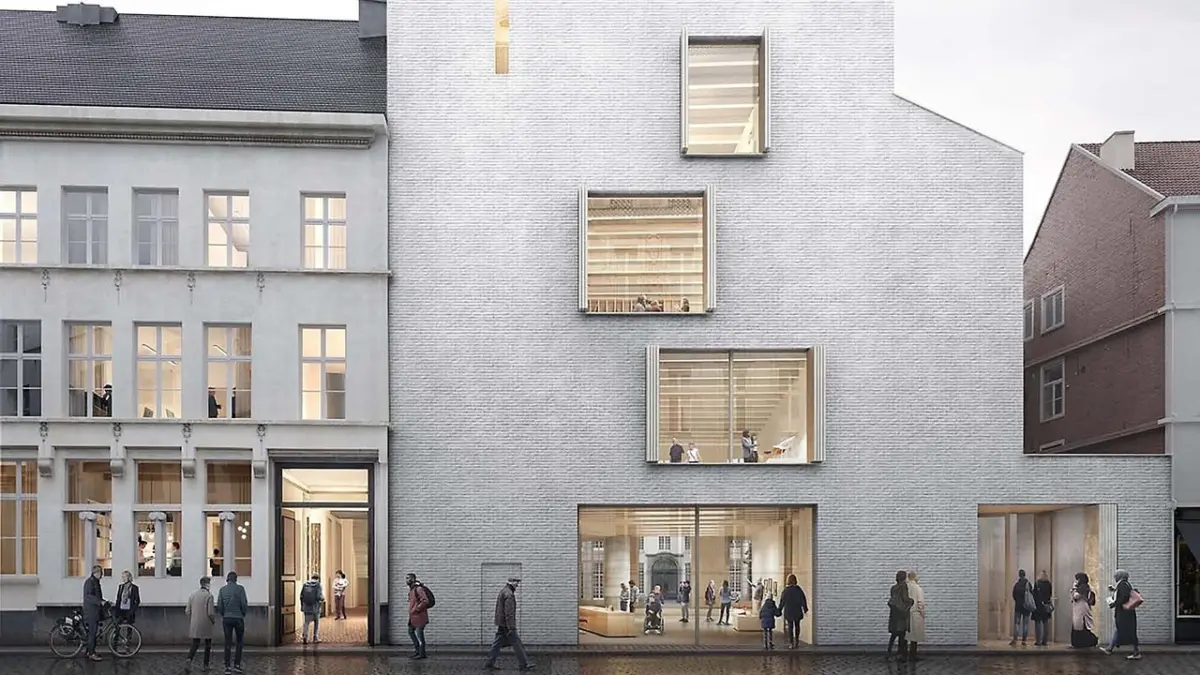
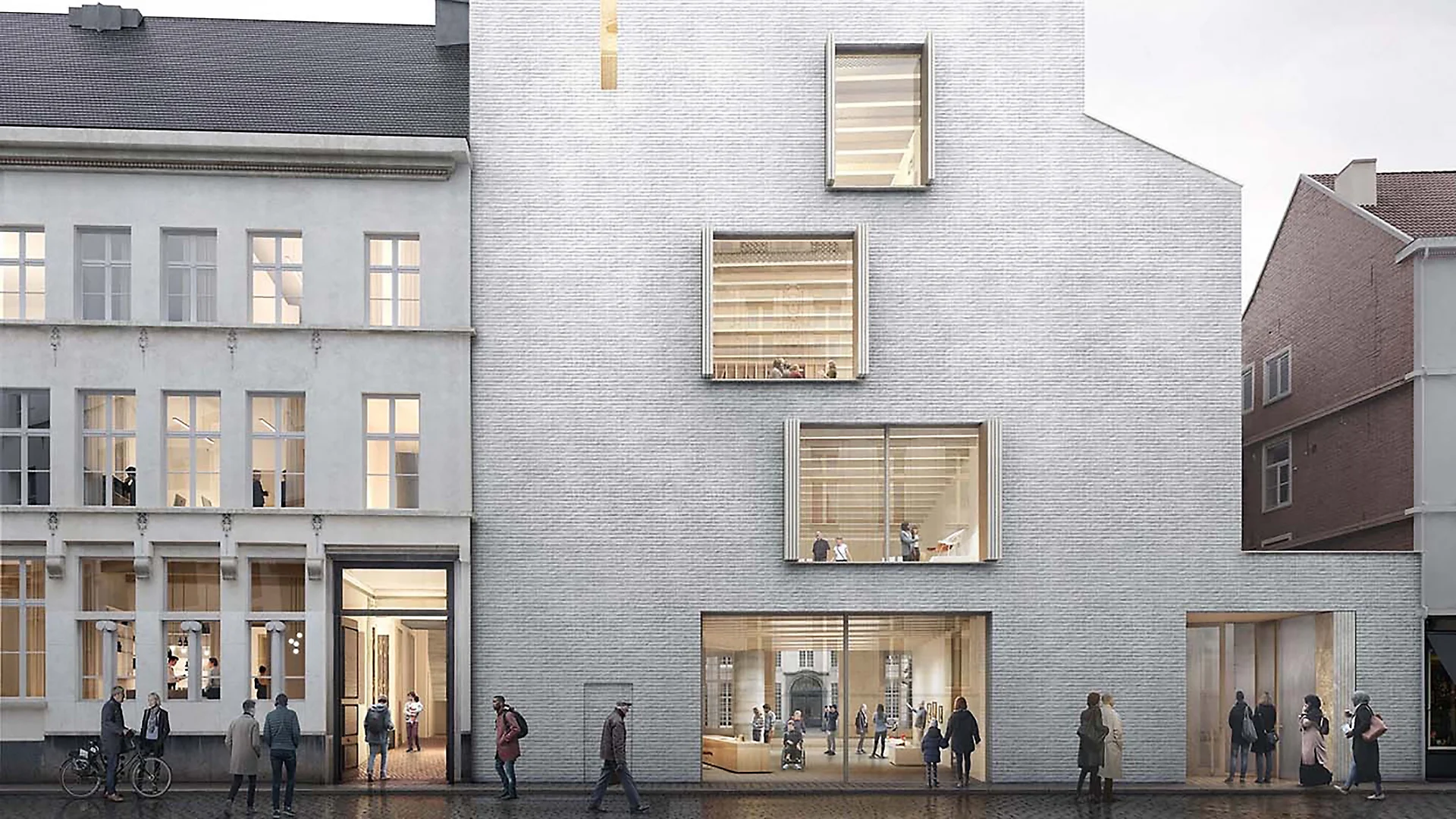
In Belgium, the physical building blocks for a striking new cultural space have been forged directly from yesterday’s discarded construction material. This innovative approach to sustainable architecture takes center stage at the newly reopened Design Museum Gent, located in the historic heart of Gent, Belgium, where a brilliant white brick annex stands as a testament to the power of circular design. Rather than relying on standard, carbon-intensive manufacturing methods, the striking new wing is constructed entirely from locally sourced materials through an industrial process that intelligently repurposes construction waste, demanding significantly less energy than the traditional firing of a conventional brick.
The architectural centerpiece of this expansion—dubbed the Gent Waste Brick—was developed by BC Materials, a Brussels-based construction company renowned for pioneering sustainable building products. These unique bricks are composed of 63% recycled municipal waste collected directly from the city of Gent, consisting largely of crushed concrete and discarded construction glass. By diverting these heavy materials from local landfills, the project turns regional demolition rubble into a valuable urban resource, minimizing both transportation footprints and environmental degradation.
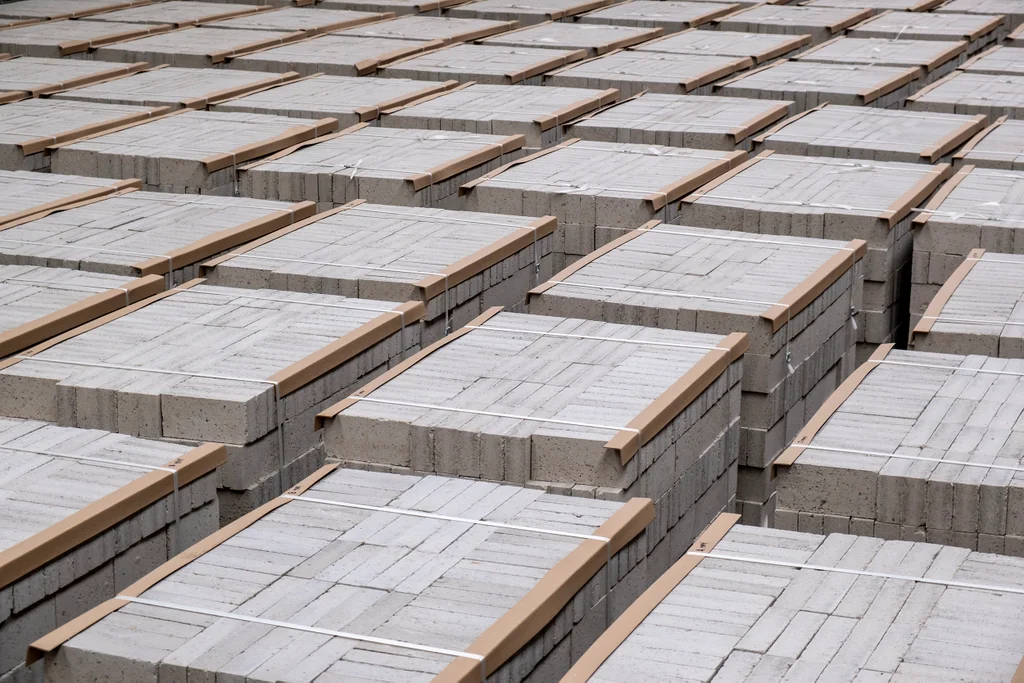
Rather than being subjected to the intense, fossil-fuel-guzzling heat of a traditional ceramic kiln, the Gent Waste Brick is manufactured through a much cleaner method. The locally sourced mix of crushed concrete, glass, sand, and other mineral ingredients is combined with lime and then mechanically pressed into shape. Because the integrated lime naturally absorbs carbon dioxide from the surrounding air over time, the bricks harden completely on their own. This ambient curing process successfully avoids the soaring temperatures and immense energy consumption that typically plague traditional brick firing, slashing the carbon footprint associated with the building’s exterior shell.
To bring this vision to life, BC Materials collaborated closely with a multidisciplinary team of architectural practices, including ATAMA, Carmody Groarke, and RE-ST. Together, these partners engaged in an extensive testing phase to refine material mixes and production techniques, ensuring the final product could meet the rigorous technical and structural requirements demanded of an exterior facade. Following successful testing and quality assurance, the team produced an impressive 82,000 individual bricks. Production took place locally at Gent’s historic Arsenaal site, a sprawling former railway repair yard that provided an ideal industrial backdrop for the circular manufacturing initiative.
This entire undertaking serves as a prime real-world example of circular design, a regenerative economic and architectural philosophy that aims to keep products, components, and materials in active use for as long as possible. By finding innovative, high-value new uses for what would otherwise be treated as worthless trash, the project challenges the traditional linear "take-make-waste" model that has dominated the construction industry for generations.
The resulting museum annex is a substantial 2,200-square-foot wing designed to serve multiple functions for the institution and the broader community. On the interior, it functions as a flexible, multipurpose space tailored to host dynamic exhibitions, public gatherings, and cultural events. From the outside, the annex presents an attractive, harmonious addition to the historic city skyline. Its neutral-colored brickwork and sharply angled slanted roofline intentionally echo and mimic the pitch of neighboring local rooftops, allowing contemporary architecture to converse respectfully with historical context.
The debut of this sustainable wing coincides with a major milestone for the institution. After a comprehensive, four-year renovation project, Design Museum Gent officially reopened its doors this month, welcoming the public back with an inaugural exhibition titled Public Matter(s): Design and Democracy. The exhibition dives deeply into the invisible rules, structures, and systems that quietly shape modern political life. While this thought-provoking inaugural show encourages visitors to critically examine the ways political democracy is designed, sustained, strengthened, and occasionally undermined, the very physical fabric of the museum’s new addition offers a powerful parallel. By walking through and around the structure, visitors are implicitly invited to contemplate the urgent ways our society builds, consumes, and recycles the physical world around us.