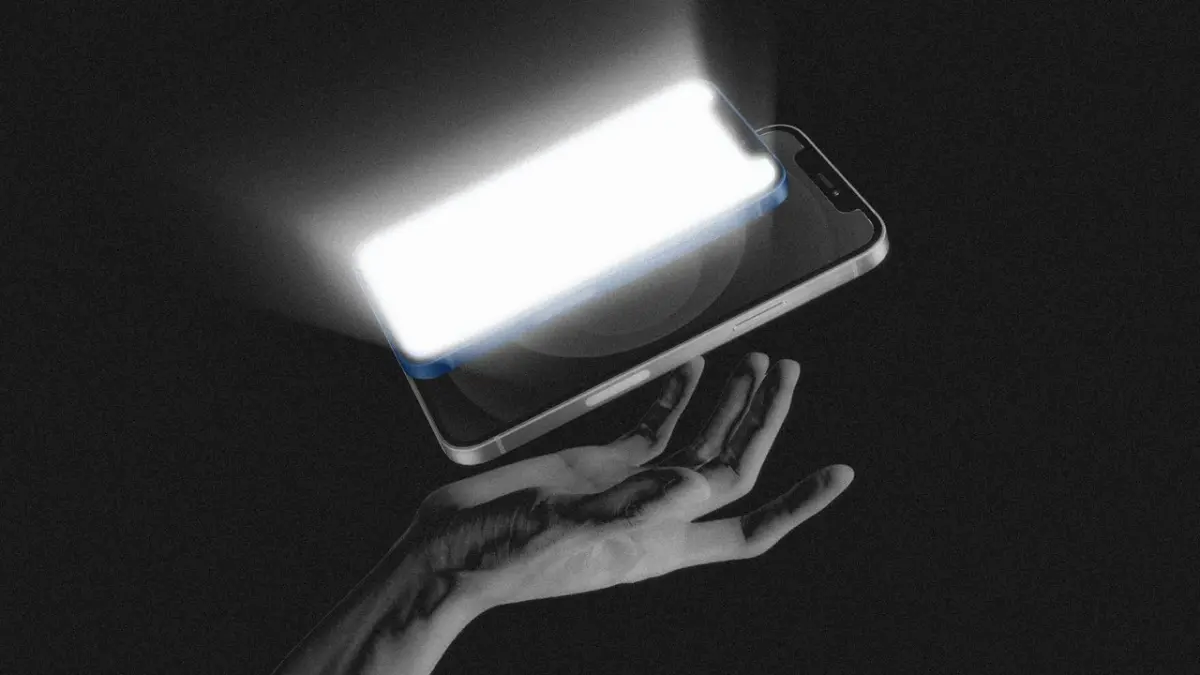
My phone has some existential problems. It is nearly out of storage, the battery lasts half a day, and every so often, when it thinks a little too hard, it heats up like a brick fresh from the kiln.
I should probably get a new phone, but I can’t bring myself to do it. Not until the experience of using my iPhone 13 mini becomes so miserable that I have no other choice but to trade it in for a bigger, better model.
I am not alone in my stubborn act of technological resistance. There is a small but passionate group of like-minded people who refuse to let go of their minis. They gather in online forums, trading advice on how to keep an iPhone mini running after years of active daily use. They smugly set their beat-up hardware on the table next to their friend’s PopSocket-ed phablet. Often, they can be found digging frantically in their bags for a portable charger because their phone battery is, once again, sitting at critical levels.
The cult of the iPhone mini is alive and well. And why shouldn’t it be? It is arguably the most fitting phone for our current cultural moment. Holding on to an older, smaller device represents an intriguing path forward at a time when consumers are experiencing whiplash between the relentless promises of rapid tech advancements and a deeply earnest, growing desire to reclaim their daily lives from the constant distraction of their devices.
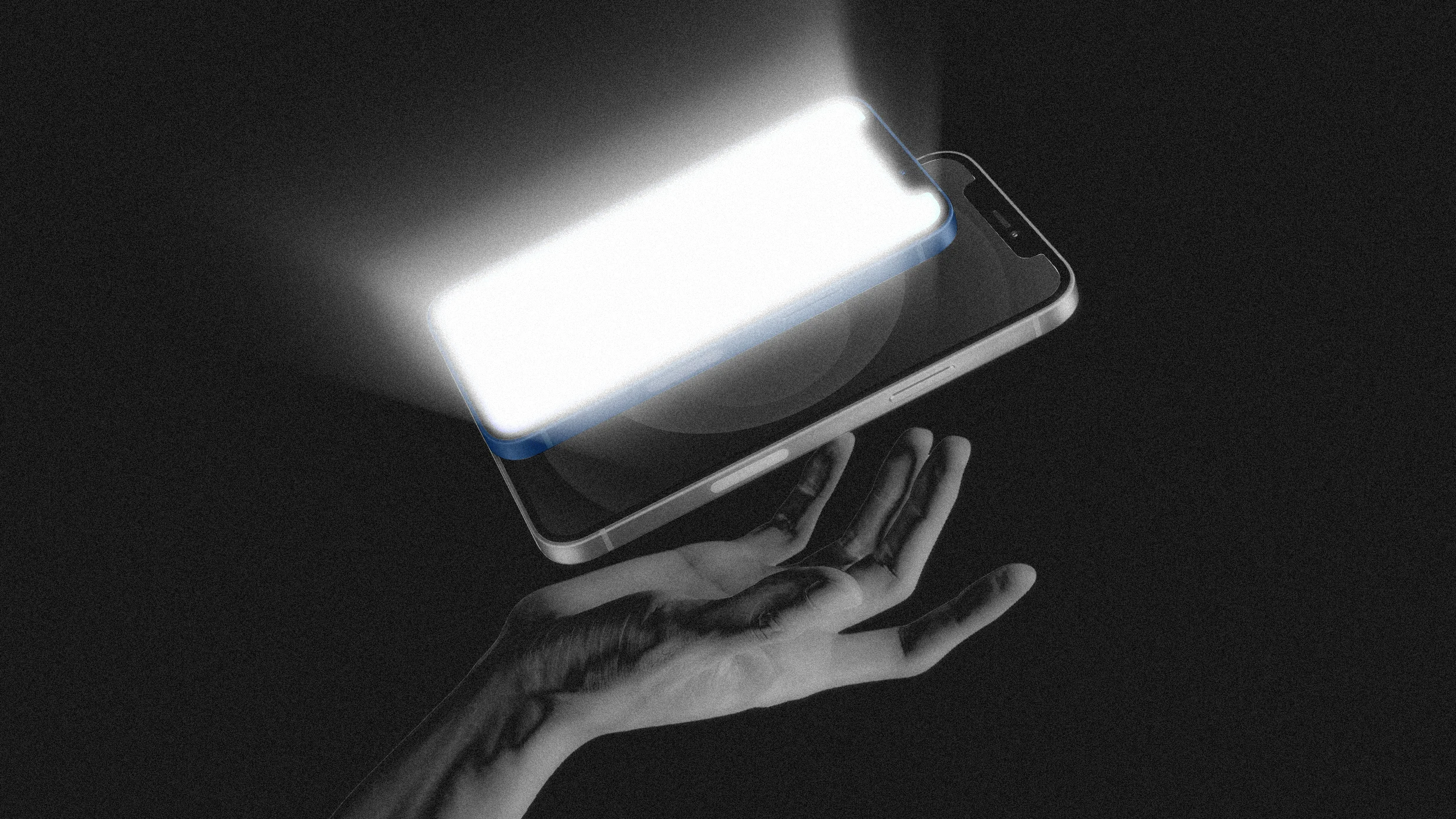
iPhone mini devotees are not naive dumbphone Luddites, nor are they the type of consumers to eagerly pick up the latest massive flagship device or experimental folding phone at launch. Instead, they sit comfortably somewhere in the middle of those two extremes. In doing so, they acknowledge a simple truth that most Silicon Valley companies and hardware manufacturers simply cannot afford to accept: that sometimes, it is entirely okay for technology to just be good enough.
A Compact History of Growing Phones
"We’ve designed something wonderful for your hand, just wonderful," Steve Jobs told a rapt, cheering crowd in 2007, holding up the very first-generation Apple iPhone for the world to see. "It’s got a 3-and-a-half-inch screen on it. It’s really big."
Jobs wasn’t exaggerating for effect. At the time, the original iPhone, which measured 4.5 by 2.4 inches with its 3.5-inch screen, represented a massive departure from the compact, low-resolution physical screens that dominated the mobile landscape on devices like BlackBerries and Palm Pilots. Instead of relying on a physical keyboard or a plastic stylus like its smartphone predecessors, Apple introduced an entirely new mode of human-computer interaction for the iPhone called multitouch.
That historical moment set off a trajectory of design evolution that would eventually reshape how humanity interacts with information. Yet, as mobile technology progressed through the subsequent decades, the definition of a pocket-sized device began to shift dramatically. Screens grew from 3.5 inches to 4 inches, then pushed past 5 inches, and eventually ballooned well beyond 6 inches, turning everyday smartphones into expansive glass rectangles that frequently struggle to fit into standard pockets.
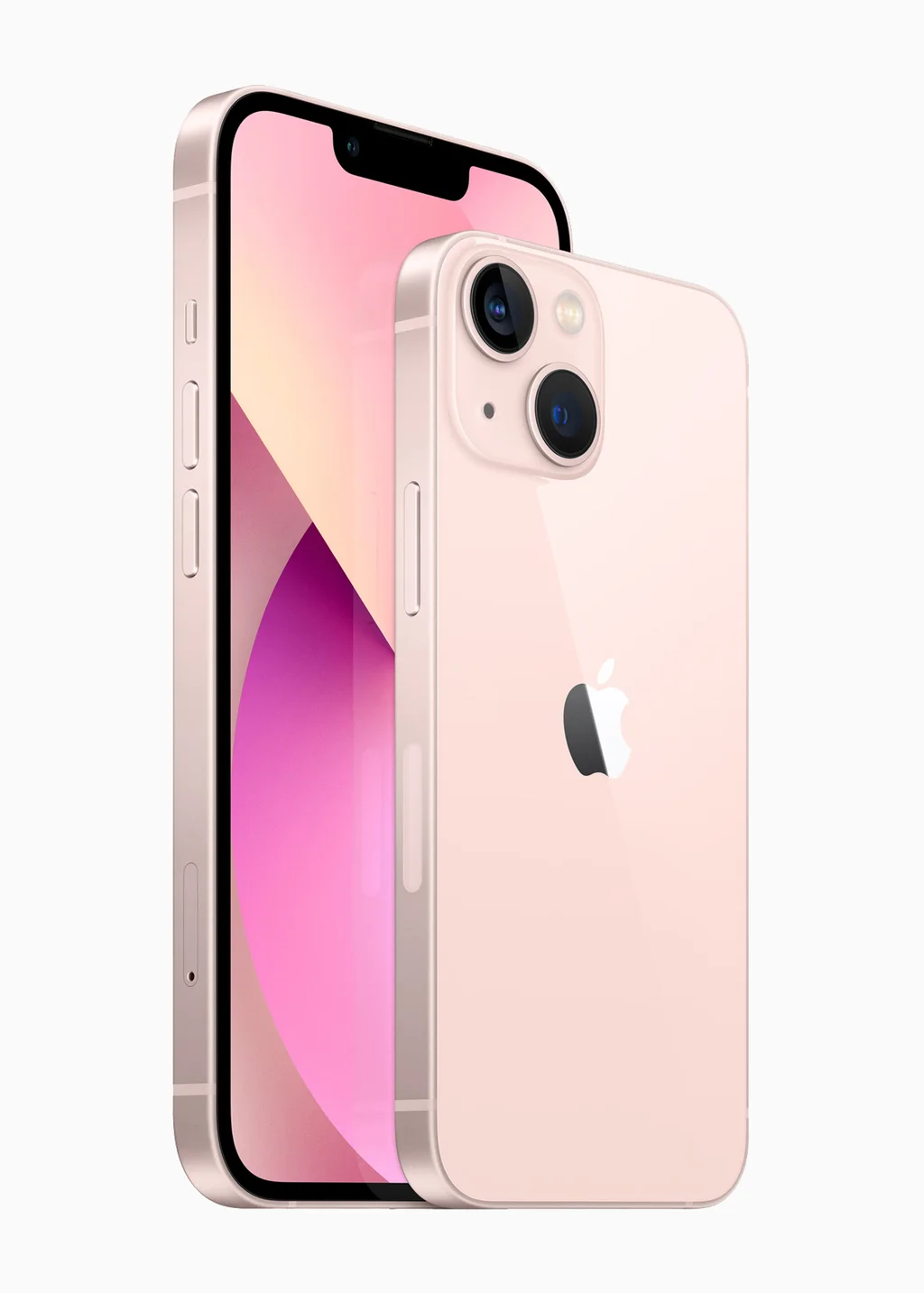
When Apple introduced the iPhone mini lineup, it offered a brief, shining reprieve for those who remembered what it felt like to comfortably operate a smartphone with a single thumb. Even as the mobile industry pivoted entirely toward larger form factors to accommodate bigger batteries, multi-lens camera arrays, and sprawling media consumption spaces, the mini held its ground as a specialist device for people who valued ergonomic comfort and portability above all else.
Today, those who cling to their aging iPhone 13 mini models find themselves locked in a quiet standoff with the consumer electronics market. They navigate daily compromises—nursing fading batteries, managing cramped storage capacities, and dealing with thermal throttling when processing heavy tasks—all to preserve a physical user experience that modern manufacturers have effectively abandoned.
Whether this stubborn attachment is merely a passing phase of consumer nostalgia or the beginning of a broader pushback against ever-expanding device footprints remains to be seen. But for now, in coffee shops and on public transit, the pocket-sized holdouts continue to reach into their bags for their chargers, perfectly content to keep their small screens running just a little bit longer.