New York City is internationally renowned for its towering skyscrapers, bustling streets, and a fast-paced urban lifestyle that rarely pauses for nature. While the concrete jungle has occasionally played host to famous avian visitors—such as Flaco, the late, beloved Eurasian eagle-owl that captured the city’s imagination after escaping from the Central Park Zoo—wildlife photography is rarely the primary draw for shutterbugs navigating the five boroughs. However, as twilight settles over Manhattan’s Upper West Side, crowds of photographers, bird-watchers, and curious residents have been congregating near Central Park for an entirely unexpected spectacle: a nesting family of wild barn owls.
Experts at the Cornell Lab of Ornithology have identified the discovery as likely the first recorded instance of barn owls nesting within the borough of Manhattan in modern history. The remarkable wildlife event has transformed a quiet residential stretch near West 75th Street and Central Park West into an impromptu nighttime observation deck, where enthusiasts gather in the evening hours hoping to catch a glimpse of the birds against the unmistakable backdrop of urban architecture.
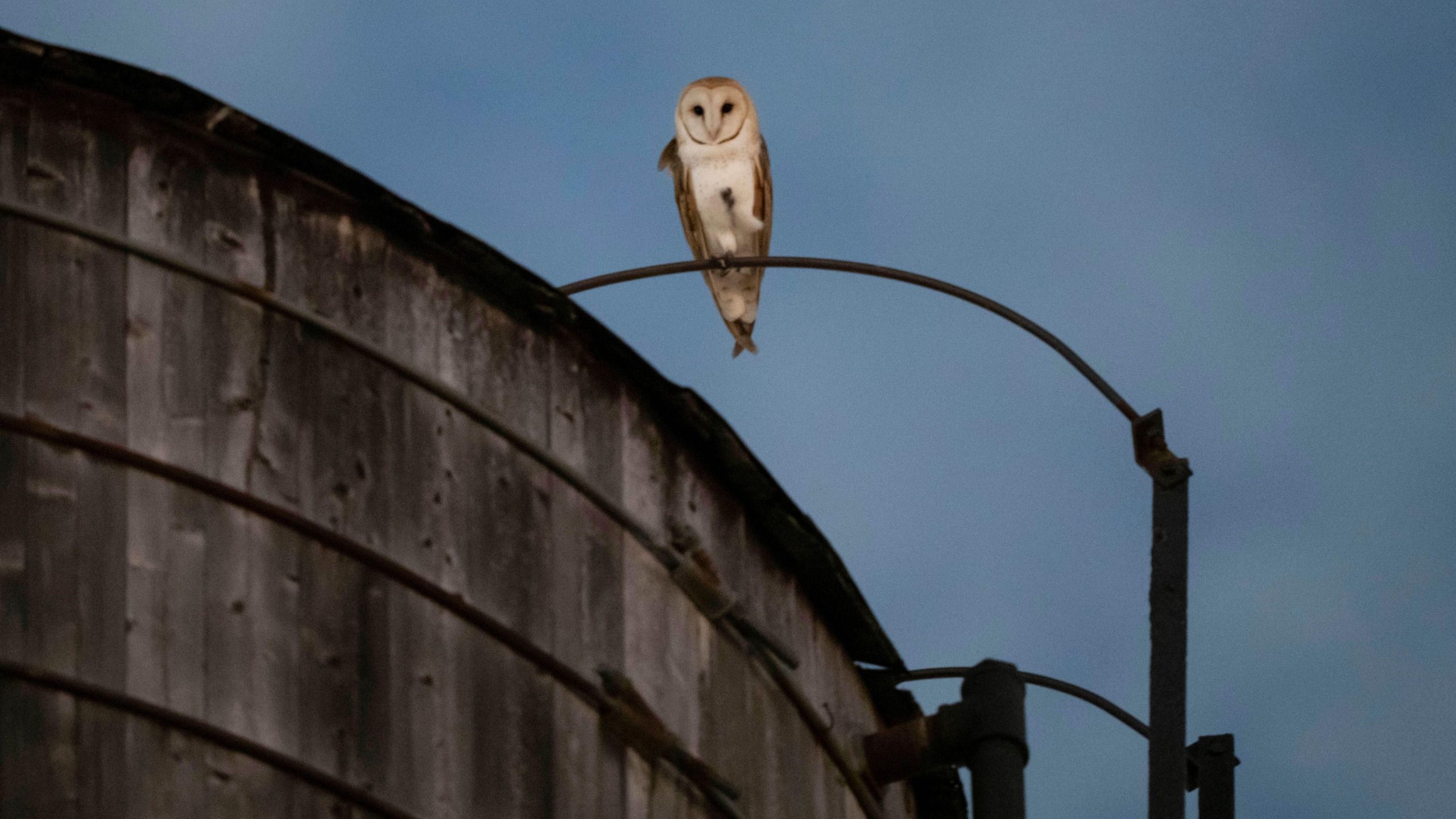
The presence of the raptors first came to light in mid-September, when local residents began noticing unusual, high-pitched screeching sounds echoing through the neighborhood after dark. Initially perplexing to those living nearby, the vocalizations prompted a resident to investigate further and eventually report the sightings. Ornithologists and local bird-watchers quickly confirmed the source of the mysterious noises. Observers have since counted at least one adult barn owl alongside five active fledglings, which appear to have made their home in and around a traditional rooftop water tower—a quintessential fixture of the New York City skyline that has now doubled as an unlikely raptor nursery.
The arrival of the barn owl family is particularly extraordinary because New York City sits right at the very edge of the American barn owl’s typical geographic range. According to the New York City Department of Parks and Recreation, urban birders looking for owls in and around Central Park more commonly encounter eastern screech owls, barred owls, or northern saw-whet owls. Barn owls, recognized by their distinctive heart-shaped facial disks, pale plumage, and silent flight, are rarely documented establishing long-term nesting sites in densely populated metropolitan environments, making their current Manhattan residency an ornithological milestone.
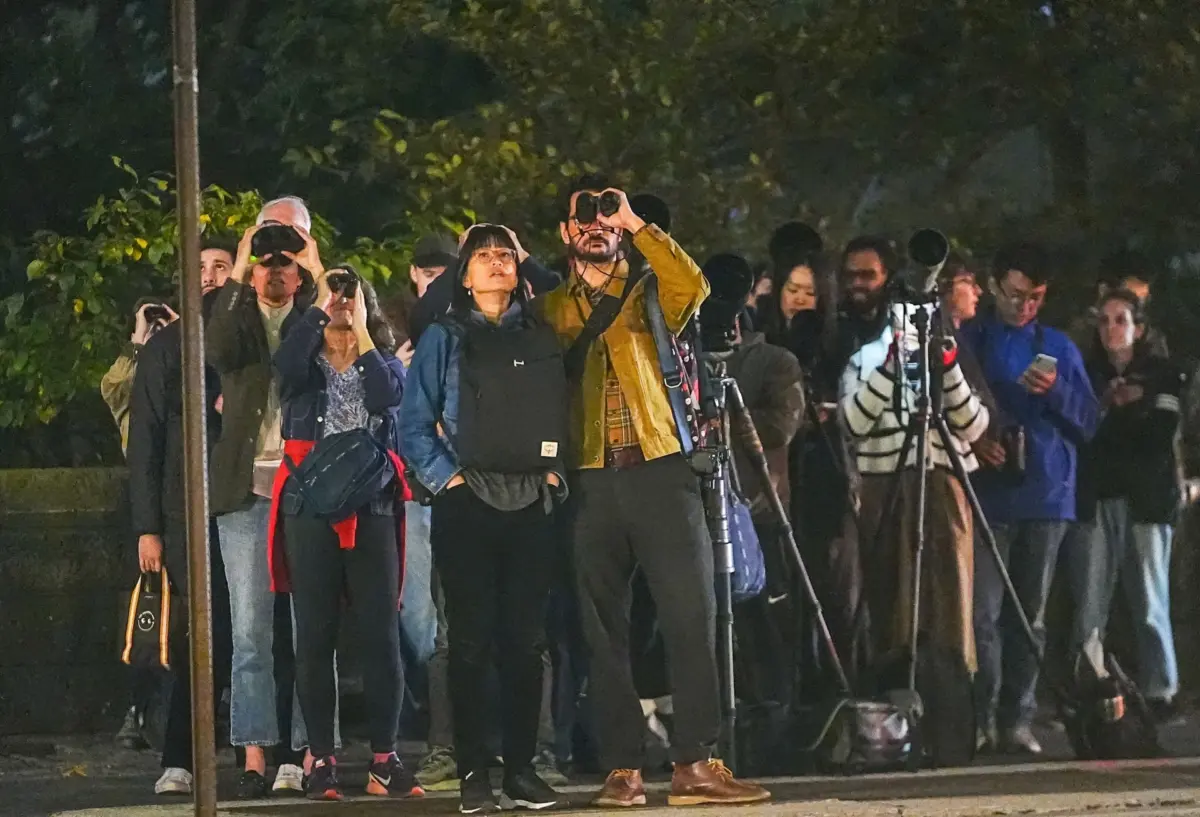
As word of the nesting family has spread across social media and local birding networks, the owls have achieved minor celebrity status. Every evening at dusk, clusters of people gather along the sidewalks, aiming sophisticated camera equipment upward in anticipation of the fledglings emerging from their roost. The juxtaposition of a wild, nocturnal predator rearing its young amid the towering apartment buildings and glowing streetlights of the Upper West Side has created a compelling scene that bridges the gap between raw wilderness and modern city life.
Yet, this sudden celebrity status has raised significant concerns among conservationists and wildlife experts regarding the welfare of the birds. The International Owl Center and other wildlife advocacy organizations have issued cautionary reminders emphasizing the importance of respectful observation. Large crowds, excessive noise, and the movement of numerous people directly beneath or near a nesting site can induce high levels of stress in raptors, potentially disrupting feeding habits or causing young fledglings to prematurely abandon their roost before they are fully capable of flight.
Wildlife professionals stress that anyone visiting the area to observe or photograph the barn owls must maintain a considerable distance, utilizing long telephoto lenses rather than attempting to move closer to the roost. Observers are urged to remain calm, quiet, and stationary, ensuring that the natural behaviors of the birds are not interrupted. Under no circumstances should individuals attempt to chase or corner an owl in an effort to secure a better photograph or viewing angle.
Furthermore, experts have issued strict warnings regarding photography ethics, highlighting the severe danger that artificial light poses to nocturnal animals. Flash photography must be strictly avoided around owls and other nocturnal wildlife, as a sudden burst of intense light can temporarily or even permanently damage their sensitive eyes and ruin their night vision, which is essential for navigation and hunting. By prioritizing the safety and well-being of the birds over capturing the ultimate image, wildlife advocates hope the community can ensure this historic urban owl family remains safe and undisturbed as they continue to captivate New York City.