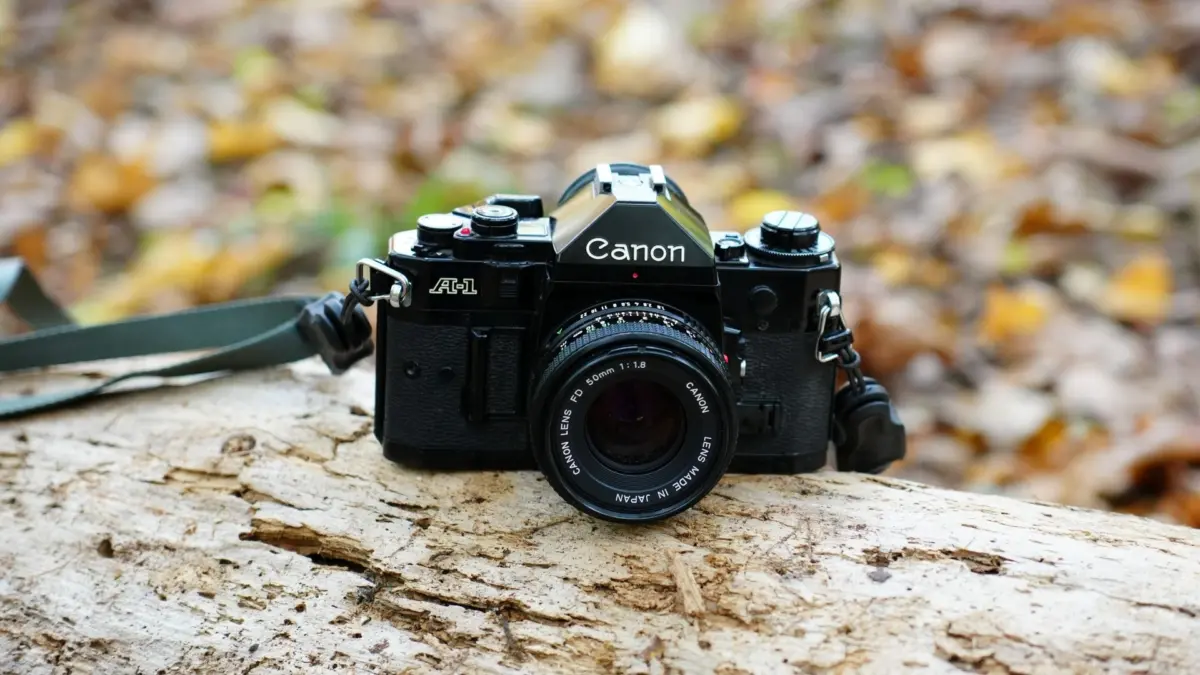
When discussing classic 35mm film cameras, the Canon AE-1 inevitably steals the spotlight. Renowned for its iconic retro aesthetics, straightforward shutter-priority mode, and affordable secondhand market availability, the 1976 camera has long reigned as a favorite gateway for modern analog photography enthusiasts. However, for those willing to look slightly off the beaten path, Canon’s historical catalog holds equally compelling alternatives. One photographer’s recent hunt for a specific analog feature led them straight to the AE-1’s less celebrated yet vastly more powerful sibling: the Canon A-1.
The journey began during a weekend visit to a local vintage camera swap hosted by a regional historical photography club—an event that many analog enthusiasts would readily describe as camera collector heaven. Having already spent considerable time shooting several rolls of film through a reliable Pentax K1000, the photographer arrived at the marketplace with a singular feature in mind: built-in double exposure capabilities.
On the vast majority of traditional mechanical and electronic film cameras, the shutter mechanism automatically locks after an exposure is captured. It remains locked until the user pulls the film advance lever, a failsafe design intended to prevent accidental double exposures and overlapping frames. For cameras lacking a dedicated multi-exposure mode, such as the Pentax K1000, achieving a double exposure requires a delicate mechanical workaround. This usually involves engaging the film release button, partially rewinding the film roll manually back into the canister, and hoping the frames align precisely when shooting the second exposure.
The prospect of manually manipulating the rewind crank and risking frame misalignment can be an intimidating venture for analog shooters, particularly when precious frames and expensive film stocks are on the line. This exact hesitation fueled the search for a vintage camera body equipped with a dedicated, factory-built double exposure mode.
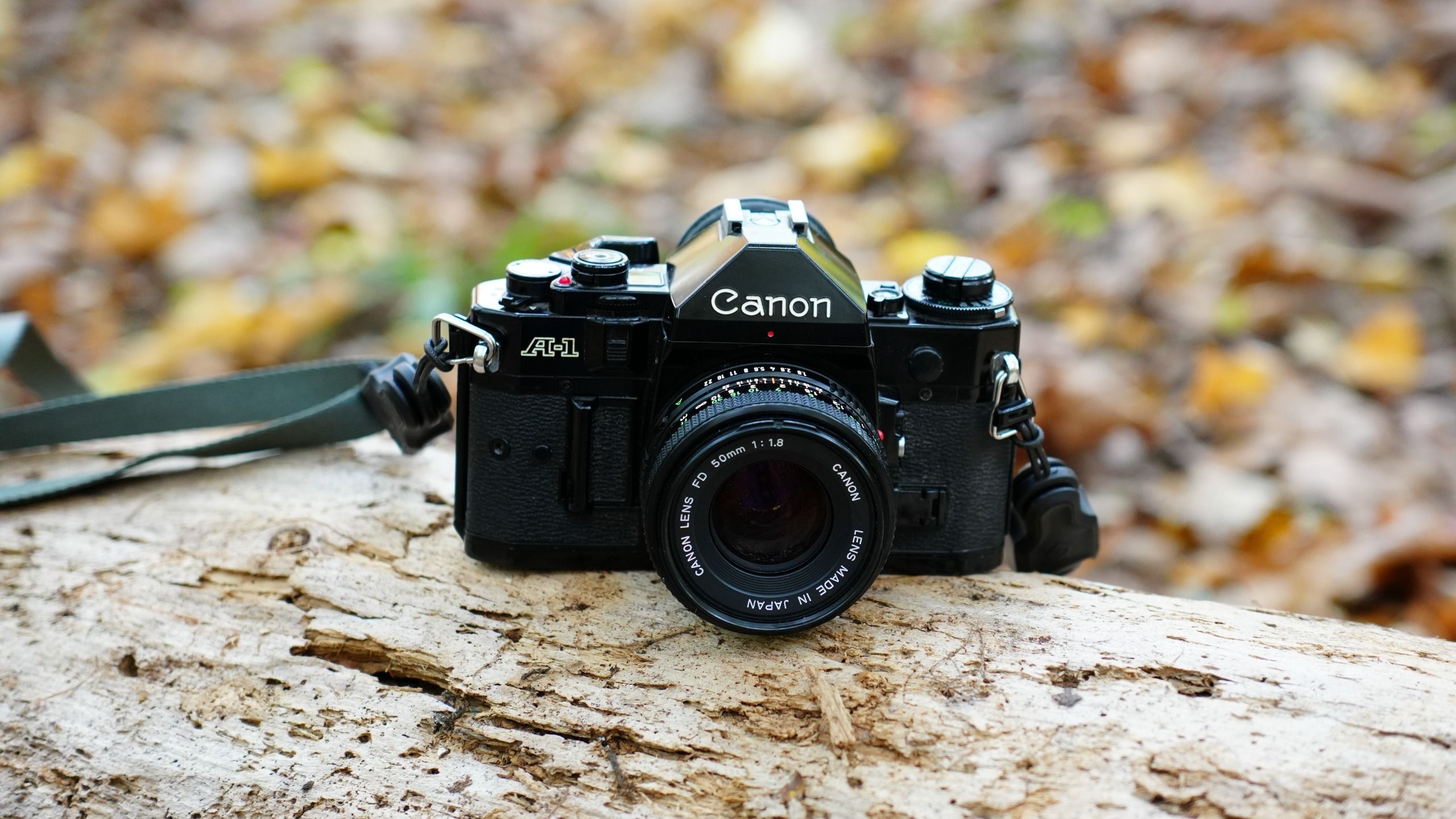
Although the initial hunt was driven strictly by functionality rather than brand loyalty, the photographer was immediately captivated by the striking, professional look of the Canon A-1. Released in 1978, just two years after its legendary predecessor, the A-1 features a small, unassuming lever located on its top plate. This clever mechanical switch allows the user to cock the shutter independently without advancing the film strip inside the camera chamber, effortlessly creating a reliable double exposure mode without any precarious rewinding tricks.
While the inclusion of the double exposure switch served as the primary catalyst for the purchase, exploring the broader array of features quickly transformed initial interest into genuine appreciation. The Canon AE-1 is widely celebrated for its user-friendly shutter-priority shooting mode, but the A-1 significantly expands upon this foundation by offering an exceptionally comprehensive suite of exposure options. The A-1 is fully capable of operating in full manual mode, aperture-priority mode, shutter-priority mode, and programmed auto-exposure.
Historical accounts note that the Canon A-1 was a watershed product for the industry, reportedly standing as the first electronic single-lens reflex camera to seamlessly combine those four distinct exposure modes—a configuration that has since become the baseline standard for professional photography equipment. Furthermore, it marked a major technological milestone as the very first SLR to incorporate an electronically controlled programmed auto-exposure mode.
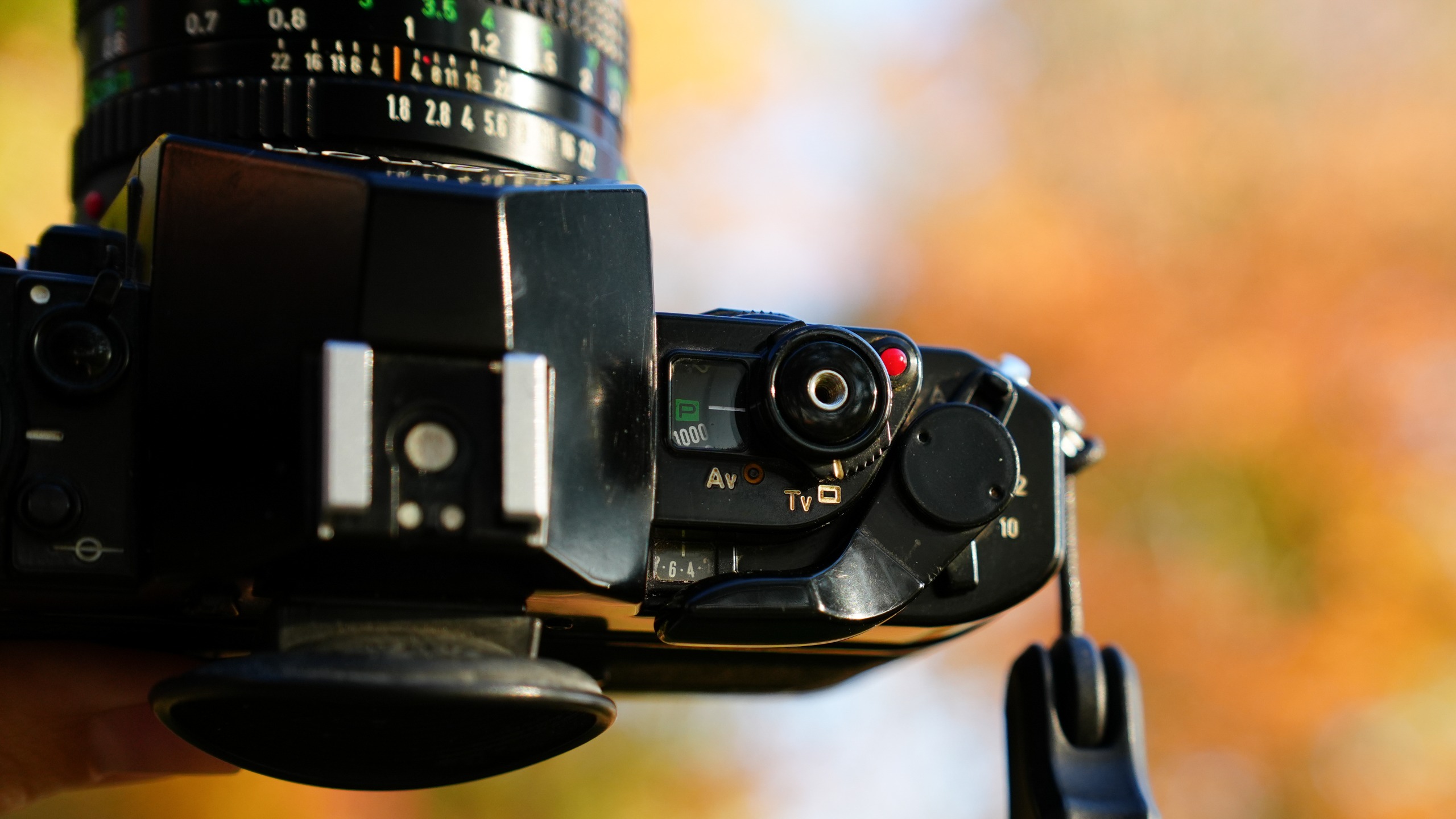
Even by modern standards, the engineering packed into the late-1970s chassis remains impressive. Operating on a microcomputer system, the Canon A-1 projects light meter readings directly into the bottom of the optical viewfinder using a clear digital display. It also includes an integrated electronic self-timer, offering advanced utility that far surpassed many competing models of its era.
Naturally, these advanced capabilities come with a slight trade-off in operational complexity. While the Canon AE-1 remains celebrated for its straightforward, approachable shooting experience, the A-1 presents a steeper learning curve due to its extensive array of built-in technological tools. Even experienced professional digital photographers may find themselves consulting online manuals and instructional tutorials to fully master the camera’s myriad settings and electronic controls.
Having recently finished running a first test roll of film through the newly acquired vintage body, the photographer is currently awaiting the results from the photo laboratory. Yet, if initial tactile impressions and historical reputation are reliable indicators, this advanced retro analog machine is poised to become a frequent companion in the field.
For photographers looking to follow a similar path into the world of vintage analog equipment, industry experts consistently recommend sourcing gear through reputable used camera dealers rather than unverified online marketplaces. Established platforms such as MPB and KEH Camera specialize in thoroughly inspecting, grading, and warrantying classic film bodies and legacy lenses, ensuring that buyers receive functional equipment rather than electronic paperweights. Alternatively, exploring curated buyer’s guides for the best historical film cameras and reliable 35mm film stocks can provide a solid foundation for anyone looking to make the leap into analog photography.