The sophomore effort is frequently characterized as the most daunting hurdle in an artist’s creative journey. After the initial wave of critical acclaim greets a breakout debut, the dead weight of high expectations presses down heavily upon both the creator and the production team. An analogous phenomenon can be readily observed in the publishing world, particularly when a successful magazine prepares to launch its critical second edition. This exact creative challenge faced the editorial team behind the latest release of the annual Monocle Design Directory.
For this second outing, the central dilemma was clear: how could the publication elevate its standards and distinguish itself from the inaugural edition? The editorial team deliberately chose to reject the temptation of producing a mere showcase of good-looking design—a superficial round-up filled exclusively with handsome products, sleek consumer goods, and aesthetically pleasing projects. Instead, guided by executive editor Nic Monisse, the publication set out to seek out the extraordinary people and dynamic places that vividly demonstrate the profound impact design can exert far beyond surface-level visual appeal. The resulting issue is packed with smart reportage and fresh takes, exploring how thoughtful design actively shapes and transforms communities, economies, and deep-seated cultural traditions.
Tracing Modernism and Nation-Building in Baghdad
To understand how design weaves itself into the very fabric of national identity and political ambition, the Monocle team touched down in Baghdad to trace the historical architectural footprint left by two titans of the movement: Le Corbusier and Walter Gropius. Commissioned by the country’s ruling powers during the mid-20th century, this legendary pairing of modernist architects played an instrumental role in a grand, sweeping transformation that aimed to turn the Iraqi capital into a major, forward-looking Western-style metropolis.
The underlying ambition of this massive urban undertaking was distinct and strategically motivated: to sharply distinguish Baghdad from other prominent Arab metropolises of the era that were looking toward the Soviet Union for inspiration and ideological alignment. This was ambitious architecture intended to visually empower and physically embody a young, emergent nation on the global stage. Yet, like many grand state-sponsored visions of the modern era, the physical infrastructure was ultimately co-opted by subsequent dictatorships.
Despite these turbulent political shifts and the tragic betrayals of state ambition, the modernist infusion left an indelible mark. It successfully shaped an entire generation of visionary Iraqi architects who grappled with the tension between international modernism and regional authenticity. Among them was the celebrated architect Rifat Chadirji, who famously reflected on the imperative of local context. "I thought it imperative that, sooner or later, Iraq create for itself an architecture that is regional in character," wrote Chadirji. True to his word, the architect would go on to do exactly that, creating a lasting legacy that bridged global modernist techniques with deep-rooted regional identity.
Redefining the Museum Experience Near Basel
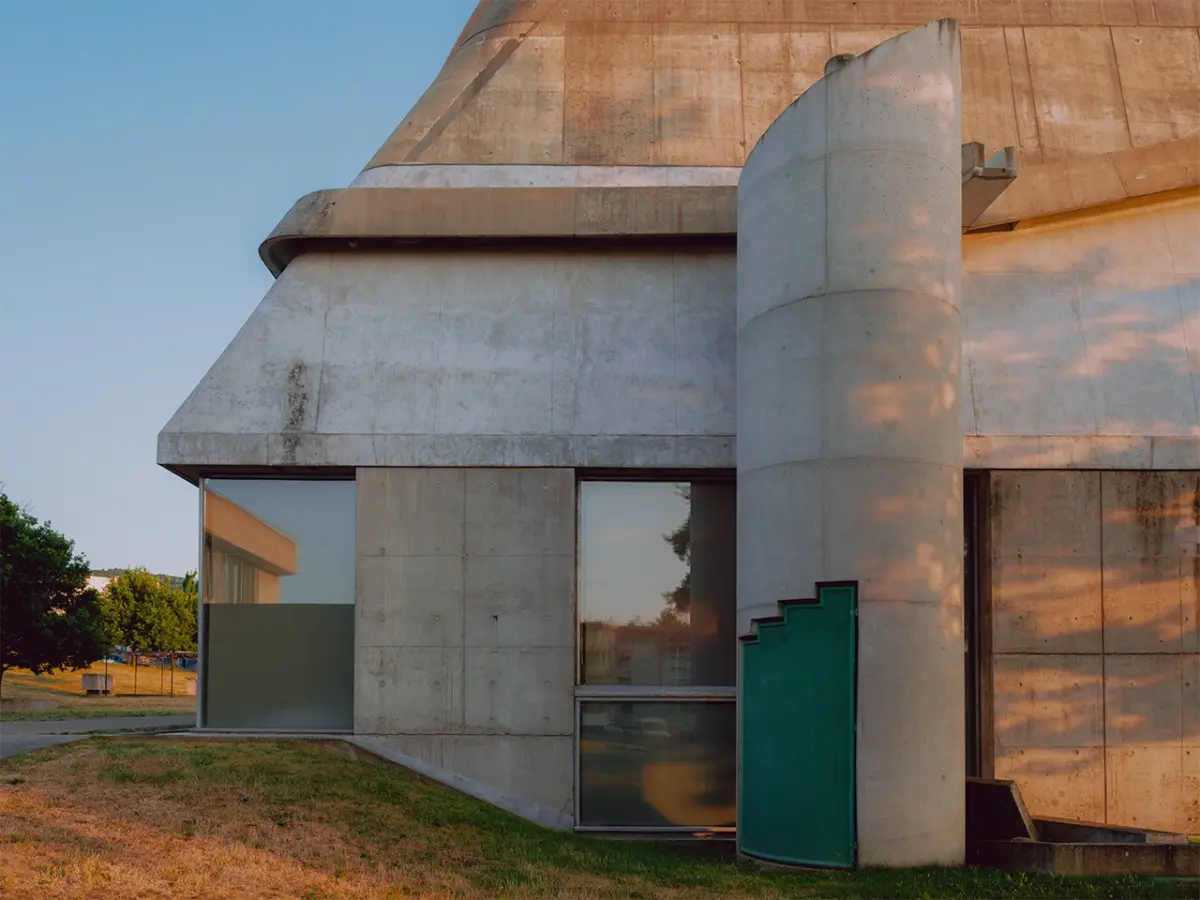
Moving from the geopolitical aspirations of the Middle East to the serene landscapes of European high culture, the publication also investigated how architecture can fundamentally influence and alter the artistic experience. This inquiry led the team to the prestigious Fondation Beyeler, located near Basel, Switzerland, which has been newly expanded with a striking set of three new structures designed by renowned architect Peter Zumthor.
In a conversation with Monocle contributor Blake Matich, Zumthor articulated a philosophy that stands in stark opposition to the increasingly cluttered, over-explained environments of contemporary cultural institutions. "Let’s not make museums too didactic," he told the publication. This guiding ethos manifests in a collection of buildings that deliberately prioritize the unmediated viewer experience above all else.
In Zumthor’s newly expanded spaces, visitors encounter a refreshing lack of artistic preamble. Elaborate introductory texts are stripped away, wall labels are kept intentionally spare, and individual artworks are strategically positioned so that visitors encounter them immediately, face-to-face. Furthermore, large, sweeping windows and abundant natural daylight place the galleries into a continuous, harmonious conversation with the surrounding Swiss landscape. For contemporary visitors weary of relentless screen time and information saturation, this thoughtful architectural approach offers a deeply welcome, restorative reaction.
Transforming Economies Through Municipal Patronage in Saint-Étienne
Beyond cultural institutions and historical capitals, the new directory sheds light on design’s formidable, proven ability to actively transform local economies. A prime example of this economic revitalization is on vivid display in Saint-Étienne, France, where the local municipality acts not merely as a local government, but as an active patron and dealmaker.
In a concerted bid to supercharge its post-industrial economy, the French city is offering affordable studio spaces directly to creatives, alongside targeted financial grants to local businesses that choose to hire designers. This proactive municipal intervention demonstrates how design policy can serve as a vital engine for urban regeneration and economic health.
In a similarly forward-thinking vein, the Brussels-based collective Rotor is hard at work building functioning circular economies by aggressively reviving the practice of material reuse. This sustainable approach was once the everyday norm across industries before mass industrialization made the purchase of brand-new, virgin materials cheaper than utilizing what already exists. Through meticulous deconstruction and creative repurposing, Rotor is proving that the future of design lies in honoring and clever adaptation of our existing material heritage.
Craft, Community, and Quality of Life
All of these diverse, global explorations are richly rounded out by intimate visits to vibrant, tight-knit communities across the globe, including stops in Kyoto, New York’s Red Hook neighborhood, and the historic artisan quarter of Oltrarno in Florence. In each of these distinct urban enclaves, local makers, traditional artisans, and high quality of life exist hand in hand, reinforcing each other in a virtuous cycle.
These dispatches serve as a timely, grounding reminder that human beings are not merely passive inhabitants of space; rather, we possess the agency to actively design the lives that we genuinely want to live. Across these pages, creative individuals are shown marching proudly to the beat of their own drum, proving that thoughtful design remains one of our most powerful tools for shaping meaningful human connection and cultural endurance.
For those seeking to dive deeper into these stories and explore further design coverage from the editorial team, Monocle on Design continues to broadcast regular segments on Monocle Radio, complemented by the publication’s dedicated weekly design newsletter available directly through the official website.