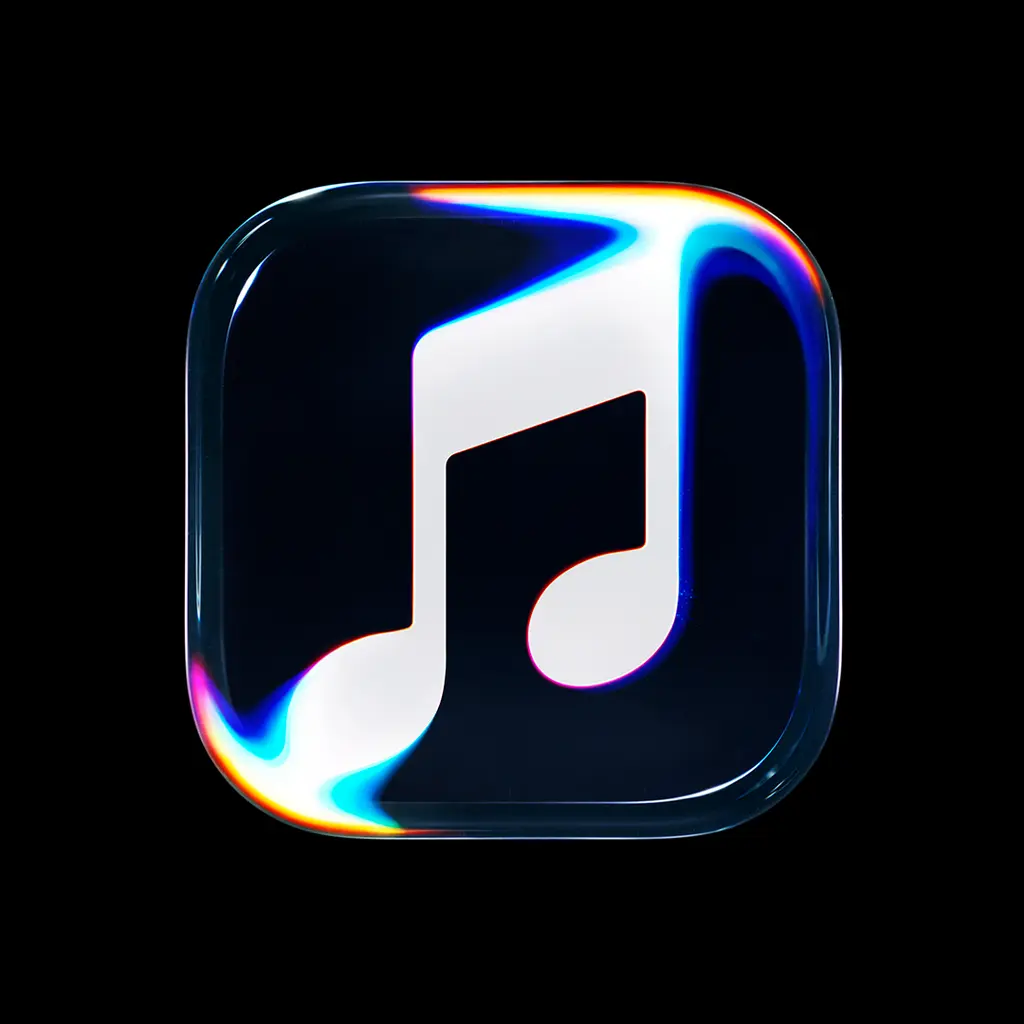
Apple Music is introducing a comprehensive brand refresh, anchored by a new wordmark, a custom sonic logo, and a dynamic rippling visual language designed to bridge the gap between sight and sound. The redesign is the result of a high-profile creative partnership between the internal Apple Music team, bespoke design agency TBWAMedia Arts Lab (MAL), renowned music producer Fred again.., and his collaborator Nest Acoustics.
The refreshed branding is set to debut across Apple Music’s original content and live event programming before rolling out more broadly to the platform’s marketing campaigns, product interfaces, and physical experiences.
To successfully represent a streaming platform as massive and diverse as Apple Music, the creative team faced a unique design challenge. The new look and sound needed to be universal enough to encompass every genre, artist, and corner of the globe, yet distinct and memorable enough to be instantly recognizable as Apple Music. Achieving that delicate balance required a months-long experimental process that relied heavily on mineral oil, custom-built acrylic props, and an abundance of liquid physics rather than purely digital rendering.
How Apple Music made its new branding by hand
When the Apple Music creative team first sat down to design the new visual and auditory identity, they shared a clear overarching ambition: they wanted the branding to look and feel as though it had been physically constructed out of actual music. In taking this approach, the team followed a philosophy similar to the broader company strategy used for Apple TV’s practical-effects-driven identity refresh in late 2025.
The core conceptual challenge was figuring out how to develop a signature sound that users could simultaneously visualize as a physical object. The answer to that puzzle ultimately turned out to be ripples.
To bring this concept to life, the production team engineered a custom hardware rig and specialized software designed to control a transducer, which is a specialized device capable of converting an electronic audio signal into physical vibrations. Once the rig was assembled, the transducer was used to pump a variety of musical frequencies and notes into a liquid bath. This kicked off an iterative, collaborative process between the musicians and engineers, who went back and forth testing different sounds and notes while closely observing how the liquid responded in real time.
These initial experimental tests quickly established a set of specific technical and aesthetic constraints for both the visual language and the sonic logo. The team discovered that playing too many notes, or relying on notes pitched too high, generated excessive and chaotic movement on the liquid’s surface, making the resulting image difficult to read. Establishing these physical boundaries provided the musicians with a core framework for arranging the final sonic logo, ensuring that the audio composition would translate cleanly into a visual medium.
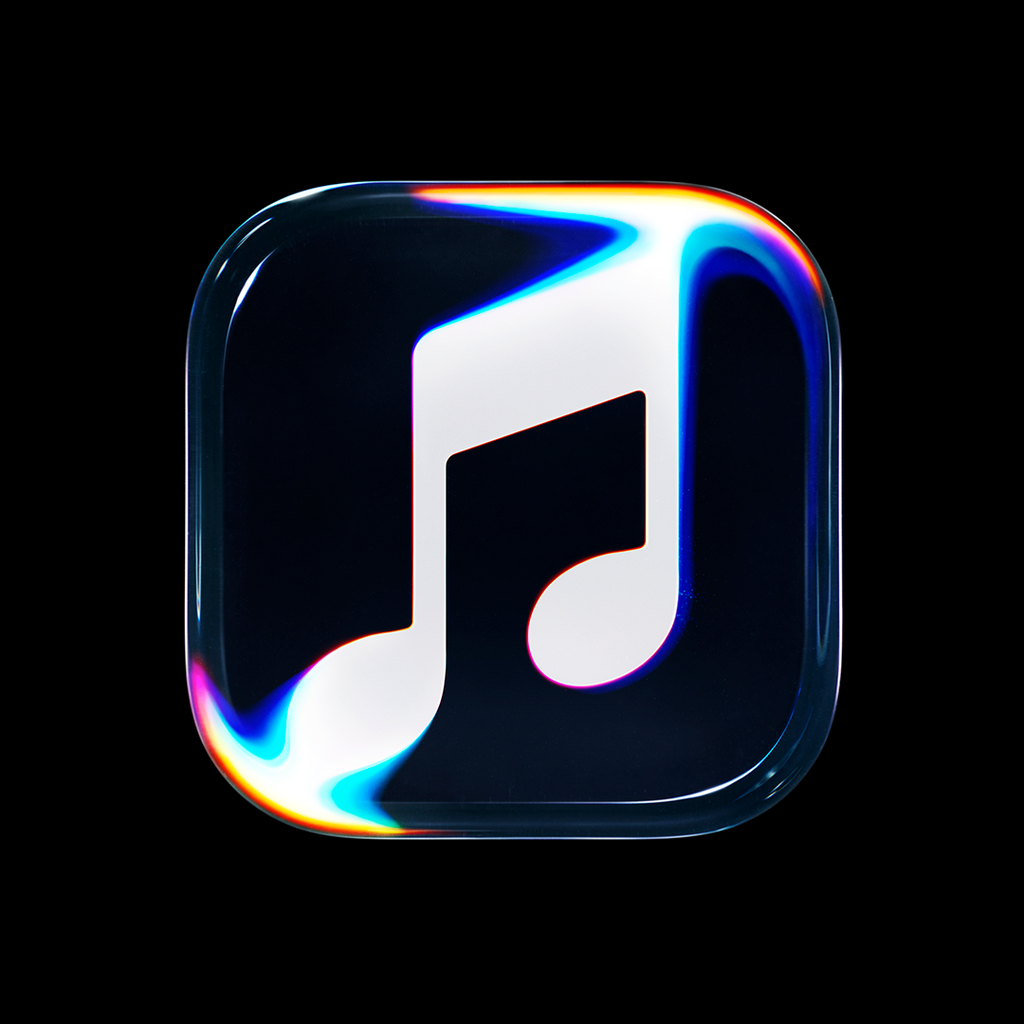
Once the final musical composition was locked in, the team transitioned from research and experimentation into practical application, working to convert the newly minted sonic logo into a cohesive visual ripple pattern. To achieve the desired optical effect, the transducer was placed into a specialized bath of mineral oil. Mineral oil was chosen specifically for its distinct viscosity, which successfully created the tactile impression of solid glass being rippled and shaped by waves of sound.
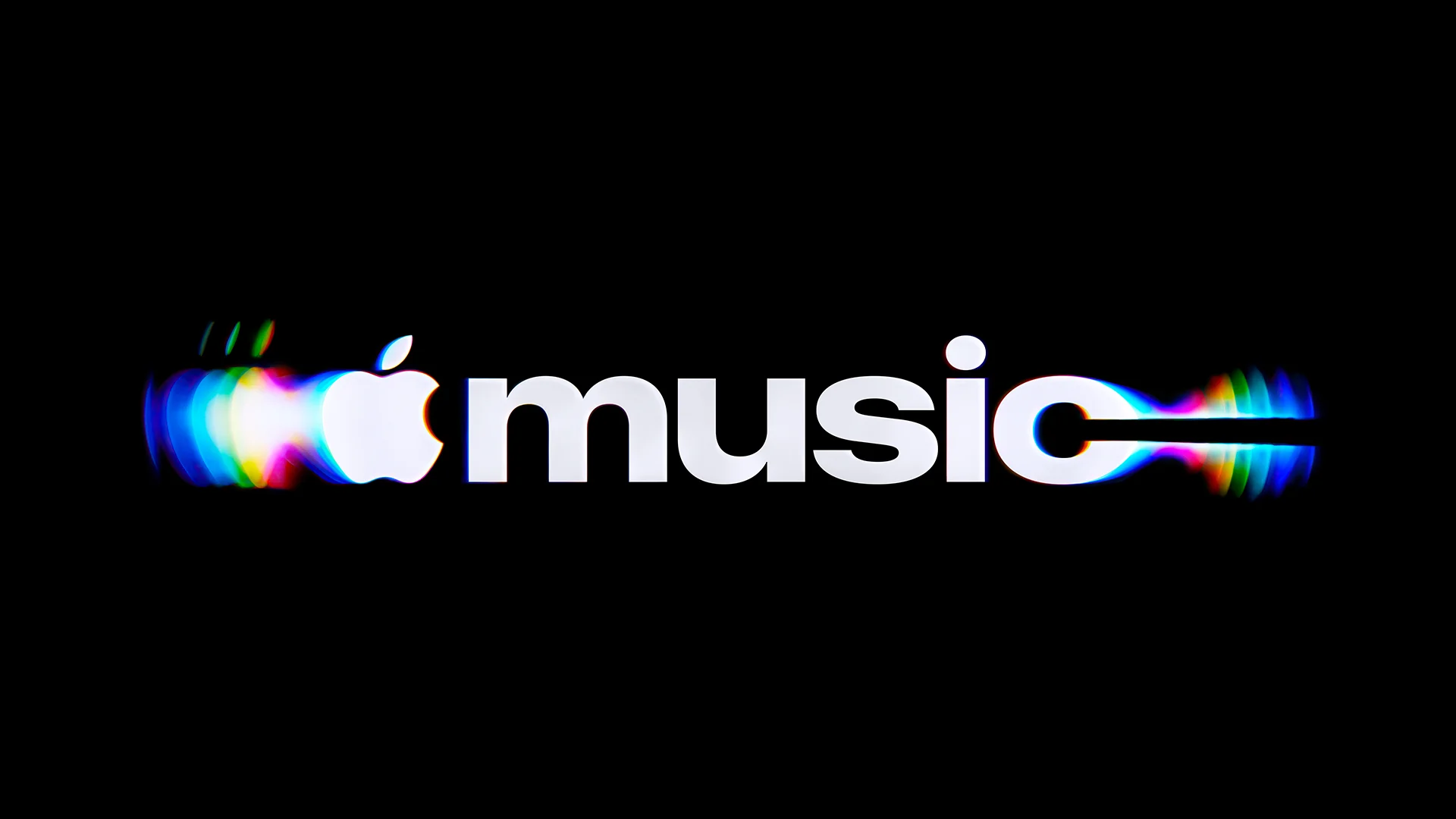
Inside this illuminated oil bath, the production team submerged custom-cut acrylic versions of Apple Music’s iconic note logo. Alongside the logo, the team showcased the platform’s updated wordmark. As a key component of the broader rebrand, the wordmark has been completely refreshed, featuring a custom, chunky rendition of SF Pro, Apple’s proprietary typeface.
By grounding its digital platform in tangible, physical elements, the new Apple Music brand identity merges the auditory and visual experiences into a singular, cohesive expression. As the rolling deployment continues across original content, live events, marketing channels, product interfaces, and global experiences, users will begin encountering the rich, fluid world of Apple Music’s newly reimagined sonic and visual landscape.