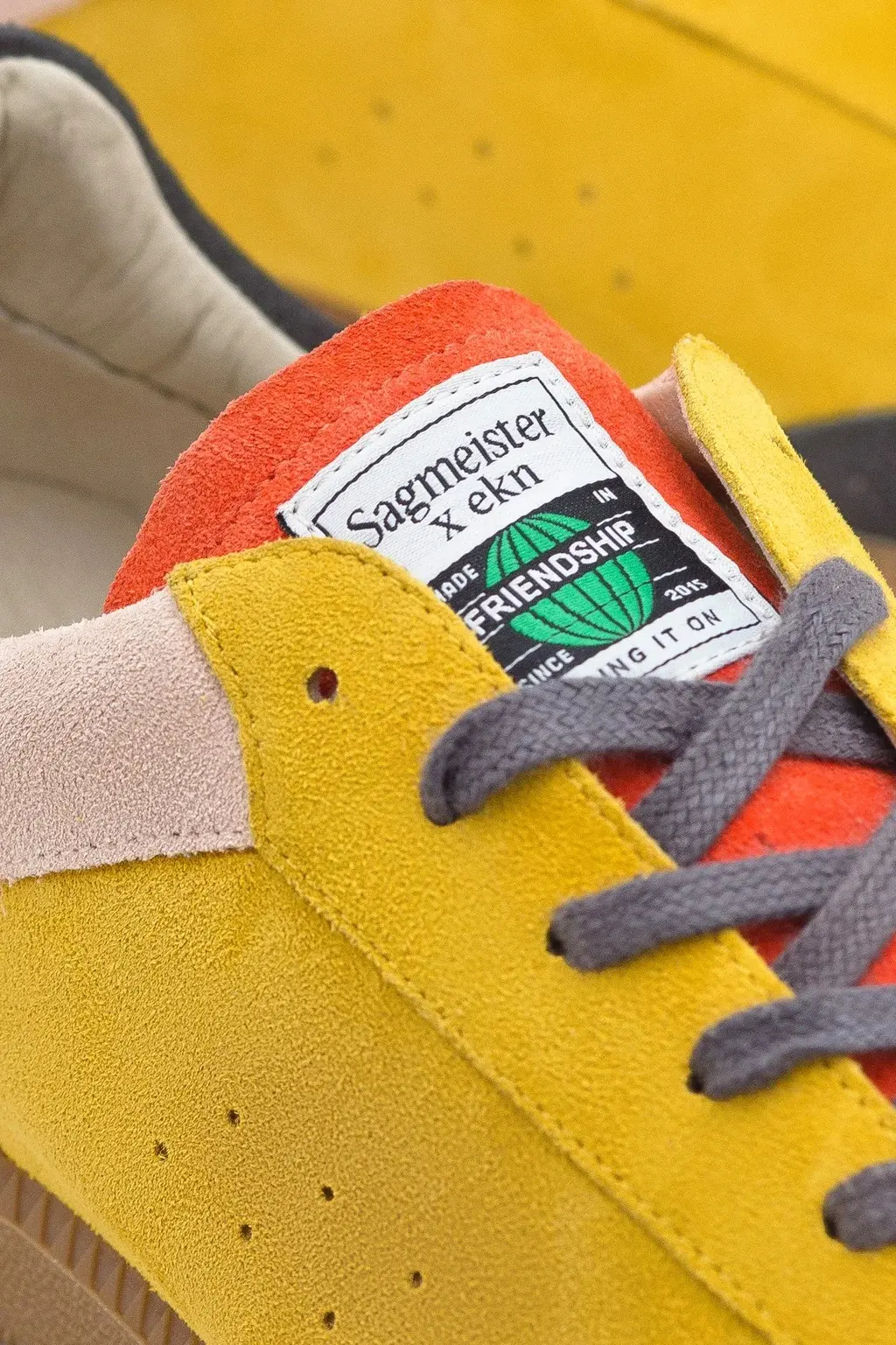
This innovative intersection of design, data, and apparel is currently on display through April 2027 at the Paris gallery Gaîté Lyrique, as part of Sagmeister’s exhibition titled Finally, Something Good. For this project, Sagmeister collaborated with Ekn, a progressive German footwear brand known for its conscious approach to manufacturing. The result is a pair of unique shoes—a sneaker and a boot—that do not merely serve as footwear or aesthetic objects, but function as physical canvases telling deep, systemic stories about the modern world.
Sagmeister explains that the overarching philosophy of the exhibition is to encourage observers to look at the world through a long-term lens, rather than getting trapped in the relentless, reactive cycle of the daily news. Instead of focusing on fleeting headlines, each shoe uses hard data to tell a profound story about humanity and systemic challenges. One shoe explores the state of renewable energy and global power transitions, while the other tackles the harrowing reality of urban homelessness across different nations. To ensure that viewers and wearers can fully decode the message behind the complex visual elements, the key to understanding what each shoe communicates is inscribed directly onto the footbed.
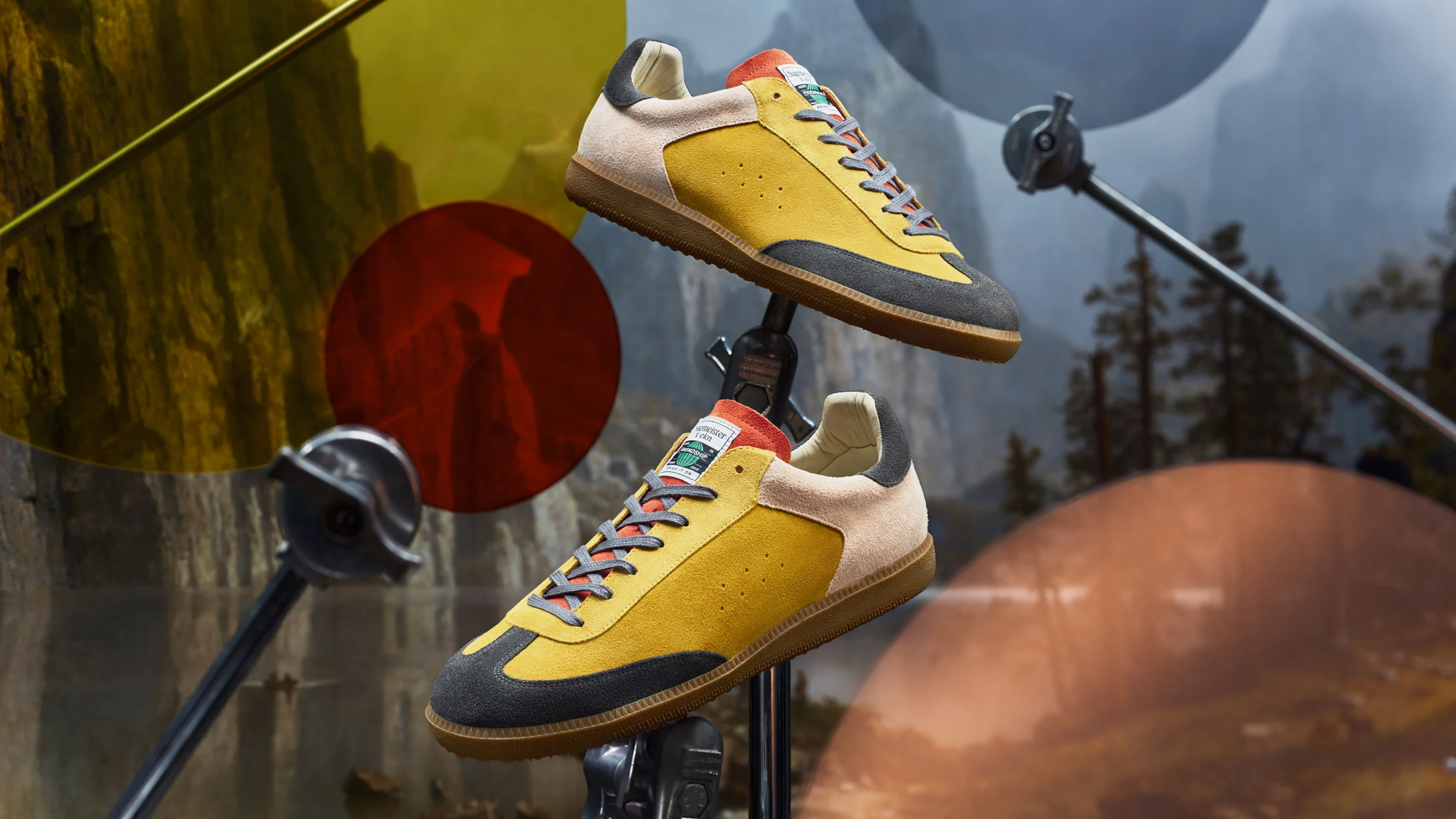
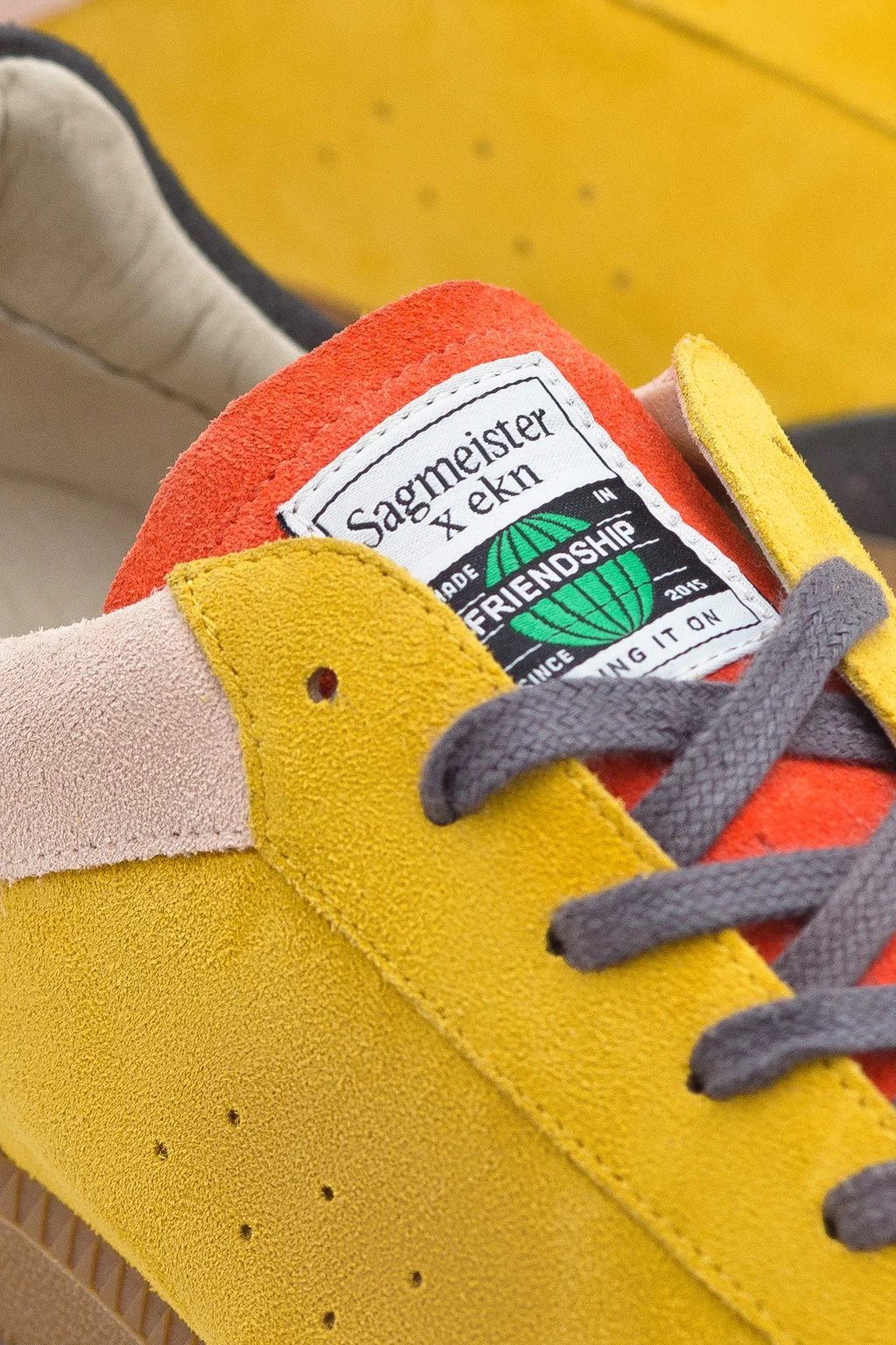
The first shoe, a multicolored sneaker named "Bring It On," focuses squarely on the global transition toward renewable electricity. To build the design, Sagmeister turned to empirical data from the Energy Institute’s 2024 Statistical Review of World Energy. He translated these statistical metrics into the physical architecture of the footwear, using the relative sizes of color-blocked leather panels on the sides of the shoe to represent different energy sources.
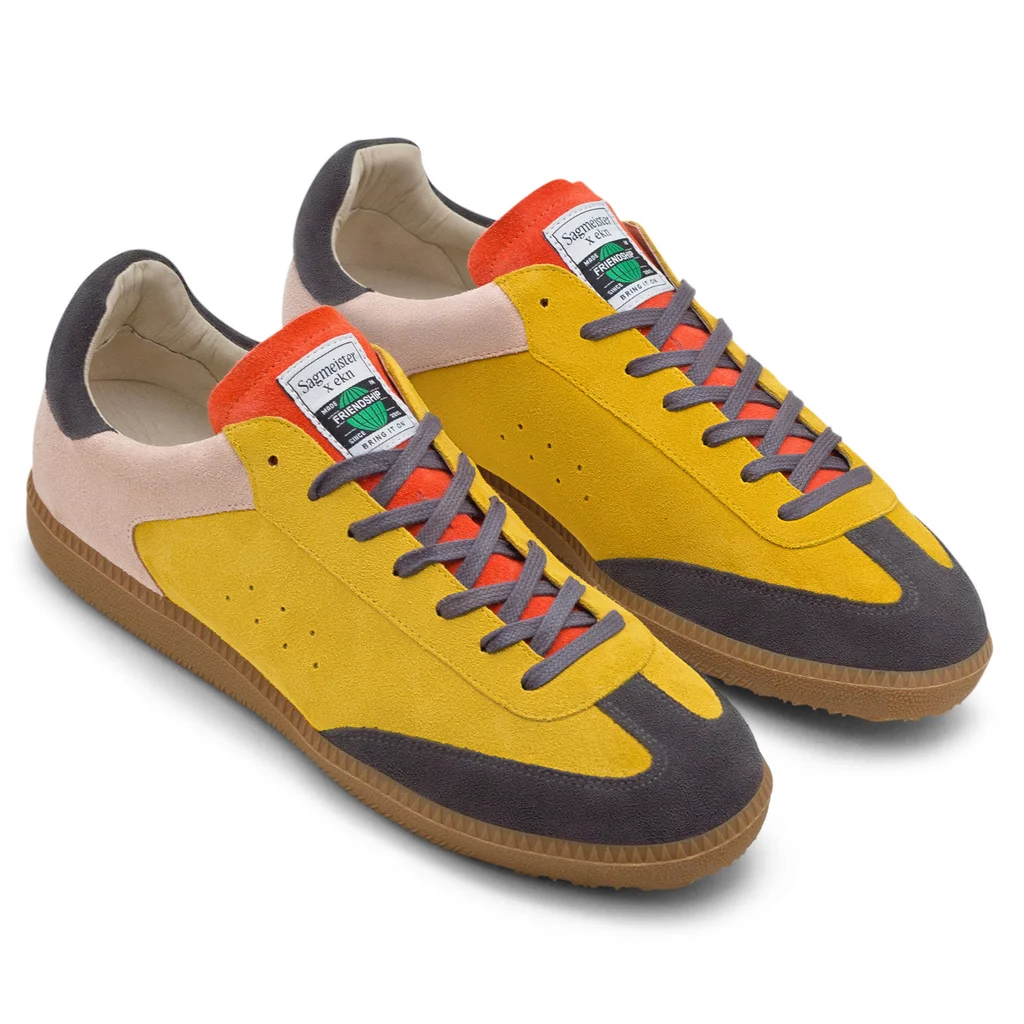
In this visual language, yellow takes up the largest portion of the shoe, representing hydropower. This is followed by a black panel representing wind energy, a pink panel representing solar power, and a red panel accounting for all other forms of renewable energy combined. The shoe stands not only as a piece of conceptual design but as a snapshot of a rapidly shifting global energy landscape.
Interestingly, the very nature of data is that it is constantly evolving, a reality that Sagmeister embraces with a touch of humor and philosophical acceptance. "Wonderfully, the shoe is already out of date," Sagmeister tells Fast Company. He points out that in the 2025 statistical figures, which were published during the summer, solar energy surpassed wind energy for the very first time on a global scale. As a result of this rapid progress, he notes with a smile, the pink panel on the sneaker should today be slightly larger than the black one, perfectly capturing the fast-paced evolution of the clean energy transition.
Sagmeister’s second footwear creation, a sturdy boot titled "Like a Complete Unknown," shifts the focus from environmental metrics to a deeply pressing social issue: homelessness. Rather than using color panels, the boot uses a series of circular appliqués of varying sizes to represent the relative homeless populations of six different countries. The physical area of each circular patch directly corresponds to the number of people living rough in streets and public spaces per 100,000 inhabitants, utilizing reliable data sourced from the OECD.
The visual impact of the boot is striking, immediately highlighting the stark disparities between nations. The largest circles on the footwear are assigned to the United States, standing at 76 people per 100,000 inhabitants, and Germany, coming in closely behind at 46. These are followed in descending order by the United Kingdom at 16, France at 8, Mexico at 5, and Japan at the lowest end of the monitored group with just 2 people per 100,000.
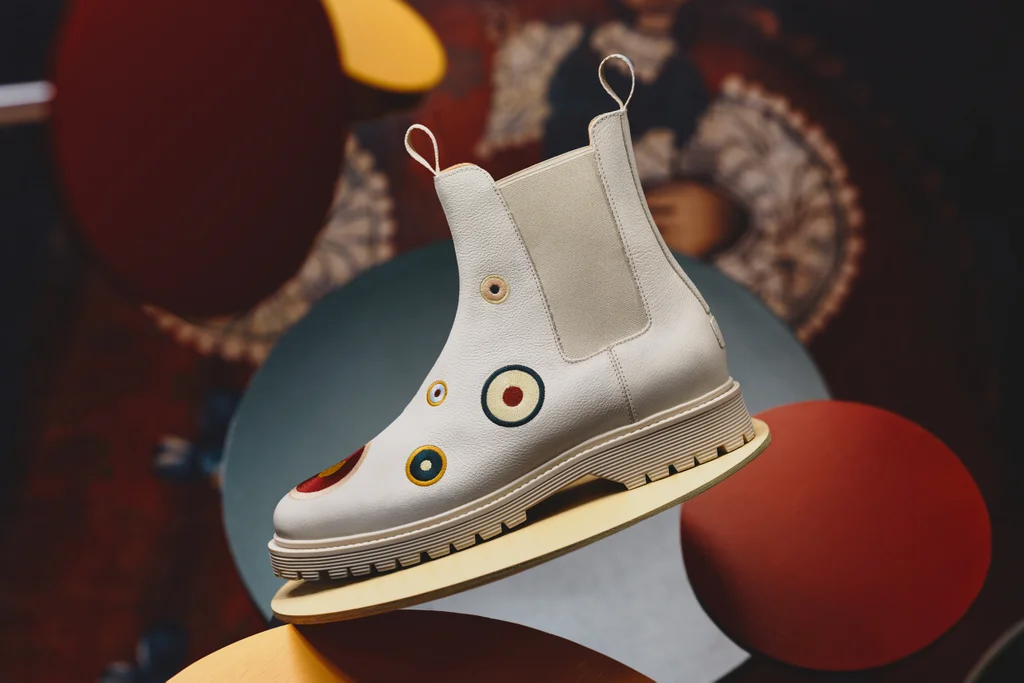
These numbers, while grounded in official data collection, carry a deeper layer of real-world context and complexity that Sagmeister acknowledges candidly. "Countries count differently, so the numbers are not perfect," he observes, pointing out the inherent challenges of international data harmonization when it comes to tracking transient or unhoused populations. However, he emphasizes that the massive statistical gulfs revealed by the data cannot be written off as mere administrative discrepancies. Pointing to the disparity between wealthy nations and developing ones, he notes that Mexico, a much poorer country according to standard economic metrics, reports a rate that is a fifteenth of the American rate. A gap of that magnitude, he argues, transcends simple counting differences and points to deeper structural realities.
Sagmeister brings a personal perspective to this particular topic, having previously volunteered for the Coalition for the Homeless, a prominent advocacy and direct-service organization. He reflects that what stayed with him most profoundly from that hands-on experience was not just the raw tragedy of people lacking shelter, but the perplexing question of why certain countries manage to handle the exact same societal problem so much better than others, while wealthier nations continue to struggle deeply. By weaving these questions into the design of a heavy-duty boot, Sagmeister succeeds in shifting a statistical abstraction into a visceral, wearable artifact that challenges people to look closer at the world around them.