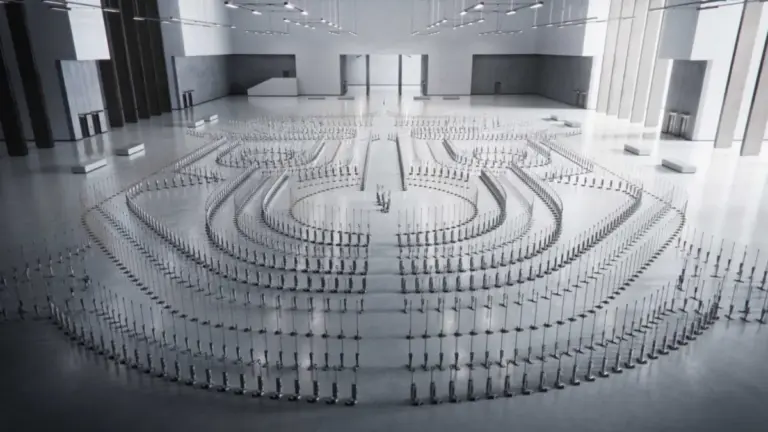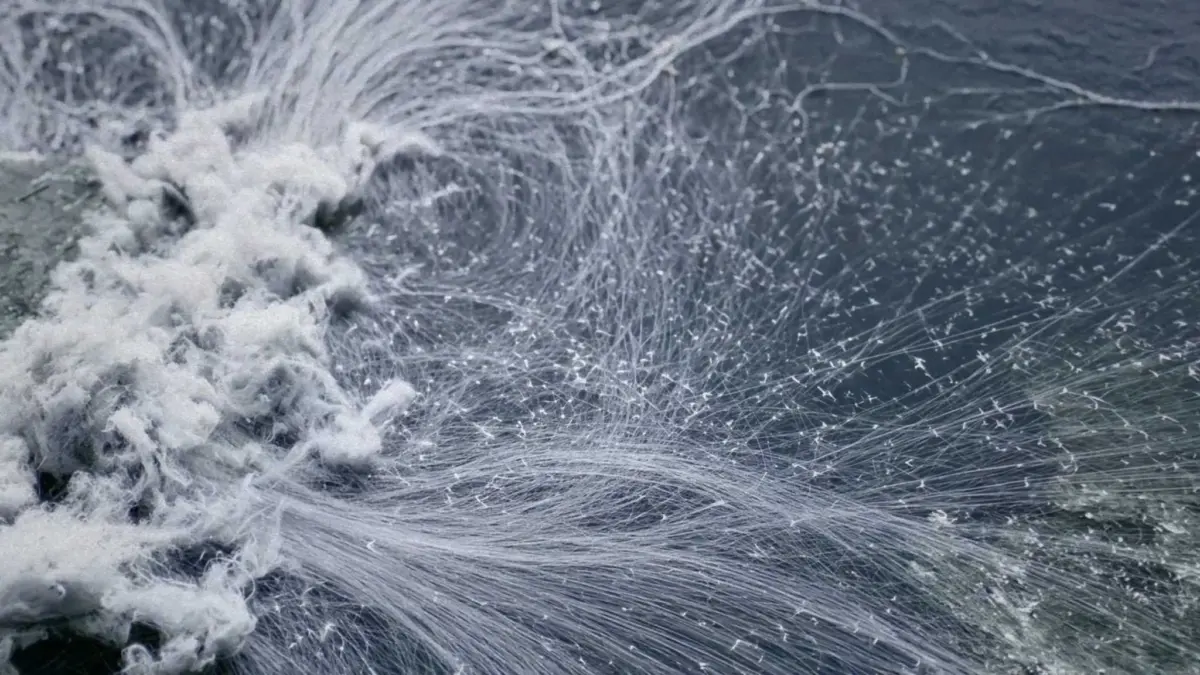
In an ambitious intersection of commercial design, interior architecture, and cutting-edge generative technology, production studio FRAME has released a striking brand film for the "Our Planet" carpet collection. The project is a collaboration between US architecture giant Gensler and renowned Danish flooring manufacturer Ege Carpets, designed specifically for modern office environments. To bring the conceptual foundations of the collection to life, FRAME co-founder Anders Schroder offered a detailed look into the studio’s sophisticated approach to integrating artificial intelligence into high-end commercial production.
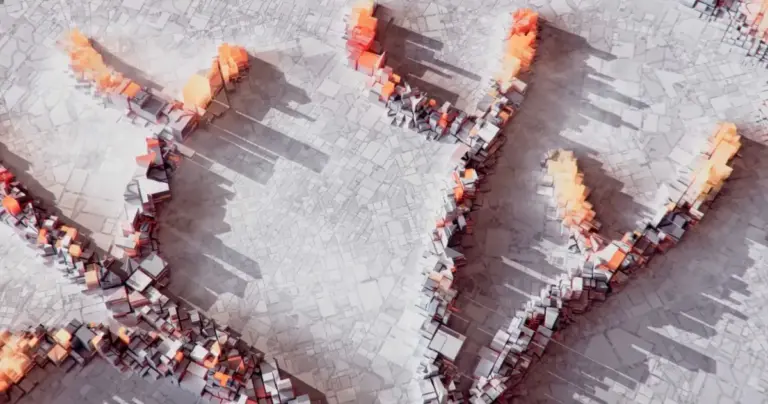
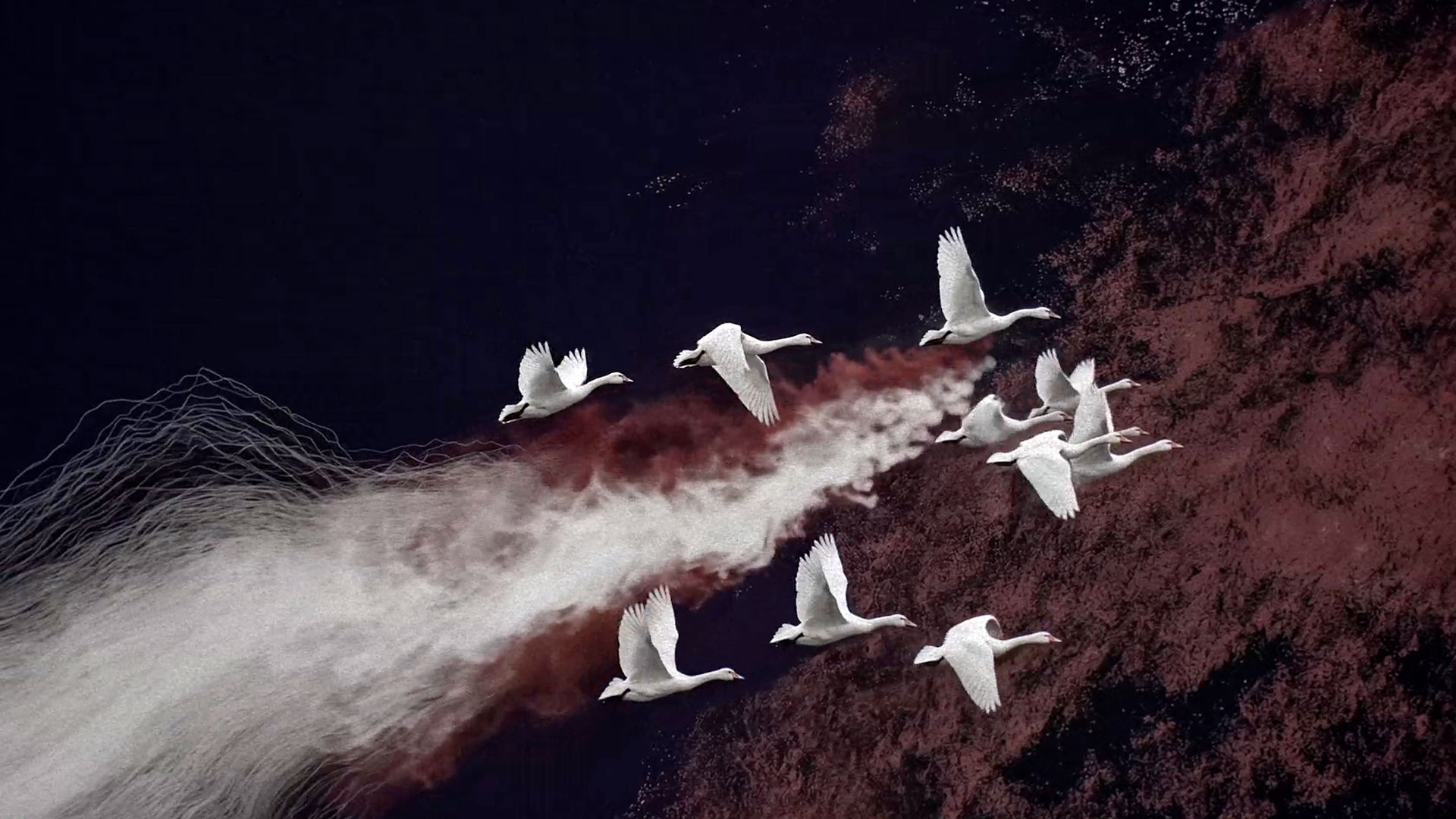
The "Our Planet" carpet series draws its visual inspiration from a blend of natural phenomena and man-made landscapes. The design patterns incorporate elements such as topographies, bird migration routes, and intricate agricultural irrigation fields. Ege Carpets approached FRAME with a specific vision: they wanted a brand film that captured the profound narrative of these earthly motifs without resorting to a literal, documentary-style interpretation.
Meeting this creative challenge required a distinct departure from traditional commercial pipelines. Everything within the film was directed and art-directed by the FRAME team. However, the creation of the images and subsequent animation relied on a diverse suite of generative AI tools. Rather than depending on a single platform, FRAME utilized a multi-model ecosystem that included Nano Banana, Flux, Midjourney, Kling, Seedance, and several others.
According to Schroder, the true differentiator for the studio’s work lies not in any single software application, but in their proprietary production pipeline and how they systematically chain these various models together. Most individual shots in the final film passed through several distinct AI models and specialized processes before reaching completion. Coming from a deeply rooted 3D animation background, the team at FRAME understood that structured process is everything. In traditional 3D workflows, getting from an initial idea to a final rendered result relies on a familiar, disciplined progression: style frames, animatics, editing, rendering, and final finishing. Schroder notes that while working with artificial intelligence calls for an entirely different kind of pipeline, it demands the exact same level of professional discipline.

One major advantage that AI production offers over conventional 3D workflows is early-stage visibility. In traditional 3D production, artists start from a completely blank digital canvas, and individual assets rarely look like much until very late in the pipeline. This traditional approach typically requires a significant degree of patience and trust from the client, who must wait weeks to see tangible results. With an AI-driven workflow, however, clients are able to see heavily realized visual directions very early in the process. Once the overarching art direction is locked down, the pipeline makes it remarkably easy to generate additional assets in the exact same aesthetic vein—a feature that commercial clients have enthusiastically embraced.
Despite the flexibility and speed of generative tools, maintaining creative oversight remains a constant challenge. Generative video and image models can often prove difficult to steer precisely. A massive portion of FRAME’s daily work on the project involved keeping the technology under tight control. Schroder estimates that the studio successfully controls around 95% of the final visual outcome, leaving the remaining 5% up to what he lightheartedly calls the "AI gods." During the animation stage, the team frequently pushed the underlying models to their absolute limits, occasionally steering the outputs with underlying 3D structures, sometimes guiding them with 2D elements, and at other times allowing the models to run autonomously.
Current generative technology still comes with inherent limitations. Chief among them is a certain degree of unavoidable randomness. A primary drawback noted by the director is the inability to reproduce the exact same camera movement or asset transformation consistently every time a minor tweak is introduced. While the studio has developed various technical workarounds to manage this, the limitation remains a factor in complex editorial timelines.
Yet, Schroder argues that this inherent randomness is not always a negative trait. From a director’s perspective, he finds the unpredictability of AI remarkably similar to collaborating with highly skilled human team members. A director can write a detailed brief and provide clear guidance, but they can never entirely predict what a human artist will bring back. Sometimes the returned work turns out better than initially expected, while other times it falls short, prompting the team to try again.
Furthermore, a director never has absolute, micro-managed control over people either—nor should they, because the ultimate goal of creative collaboration is to invite fresh, unexpected perspectives. Artificial intelligence functions in much the same way. It frequently interprets a creative brief in ways that human creators might not have anticipated, a quality that Schroder finds profoundly inspiring during the production cycle.
Unless an artist chooses to do every single task entirely by themselves, creative work invariably involves giving up a certain amount of control when collaborating with a team. With generative AI, creators give up a small fraction of that absolute control, but in return, they unlock camera angles, movements, visual looks, and conceptual ideas that they likely never would have conceived on their own. Ultimately, those ideas still originate from the human creator because they authored the brief and made the editorial decision of what to accept or reject. Piece by piece, the final product is constructed by a combination of many brains, spanning both human intellect and machine capability.
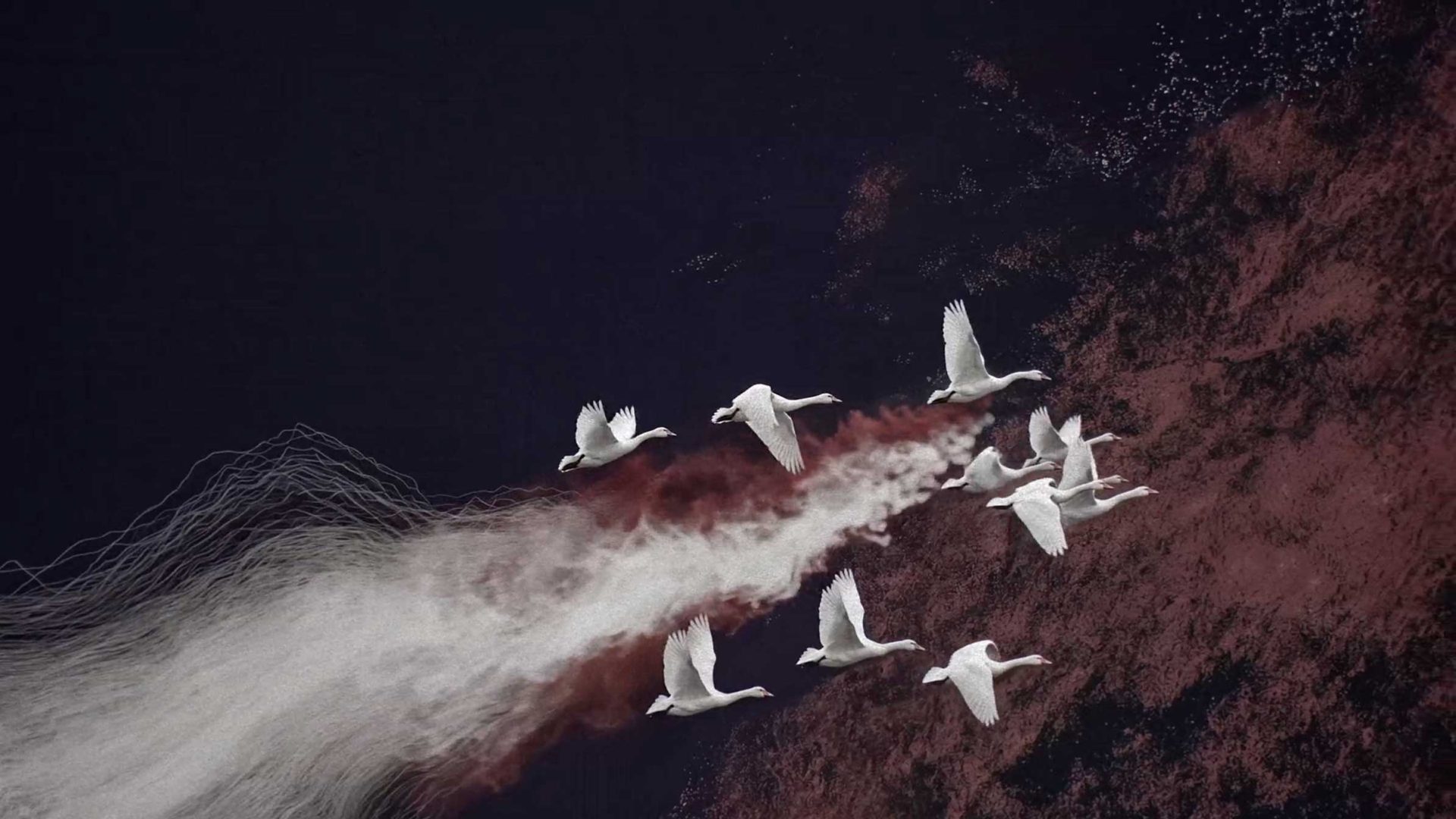
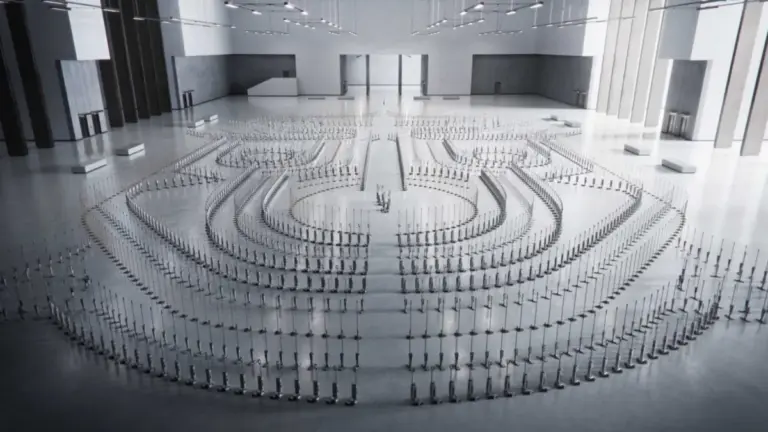
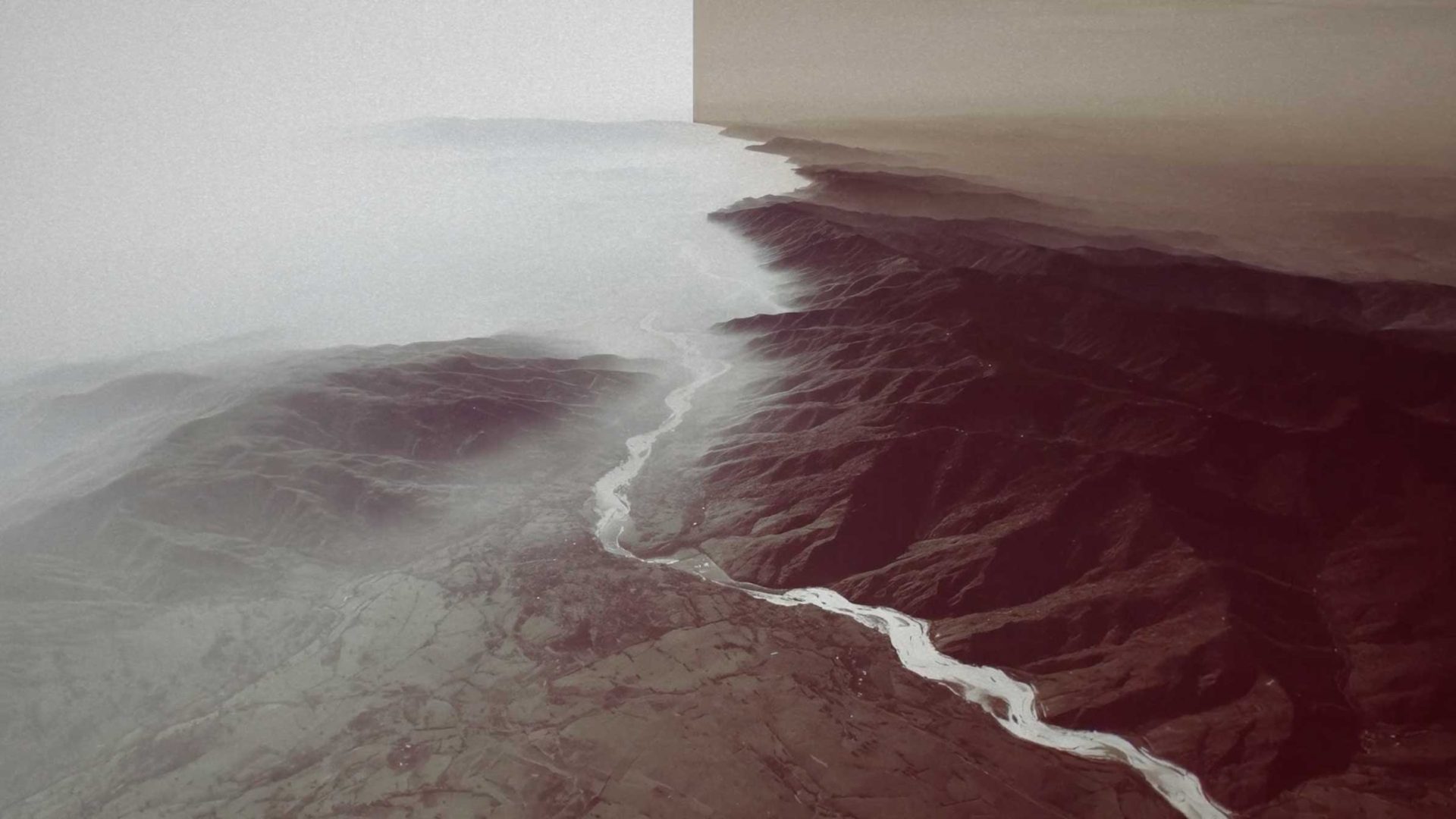
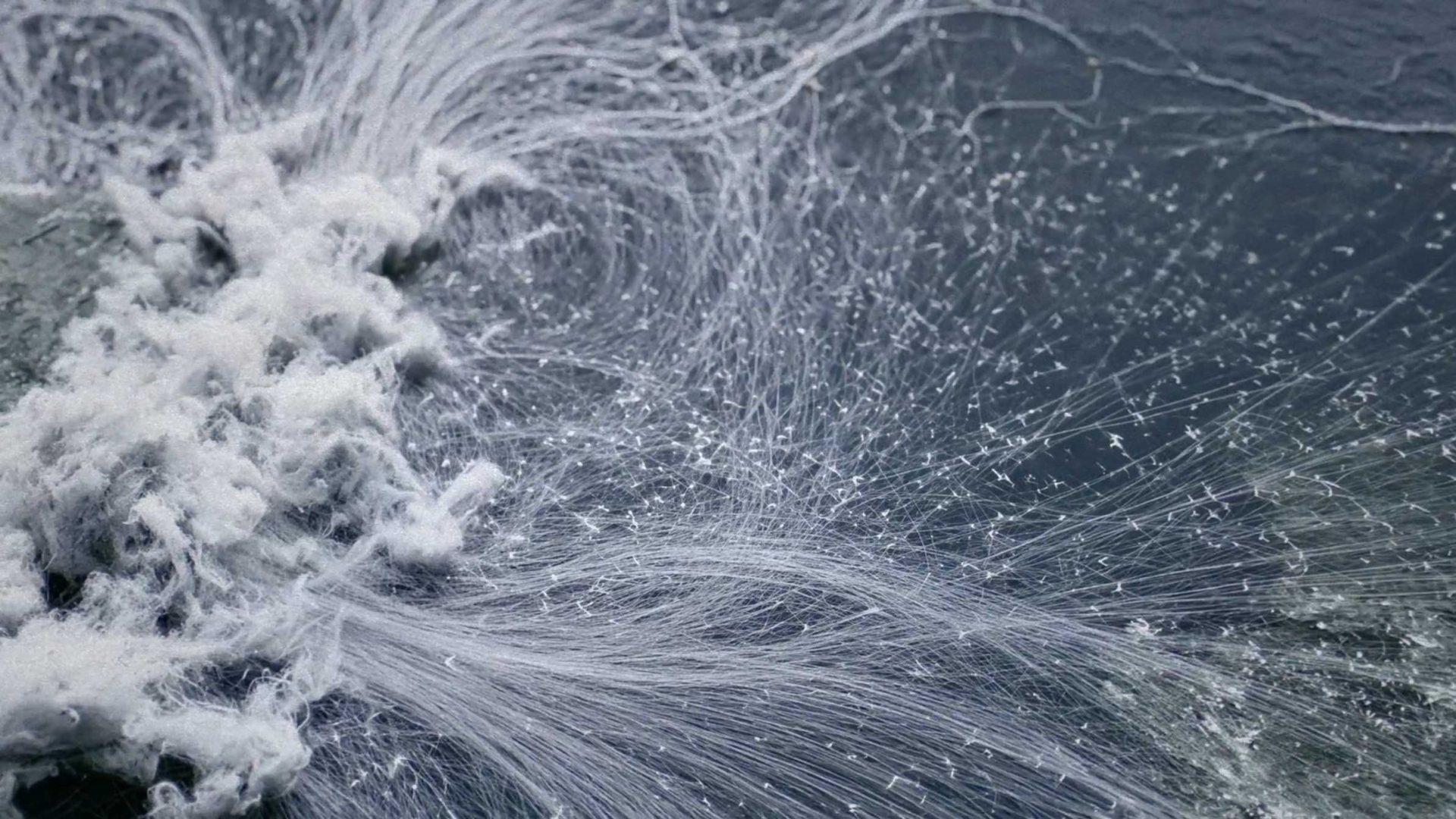
The resulting brand film showcases a seamless blend of natural and structural aesthetics, featuring stunning aerial perspectives of winding rivers, intricate tactile fibers resembling delicate threadwork or spiderwebs, flocks of birds moving through atmospheric mist, and sweeping mountainous terrain juxtaposed against geometric, gridded landscapes. The project credits list Ege Carpets as the client, with direction, production, and original music all handled in-house by FRAME.