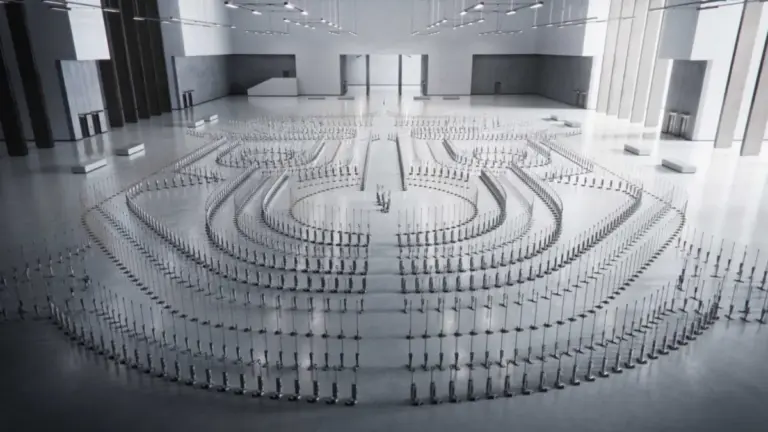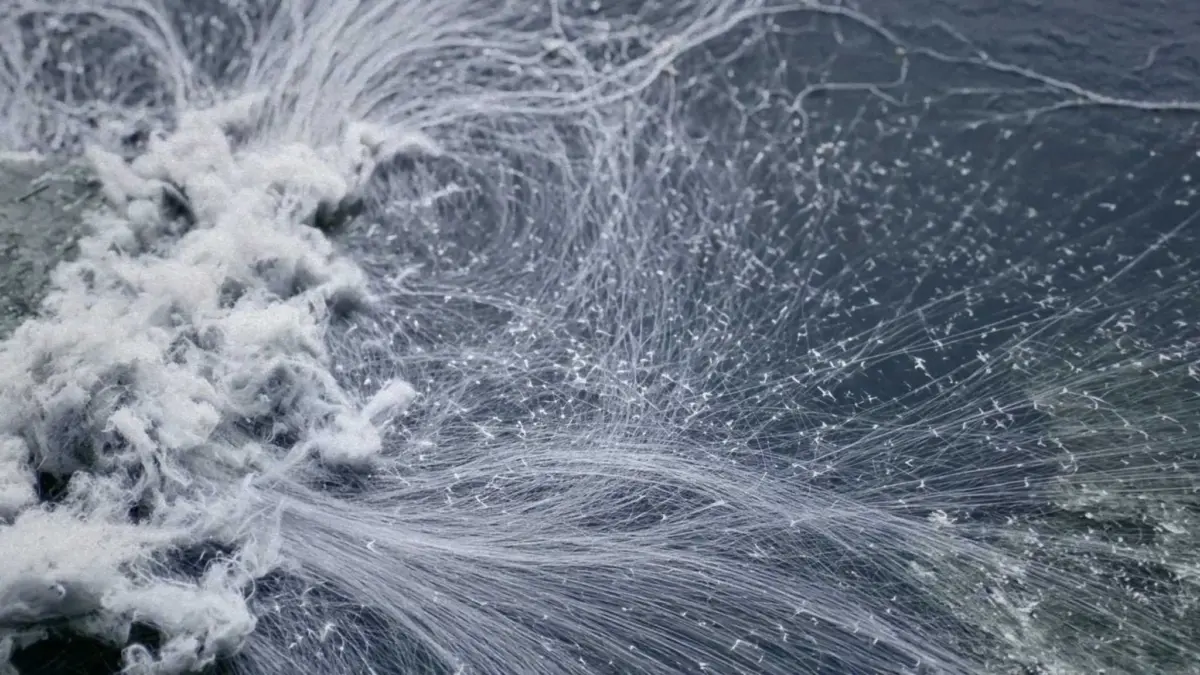
In an ambitious intersection of commercial design and advanced generative technology, production studio FRAME has unveiled a striking brand film for the "Our Planet" carpet collection. Created as a collaborative effort between global architecture giant Gensler and renowned Danish flooring manufacturer Ege Carpets, the project offers a compelling look at how artificial intelligence can be harnessed to execute high-end commercial design narratives for corporate office environments.
In a detailed overview of the production, FRAME co-founder Anders Schroder explained the conceptual roots of the project and the studio’s rigorous approach to integrating artificial intelligence into a professional design pipeline. Rather than relying on traditional physical shoots or standard 3D rendering workflows alone, the studio turned to a complex ecosystem of generative AI models to bring the carpet collection’s conceptual framework to life.
Translating Nature into Abstract Corporate Design
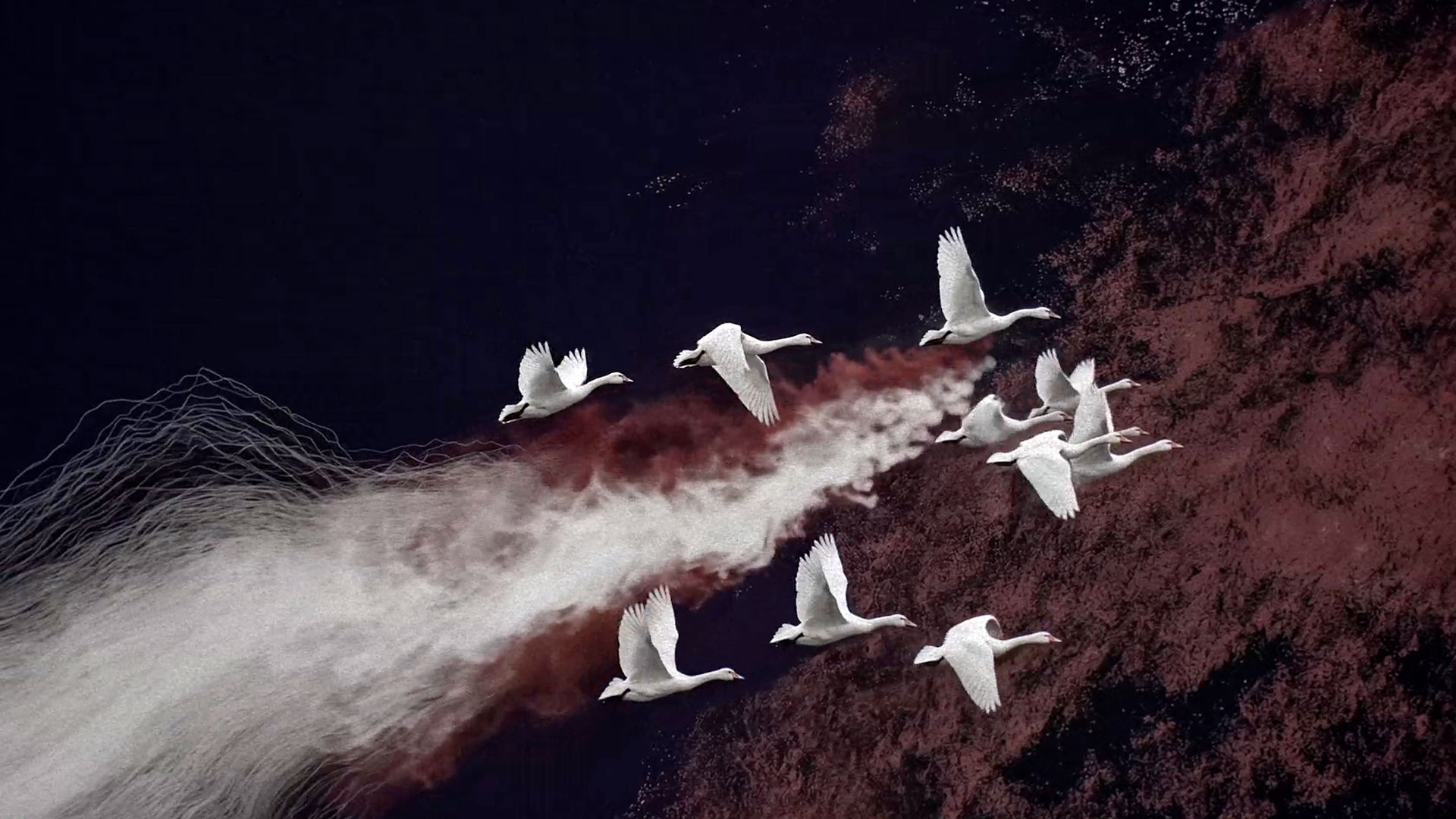
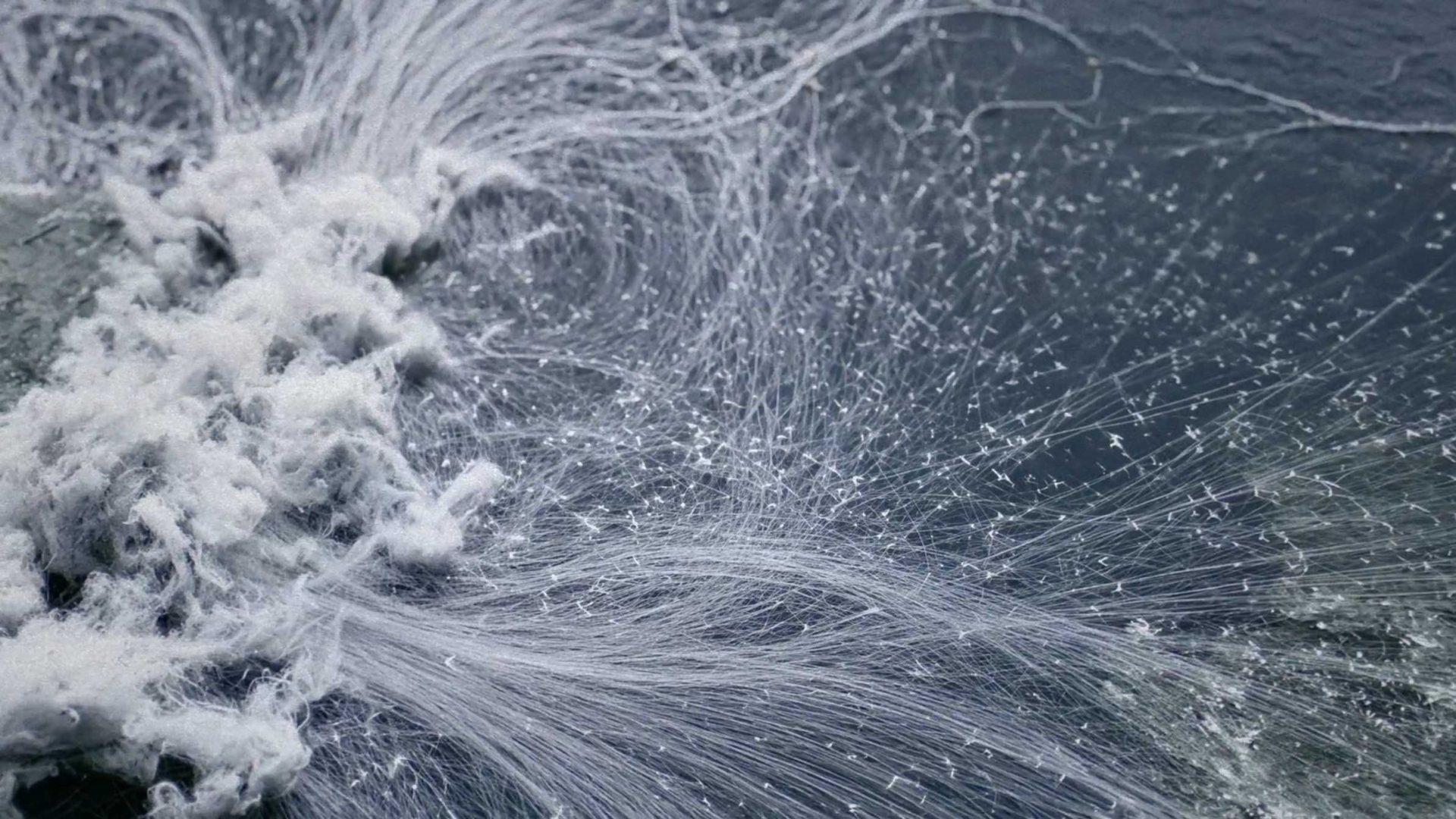
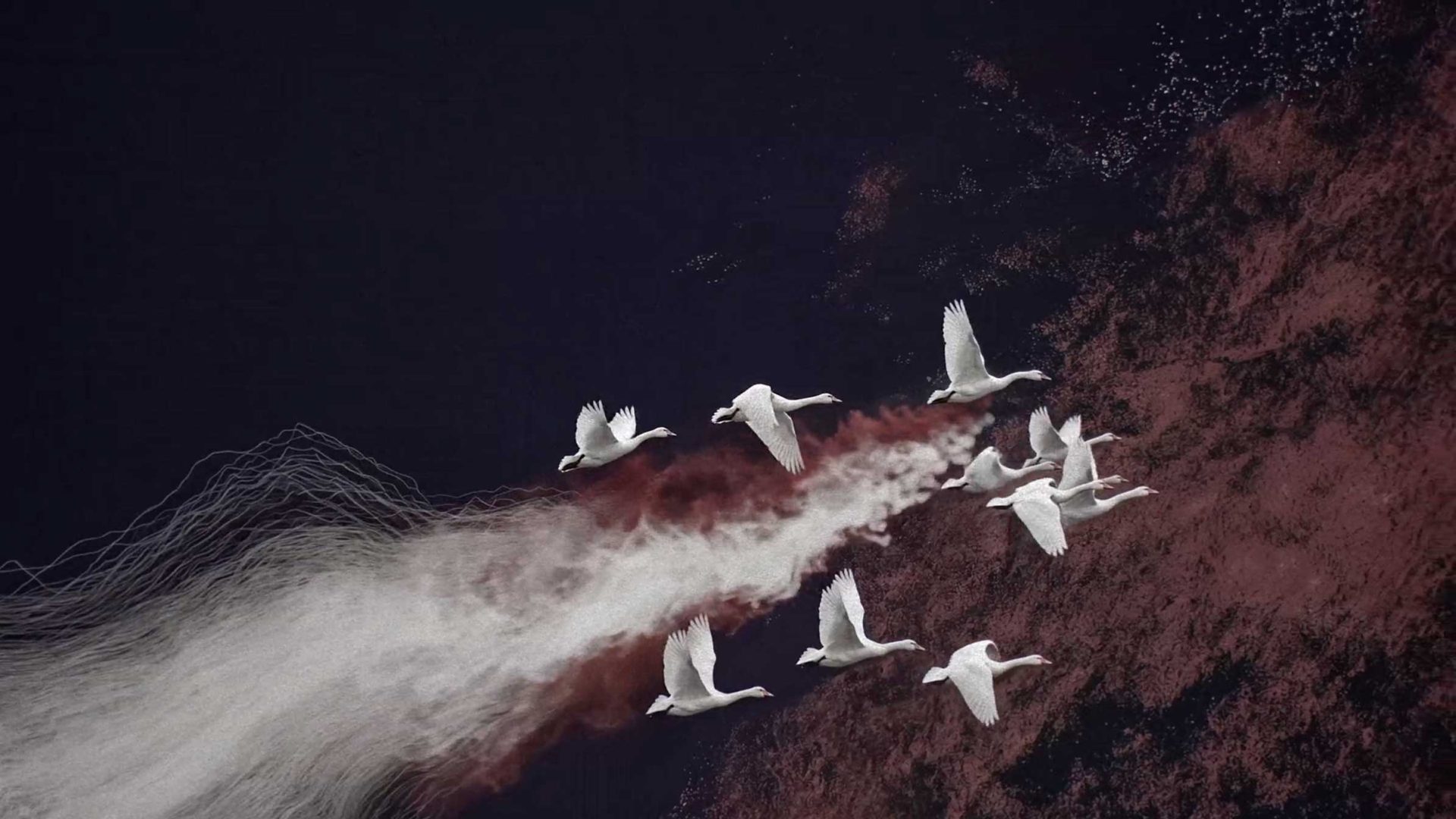
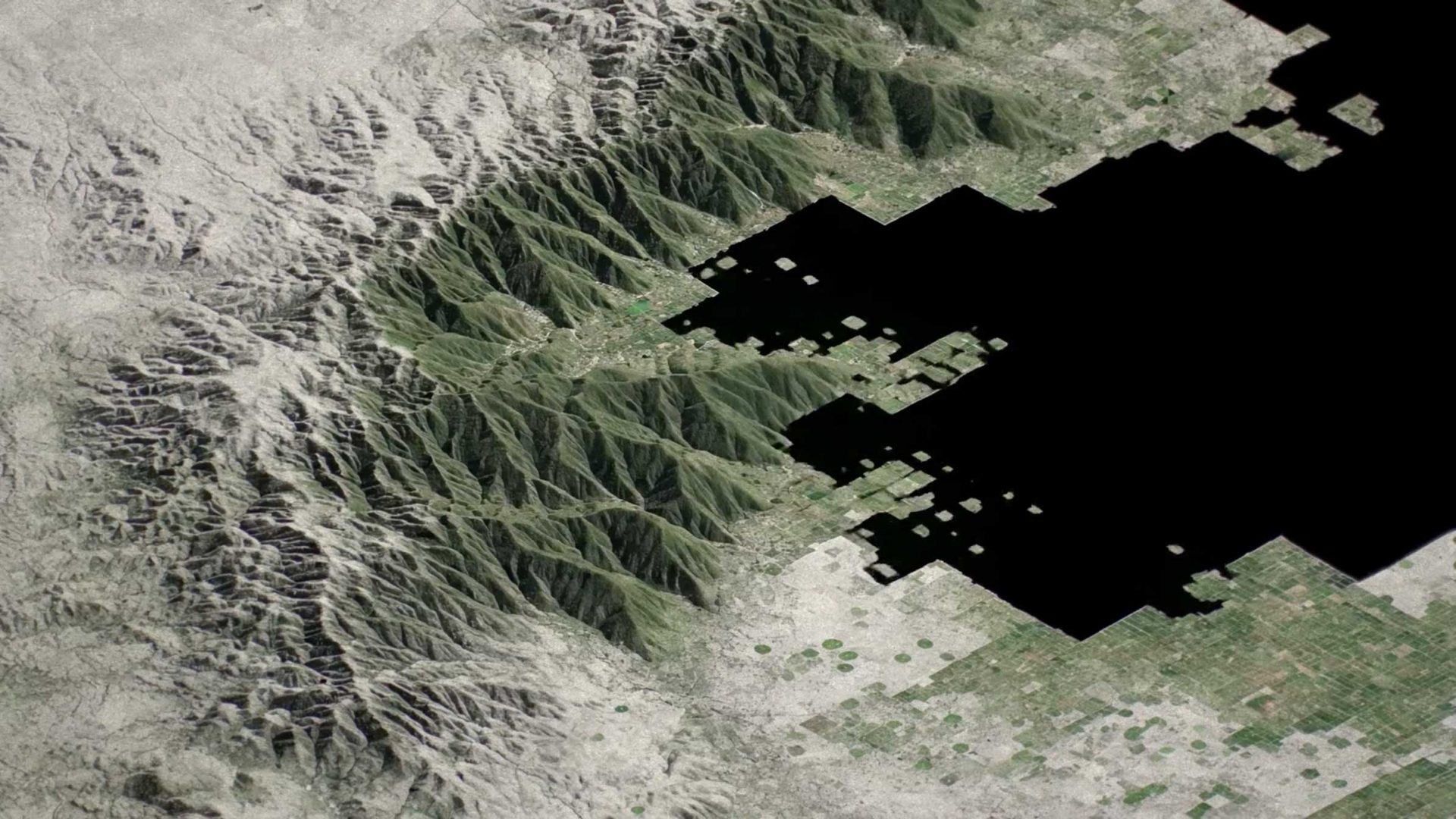
The "Our Planet" carpet series was specifically engineered for modern office environments, drawing heavy conceptual inspiration from both natural and man-made geographical landscapes. The design motifs encompass intricate patterns derived from terrestrial topography, seasonal bird migration routes, and geometric agricultural irrigation fields.
According to Schroder, Ege Carpets approached the studio with a distinct mandate: they wanted a brand film capable of communicating this rich, ecologically grounded narrative without resorting to literal or cliché representations of nature. The challenge lay in abstracting these vast environmental and architectural themes into a cohesive visual language that resonated with the high-end interior design market served by Gensler.

To meet this creative challenge, the entire film was directed and art-directed by the FRAME team. However, the generation of the film’s striking images and fluid animations relied heavily on a diverse suite of advanced AI tools. Rather than depending on a single platform, FRAME utilized a sophisticated multi-model workflow that included Nano Banana, Flux, Midjourney, Kling, and Seedance, among others.
Mastering the Generative Pipeline
What sets FRAME’s execution apart is their production pipeline and the deliberate manner in which they chain disparate AI models together. Schroder noted that the vast majority of individual shots within the film did not come from a single prompt or output. Instead, most shots passed through multiple models, iterative processes, and refinement stages before reaching their final polished state.

Drawing on the studio’s extensive background in traditional 3D graphics and animation, Schroder emphasized that professional discipline remains the cornerstone of successful computer-generated imagery, regardless of the underlying technology. In traditional 3D pipelines, artists transition through a well-established sequence of stages: style frames, animatics, rough edits, complex rendering, and final finishing. While artificial intelligence demands a fundamentally different technical pipeline, Schroder argues that it requires the exact same level of creative discipline and quality control.
One of the distinct advantages of incorporating AI into early client presentations, according to FRAME, is heightened visual visibility. In a traditional 3D production pipeline, projects often start from a completely blank canvas. Early deliverables rarely look like much until deep into the production schedule, which frequently requires a significant leap of faith and trust from the client.
With generative AI, however, clients are able to view fully realized visual concepts much earlier in the process. Once the core art direction is locked down with the client’s approval, the team finds it remarkably straightforward to generate additional assets in the exact same aesthetic vein—a capability that corporate clients have reportedly embraced with enthusiasm.
Navigating Control and Creative Randomness
Despite the efficiency and early visualization benefits of generative AI, working with these tools introduces unique challenges, particularly regarding precision and predictability. Schroder candidly admits that artificial intelligence can frequently prove difficult to steer, estimating that the studio maintains strict control over roughly 95 percent of the final visual outcome, while the remaining five percent is left up to what he playfully refers to as the "AI gods."
During the animation phase, the team frequently pushes generative models to their absolute technical limits. To maintain narrative and visual coherence, FRAME often guides the AI models using a hybrid approach—sometimes anchoring the output with underlying 3D structures, sometimes utilizing 2D guidance, and at other times allowing the models to operate with minimal structural intervention.
A primary technical limitation of current generative video models is the inherent lack of deterministic reproducibility. When minor tweaks or adjustments are requested later in the editing process, it is often impossible to recreate the exact same movement or nuance twice. While the studio has developed various internal workarounds to mitigate this issue, Schroder acknowledges that it remains a notable constraint within the technology’s current evolutionary stage.
At the same time, Schroder argues that this inherent randomness is not always a negative attribute for a director. In his view, collaborating with generative algorithms bears a striking resemblance to working with skilled human artists on a creative team. A director can provide a clear brief, but they can never completely predict what kind of creative interpretation will be returned. Sometimes the result exceeds initial expectations, while other times it falls short, necessitating another iteration.
This dynamic mirrors the reality of managing human creative teams, where full control is neither possible nor desirable because a director ultimately wants artists to bring their own independent creativity to the table. According to Schroder, AI operates in much the same way, frequently interpreting a creative brief in unexpected ways that can prove immensely inspiring during the production process.

A Collaboration of Human and Machine
Reflecting on the broader implications of generative technology in professional commercial production, Schroder offered a philosophical perspective on creative compromise. Unless an artist chooses to execute every single facet of a project entirely on their own, working with a team always requires relinquishing a degree of direct control.
When working with artificial intelligence, creators give up a small measure of deterministic control, but the trade-off yields unexpected camera angles, complex movements, fresh visual looks, and conceptual ideas that a single human mind might never have conceived alone. Ultimately, those ideas still originate from the human director through the initial conceptual brief and the editorial decisions of what to accept or discard. Piece by piece, the final work is constructed through a hybrid collaboration of many brains—both human and machine.

The completed project stands as a testament to FRAME’s innovative production methodology, translating the complex design philosophies of Gensler and Ege Carpets into a mesmerizing visual journey. The production was helmed entirely by FRAME, with the studio also handling the original musical composition that underscores the visual narrative.