Lebanon’s capital is home to a design scene that has built itself back up from the rubble, viewing its history as a source of creative inspiration rather than something to be erased.
Beirut certainly wasn’t built in a day, but it has repeatedly come close to being undone in one. First visiting the Lebanese capital just before the October protests in 2019, which marked the beginning of a prolonged and severe series of crises, observers have witnessed a city tested to its absolute limits. The catastrophic port blast of August 2020 delivered unprecedented devastation, leaving an open wound and an indelible mark on the city’s collective memory. Today, a new war continues to rage on its southern border, casting long shadows over daily existence. It is virtually impossible to write about Lebanon today without encountering politics and conflict; yet, what remains endlessly fascinating about Beirut is that it refuses to hide its scars. Instead, they are folded seamlessly into daily life and the very fabric of the city’s architectural and design scene.
Amidst these profound challenges, the city recently hosted the third edition of Interiors Lebanon alongside the 27th edition of Project Lebanon, a major industry fair dedicated to construction. While these prominent fairs offer a vital moment for the community to come together, exchange ideas, and chart a path forward, the true resilience of the city’s architecture and design community is fundamentally baked into its built works.
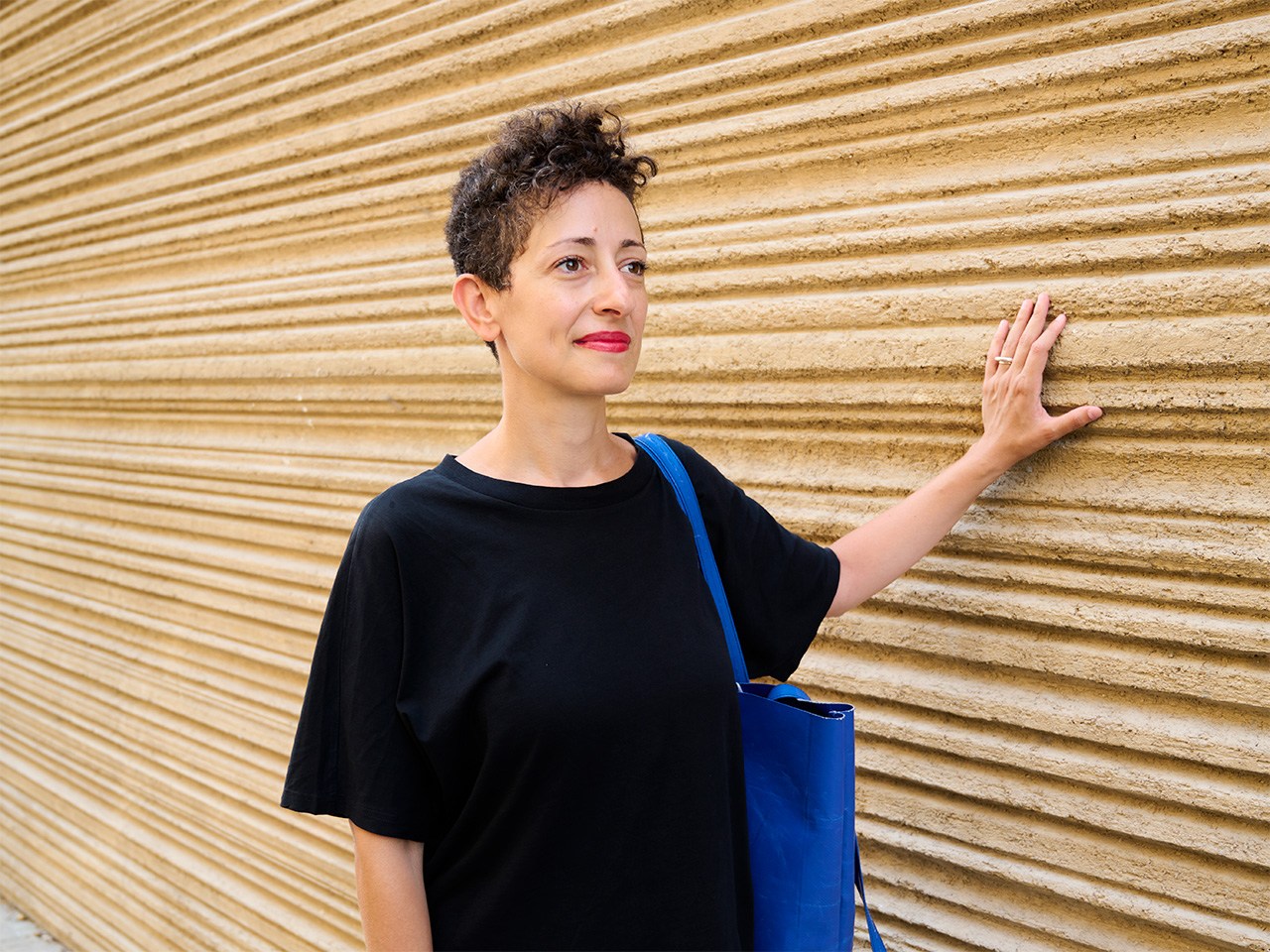
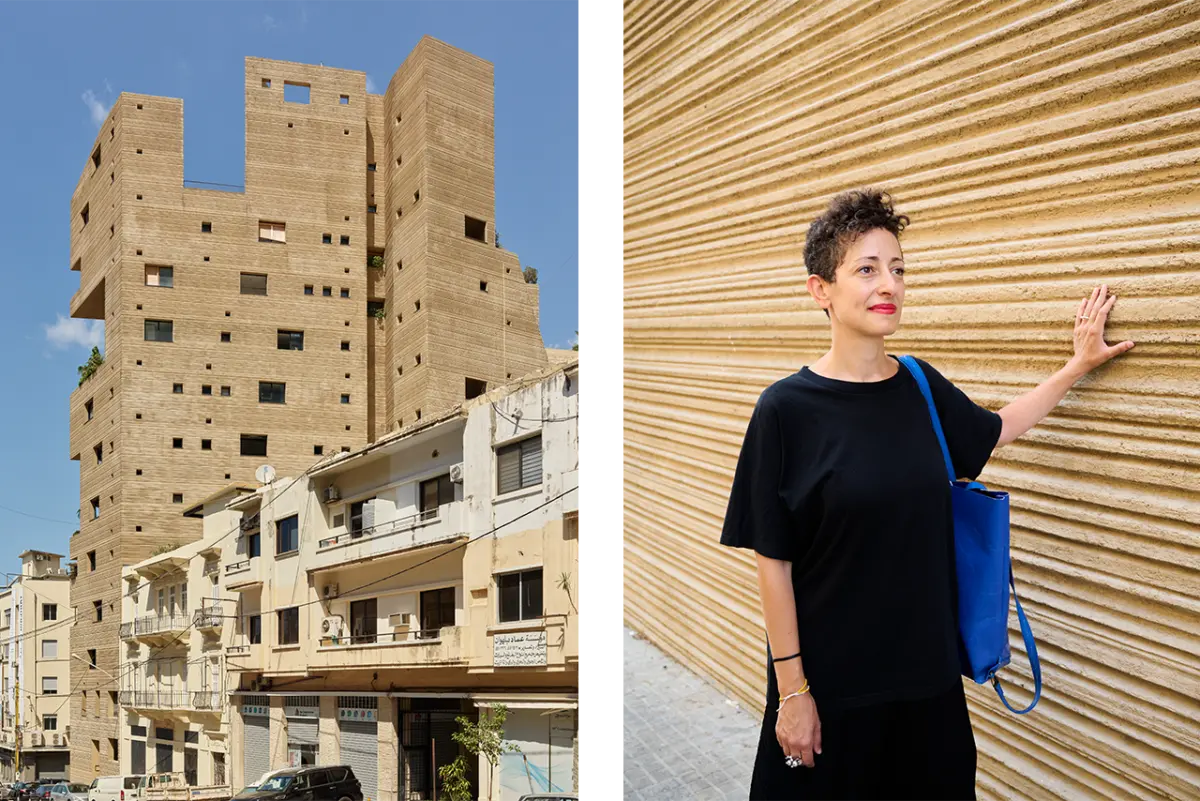
Consider, for instance, Lina Ghotmeh’s Stone Garden, a striking 13-storey residential and cultural tower in the heart of Beirut. Its deep, irregular openings deliberately echo bullet-pocked façades from the country’s turbulent past, transforming potential symbols of destruction into functional, planted balconies. By inviting nature inside, the design gives the building a profound sense of life rising directly out of memory.
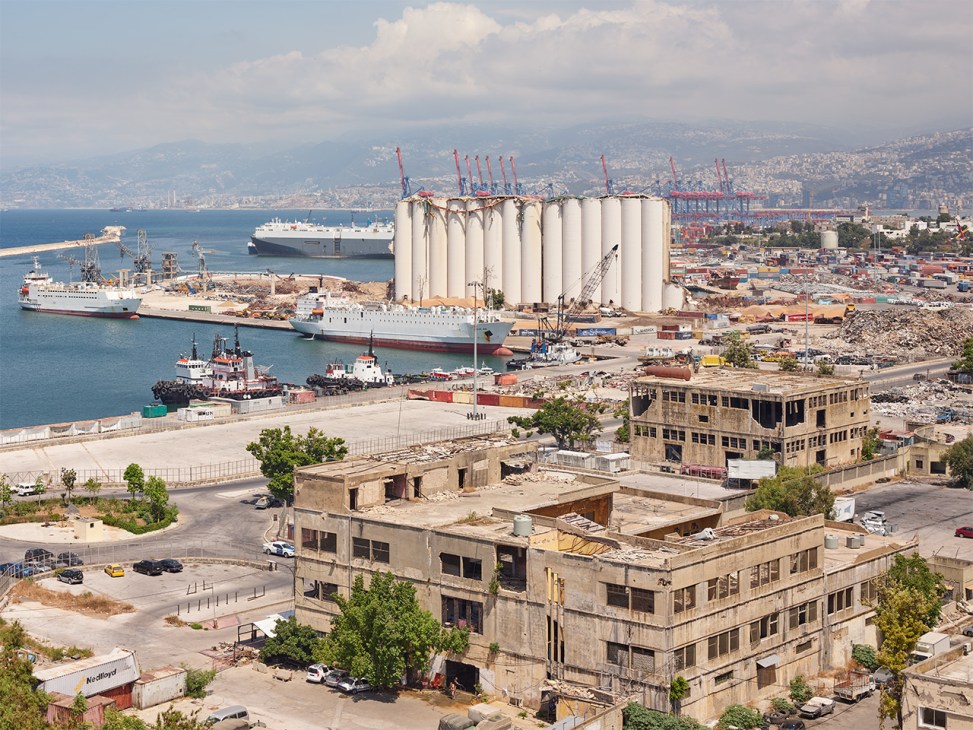
The historic Beit Beirut museum tells a similarly poignant story. Rather than opting for a clean slate, its bullet-riddled exterior façade still bears the physical scars, shrapnel marks, and shell damage of the Civil War. These elements have been carefully preserved rather than renovated, serving as a permanent, physical testament designed to keep collective memory alive for future generations. And then there are the monumental grain silos at the port, which were brutally gutted by the massive explosion in 2020. While their ultimate fate remains uncertain amid shifting political and economic currents, ordinary citizens have shown a fierce determination that these structures endure as stark, unyielding landmarks to carry the memory of the tragedy forward.
Movement, trade, and migration have always shaped this historic harbour city, stretching from its ancient origins as a vital centre of commerce in the Mediterranean to the massive waves of upheaval that followed successive rounds of destruction. For those citizens who were fortunate enough or forced to escape abroad during times of crisis, leaving was never about turning their backs on home. Instead, they sought safe harbours across the globe, establishing successful lives overseas while actively working to support those who stayed behind.
This dynamic has created a vast, influential international diaspora that carries an unwavering love for the cedar flag alongside a backpack full of hope for their homeland’s eventual recovery. The continuous flow of returnees, ideas, and investments from this global network has made Beirut a vibrant melting pot of cultures, histories, and forward-thinking design concepts, leaving a lasting international imprint on its architectural landscape.
Returning to the city during the summer months alongside a Lebanese partner reveals a place that is remarkably far from frozen by grief. The capital remains very much alive, pulsing with the exact same creative rhythm and resilient energy that first struck visitors years ago. Historic shops, neighbourhood restaurants, and classic hospitality landmarks, such as the iconic Hotel Albergo, have weathered every storm thrown their way, emerging through meticulous restoration efforts.
Immediately surrounding these restored landmarks, new creative spots have continually sprung up, buzzing with inventive energy and a clear, collective refusal to stand still. The sheer perseverance of the city’s recent design fairs serves as a powerful reminder that in a world with far too many fractured places and ongoing conflicts, scars do not have to represent final endings. Instead, they can serve as profound foundations for renewal, offering concrete proof that a brighter, more creative future can emerge even from the depths of devastation and giving everyone a compelling reason to keep looking ahead.