In a striking demonstration of how artificial intelligence is reshaping high-end commercial design and production, studio FRAME has released a visually captivating brand film for the "Our Planet" carpet collection. The project is a collaboration between US architecture giant Gensler and Danish textile manufacturer Ege, conceived specifically for modern office environments. To bring the conceptual vision of the carpet series to life, FRAME co-founder Anders Schroder adopted a meticulous, multi-model AI pipeline that balances cutting-edge technological experimentation with traditional design discipline.
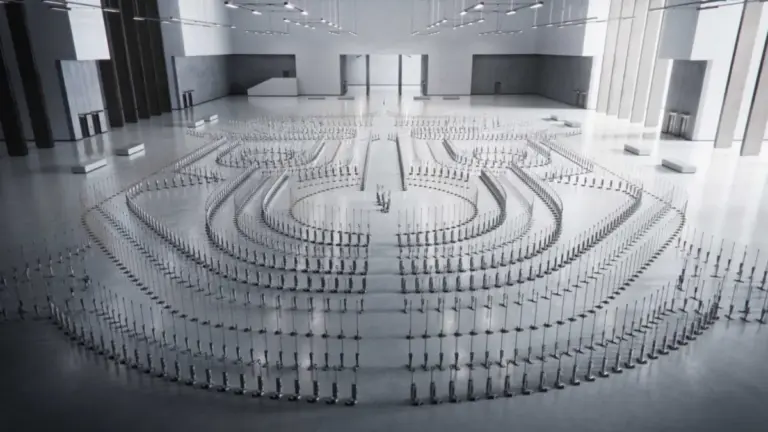
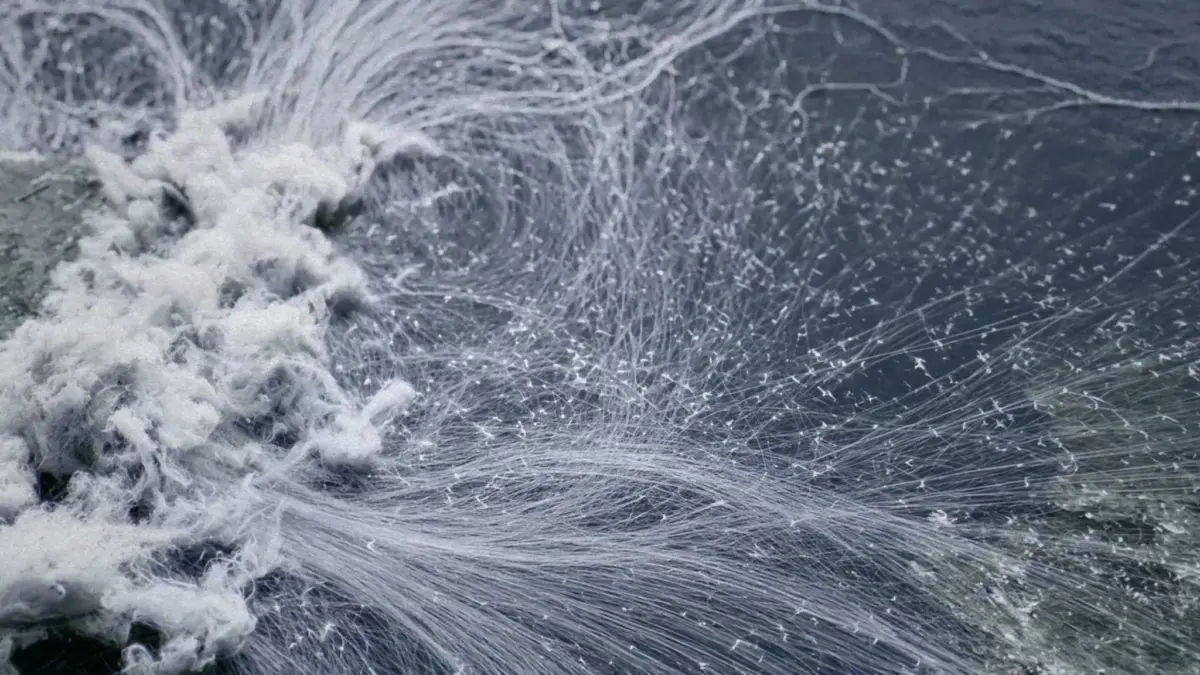
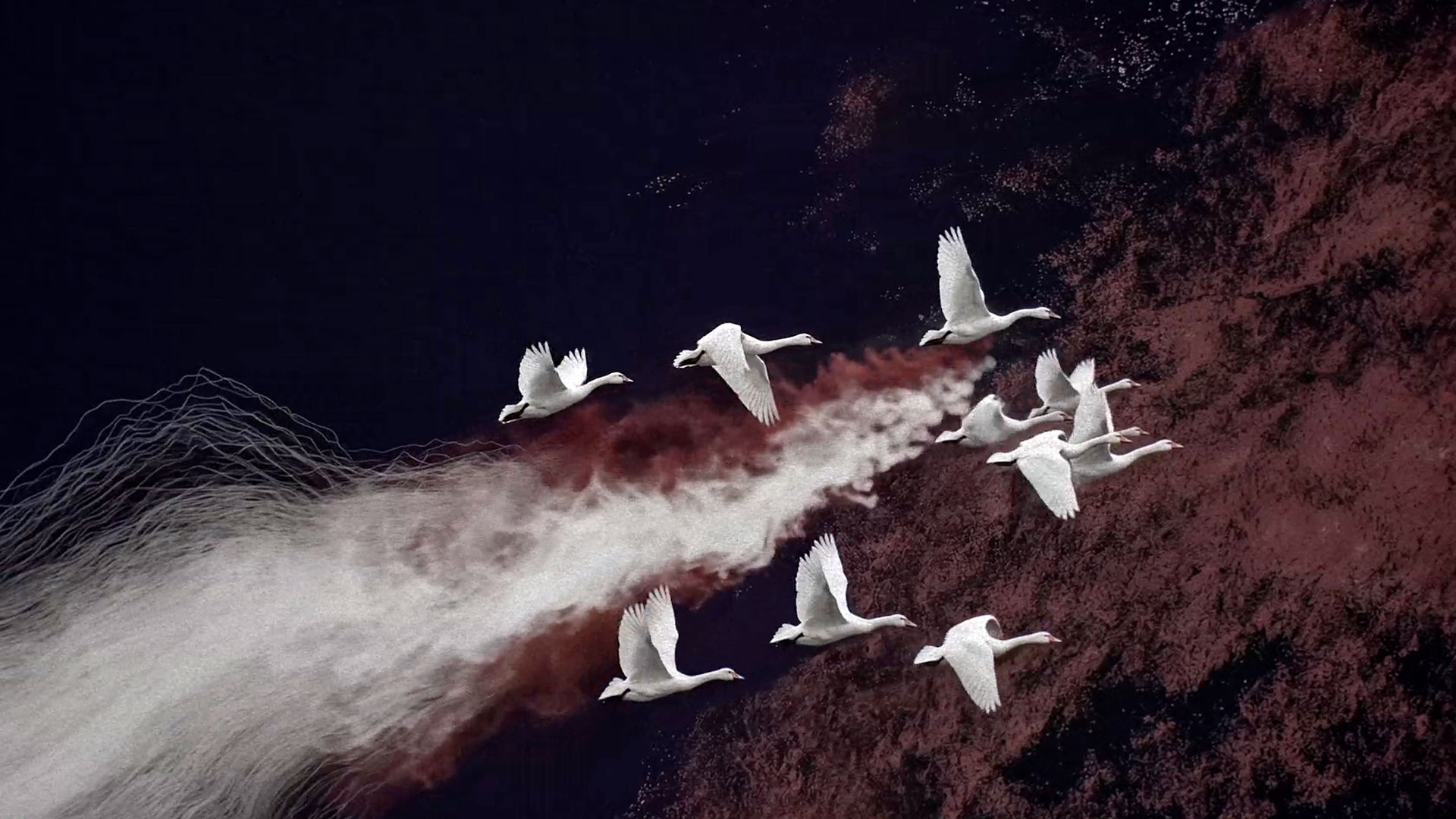
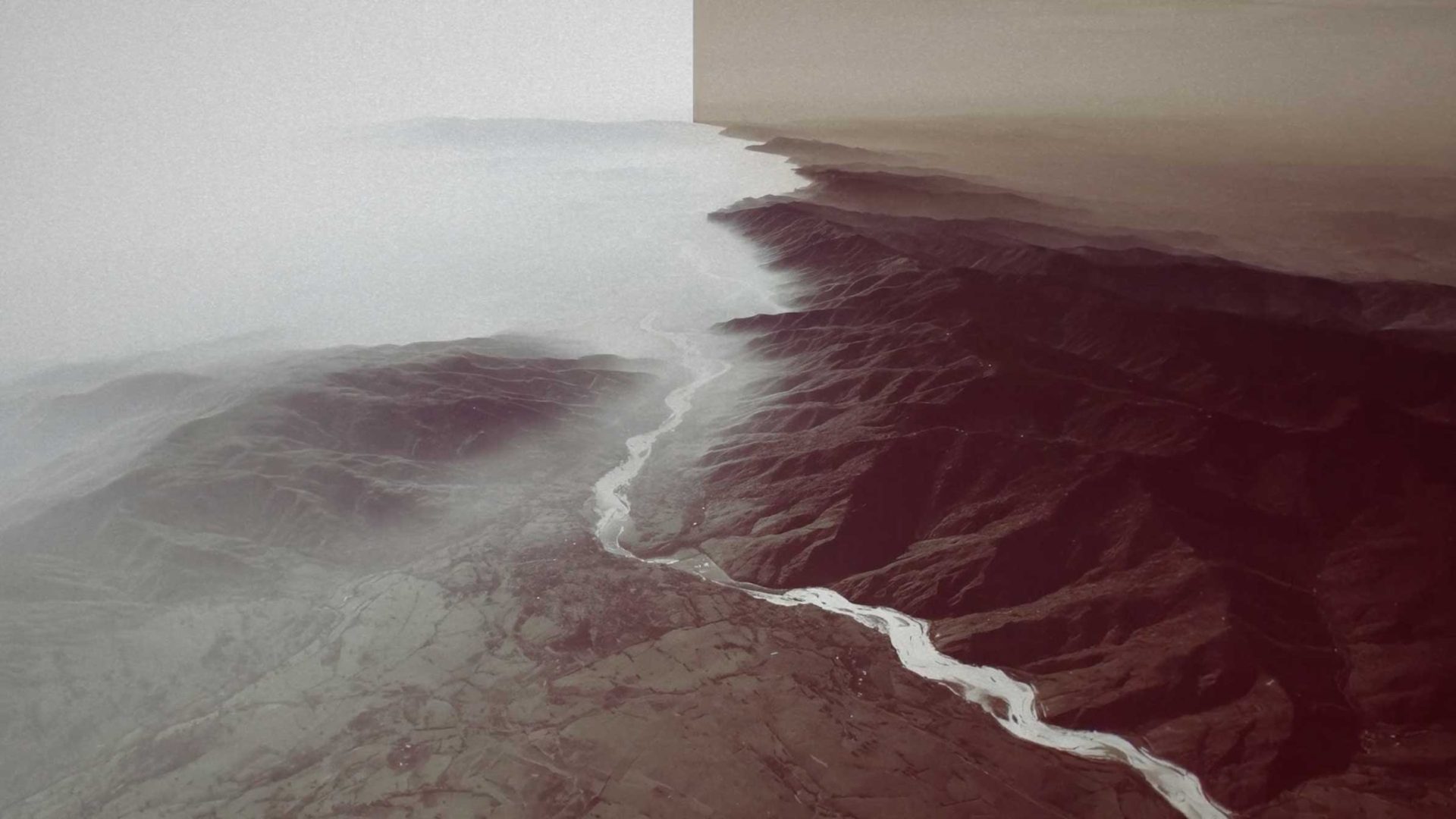
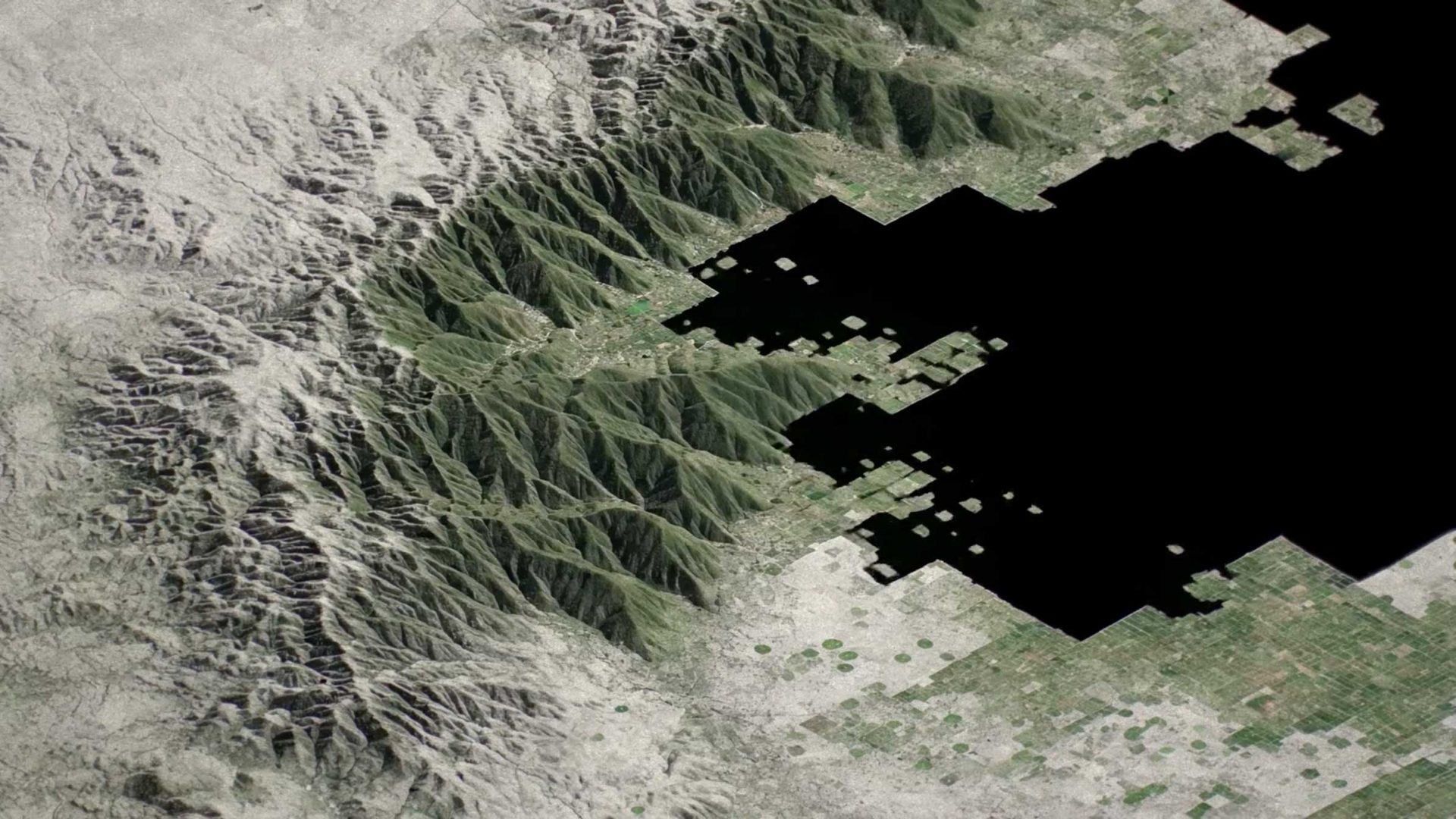
The "Our Planet" carpet series itself draws heavy inspiration from a complex intersection of natural and man-made landscapes. Conceptual motifs embedded in the collection include topography, bird migration routes, and intricate agricultural irrigation fields. According to Schroder, when Ege approached the studio, the mandate was to produce a film that translated these sprawling, earth-conscious themes into a compelling narrative without resorting to literal or mundane depictions of office spaces or physical flooring installations.
To achieve this atmospheric storytelling, everything in the film was directed and art-directed by the FRAME team. However, rather than utilizing traditional live-action footage or standard 3D rendering software, the studio generated the striking images and fluid animations using a diverse array of prominent AI tools. The software suite deployed during production included Nano Banana, Flux, Midjourney, Kling, and Seedance, among others.
What sets FRAME’s approach apart in an increasingly crowded generative video landscape is their sophisticated production pipeline. Instead of relying on a single text-to-image or text-to-video prompt, the studio chains various models together. Most individual shots in the film pass through multiple distinct models and processing stages before reaching their final rendered state.

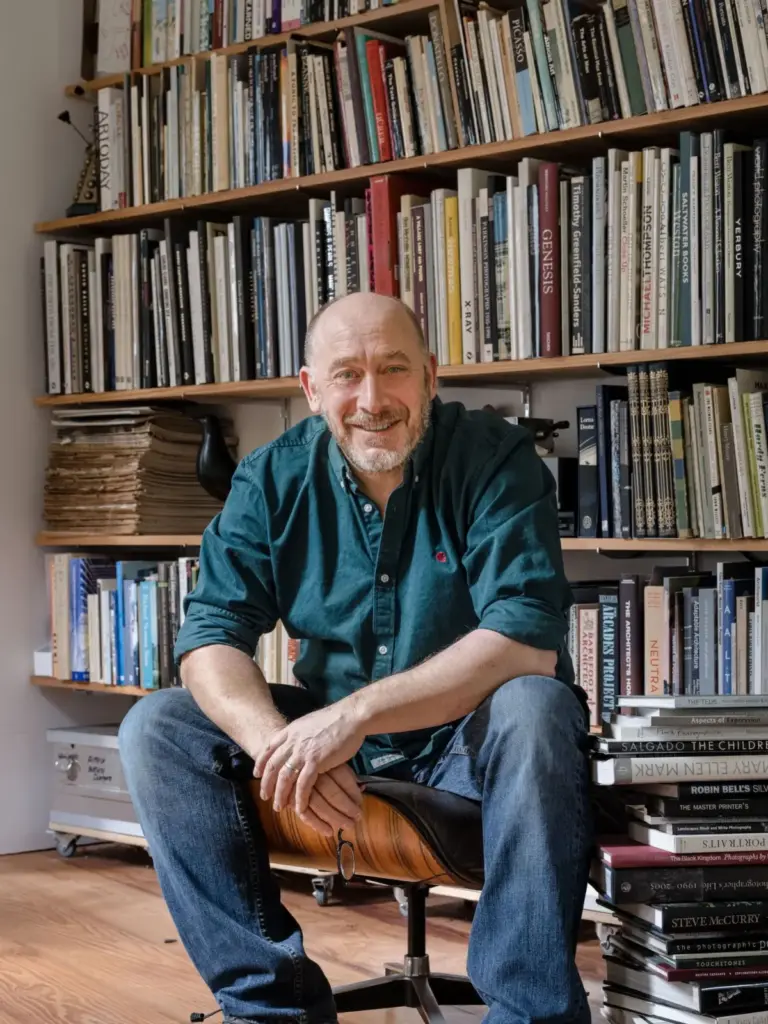
Schroder, drawing on his extensive background in traditional 3D computer graphics, emphasizes that disciplined workflows remain paramount regardless of the technology used. In conventional 3D production, a project follows a well-established trajectory from style frames and animatics to editing, rendering, and final finishing. While generative AI demands an entirely different operational pipeline, Schroder argues that it requires the exact same level of creative discipline and systemic oversight.
One significant operational advantage that AI offers over traditional 3D workflows is early project visibility. In standard 3D pipelines, artists typically start from a blank digital canvas where assets look rudimentary or unpolished until late in the production cycle. This often requires a high degree of patience and trust from the client, who must visualize the end product based on abstract wireframes or blocky layouts.
With AI, by contrast, clients are able to see fully realized aesthetic concepts very early in the process. Once the overarching art direction is locked down and approved, Schroder notes that it becomes remarkably easy to generate additional assets, sequences, and variations in the exact same stylistic vein. According to the studio, clients have responded enthusiastically to this high-speed, highly visual iterative process.
Yet working with generative models is not without its operational hurdles. AI tools can famously be difficult to steer precisely, meaning that a massive portion of FRAME’s workload involves keeping the technology under tight creative control. Schroder estimates that his team maintains roughly 95% control over the final visual outcome of any given sequence. The remaining 5% is left entirely to what he playfully describes as the "AI gods."
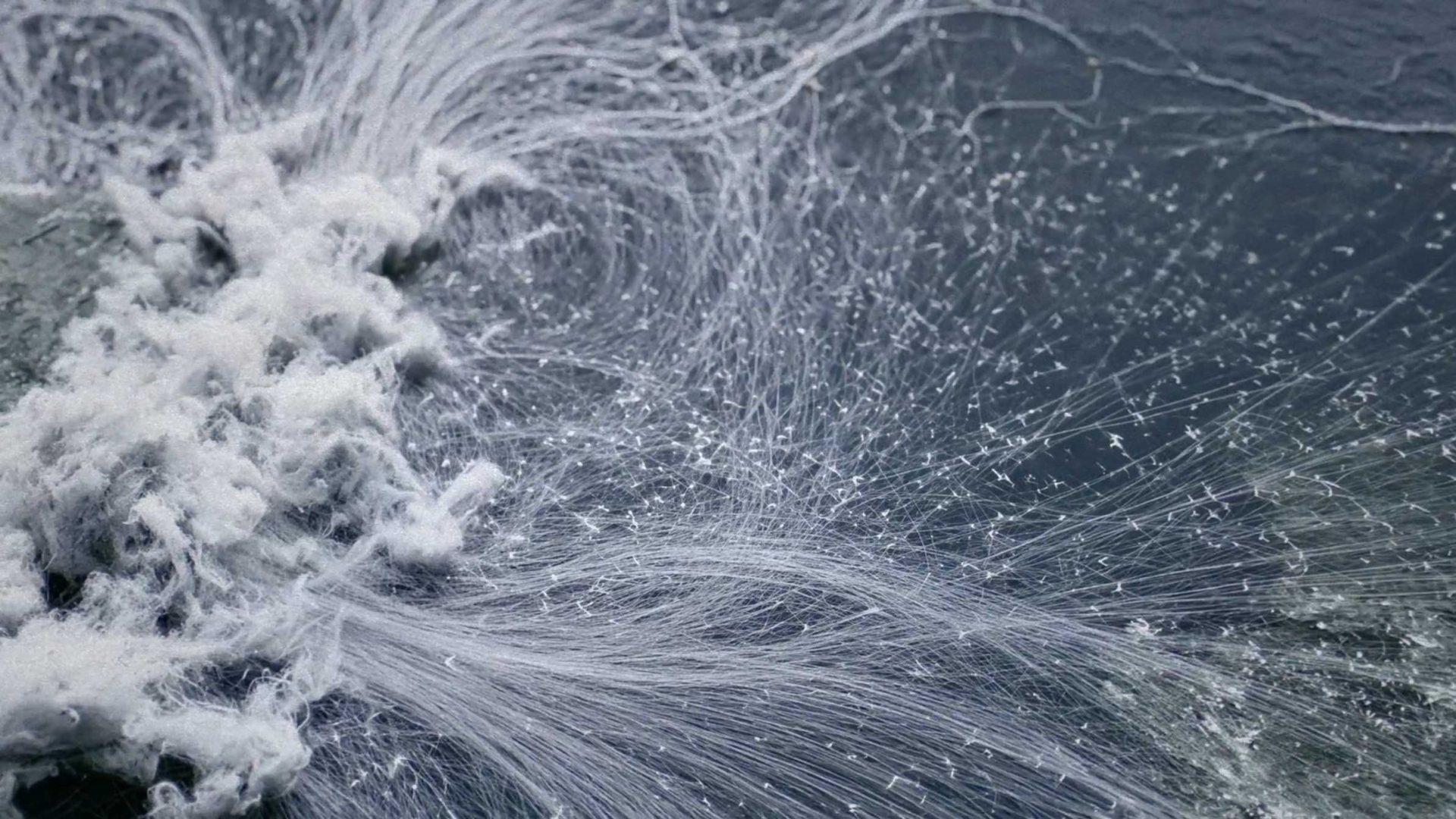
During the animation stage, the studio routinely pushes the generative models to their absolute limits. To keep the output tethered to the overarching artistic vision, the team occasionally guides the models using underlying 3D structures, 2D positional inputs, or, in some cases, allows the algorithms to run entirely unguided.
As the technology stands today, creators must accept a certain baseline level of procedural randomness. A primary drawback of current video generation models is the inability to reproduce the exact same movement or physics twice when a minor tweak is introduced downstream. While experienced production teams have developed various workarounds to mitigate this issue, it remains an inherent limitation of working with probabilistic systems.
However, Schroder points out that this built-in randomness is not necessarily a negative attribute. From a director’s perspective, he finds the unpredictable nature of AI models to be remarkably similar to collaborating with skilled human team members. A director can write a detailed creative brief, but they never know precisely what kind of interpretation will come back from the crew. Sometimes the result exceeds initial expectations, while other times it falls short, requiring another iteration.
In professional creative environments, a director never possesses absolute, totalitarian control over human collaborators—nor should they, given that the goal of hiring talented people is to inject fresh, unexpected creativity into a project. Schroder views AI through a remarkably similar lens. The technology frequently interprets a creative brief in ways that human artists might not have anticipated, a phenomenon he describes as deeply inspiring.
Unless a creator chooses to execute every single task entirely on their own, working collaboratively always requires giving up a measured degree of control. When working alongside an AI-driven pipeline, creators surrender a small fraction of predictability, but they are rewarded in return with camera angles, fluid movements, distinct visual looks, and conceptual ideas that they likely would never have conceived independently. Ultimately, those creative sparks still originate from the human director, who authored the foundational brief and ultimately decides which iterations to accept or discard. Piece by piece, the final product is constructed by a hybrid network of multiple brains, both human and machine.
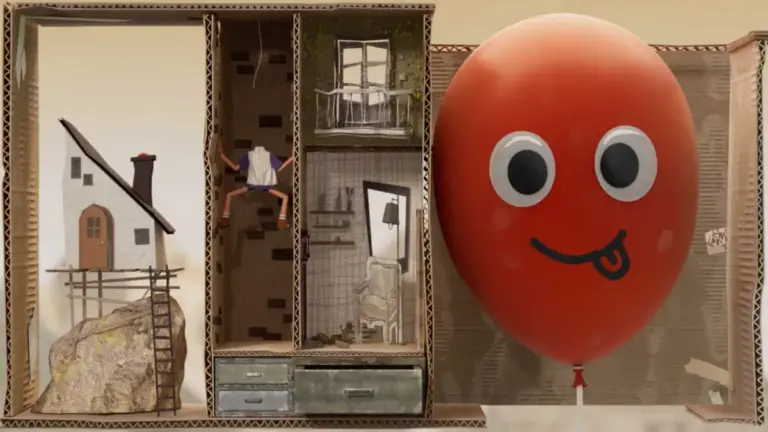
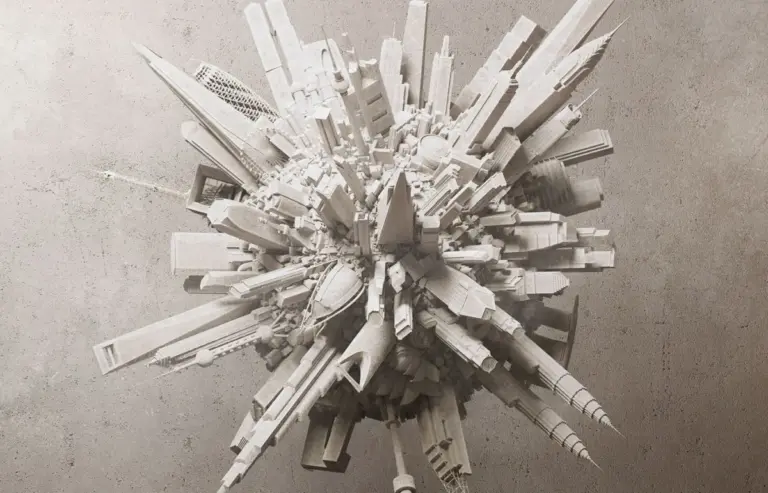
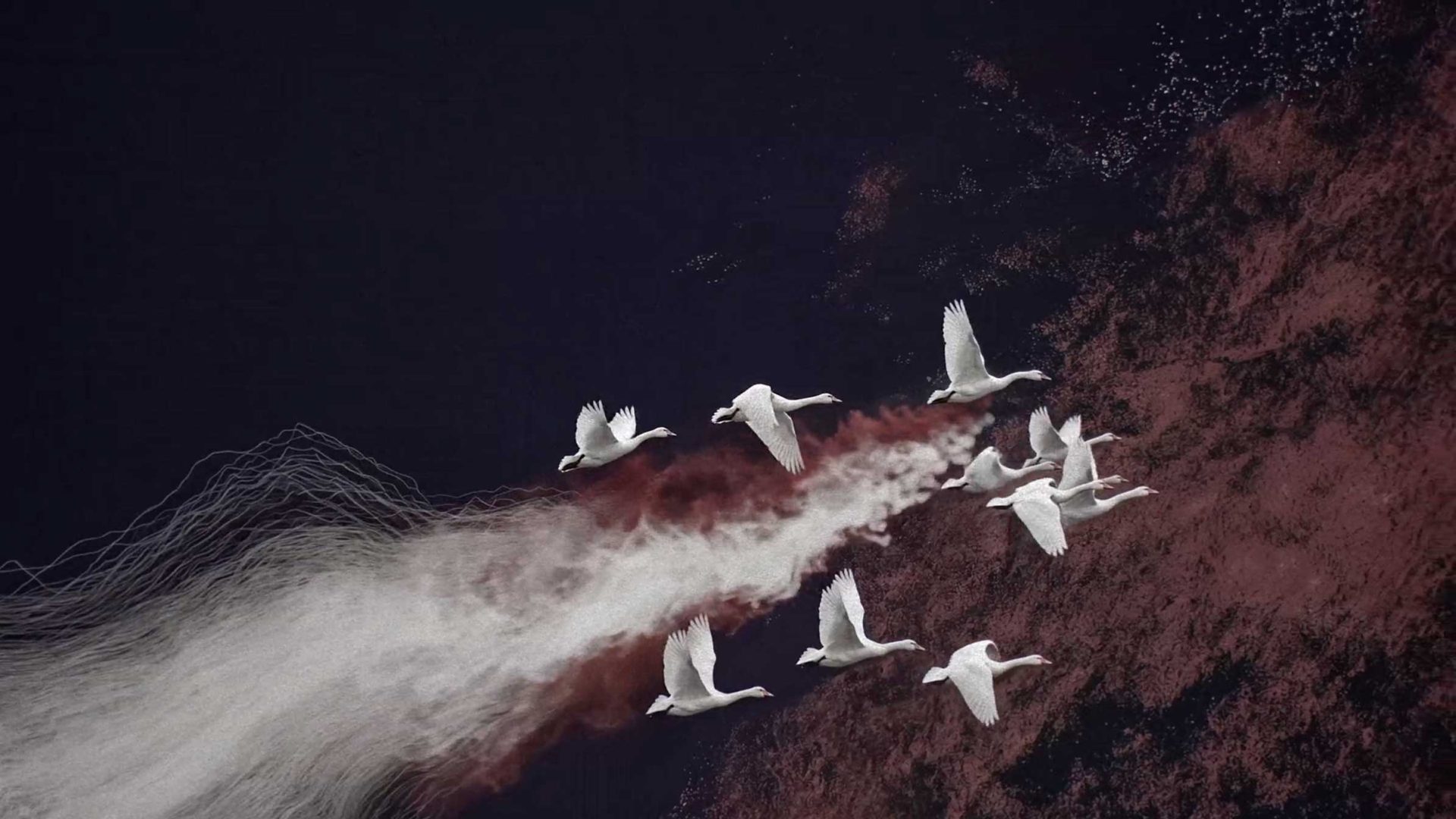
The resulting brand film for Ege Carpets and Gensler showcases this philosophy through a series of sweeping, hypnotic visual metaphors. Sequences shift fluidly from abstract topographies and winding rivers cutting through contrasting landscapes to ethereal swarms of white birds navigating through veils of mist and geometric textile cutouts. Through a disciplined adherence to workflow and a willingness to embrace the unpredictable nature of generative tools, FRAME has delivered a forward-thinking blueprint for how commercial design studios can successfully integrate artificial intelligence into high-end brand storytelling.