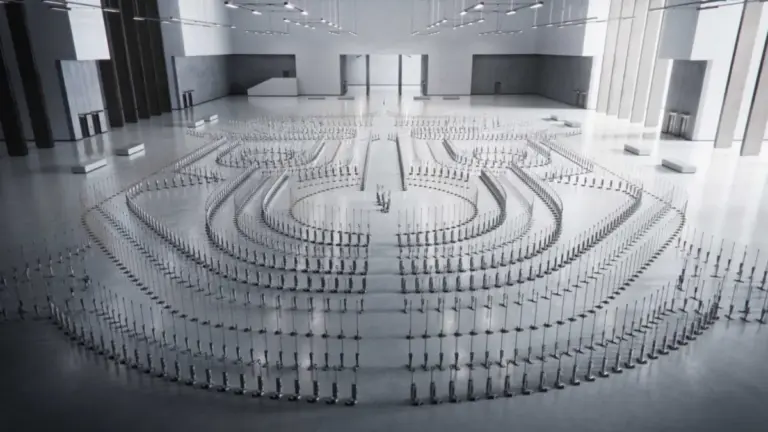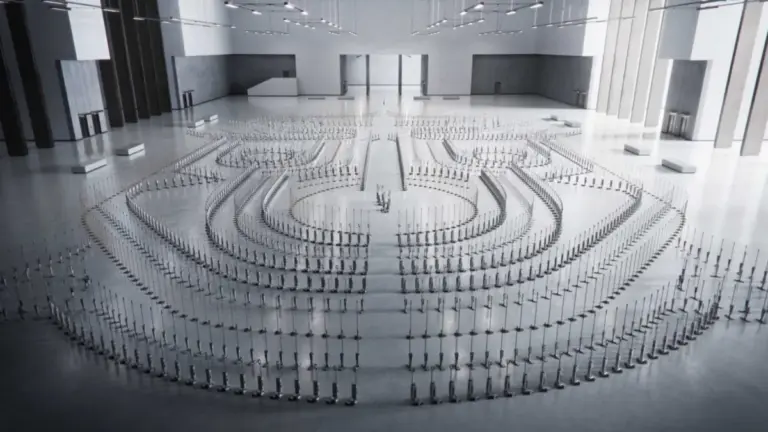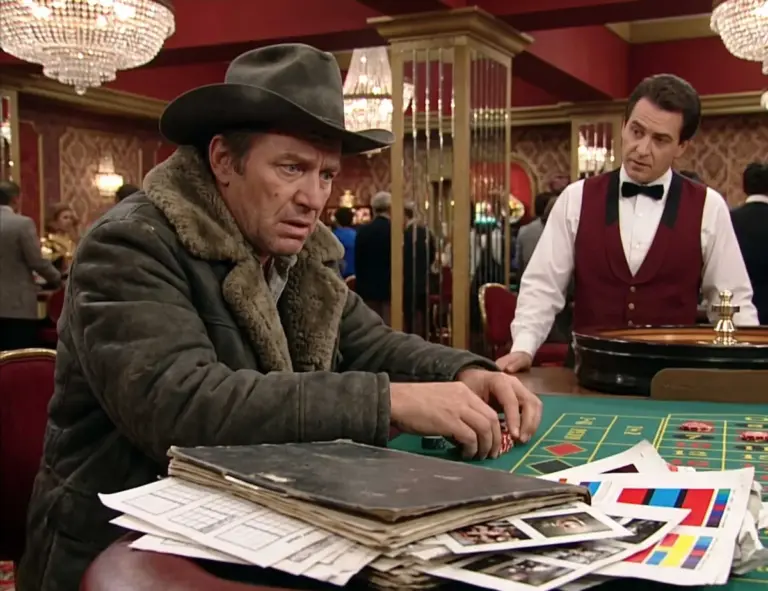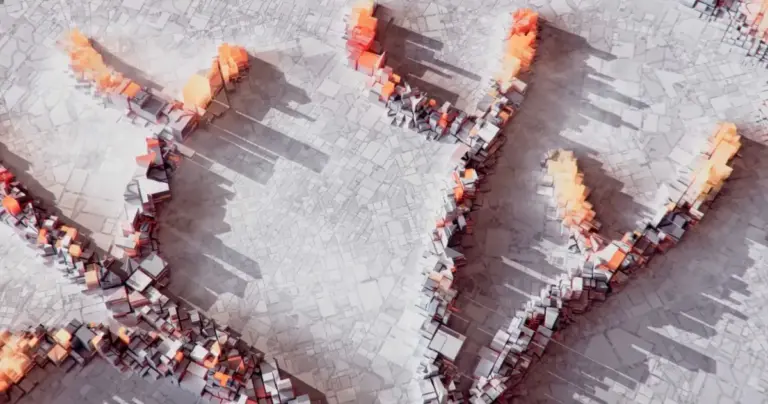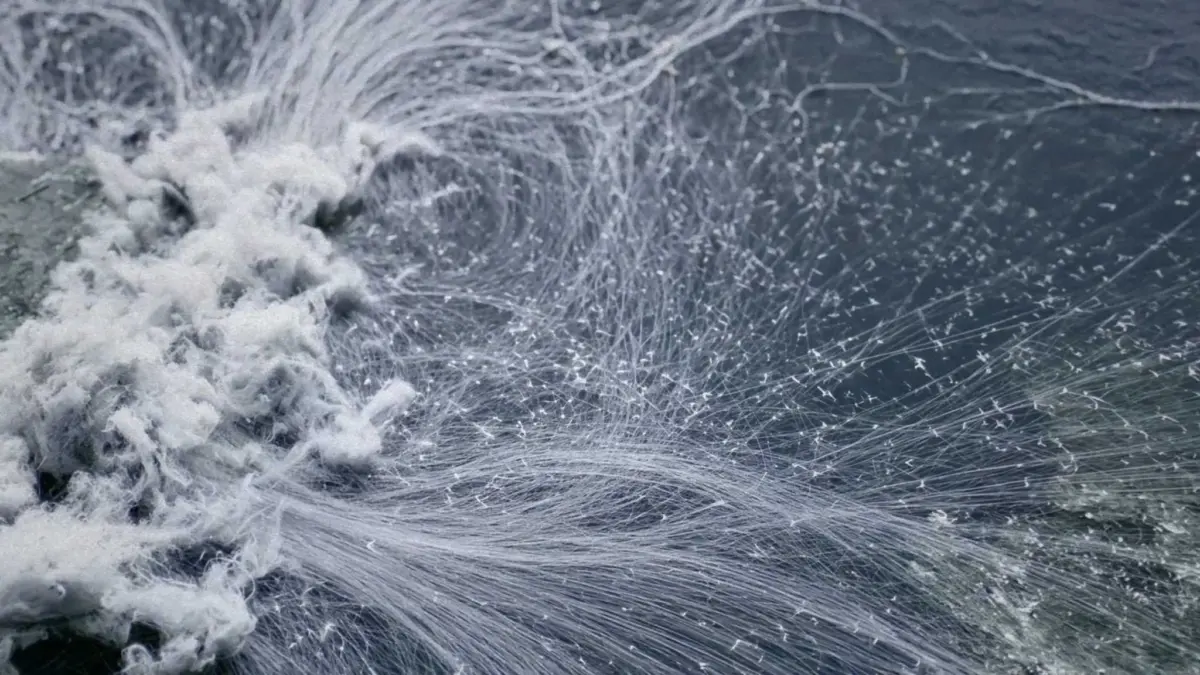
In an ambitious intersection of commercial design, interior architecture, and advanced generative video technology, studio FRAME has released a striking brand film for the "Our Planet" carpet collection. Created as a collaborative showcase for US architecture giant Gensler and renowned Danish flooring manufacturer Ege Carpets, the project offers a compelling masterclass in how modern production houses are successfully integrating artificial intelligence into high-end commercial pipelines.
To gain deeper insight into the studio’s technical methodology and artistic philosophy, FRAME co-founder Anders Schroder provided a detailed look at the creative journey behind the project, shedding light on how a traditional 3D design discipline can seamlessly inform and discipline the chaotic nature of generative AI.
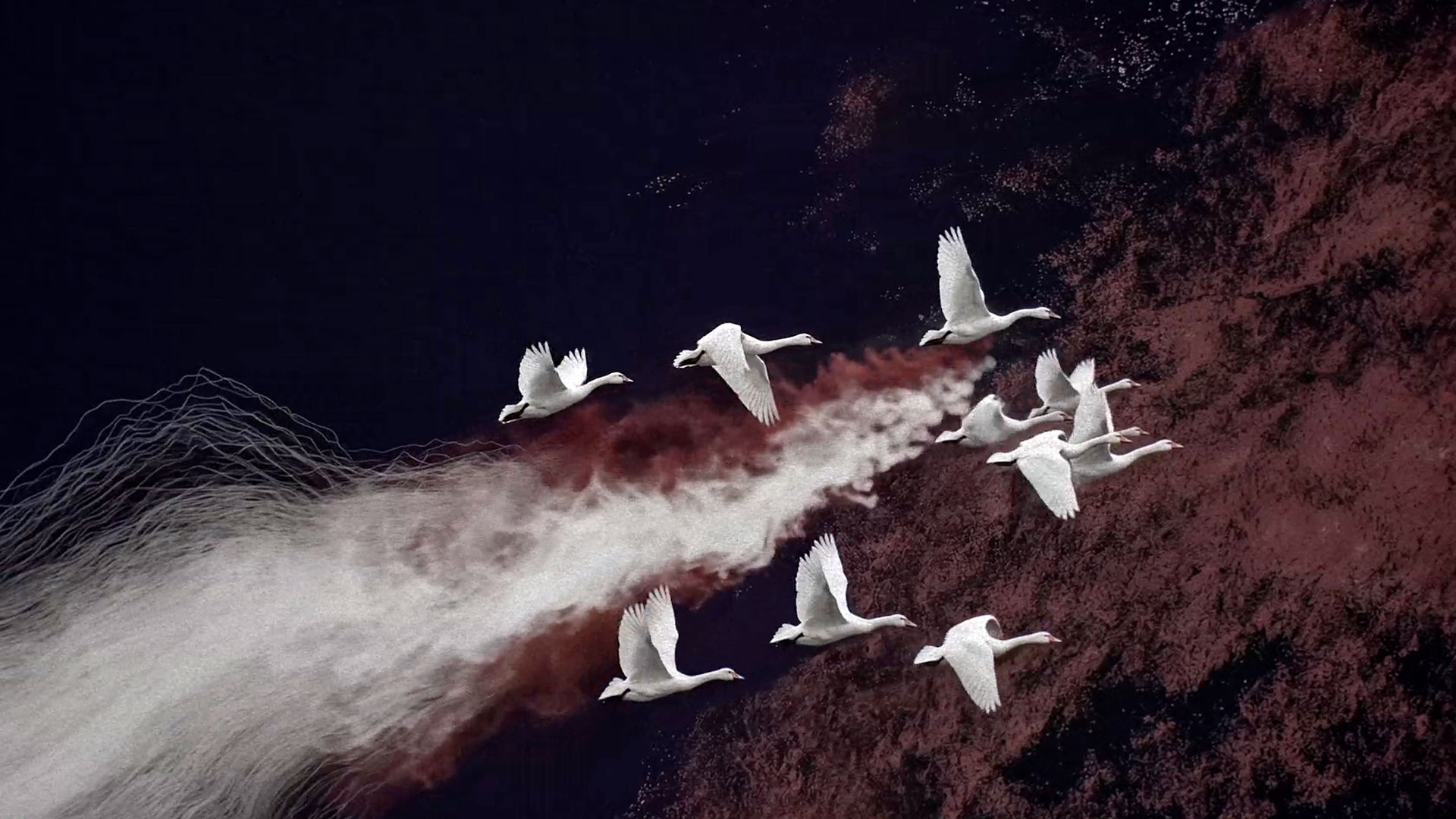
Conceptualizing "Our Planet": Translating Nature into Textile
Designed specifically for modern office environments, the "Our Planet" carpet series draws heavy inspiration from the intricate patterns found in both the natural world and man-made landscapes. Rather than taking a literal approach to these themes—which span topographies, bird migration routes, and complex irrigation fields—Ege Carpets sought a brand film that could capture the essence of the collection through abstract storytelling, high-end aesthetics, and evocative motion.
Meeting this brief required an art direction that felt both organic and meticulously structured. Everything in the final film was directed and art-directed exclusively by the FRAME team. However, the realization of the images and animation relied heavily on a sophisticated suite of AI tools, including Nano Banana, Flux, Midjourney, Kling, Seedance, and various other specialized models.

What truly sets FRAME’s approach apart in an increasingly crowded generative video landscape is their meticulous production pipeline. Rather than relying on simple text prompts or single-model outputs, the studio chains various models together into a complex workflow. Consequently, most individual shots pass through multiple distinct AI models and developmental processes before reaching their final, polished state.
Bridging 3D Discipline with AI Flexibility
Drawing from a robust background in traditional 3D computer graphics, the team at FRAME approaches artificial intelligence with the same rigorous workflow mindset that has long governed high-end post-production. Coming from a 3D environment, Schroder notes that process is fundamentally everything—it dictates the path from an initial concept to a final polished result and guides clients smoothly through each creative stage.
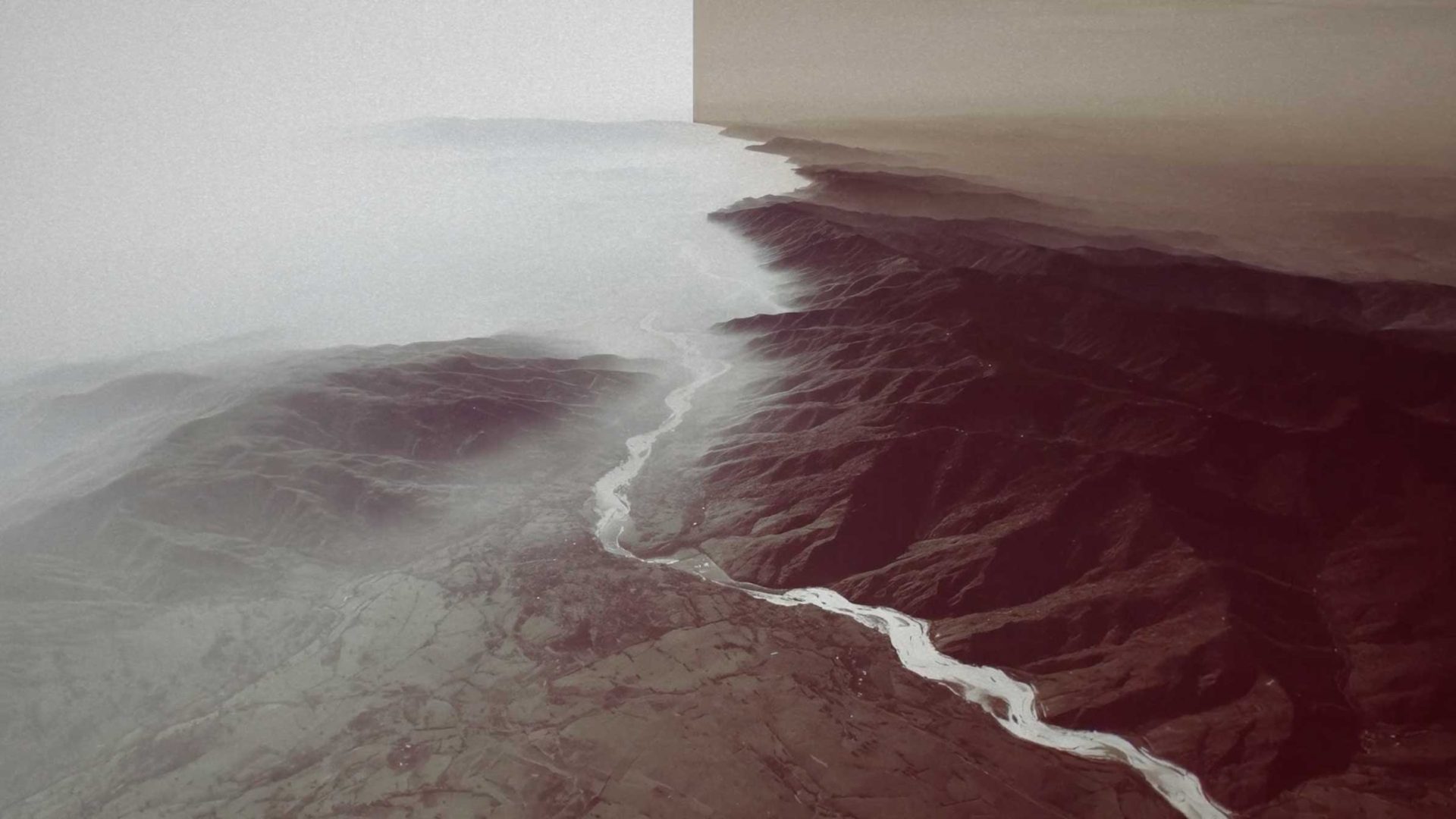
In traditional 3D animation, production typically moves through a linear sequence of style frames, animatics, rough edits, heavy rendering, and final finishing. While generative AI demands an entirely different technical pipeline, Schroder emphasizes that it requires the exact same level of professional discipline.
Yet, working with AI offers distinct operational advantages over traditional computer graphics, particularly when it comes to client collaboration and early-stage visibility. In a conventional 3D workflow, artists often start from a blank canvas where nothing looks like much until late in the production cycle, requiring a significant degree of patience and trust from the client.
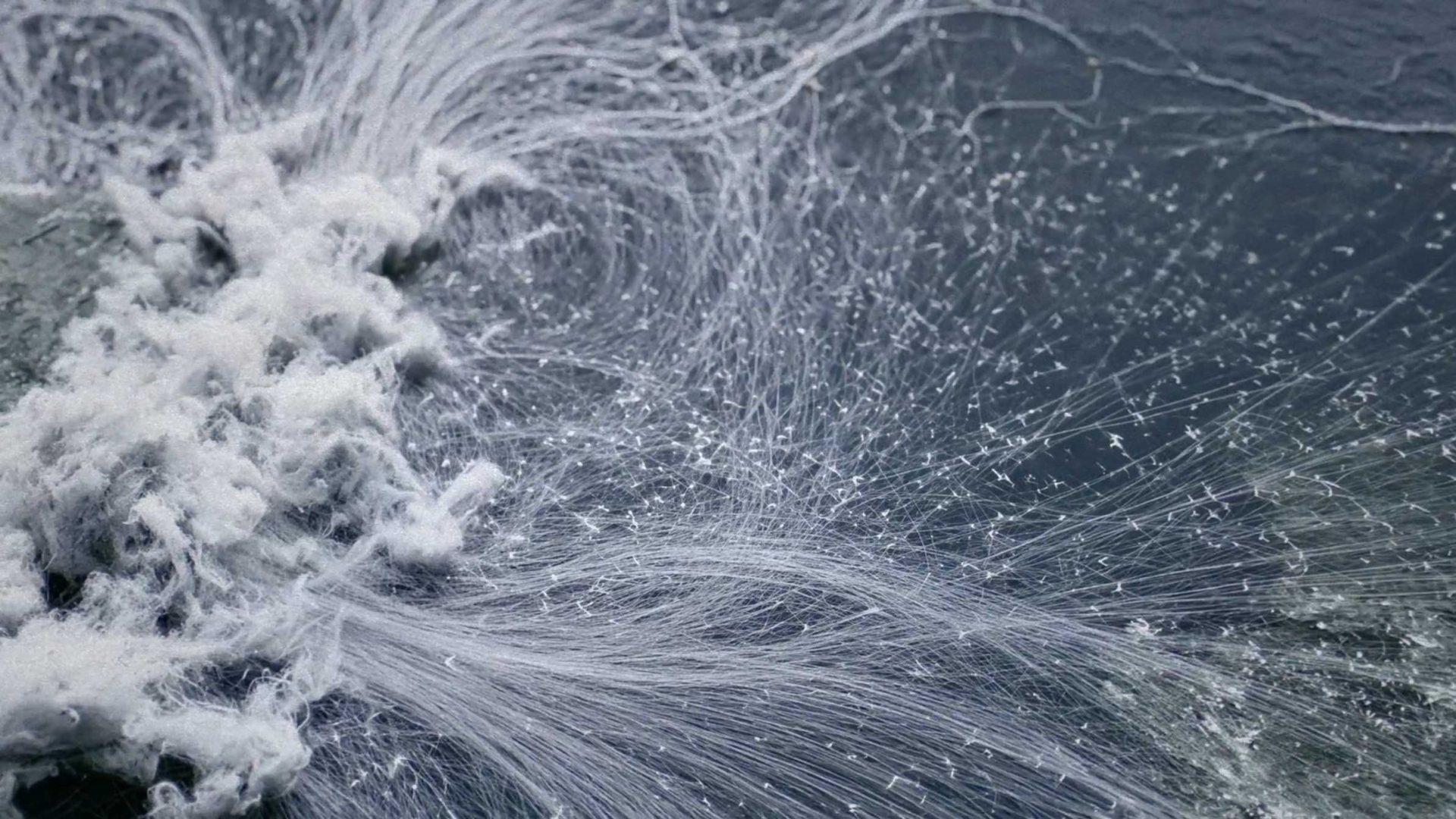
By contrast, AI allows the studio to surface a vast array of visual ideas and possibilities very early in the process. Once the core art direction is established and locked in, generating additional assets that match the same aesthetic vein becomes remarkably straightforward—a dynamic that clients have enthusiastically embraced.
Embracing Randomness and the "AI Gods"
Despite the high degree of control FRAME exercises over the final edit, working with generative tools inherently invites an element of unpredictability. Schroder notes that while the studio controls approximately 95 percent of the ultimate visual outcome, the remaining 5 percent is left entirely up to what he playfully describes as the "AI gods."
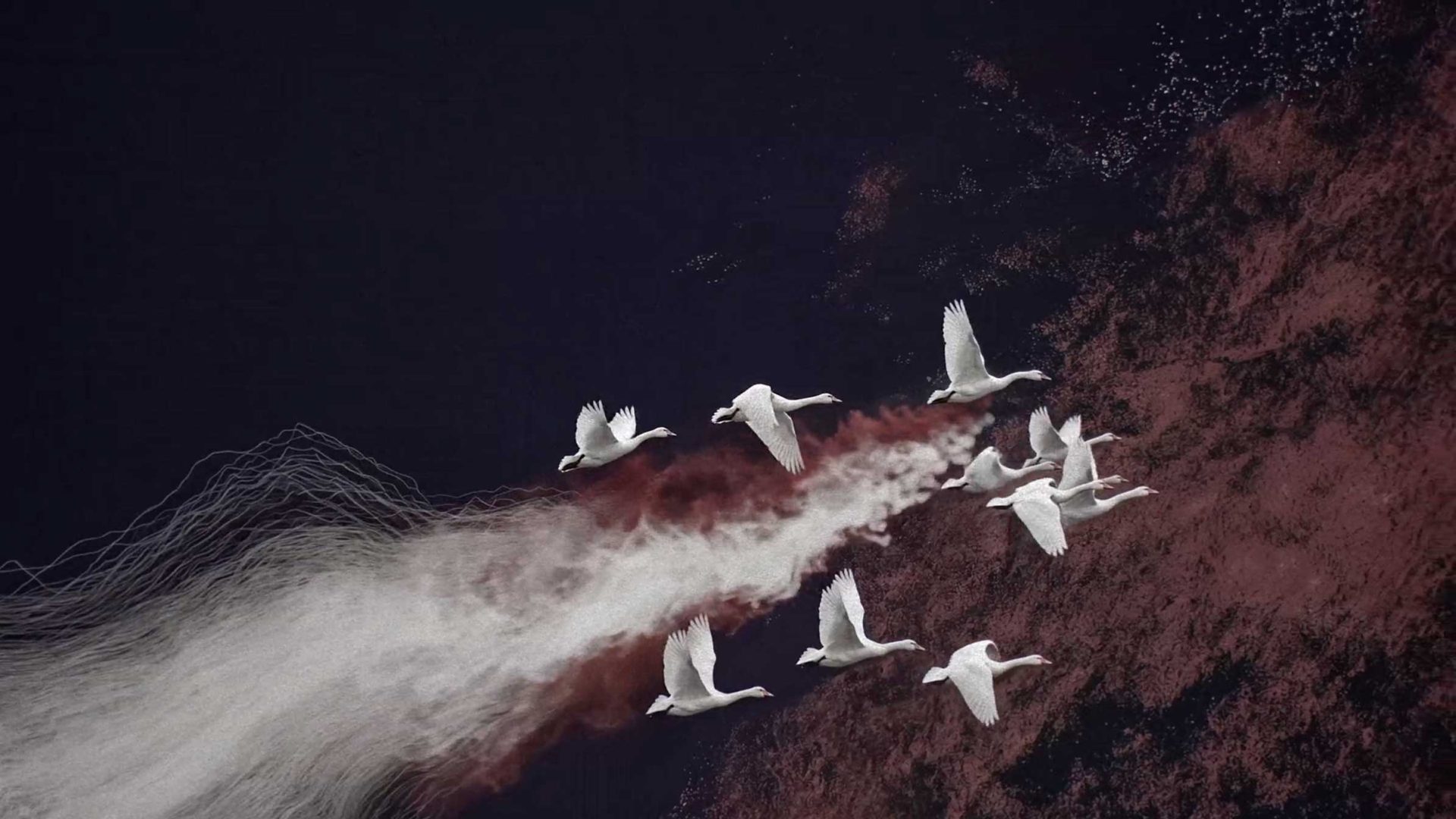
During the animation phase, the production team routinely pushes underlying models to their absolute limits, occasionally steering them with 3D geometry, sometimes guiding them with 2D elements, and other times allowing the algorithms to run unassisted.
This workflow presents unique technical challenges. In its current state of development, generative video technology forces creators to accept a certain amount of inherent randomness. One notable drawback is the inability to reproduce the exact same movement or physics every time a minor tweak is introduced to a shot. While experienced studios have developed various workarounds to mitigate this issue, it remains a genuine limitation of the medium.
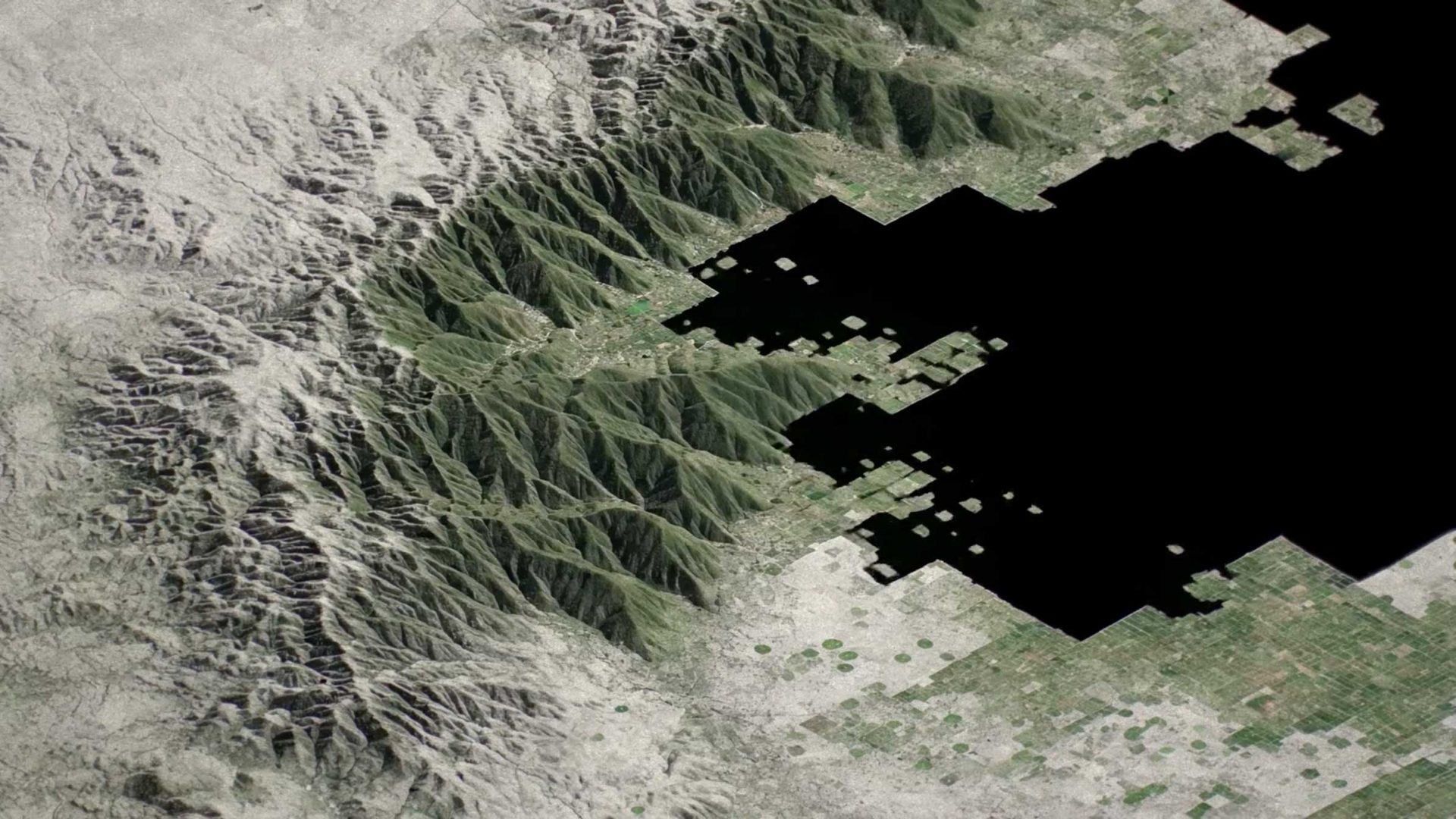
However, Schroder argues that this operational randomness is not necessarily a negative trait. As a director, he views the unpredictability of AI as remarkably similar to collaborating with skilled human team members. A director can provide a comprehensive brief, but the exact nature of what comes back from the team is never entirely certain. Sometimes the results exceed expectations; other times they fall short, prompting another iteration.
Ultimately, absolute creative control is neither possible nor desirable when working with people, as the goal is always to invite external creativity and unexpected perspectives. AI functions in much the same way, frequently interpreting a creative brief in ways that human artists might not have anticipated. For FRAME, that friction and surprise serve as a powerful source of inspiration.

Unless a creator handles every single task independently, working within any collaborative team always involves relinquishing a measure of control. Working with artificial intelligence requires giving up a little bit of that control, but in return, it yields unique camera angles, fluid movements, distinct aesthetics, and fresh ideas that a single human mind might never have conceived alone.
Those creative choices still fundamentally originate from the director through the framing of the initial brief and the deliberate decision of what to accept or discard. Piece by piece, frame by frame, projects like the "Our Planet" brand film are built through a synthesis of many brains—both human and machine.
Production Credits
The "Our Planet" brand film was produced by FRAME for client Ege Carpets, with direction and musical composition entirely handled by the FRAME creative team.