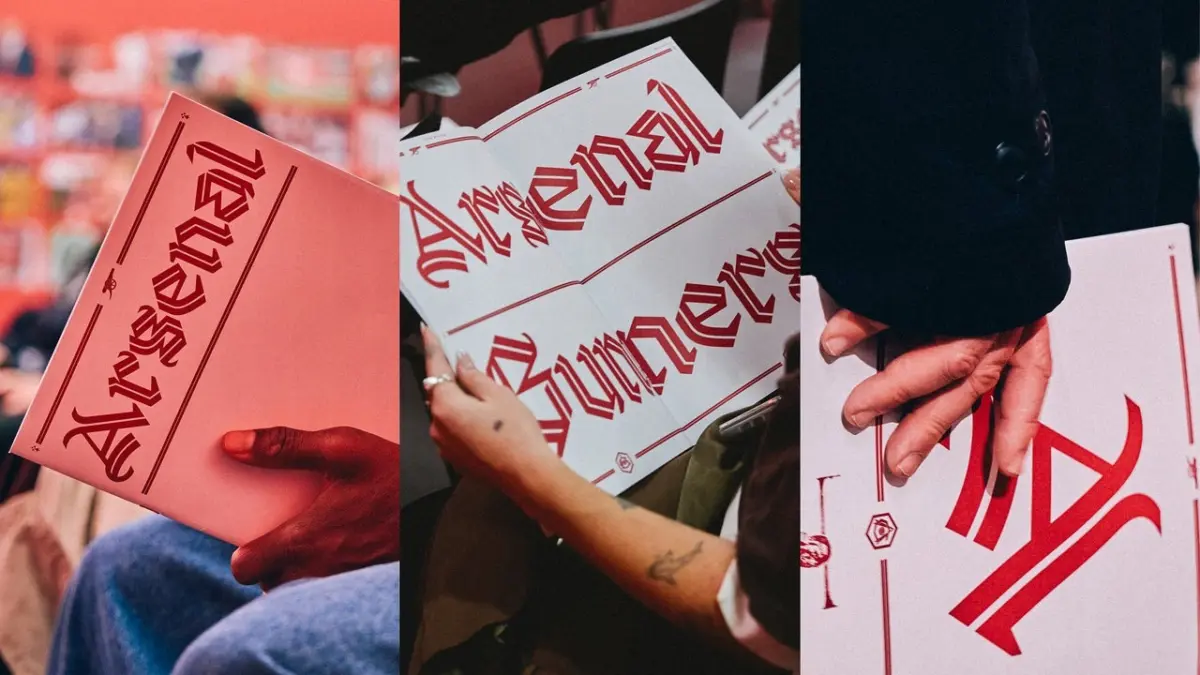
Arsenal Football Club has introduced a striking new modern gothic typeface as part of a comprehensive multi-font branding strategy for the 140-year-old English institution. The bespoke font, named "Rocastle" in honor of the beloved late Arsenal midfielder David Rocastle, marks a significant evolution in how the historic club presents its visual identity across sports, fashion, and contemporary culture.
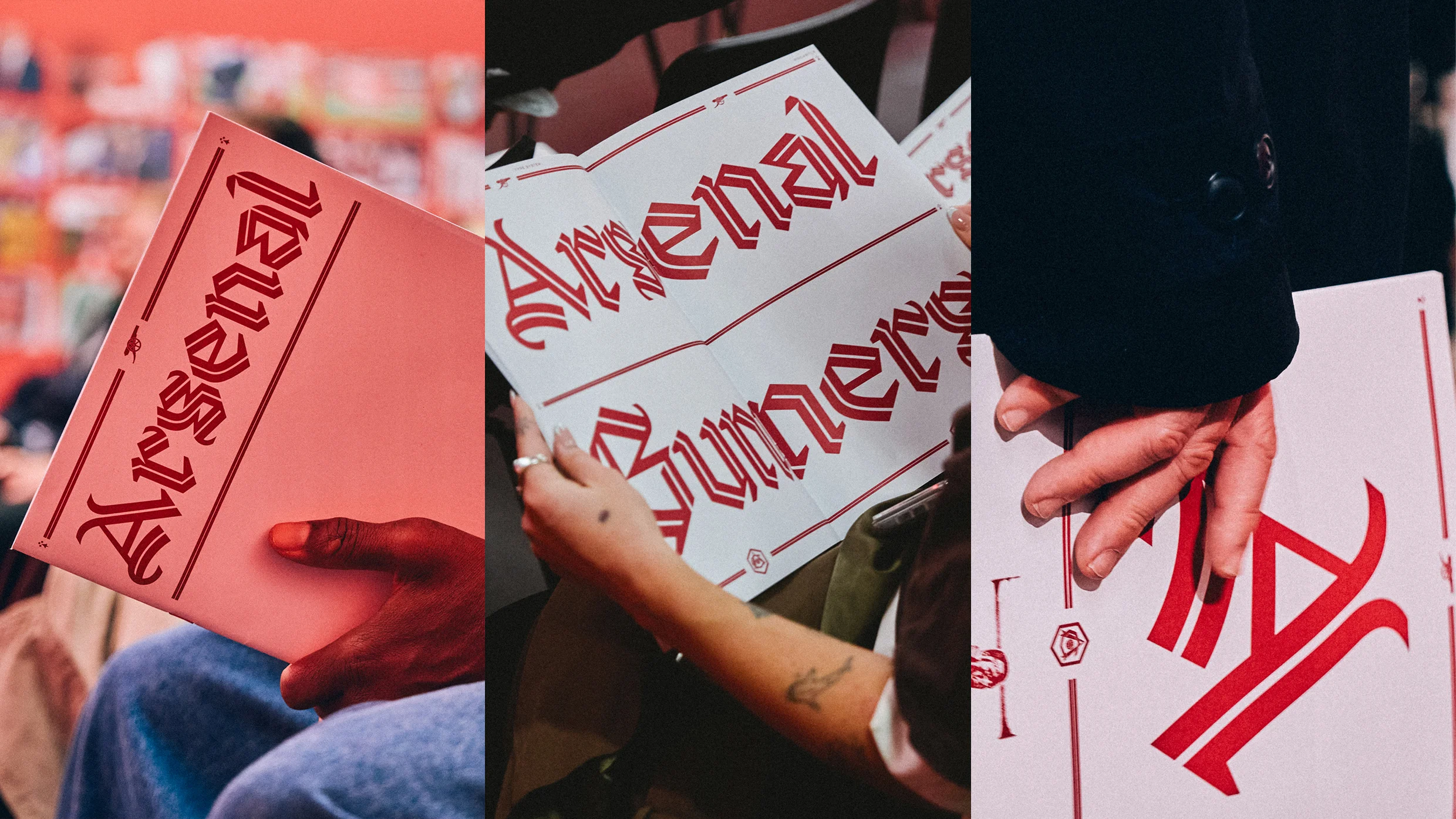
The team officially unveiled the typeface during a pop-up exhibition hosted this month at London’s prestigious Design Museum. Created by type designer David Rudnick—founder of the research and design studio terrain—alongside designer Léa Bruneau, Rocastle is the result of an intensive four-year collaborative project commissioned by the club. For Rudnick, who is a lifelong supporter of the north London side, the commission was a deeply personal endeavor. He noted that he would only ever have agreed to work with one football club, making the extensive branding overhaul a true passion project.
The development of Rocastle required a meticulous research phase that saw the design team assemble and analyze hundreds of pieces of historical Arsenal memorabilia, archival materials, and vintage type specimens. The font, alongside a newly introduced blackletter "A" mark that now serves as one of the club’s three primary logos alongside its traditional crest and iconic cannon, draws direct inspiration from the lettering found in Arsenal’s retro VCC crest. The Latin motto, Victoria Concordia Crescit, translates to "victory grows through harmony," a foundational philosophy that the contemporary branding seeks to honor and translate for a modern audience.
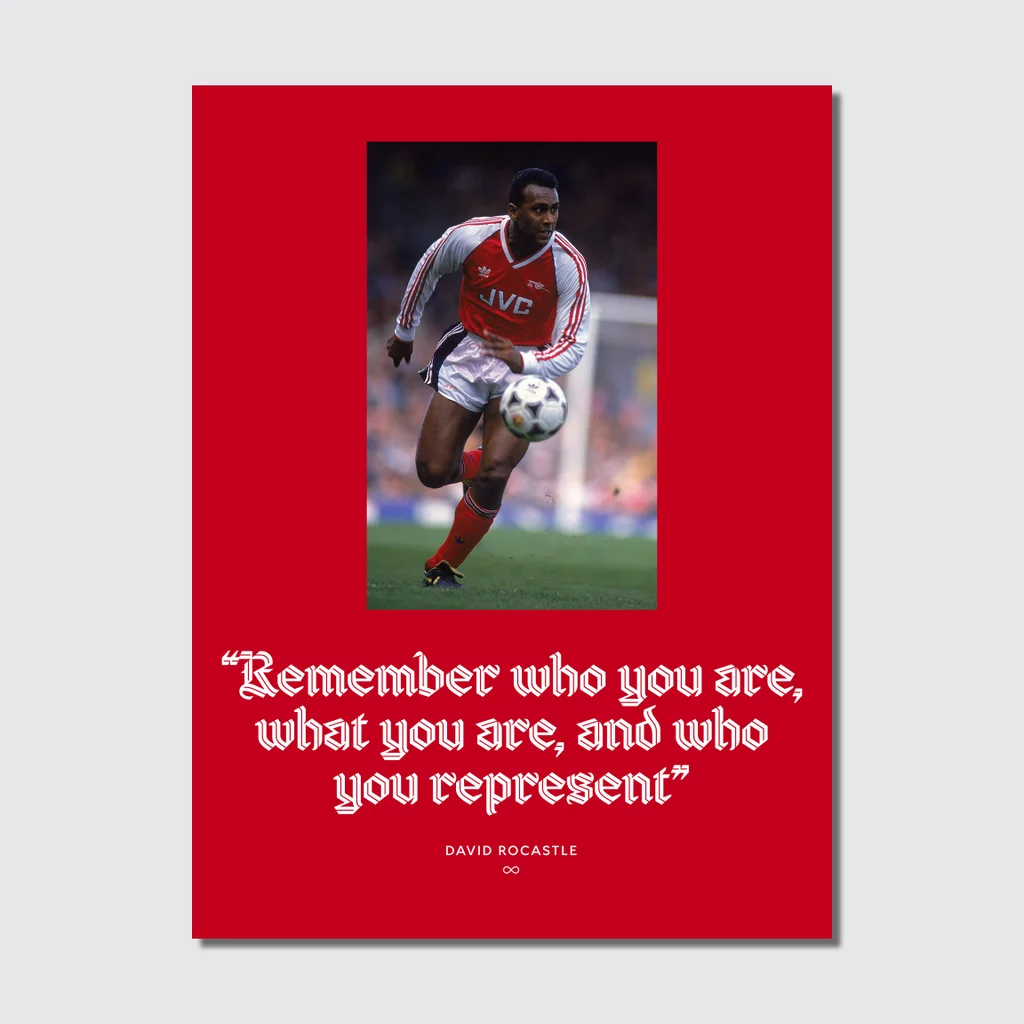
According to Rudnick, designing a custom typeface for a global football powerhouse required balancing a complex set of contradictory demands. The letterforms needed to be sufficiently distinctive, bold, and proud to act as a glorious pinnacle of the club’s visual identity. At the same time, the typography had to remain simple, highly legible, modern, and versatile enough to function seamlessly across the varied applications required of a contemporary brand, from digital platforms and broadcast media to physical merchandise and stadium signage.
Visually, the Rocastle font is unmistakably rooted in the traditional blackletter tradition, yet it subverts expectations through a carefully curated mix of contemporary design elements. The incorporation of an inline weight and dynamic swashes—which subtly recall the shape and flow of pennants fluttering in the wind—infuses the heavy gothic structure with a sense of movement and distinctly English character. Rudnick explains that these deliberate design choices help create a visual sensation that feels more chivalric or knightly, leaning into traditional heraldry while remaining entirely fresh.
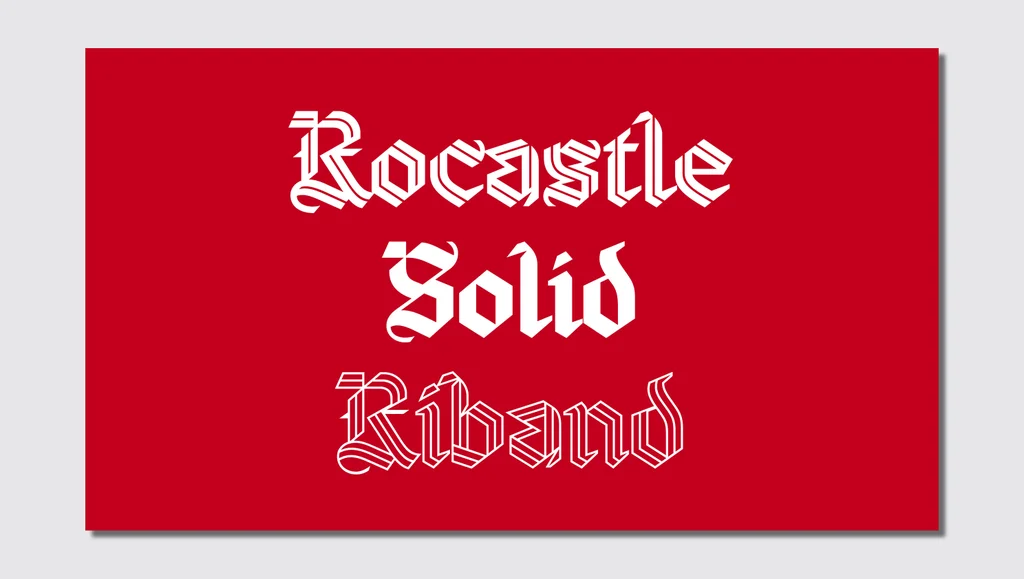
The introduction of Rocastle is just one component of a broader typographical update that Arsenal began rolling out in 2022. Over the course of the four-year development period, Rudnick designed three distinct fonts licensed exclusively to the team. Each typeface was built around three core pillars that define the club’s identity: team, community, and culture.
While other components of the typography suite address the operational needs of the team and the collective spirit of its supporters, Rocastle was specifically engineered to represent "culture." According to curator statements presented at the Design Museum exhibition, this pillar encompasses the intersection where football meets fashion, art, music, and wider creative industries. Consequently, Rocastle is a typeface designed to be equally at home featured on a limited-edition fashion drop, printed across merchandise, or displayed on the gallery walls of a contemporary design exhibition. It bridges the gap between contemporary street style and deep-rooted club heritage.
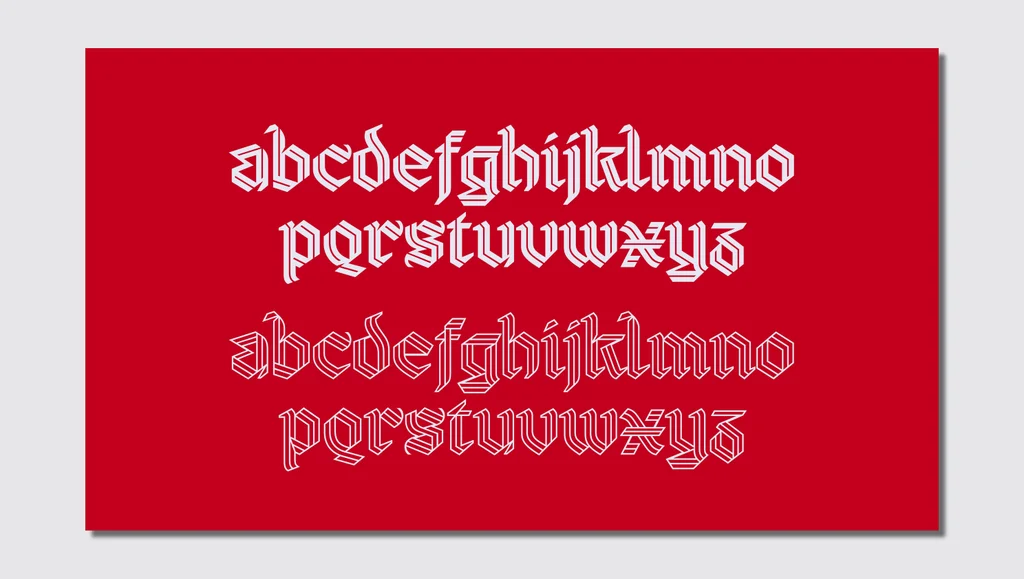
The multi-font strategy reflects a growing trend among elite sports organizations recognizing that modern branding must extend far beyond the traditional confines of the football pitch. By investing in bespoke typography rooted in club history, Arsenal has equipped itself with a sophisticated design system that honors legends like David Rocastle—affectionately known to fans as "Rocky," who played for the club from 1984 until 1992 and passed away in 2001—while ensuring the club remains at the cutting edge of contemporary design and visual culture for years to come.