It is a common assumption that the selfie is a thoroughly modern invention, a spontaneous cultural artifact brought into existence by the proliferation of smartphones and the endless scrolling culture of social media. Yet, the concept of the self-portrait photograph has been present since the very dawn of photography itself. Long before the era of front-facing cameras and digital filters, visionary artists were already experimenting with turning the lens upon themselves in complex, highly staged, and deeply personal ways. Among these early pioneers was a wealthy Bostonian photographer whose groundbreaking work predated contemporary self-portraiture by more than a century—a creation that is now returning to the spotlight through a significant museum acquisition.
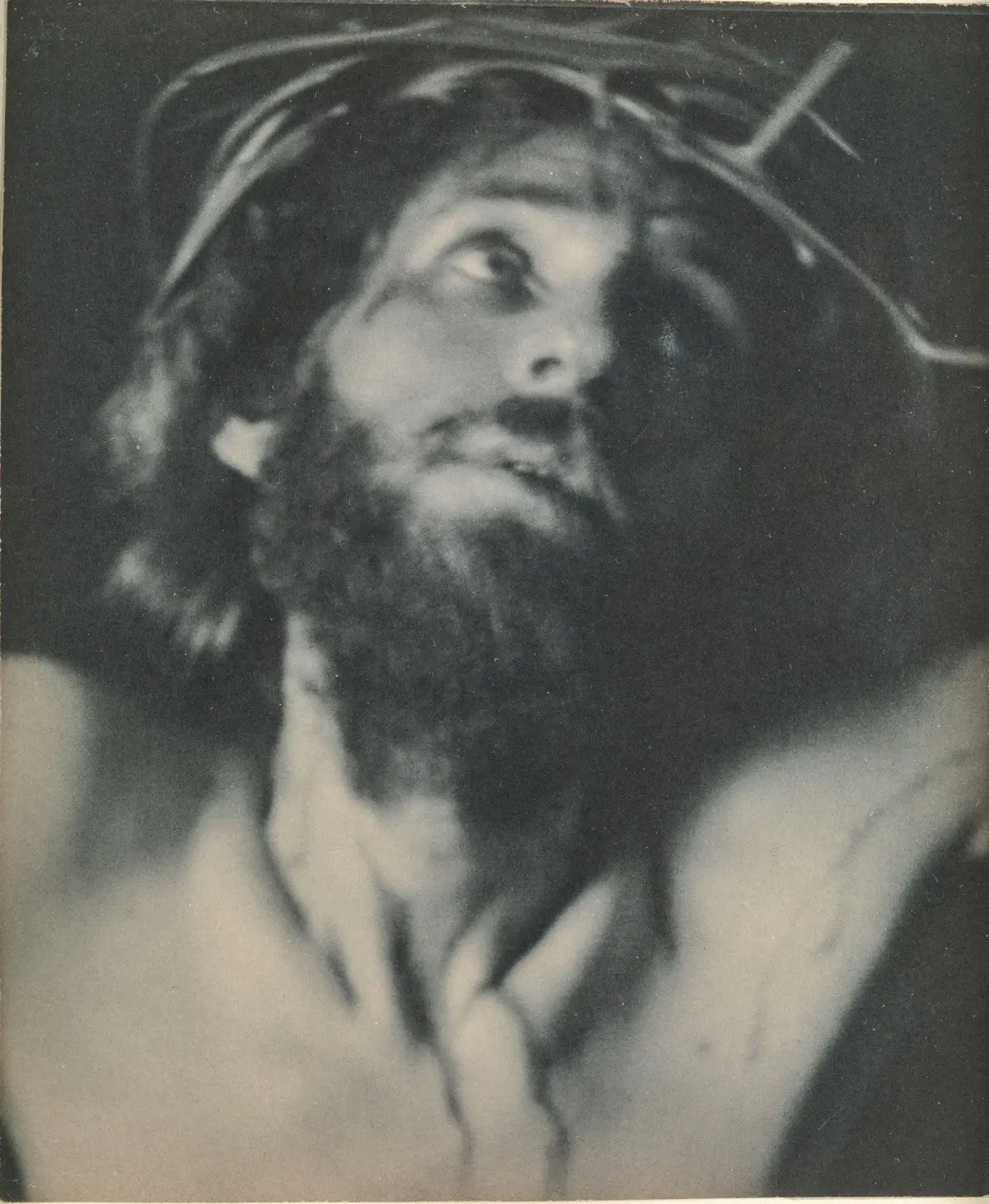
Back in 1898, F. Holland Day, a prominent and affluent photographer from Norwood, Massachusetts, positioned his bulky 10×8-inch glass-plate camera toward himself. Using an attached mirror to check his composition and appearance, he executed one of the earliest and most ambitious self-portrait projects in the entire history of the medium. The resulting work was The Seven Words: a haunting suite of close-up platinum prints in which Day did not merely observe human suffering, but physically embodied it, casting himself as Jesus Christ during his final, agonizing moments on the cross. The series comprises seven distinct images, each dedicated to one of Christ’s legendary final utterances, ranging from the plea of mercy "Father, forgive them" to the final, fatal resignation of "It is finished."
The work, as one might readily imagine, caused considerable shock and debate when it was first exhibited at the close of the nineteenth century. In the decades that followed, however, the series largely slipped from public consciousness, remaining an obscure footnote for over a century. Now, a renewed wave of critical and institutional attention is bringing Day’s visionary project back to prominence. The Toledo Museum of Art in Ohio has officially acquired one of only three known original complete sets of The Seven Words, sparking profound enthusiasm within the international arts community. Adam M. Levine, the director of the Toledo Museum of Art, described the acquisition to The Art Newspaper by emphasizing its historical weight, calling it "the most important photograph that people don’t know about."
Why They’re Important
What makes The Seven Words so remarkably striking is a combination of its audacious conceptual framework and the sheer, almost fanatical level of commitment Day poured into its realization. Day did not merely throw on a makeshift costume for a quick studio session; he altered his lifestyle and physical form to match the historical gravity of the subject. He grew his hair long and subjected himself to fasting in order to achieve a gaunt, exhausted appearance that would lend authentic emotional resonance to the photographs. According to documentation from New York’s Metropolitan Museum of Art, which houses another of the rare original sets, Day went to extraordinary lengths to ensure authenticity, even importing specific cloth and a physical wooden cross all the way from Syria.
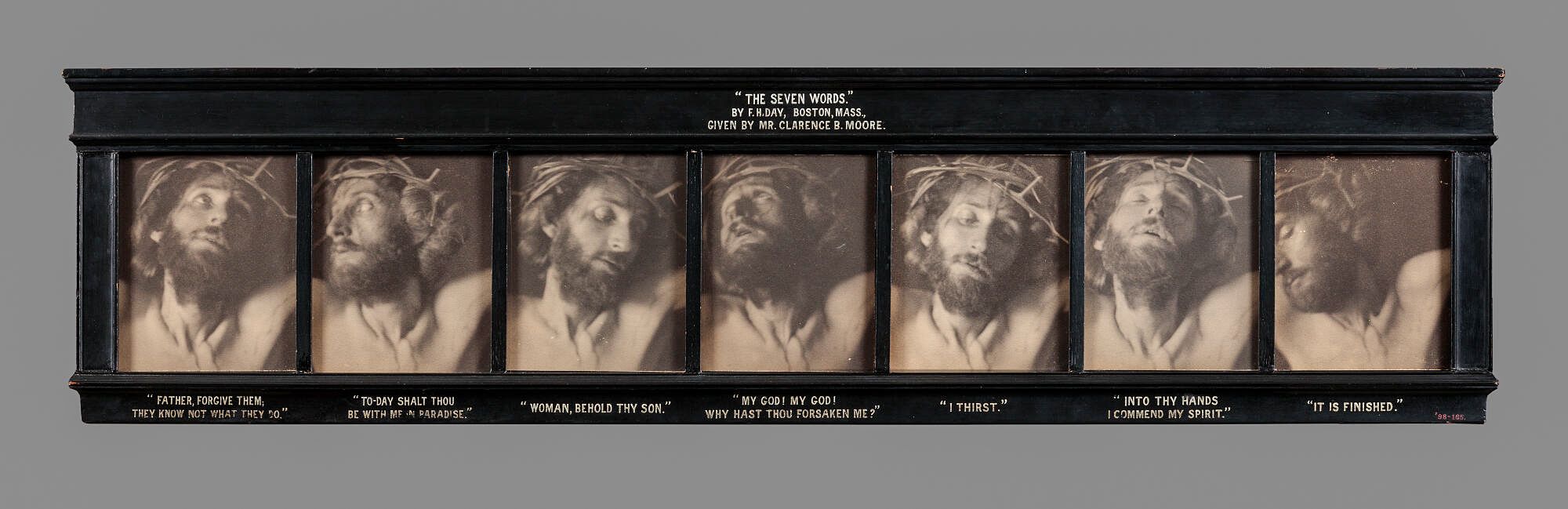
It is also vital to understand that The Seven Words was not an isolated creative experiment, but rather the culmination of an immense, multi-year undertaking. Between 1895 and 1898, Day shot approximately 250 individual glass plates depicting various scenes from the life of Christ, tracing a narrative arc from the Annunciation all the way through to the Resurrection. True to his uncompromising artistic vision, Day took on the title role of Christ himself throughout the entire grand sequence. Erin Corrales-Diaz, the Toledo Museum of Art’s curator of American art, notes the extreme technical and artistic difficulty of the endeavor, pointing out that out of those ambitious 250 plates, only about a dozen were ultimately deemed successful by the uncompromising photographer.
Painterly Quality
What immediately strikes many viewers upon encountering The Seven Words is their distinct painterly quality, an aesthetic effect that was entirely deliberate. At the turn of the century, Day was a passionate and influential advocate of Pictorialism, an international artistic movement that vehemently championed the idea that photography deserved to be recognized and treated as a legitimate fine art, standing proudly on an equal footing with painting and sculpture. Pictorialists deliberately rejected the notion of photography as a purely mechanical or documentary tool, favoring soft focus, meticulous staging, delicate hand-manipulation of negatives, and expressive printing techniques like platinum printing. Through this lens, Day’s insistence on crafting deeply emotional, narrative-driven art photography makes him feel astonishingly ahead of his time.
Back in the late nineteenth century, however, the contemporary art and religious worlds were deeply divided over such bold artistic liberties. When The Seven Words debuted, a significant segment of the viewing public felt profoundly uncomfortable with the application of cutting-edge photographic technology to sacred, deeply religious subjects. While Victorian audiences were well accustomed to viewing painted interpretations of the crucifixion in European cathedrals and galleries, seeing a living, breathing man sweating, bleeding, and visibly suffering under a crown of thorns through the hyper-realistic lens of a camera proved to be a startling and unsettling jolt.
Despite the initial controversy, public discomfort alone does not fully explain why the work drifted into historical obscurity. In fact, many prominent religious leaders of the era genuinely approved of the series, recognizing its solemn devotion and spiritual gravity. Renowned photographer Edward Steichen was also a passionate admirer of Day’s work, writing with high praise that "few paintings contain as much that is spiritual and sacred in them."
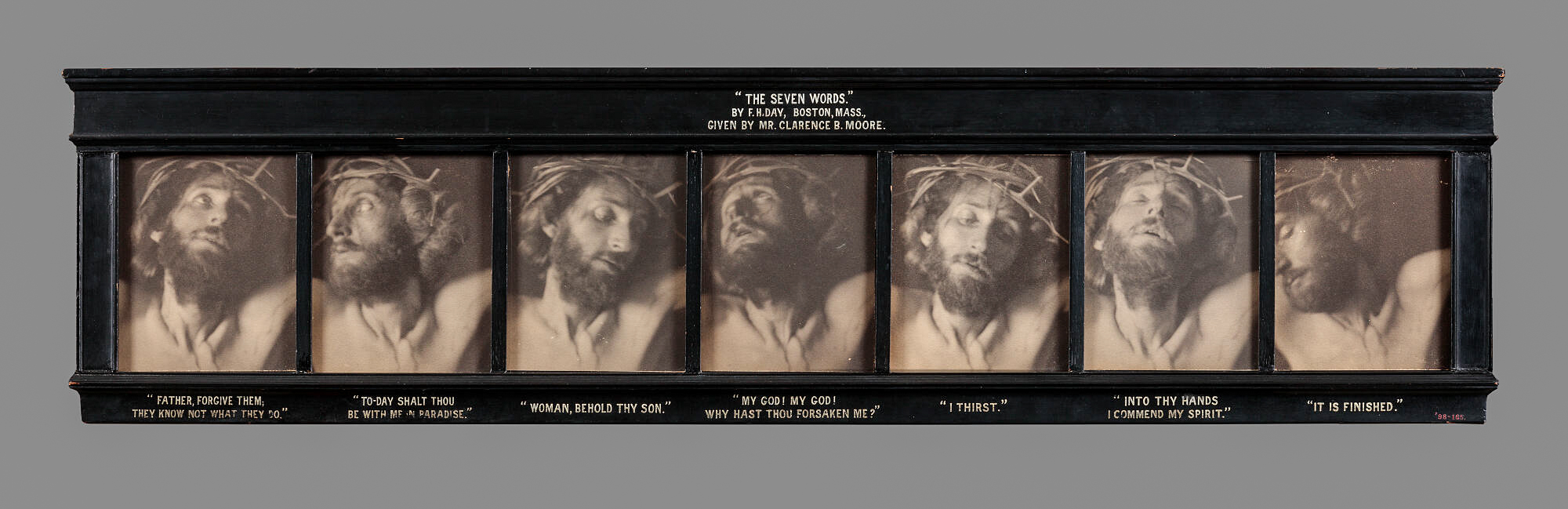
Instead, a more significant factor in the work’s long eclipse was that Day himself was gradually pushed to the margins of standard photographic history. Over the decades, he was severely overshadowed by his ambitious contemporary and professional rival, Alfred Stieglitz, who played a monumental role in shaping the modern narrative of American art photography. Combine this historiographical shift with a challenging, provocative subject matter that traditional art history textbooks never quite knew how to categorize or discuss comfortably, and it becomes easy to understand why, more than a century later, the vast majority of art enthusiasts have never heard of The Seven Words.
This historical oversight makes the Toledo Museum of Art’s recent acquisition all the more significant for the preservation and reexamination of photographic history. The Seven Words is scheduled to go back on public display when the Toledo Museum of Art officially reopens its newly reinstalled permanent collection galleries in the autumn of 2027.