In the fast-paced world of commercial production, music and sound design studios are almost invariably brought in toward the tail end of a project’s lifecycle. Tasked with scoring pre-edited visuals or slapping audio onto a completed cut, sonic artists rarely find themselves with a seat at the table during the formative stages of concept development. Seeking to challenge this traditional industry standard, the creative crew at the acclaimed audio and music studio Cypher has entirely flipped the script with the release of their ambitious new project, the first entry in an ongoing series titled Sonic Studies.
The inaugural film, focusing on textiles and fashion, serves as a direct manifesto-in-motion for how audio can dictate rhythm, texture, and character rather than merely reacting to them. Rather than relying on a traditional highlight reel or a standard corporate manifesto to showcase their capabilities, the team at Cypher chose to construct an immersive, experimental sandbox where sound and picture are born together from the ground up.
Redefining the Relationship Between Sound and Vision
At the heart of this creative initiative is John Black, the founder and creative director of Cypher. Reflecting on the motivations behind the new series, Black sheds light on the creative frustrations that often plague sonic artists in the commercial space.
"As sonic artists, we often don’t have any meaningful input on the subject or structure of commercial projects," Black explains, articulating a sentiment shared by many in the audio post-production community. "So we wanted a way to showcase our approach to crafting music and sound design to picture—not a reel, not a manifesto, but a series of sonic studies."

By stripping away the typical constraints, briefs, and external client demands of commercial commissions, Cypher has created a platform for pure experimentation. The result is a project that bridges the gap between tactile craftsmanship and audio manipulation, demonstrating how deep immersion in a physical medium can yield entirely fresh audiovisual storytelling.
From Sewing to Sound: The Genesis of Textiles & Fashion
The conceptual roots of Sonic Studies #1 stem from a personal project by team member Joseph Sims, whose ongoing interest in connecting his professional work in audio with the physical arts of sewing and textile construction provided the spark for the entire enterprise.

Rather than sourcing generic stock foley or synthetic audio libraries, the creative starting point for the film was a physical jacket crafted by Sims himself. This hands-on approach gave the studio direct, unmitigated access to the actual fabrics, tools, and heavy-duty machines involved in the garment’s creation. Every zipper, seam, shear of fabric, and mechanical stitch served a dual purpose: acting simultaneously as a visual subject for the camera and as the primary source material for field recording.
In traditional sound design, artists frequently take liberties with the inherent disconnect between what an audience sees and what they hear. They routinely rely on sonic substitutes—sounds that may have little to no physical connection to the objects on screen, but which successfully trick the viewer’s brain into perceiving the right movement, texture, or emotional weight.
Cypher decided to subvert this convention for Sonic Studies #1. Instead of substituting audio, they worked directly with the sounds that genuinely belonged to the subject matter. However, true to their innovative artistic vision, they did not leave these recordings untouched. The team manipulated, warped, and fractured the raw audio files, artfully pushing them into abstract sonic territories without ever severing the underlying visceral connection to the physical source.
Minimalism and Rhythmic Editing
While the audio design underwent complex distortion and transformation, the visual language of the film took the opposite path toward restraint. To ensure that the intricate sound design remained the undisputed focal point, the creators deliberately kept the imagery raw, minimal, and understated.

For the visual execution, the team relied on a combination of simple animation techniques, physical scanned materials, basic image processing, and textural footage. By allowing the imagery to remain uncluttered and unpretentious, Cypher successfully created a cinematic canvas where the sound could actively shape the rhythm, pacing, and overall character of the edit. The visuals do not dictate the audio; instead, the audio breathes life into the visual elements, guiding the viewer through a hypnotic exploration of fabric and form.
As the production team moved deeper into the project, they uncovered a profound conceptual and structural relationship between the worlds of sewing and sound design. At their core, both disciplines require the exact same mental framework: gathering raw inputs, manipulating disparate elements, and assembling them into a cohesive, structured final product. Whether threading a needle through heavy wool or layering frequencies in a digital audio workstation, the process is fundamentally one of tactile construction. This realization allowed the studio to bring those two parallel practices together, resulting in a cohesive study that successfully sidesteps the usual creative boundaries of a commercial brief.
Images
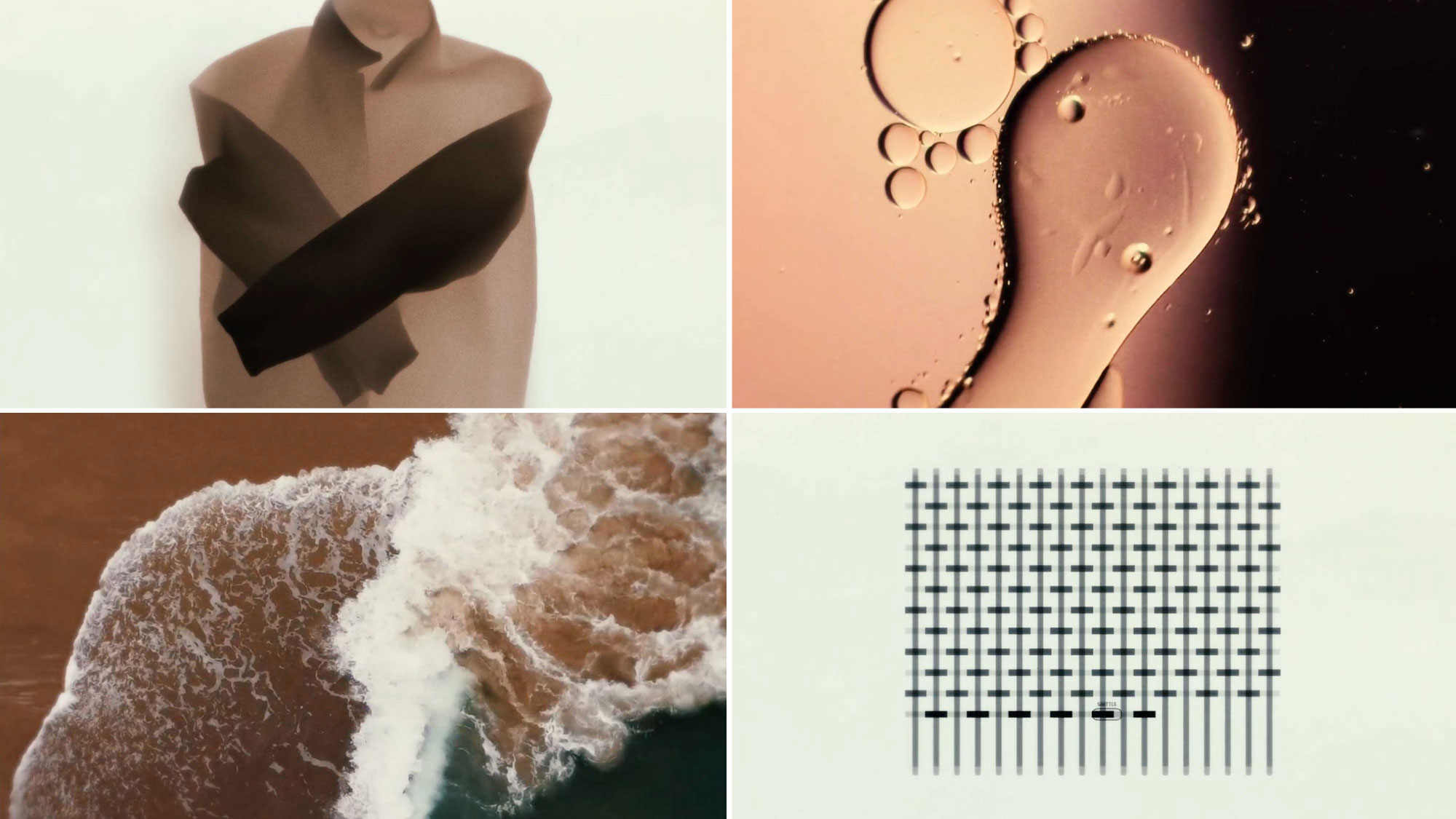
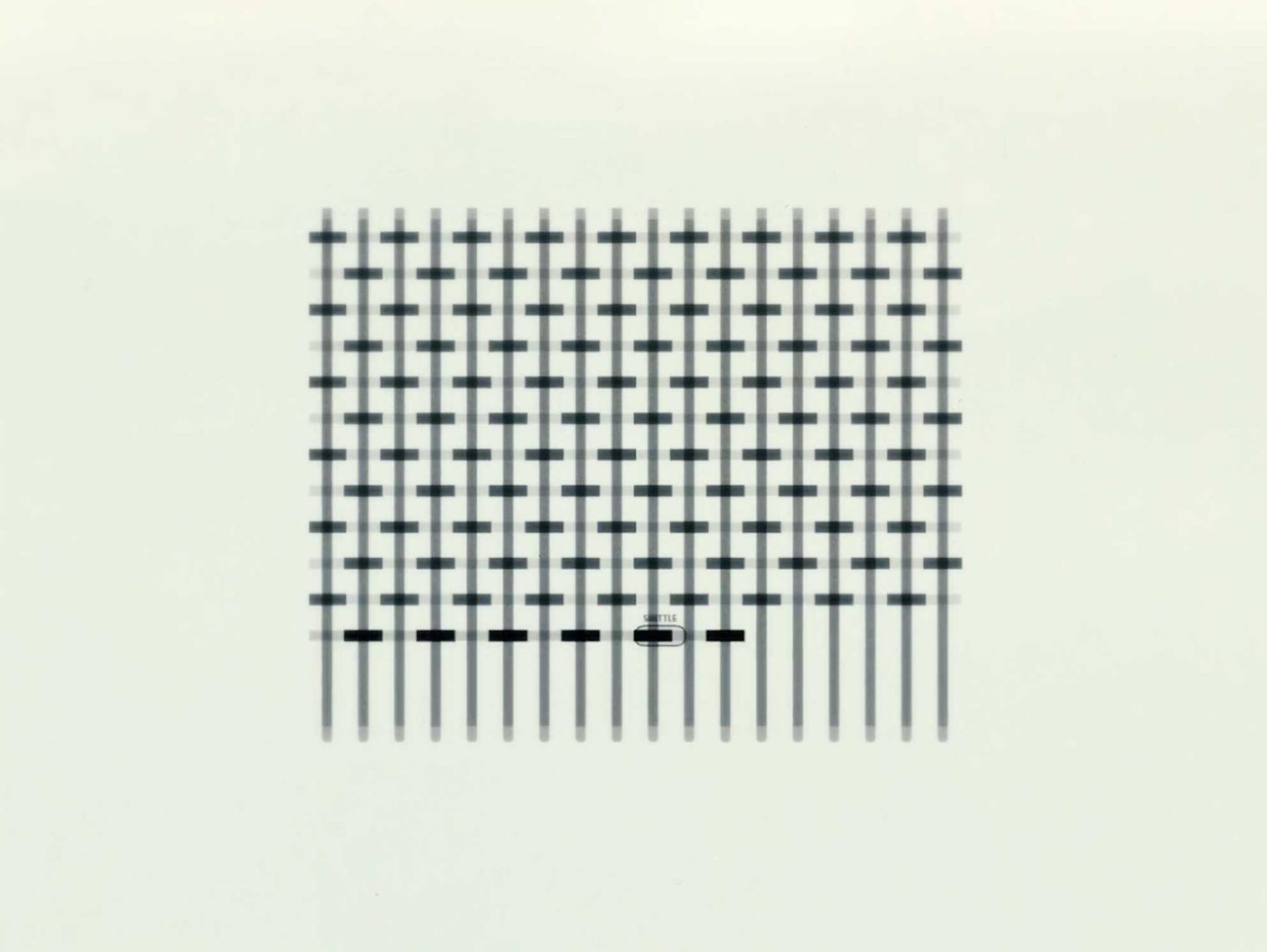
The visual texture of Sonic Studies #1 is captured in a series of striking frames released alongside the project. Among them is a mesmerizing close-up of circular oil droplets suspended in liquid, showcasing the organic, fluid textures that inform the broader aesthetic of the study. Another striking frame presents a stark, black-and-white grid of overlapping vertical and horizontal textile bars, anchored subtly by a small rectangular label reading "SHUTTLE" near the bottom edge.
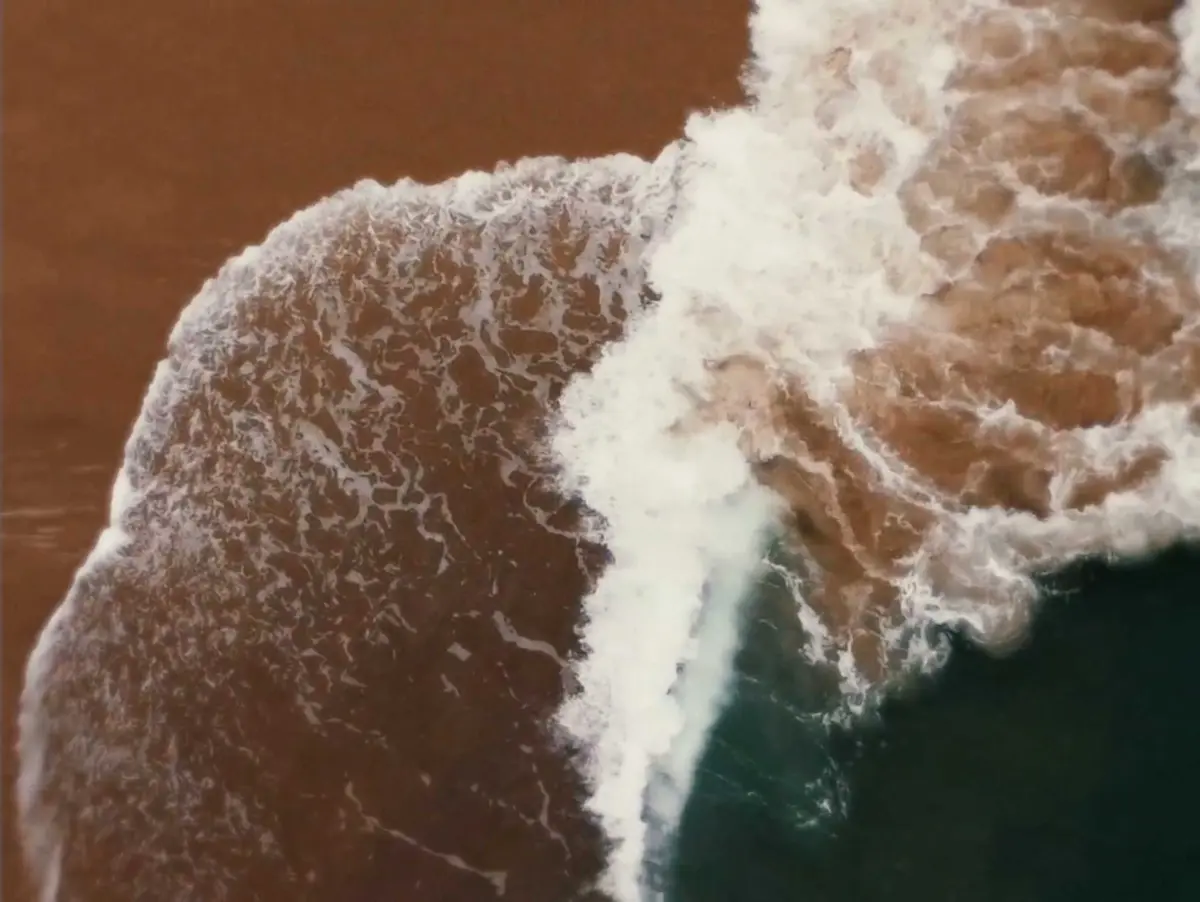
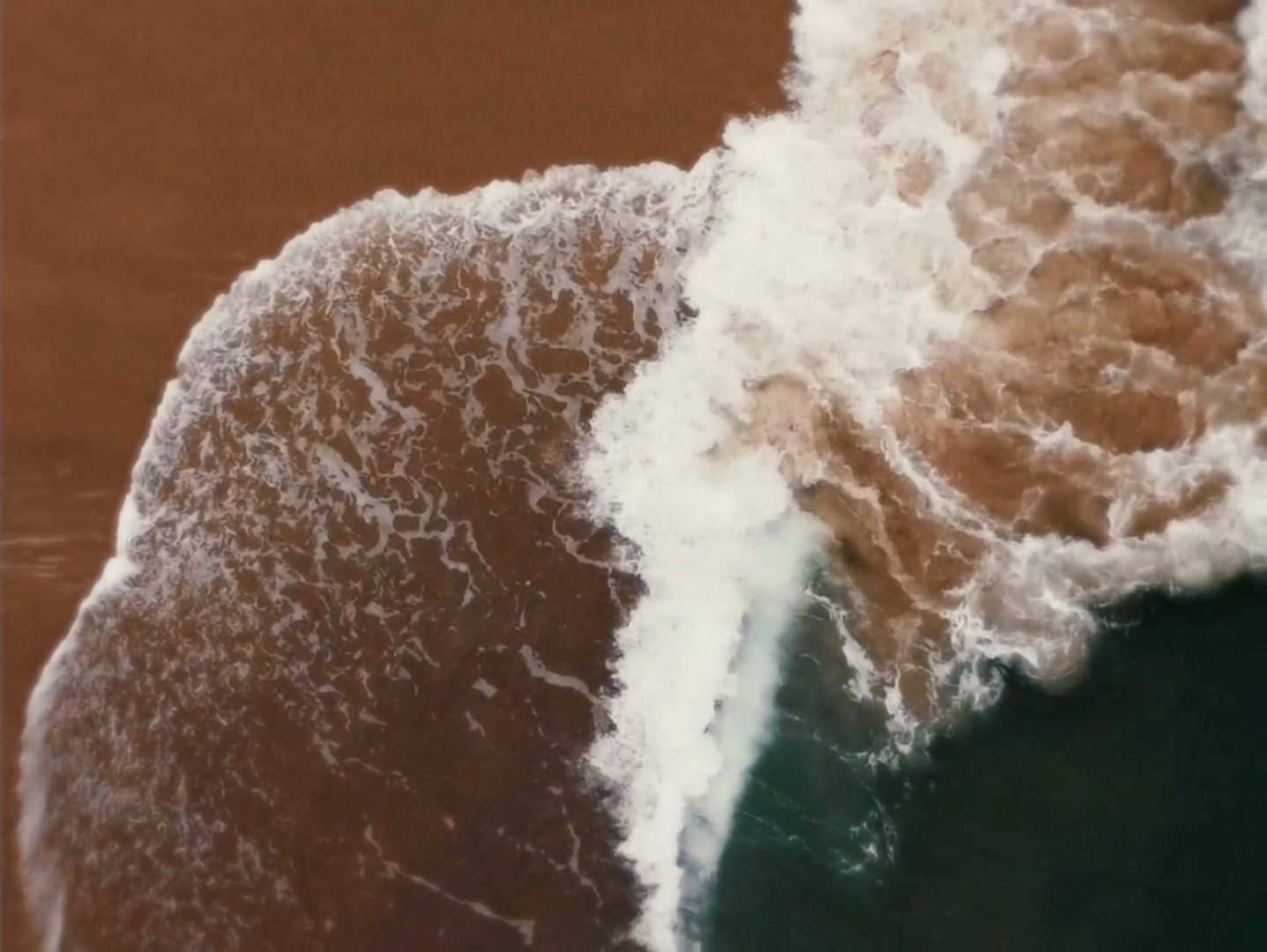
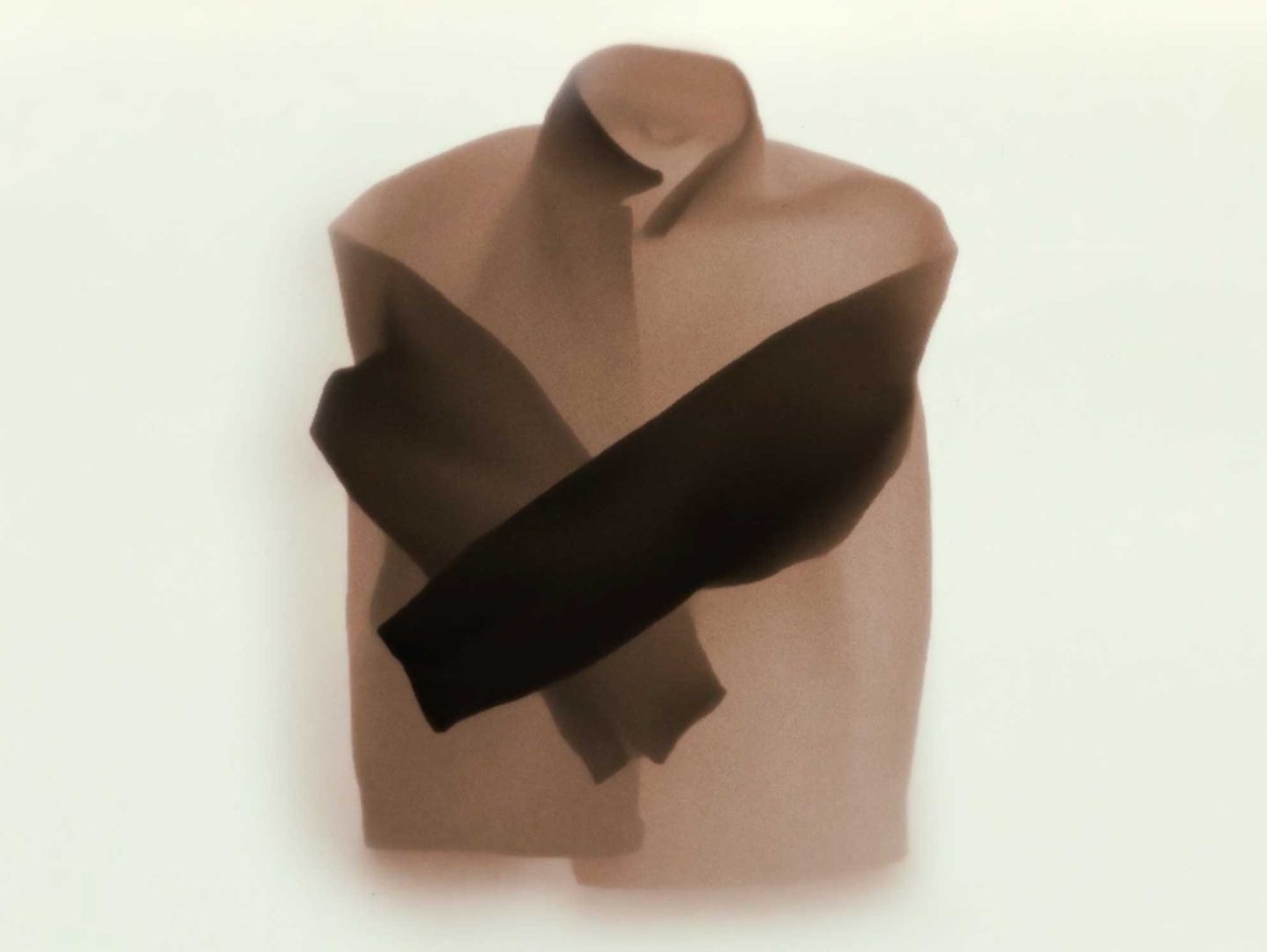
Further exploring the theme of texture, the project features abstract, soft-focus compositions, including a view of a desert sand dune characterized by a dark, curved ridge line that echoes the complex rhythms of a sonic arrangement. Other frames capture the fluid motion of an ocean wave breaking onto a sandy shore, as well as a blurry, semi-transparent shirt with long sleeves crossed over the chest, directly referencing the fashion and textile foundations of the experiment.
Credits
The realization of Sonic Studies #1: Textiles & Fashion was a collaborative effort driven by the core team at Cypher. Music and sound design for the project were handled entirely by the studio, with John Black spearheading the production as founder, creative director, and sound designer. Original music for the immersive piece was composed by Joris van Grunsven, while the audio mix, animation, and editing were executed by Joseph Sims, whose initial foray into garment construction provided the foundational spark for the entire creative endeavor.