In an era defined by constant connectivity, a growing number of people are growing increasingly conscious of the sheer volume of time they spend scrolling through smart devices. From endless feeds to habitual app-checking, digital distraction has become a major modern challenge. While various software tools, app blockers, and software-based time limits have emerged to help users curb compulsive phone habits, they often come with a distinct irony: the solution to reducing screen time is frequently found right back on a screen.
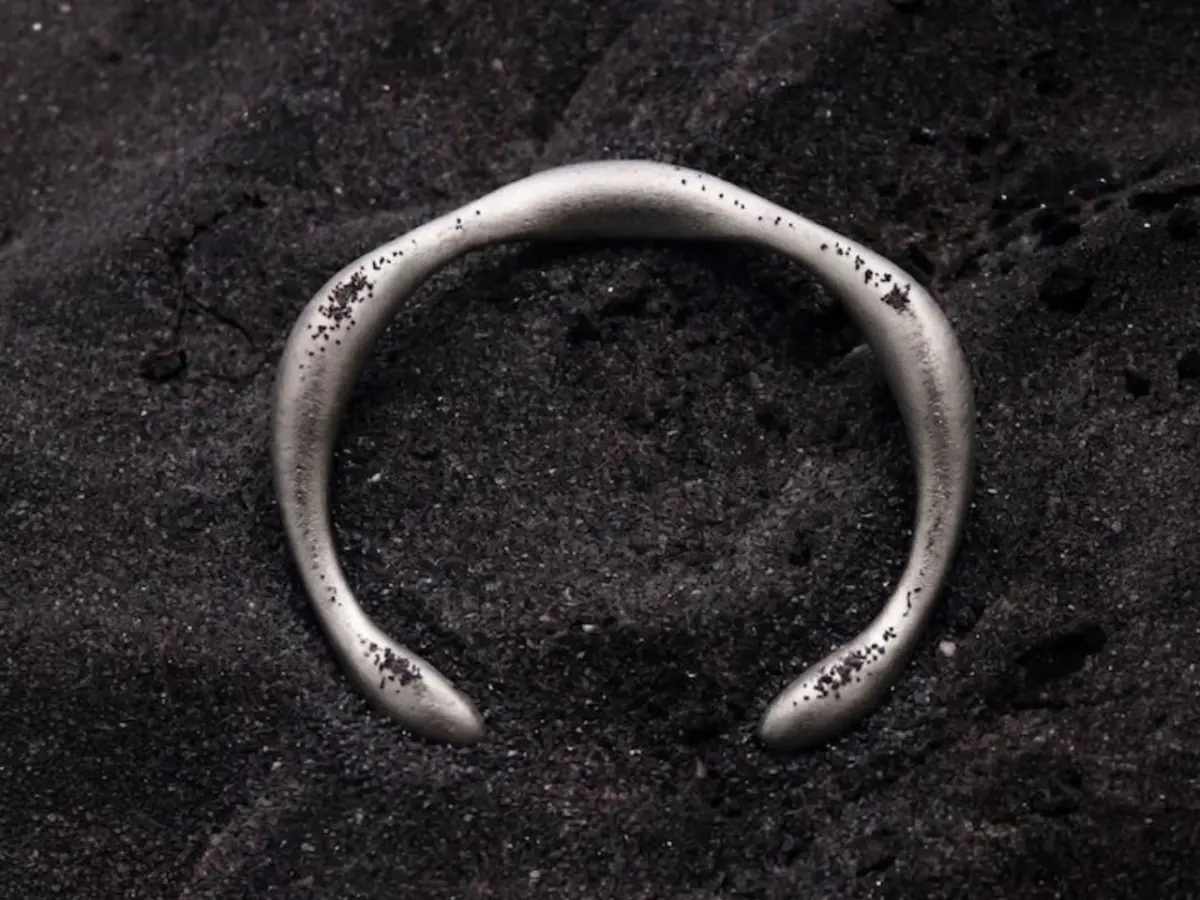
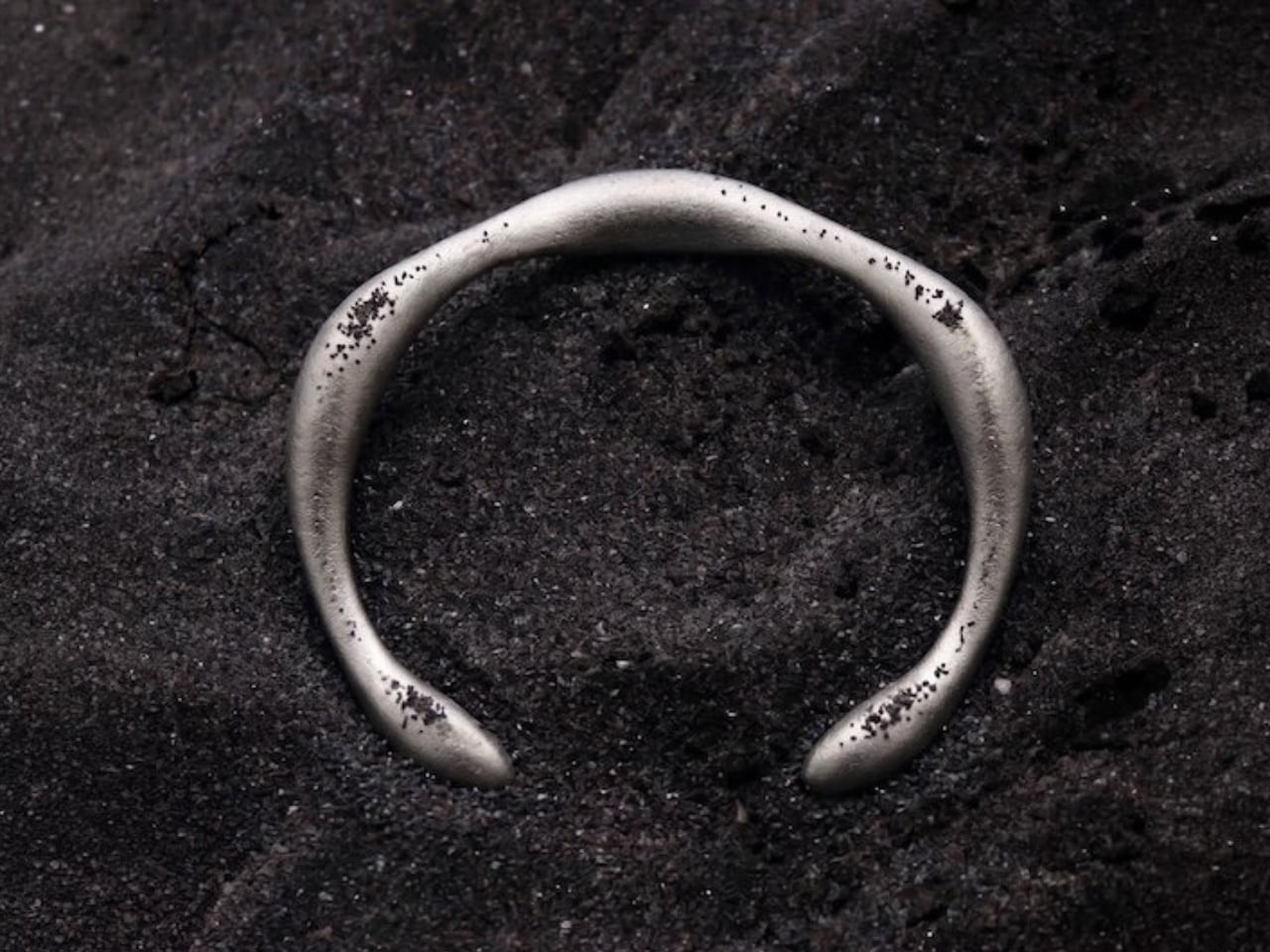
Seeking to break this cycle without introducing yet another interface to monitor, Belgian design studio Futurewave has introduced a striking conceptual solution. Entitled Arc, the project envisions a sculptural bracelet that connects to a user’s smartphone to combat doomscrolling and digital fatigue. Rather than locking users out of their applications or bombarding them with flashing notifications, the wearable relies on a discreet, tactile approach designed to help people regain awareness of their habits while remaining fashionable.
The core functionality of Arc is centered around intention rather than restriction. Through a phone-accessible companion portal, users can select specific apps and establish time limits for uninterrupted use across them. Once that predetermined window closes, the bracelet delivers a gentle, tactile nudge directly to the wearer’s wrist, serving as a subtle reminder to put the phone away.
Crafted with aesthetics in mind, Arc is proposed to be constructed from Argentium silver, making it easy to seamlessly integrate into daily wardrobes and various styles of dress. Crucially, the bracelet features no digital display to check and no buttons to press, completely removing the temptation to interact with the device itself. Instead, internal engineering relies on a specialized piezoelectric component designed to transmit a brief mechanical pulse through the silver metal and directly onto the wearer’s skin.
According to Futurewave’s design specifications, the physical feedback is calibrated to be polite yet noticeable. After the initial reminder is delivered, the bracelet will grant one additional identical pulse if the user chooses to continue scrolling. Following that second warning, however, the system steps back entirely. The mechanism deliberately avoids continuous or escalating feedback, ensuring wearers are not subjected to an endless barrage of notifications until they comply. Furthermore, the studio emphasizes that these are strictly mechanical pulses rather than electric shocks.
This jewelry-first design philosophy addresses a common grievance among consumers who dislike wearing conventional fitness trackers or smartbands that broadcast their health metrics or notification loads to the world. By prioritizing a continuous, organic metal form that doubles as a standalone piece of jewelry, Arc aims to blend seamlessly into a user’s personal aesthetic. Individuals unfamiliar with the bracelet’s digital purpose would likely mistake it for a contemporary fashion accessory, with its unique shape serving as a potential conversation starter rather than an obvious productivity tool. The absence of a glowing screen ensures that reminders remain entirely private, avoiding awkward moments in social or professional settings.
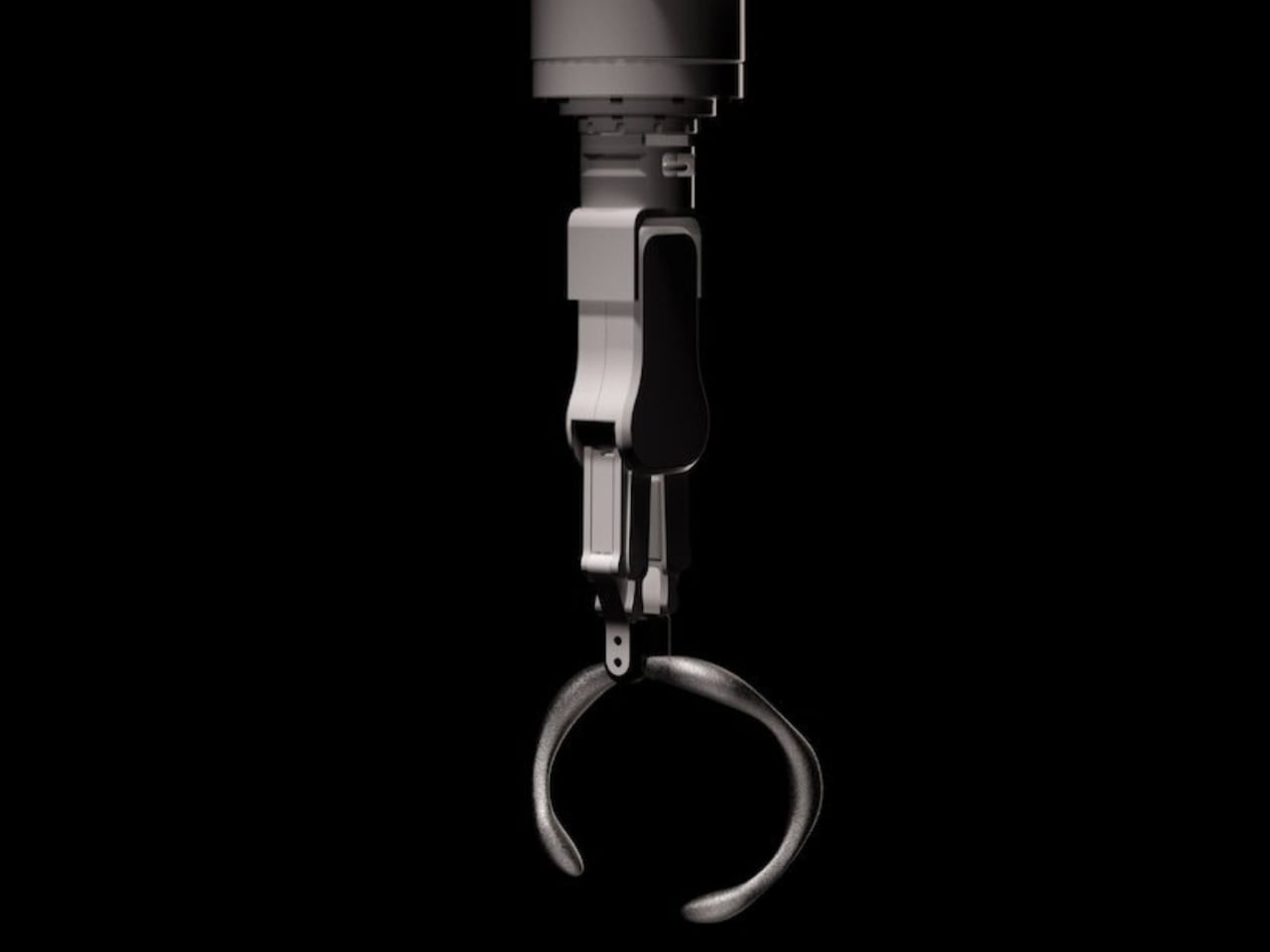
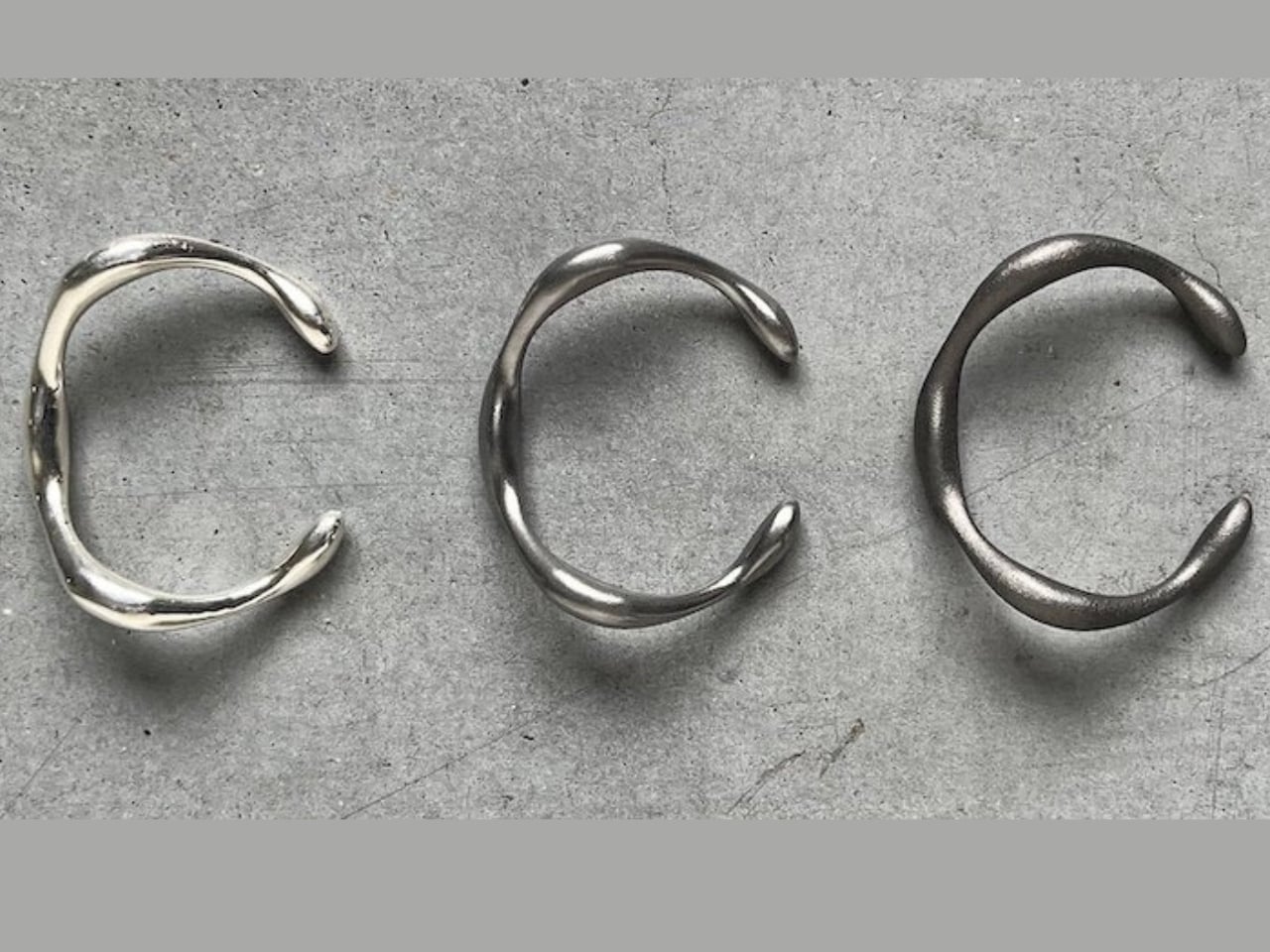
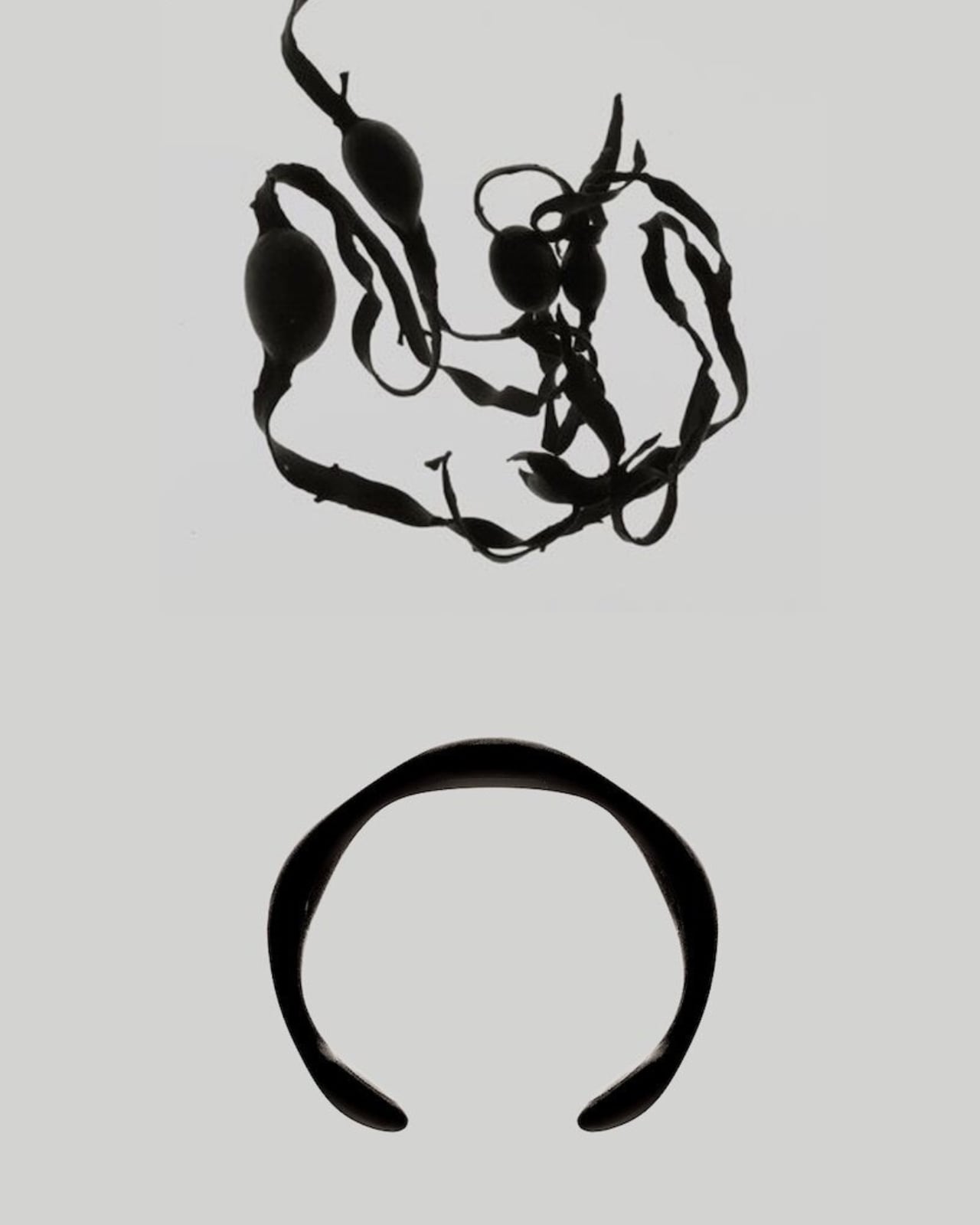
The physical form of the bracelet is deeply rooted in historical and biological inspirations rather than merely serving as a hollow shell to conceal internal technology. Futurewave reinterprets the traditional torc—an open-ended ancient metal ornament—by designing rounded volumes that flow along a single continuous curve. During the conceptualization phase, the design team drew structural and visual references from natural biological forms such as rib cages, wishbones, and seed pods. To preserve the purity of this sculptural line, the bracelet features no clasps, hinges, or separate fastening mechanisms. Instead, the continuous form carries the design entirely on its own, a feat achieved through rigorous development that included numerous 3D-printed form studies alongside physical prototypes crafted in stainless steel and titanium.
Beneath its polished metallic exterior lies a compact technological architecture. The proposed interior houses a flexible circuit board meticulously shaped to follow the bracelet’s distinct curve, paired with Bluetooth Low Energy connectivity for seamless smartphone pairing and a curved 25 milliamp-hour battery. While these technical specifications clearly outline how Futurewave intends to pack modern electronics inside a piece of fine jewelry, the exact battery capacity alone leaves open questions regarding real-world battery life and how frequently a user would need to dock the bracelet for recharging.
Perhaps the most significant aspect of Arc’s philosophy is its deliberate refusal to forcefully restrict user behavior. The bracelet does not physically block access to applications, nor does it lock the user’s phone screen. Instead, Futurewave’s proposal deliberately leaves the ultimate decision entirely up to the individual. This approach is tailor-made for users who prefer gentle self-awareness over heavy-handed digital lockouts, particularly in scenarios where a quick check of a message or notification quietly spirals into an extended, unintended browsing session. At the same time, this design choice means that users possess the absolute freedom to completely ignore both tactile pulses. While the bracelet functions effectively as an instrument to highlight unconscious habits, the responsibility of following through and putting the device down ultimately rests with the wearer.
At present, Arc remains strictly a conceptual design with no official manufacturing timeline or public launch date announced. Consequently, its long-term efficacy in shifting entrenched screen-time habits remains speculative rather than proven. However, Futurewave has factored longevity into the physical artifact itself, intending for the bracelet to remain fully wearable as a conventional piece of jewelry even if its internal electronics eventually degrade or stop working. This forward-thinking approach provides a practical rationale for ownership, ensuring that users would not be forced to discard the item into a drawer alongside obsolete electronics when its digital lifecycle ends.