Italian photographer Giovanna Silva never expected her artistic trajectory to intersect with the pulsating, bass-heavy world of discotheques. When the Monditalia section of the 2014 Venice Architecture Biennale commissioned her to investigate the architecture of Italian nightlife, Silva found herself stepping into a realm that was entirely foreign to her. At the time, the exhibition was merely a conceptual blueprint, but the research has since evolved into a comprehensive book titled NIGHTSWIMMING: Discotheques from the 1960s to the Present. Looking back on the journey, Silva admits that her initial unfamiliarity with the subject provided her with an unconventional, detached lens—one that demanded strict restraint against her natural photographic compulsions, yet allowed her to capture the spatial evolution of the club scene with remarkable clarity.
To build a foundation for a world she barely knew, Silva and her collaborators began by assembling the existing literature on discotheque architecture. This archival deep-dive was essential because nightlife venues are inherently volatile structures. Unlike traditional architectural monuments designed to withstand the test of time, discotheques must constantly reinvent their physical appearance. They are hyper-responsive spaces, forced to shift shapes continuously to keep pace with fast-moving fashion trends, evolving musical genres, and rapid advancements in lighting and sound technology. Consequently, published books served as the primary visual roadmap for unearthing the history of spaces that had long since been remodeled or demolished. Through these pages, Silva did not just encounter floor plans and design sketches; she discovered the real human architects of the nocturnal experience—critics, visionary architects, pioneering DJs, art directors, and club owners whom she affectionately describes as the "night swimmers."
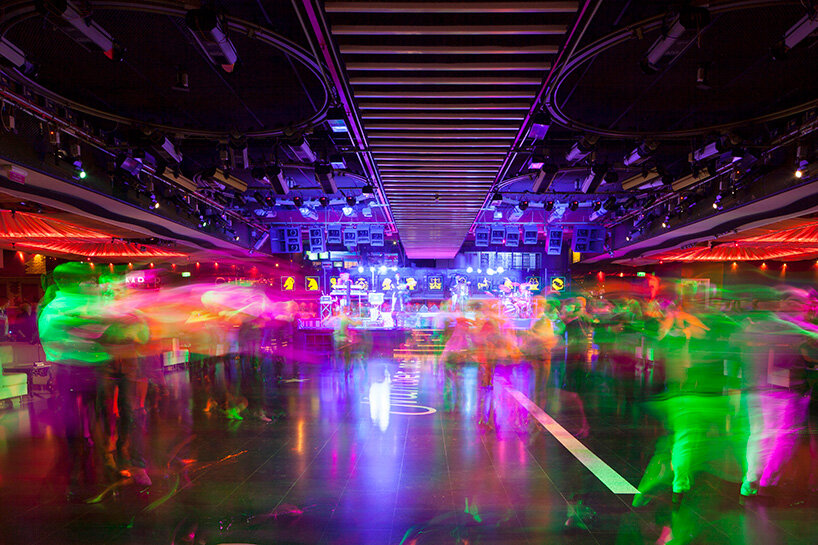
Mapping the Evolution of European Nightlife
Once the scope expanded beyond Italy, Silva and her team turned their analytical gaze toward four major European capitals: Berlin, London, Paris, and Barcelona. Selecting the right locations within these vibrant metropolises proved to be a formidable challenge. While the presentation at the Venice Biennale required an exhaustive catalog, the book demanded selective curation. The goal was to highlight clubs that held significant historical, social, and musical weight while possessing genuinely compelling architectural qualities.
Through her lens, Silva sought to document the discotheques that define the contemporary perception of the night. Her photographs reveal a fascinating trend in modern urban culture: the increasing phenomenon of non-traditional spaces being temporarily occupied and transformed into clandestine party locations. From industrial warehouses to abandoned commercial lots, these modern dance floors represent a legalized, institutionalized evolution of the rave culture that first emerged in the 1990s.
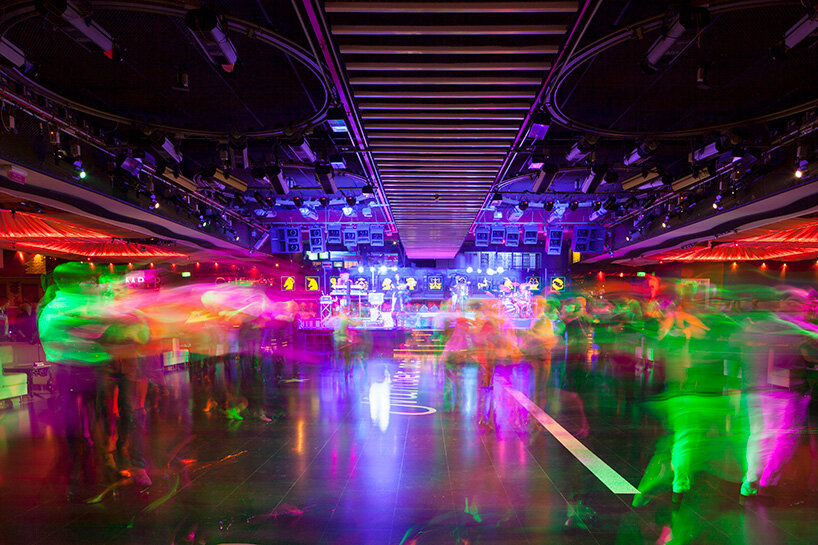
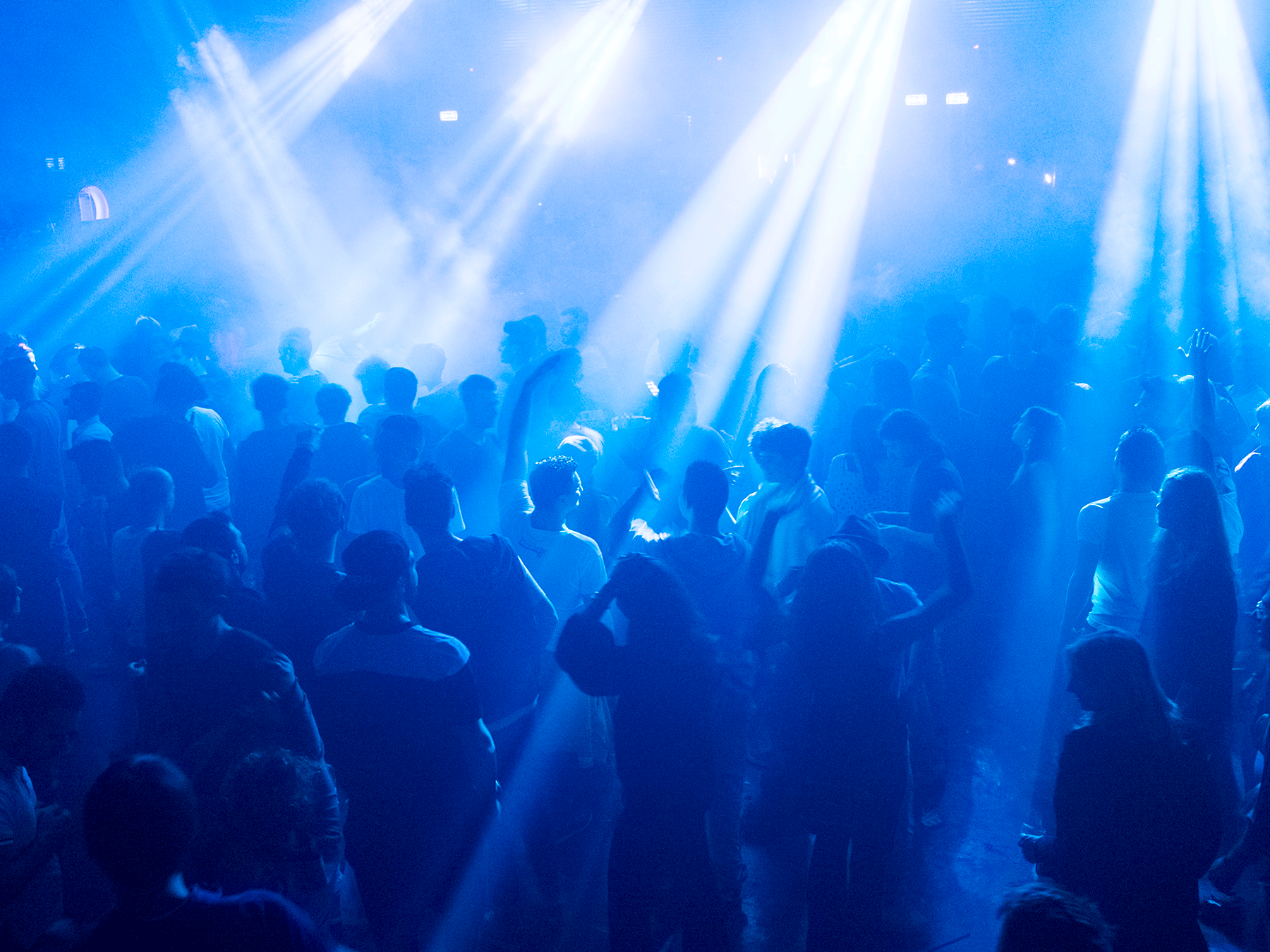
Silva’s photographs capture these chameleon-like spaces in varying states of undress—sometimes completely empty in the harsh light of day, and other times heaving with crowds. Through these contrasting frames, she highlights how human bodies and collective energy momentarily erase the rigid boundaries of physical architecture, turning static structures into fluid, dynamic environments.
The Sensory Markers of the Night: Smell and Light
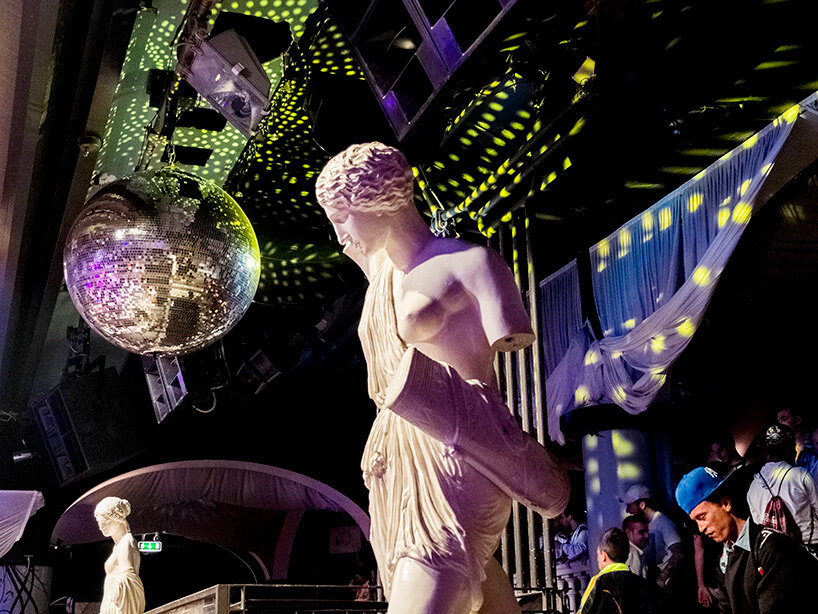
For Silva, entering these architectural marvels during daylight hours always triggered an immediate sensory reaction, starting with scent. Long before a shutter clicked, she was greeted by an olfactory signature that served as a universal constant across different countries and decades. Describing it as a nocturnal "madeleine," she notes that every club carried the exact same lingering aroma—a complex, uncanny mixture of heavy human presence, residual smoke, and industrial cleaning detergents. It remains an open question for the photographer whether this is simply the authentic smell of the night itself or merely the chemical footprint left behind by morning sanitization crews.
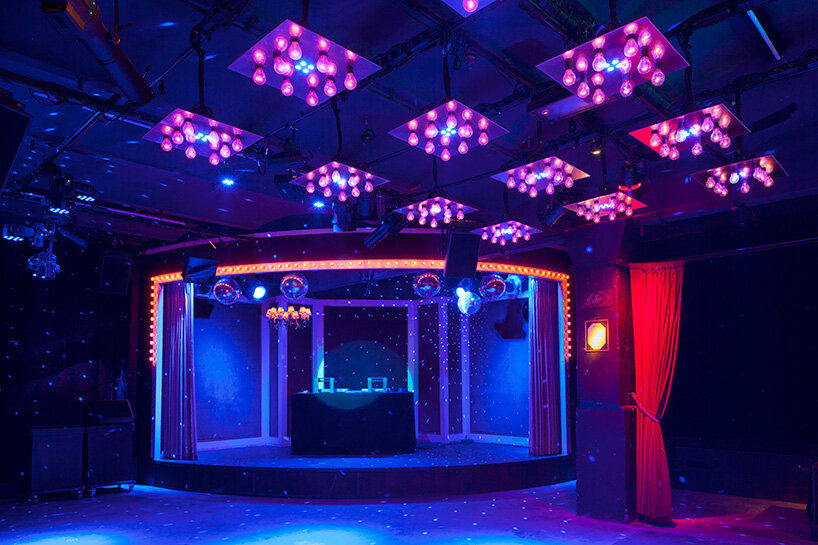
Beyond scent, the defining element of any discotheque is light. Silva quickly learned a foundational truth about the architecture of entertainment: discotheques are much like aging performers who should never be seen without their stage makeup. Light performs the vital magic trick of the nocturnal world, capable of utterly transfiguring a room at the flick of a switch. To capture the raw, unadorned reality of these spaces, Silva frequently shot certain interiors using flat, clinical white light. This stark illumination strips away the illusion, laying bare the structural bones of rooms that usually exist only in a haze of shadows and lasers.
What began as a detached, academic assignment gradually transformed into an intimate familiarity. Over months of investigating the hidden anatomy of European nightlife, Silva came to understand the complex poetry of the dark. It is a transformation she attributes to the countless guides who took the time to patiently explain to her what the night truly means.
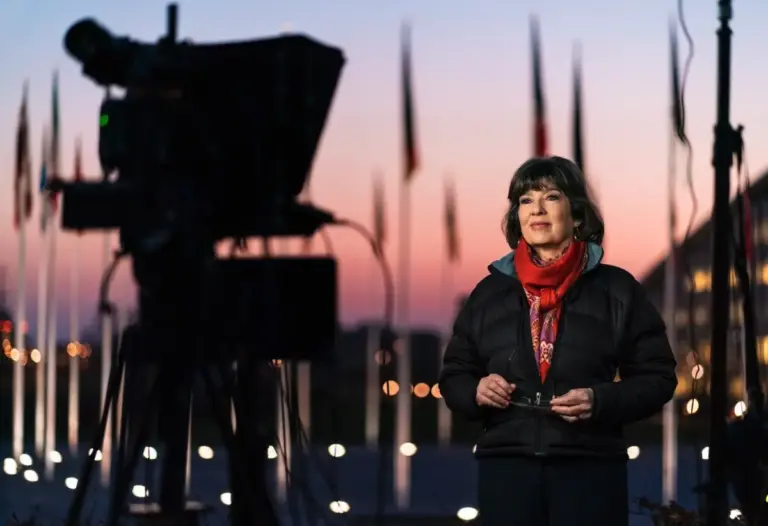
Born in Milan in 1980, Giovanna Silva has built a diverse career bridging photography, publishing, and architectural discourse. Between 2005 and 2007, she contributed regularly to Domus magazine before serving as the photo editor for Abitare from 2007 to 2011. Her extensive bibliography includes numerous acclaimed photographic books exploring geopolitics, urban landscapes, and overlooked spaces, ranging from Baghdad: Red Zone, Green Zone and Syria: A Travel Guide to Disappearance to Saudiscapes and Niemeyer4ever. Beyond her lens-based practice, Silva is deeply embedded in the cultural infrastructure of design and publishing as the founder of Humboldt Books and San Rocco Magazine, and she shares her expertise as an educator at NABA Milan and ISIA Urbino.