The retro tech company Tin Can, which successfully reinvented the landline telephone for modern children, is now preparing to introduce Generation Alpha to another blast from the past: the Rolodex. Following a massive wave of popularity that saw its flagship screen-free device capture the imagination of families nationwide, the brand is rolling out its first non-phone products alongside a fresh hardware variant as part of an ambitious push into the children’s electronics market.
The brand’s core product, the $100 Tin Can phone, earned its whimsical name from its chunky, playful form factor. Designed as a Wi-Fi-enabled, screen-free landline, the device comes complete with a tangible spiral cord and an authentic dial tone. Since its official debut in June 2025, the phone has experienced unprecedented demand, selling out seven consecutive production batches. This rapid turnover equates to hundreds of thousands of units finding their way into homes across the country, turning a nostalgic concept into a contemporary household staple.
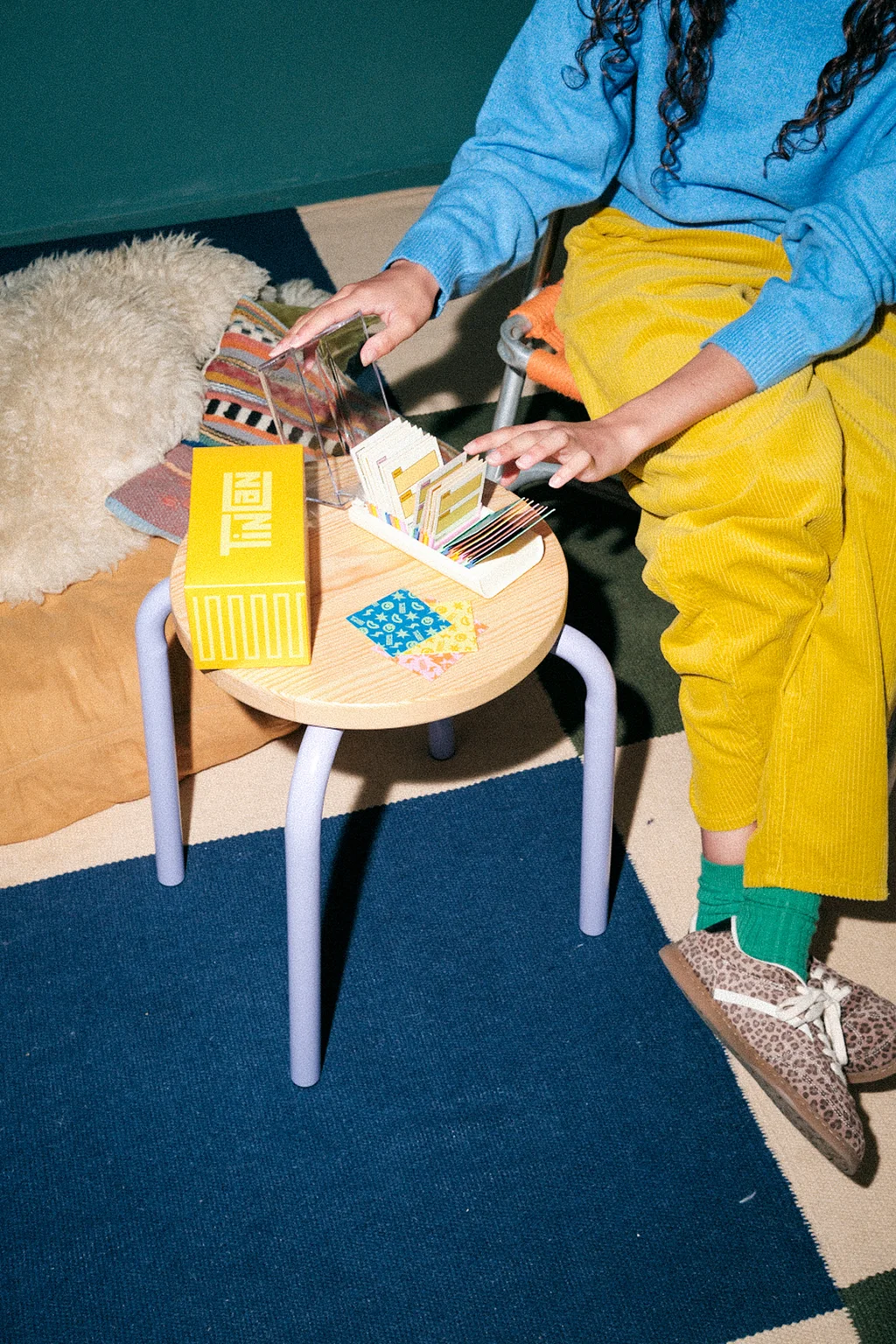
Now, just over a year after launching the original device, Tin Can is branching out with its very first non-phone products. Among the new offerings are Twirly Cord Charms, which allow kids to personalize and accessorize their gadgets, retailing at $20 for a pack of five. More notably, the company is introducing the Contact Keeper, a $40 modern, down-to-earth spin on the classic office Rolodex, tailored specifically for a new generation of users. In tandem with these lifestyle accessories, the brand is also releasing a new version of its core communication device featuring entirely translucent hardware, aptly named the Technicaller Clear.

For Tin Can’s founder and CEO, Chet Kittleson, this broader product expansion is not just a seasonal update, but part of a much grander aspiration. Kittleson’s ultimate goal is to see a Tin Can device planted firmly in the homes of every elementary and middle schooler across the nation, establishing a secure, screen-free communications ecosystem for young children.
Tin Can Takes Off
The underlying concept for Tin Can struck Kittleson after a relatable family moment involving his young daughter, Emma. Emma had lamented the frustrating reality that she always had to go through her parents to coordinate playtime or make any casual social plans with her friends. Reflecting on the situation, Kittleson previously shared with Fast Company that the incident brought back memories of his own youth: "I was like, ‘Man, when we were kids, our first social network was the landline.’"
That realization arrived at a distinct cultural crossroads. Over recent years, countless companies have targeted adult desires to curb digital consumption and combat burnout through products like minimalist dumbphones and restrictive app blockers. However, Kittleson zeroed in on a less crowded, highly relevant niche: screen-free technology built specifically for kids. By prioritizing physical interaction over algorithmic feeds, the concept struck an immediate chord with parents and children alike, driving massive commercial success.
As Tin Can has steadily scaled its manufacturing inventory with each consecutive production batch, consumer interest has consistently outpaced supply. For the vast majority of the company’s early history, eager customers faced waiting periods of between two and three months just to receive their phones due to the combination of high demand and tight initial stock. However, that bottleneck has finally cleared. Kittleson notes that after investing heavily in strengthening the company’s supply chain, manufacturing partnerships, and operational logistics, Tin Can has successfully brought its standard shipping timeline down to approximately three business days for the first time since the brand’s launch.
A major driver behind the product’s rapid adoption has been organic word-of-mouth marketing. This grassroots momentum is largely built into the design of the device itself; the phone’s free tier restricts outgoing and incoming calls exclusively to other Tin Can devices, alongside emergency 911 services. Because children naturally talk about their day at school and want to stay connected with their classmates after hours, word has spread rapidly through classrooms nationwide. According to Kittleson, this dynamic has cultivated a robust, closed-loop user network where kids are actively taking ownership of the hardware and integrating it seamlessly into their daily social lives.