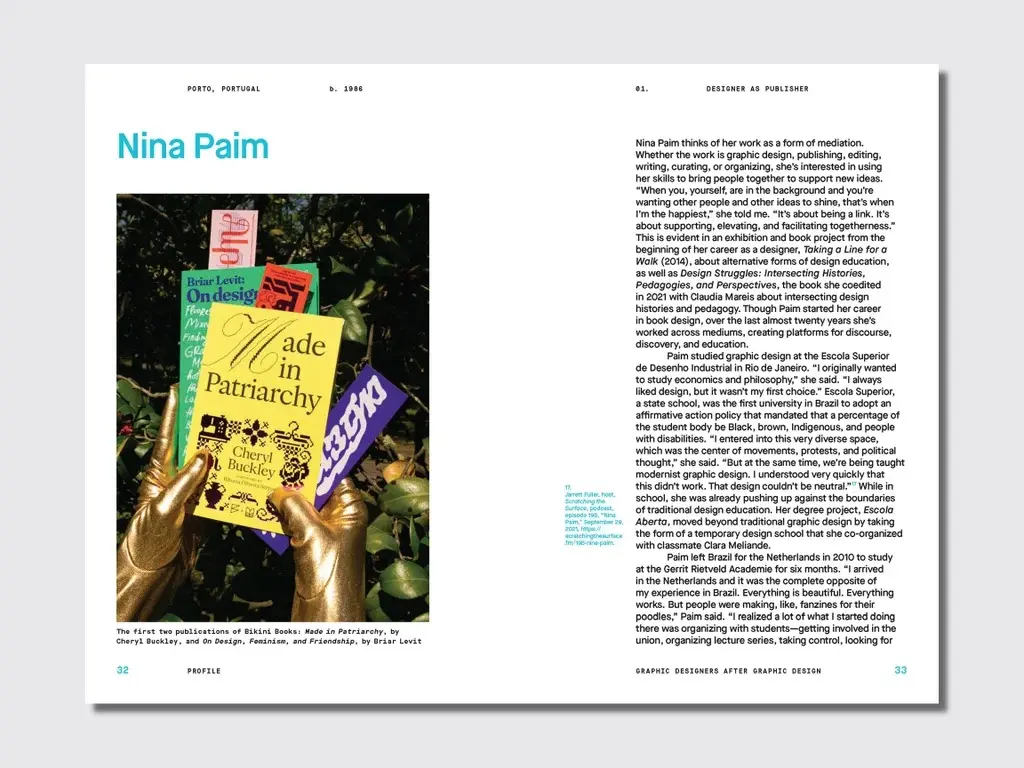
Fuller—a working designer, writer, podcaster, and professor at North Carolina State University—makes a vigorous and encouraging case for a much more expansive, fluid definition of what graphic design actually is. Through a series of in-depth conversations with practitioners who are actively working across diverse realms such as publishing, academic and independent research, social changemaking, performance art, and fine art practice, he argues persuasively that graphic design has evolved far beyond the traditional production of static posters, corporate logos, and standard websites.
The release of the book coincides with a significant milestone: the tenth anniversary of Fuller’s acclaimed podcast, Scratching the Surface. Over the past decade, the podcast has served as a vital audio platform highlighting various practitioners whose work overlaps with, challenges, and expands the boundaries of traditional graphic design. In many ways, the new book turns that same curatorial and conversational attention specifically toward graphic designers whose practices are expansive, blurry, and very public in nature.
As a fellow design educator, Fuller recently sat down for a conversation with Nika Simovich Fisher to discuss what this broader, less rigidly defined understanding of design actually means for the current generation of students and emerging graphic designers entering the professional workforce. As Fuller articulates in the book, graphic designers have historically been—and perhaps always will be—inherently insecure about their discipline’s core identity and its direct relevance in a rapidly changing world. But rather than exhausting endless energy trying to resolve that professional uncertainty or neatly boxing the discipline into an outdated corner, Fuller suggests a radical alternative: what if we actively embraced that uncertainty? Their conversation explored the profound confidence it takes for a creative individual to define a practice strictly on their own terms, as well as the vast, unexpected professional possibilities that open up the moment you choose to do so. Below is an excerpt from their conversation over Zoom, which has been edited for clarity and flow.
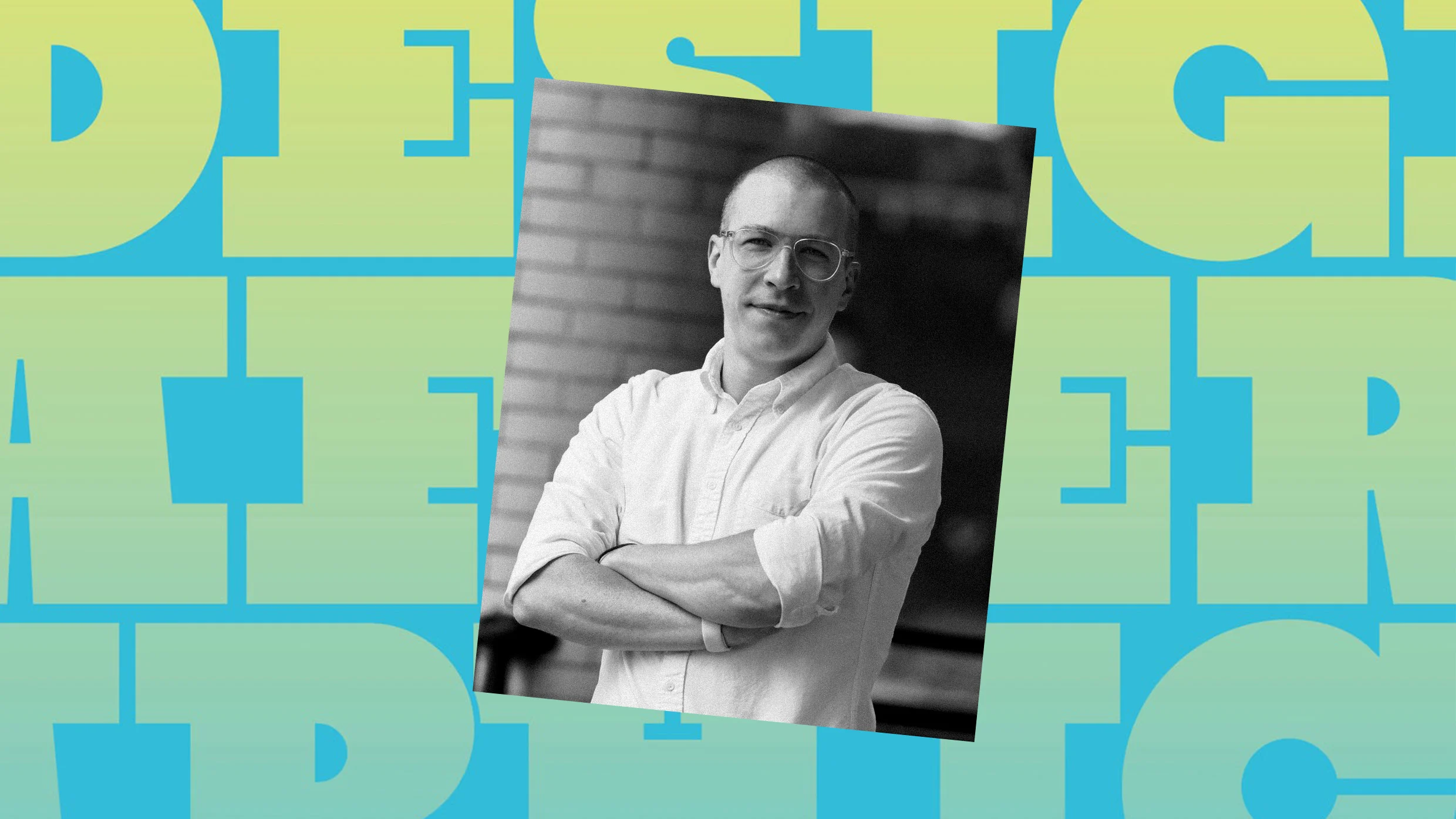
Nika Simovich Fisher: Congratulations on your book. I really enjoyed the expansive, blurry, multidisciplinary model of all of the perspectives included within it. I think it is particularly important to maintain an optimistic perspective right now, given everything happening in the creative industries.
In class yesterday, I had a sophomore student ask me if, in my opinion, right now is a good time to go into the interaction design field. I thought of your book immediately because it does such a wonderful job of encapsulating how design can function as a core component of many different realms, and I responded to her in that exact way. But I also genuinely heard her underlying anxiety about the future, and I was curious: how would you have responded to her question?
Jarrett Fuller: Yeah, I mean, look, that is a great question, and not to make this conversation too much about the book right away, because I know you are asking more generally about the state of the industry. But I think one of the primary arguments that I am making throughout the book, and one of the very real, lived experiences of my own professional life, and I am sure of your life also, is that it is kind of never a really good time to go into design.