Meta has officially introduced its newest wearable at the Meta Connect 2026 event in Menlo Park, California, taking a surprising yet strategic step in the evolution of smart eyewear. The newly announced Ray-Ban Meta Audio Glasses integrate advanced Meta AI capabilities into a classic frame design, but with one major omission: the camera. Priced starting at $349, the audio-first smart glasses feature a significantly slimmer form factor and extended battery life, addressing some of the most persistent hurdles faced by manufacturers in the burgeoning smart wearables market.
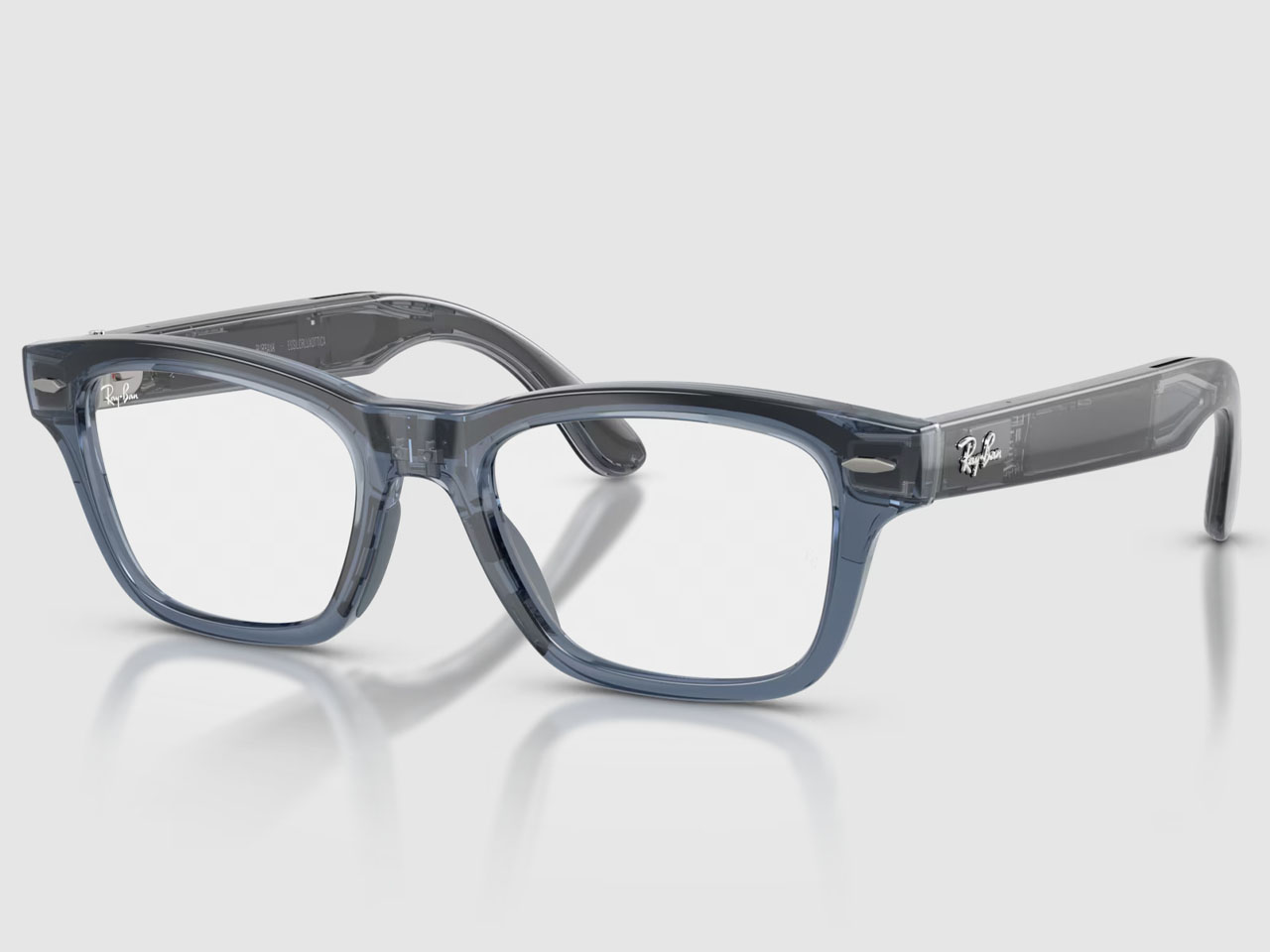
By stripping away the camera module, Meta has crafted a pair of smart glasses designed to sit naturally and comfortably on the face, closely mimicking the aesthetic and feel of traditional prescription eyewear. This hardware pivot offers Silicon Valley developers—who are constantly searching for viable alternatives to the traditional smartphone—an entirely different direction to ponder. While major technology companies continue to pour billions of dollars into developing screenless handhelds, wearables, and camera-equipped glasses to find the next mainstream computing platform, the journey has been fraught with challenges. Previous iterations of smart glasses from Meta and its brand partners have faced considerable headwinds regarding public perception and everyday usability.
The most notable friction point for camera-enabled smart glasses has not necessarily been the underlying technology itself, but rather how the devices are perceived and utilized by the general public. Over the past few months, continuous backlash surrounding privacy concerns and the intrusive nature of recording devices worn on the face has plagued the industry, with critics and the public occasionally dubbing them "pervert glasses." While Meta has not explicitly cited public backlash as the sole driver for this new design, the introduction of an AI-powered eyewear device completely devoid of a camera functions as an effective pivot. It allows the company to shift consumer focus, reshape public perception, and offer a privacy-centric alternative that sidesteps the controversies associated with continuous visual recording.

Despite the ongoing presence of camera-enabled smart glasses in the wider tech landscape, Meta’s decision to pursue an audio-only variant highlights a different philosophy in wearable design. Eliminating the power-hungry camera hardware provides two major structural advantages that developers in this domain have long desired: a substantially lighter physical build and vastly improved energy efficiency.
According to Meta, the battery life on the new Ray-Ban Meta Audio Glasses extends up to an impressive 12 hours on a single charge. This expanded power reserve enables users to handle a wide variety of tasks throughout the day without constantly worrying about depleting the battery. Wearers can use the glasses to take phone calls, respond to messages using intuitive voice commands, stream music and podcasts, and interact with a personal AI agent. This onboard assistant can execute a range of tasks, including real-time web browsing and live language translations, acting as a seamless bridge between the user and digital information.
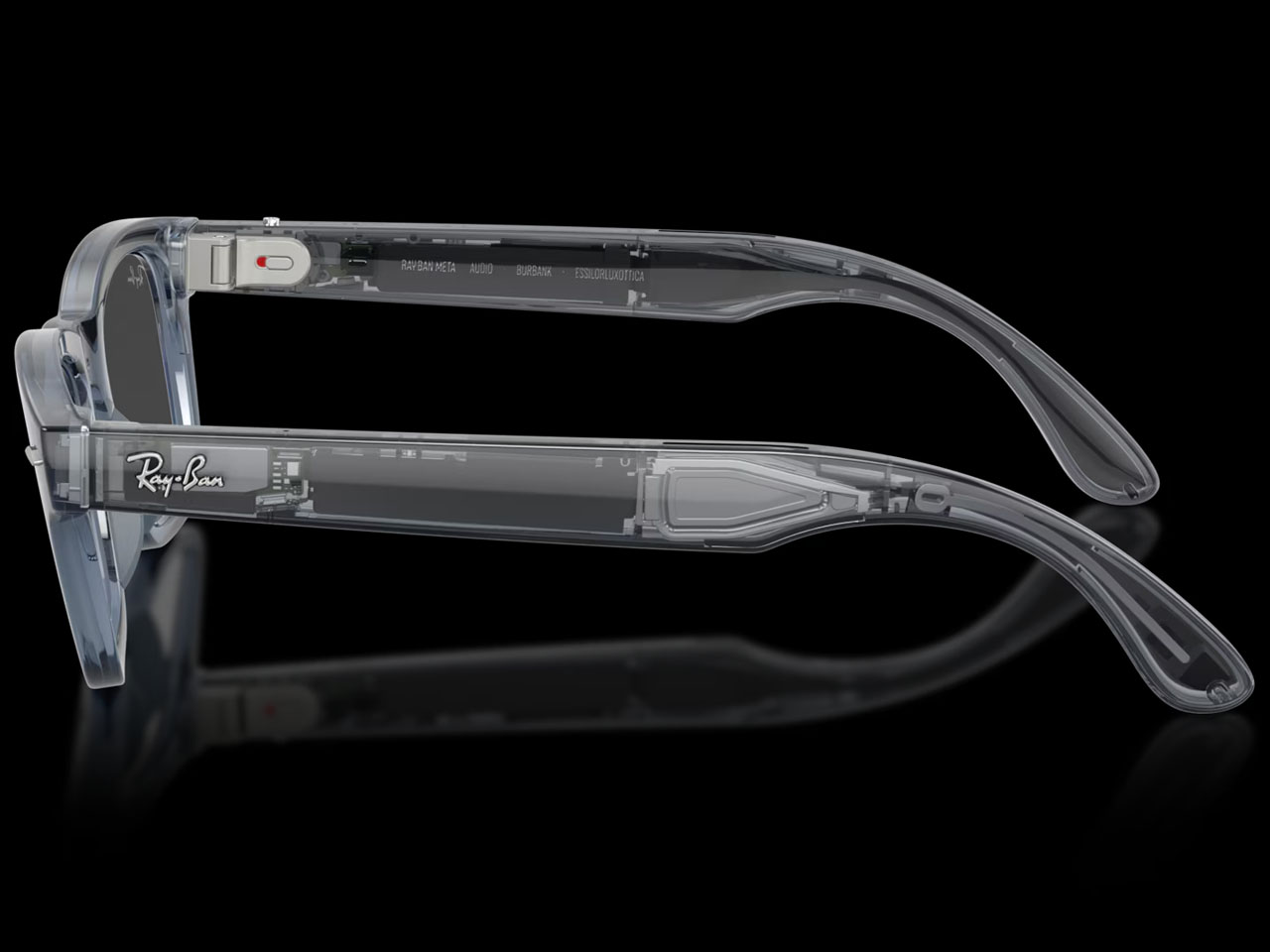
Privacy remains a central pillar of the new device’s marketing and engineering framework. Alex Himel, Meta’s Vice President for Wearables, explained in an interview with The Verge that the audio-first glasses do not continuously record the user’s environment. Instead, the system remains in a passive listening state, waiting specifically for the designated wake word before initiating any audio recording or processing. This transparent operational boundary is intended to reassure consumers who have grown skeptical of always-on recording technologies in public and private spaces.
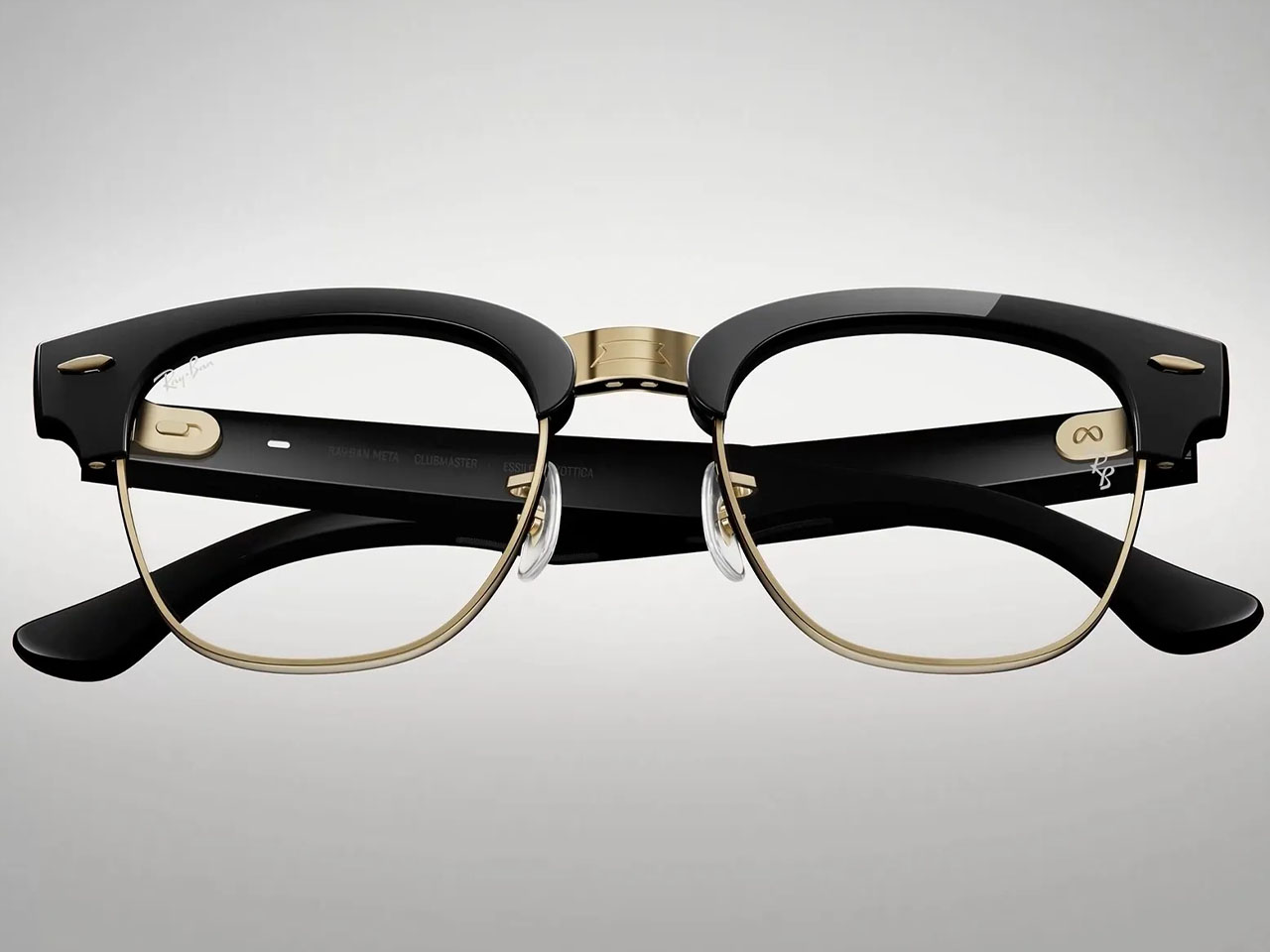
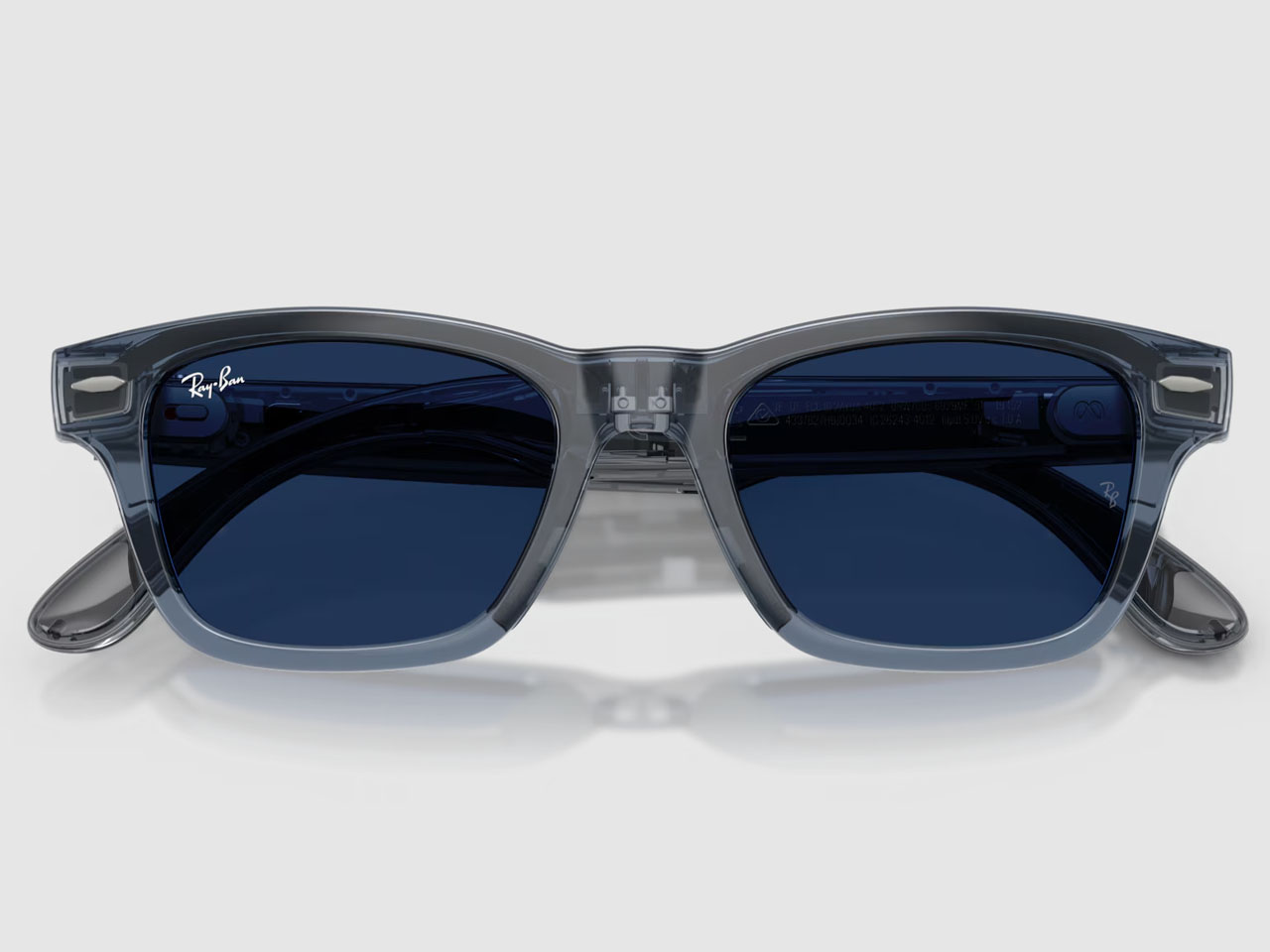
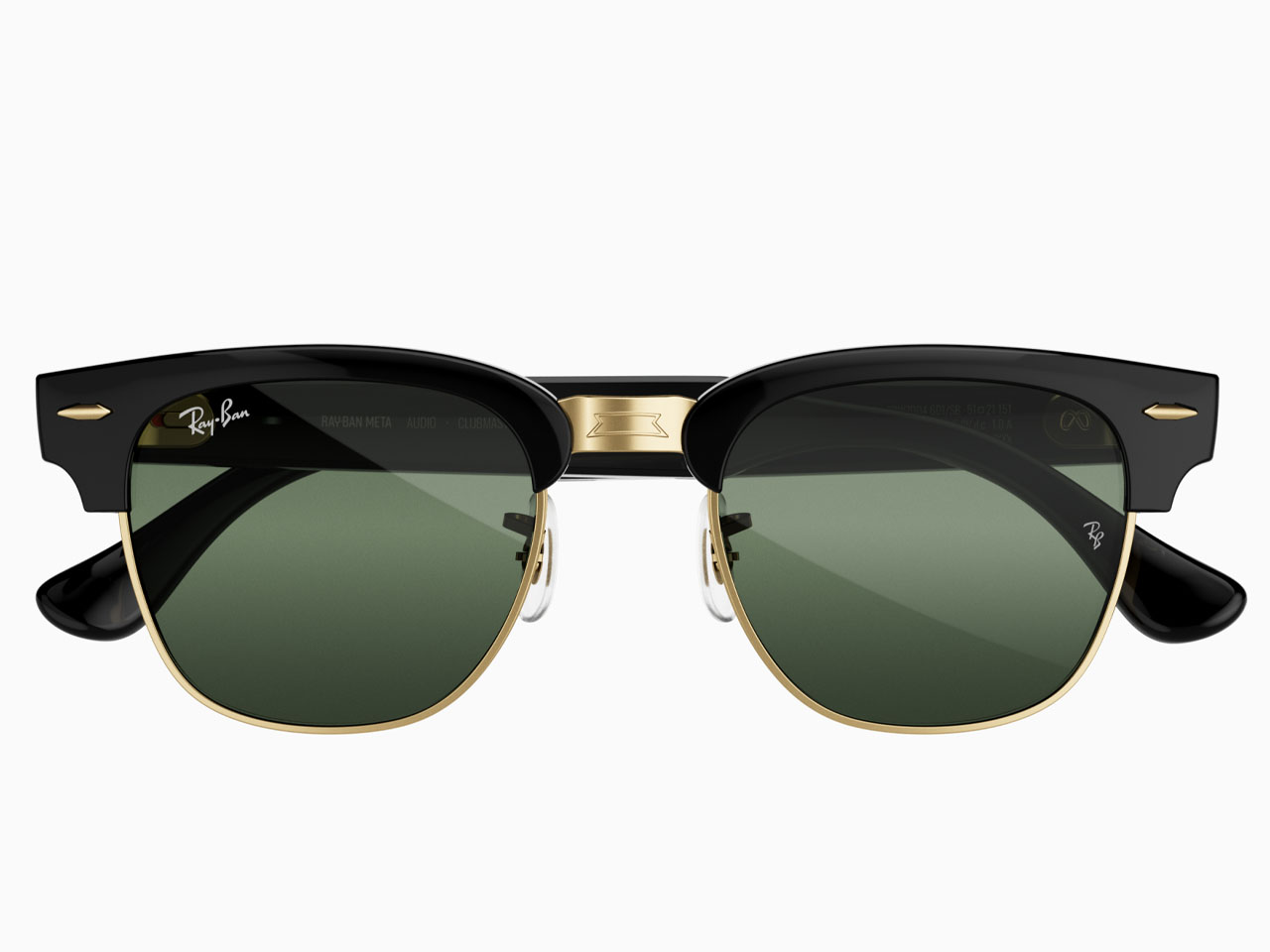
The Ray-Ban Meta Audio Glasses launch in two distinct classic styles: the Clubmaster and the Burbank designs. Weighing in at a mere 43 grams, the glasses feature notably thinner temple arms compared to their camera-equipped predecessors. To ensure optimal comfort and a secure fit for a wide variety of facial structures, both the temple arms and the nose pads are fully adjustable to different face cuts and contours. Furthermore, the frames offer robust support for a wide range of prescription lens options, making them practical for everyday vision correction alongside their technological capabilities.

The new Ray-Ban Meta Audio Glasses are scheduled to begin shipping on October 13, carrying a starting retail price of $349. As the wearable technology sector continues to search for the ultimate post-smartphone device, Meta’s latest release demonstrates a willingness to reevaluate hardware priorities, placing comfort, discretion, and battery longevity at the forefront of mainstream smart eyewear design.