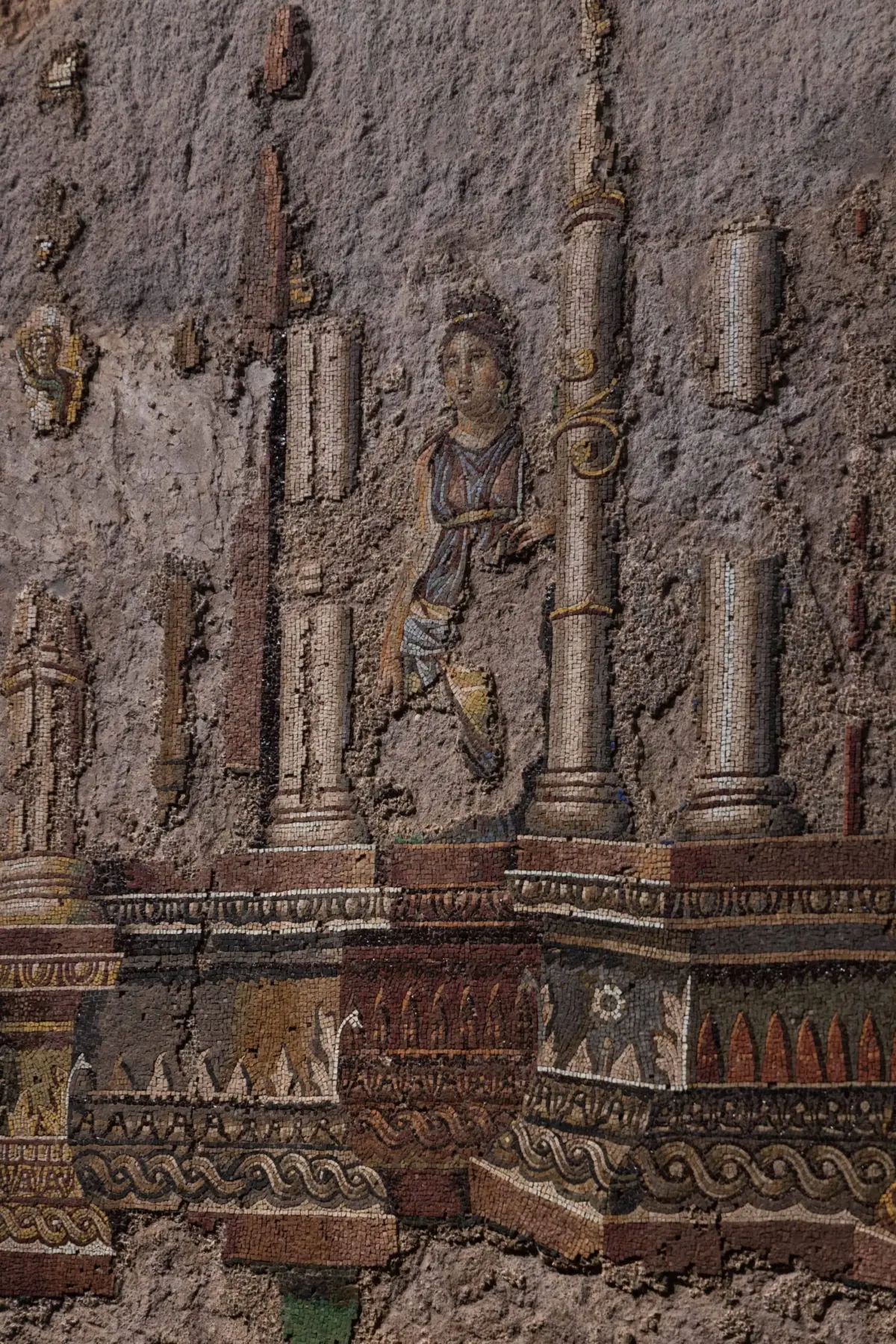
ROME — Stretching across an astonishing 33 feet in width and towering 52.5 feet in height, an ancient Roman masterpiece has finally been unveiled to the public, offering a breathtaking glimpse into the artistic grandeur of antiquity. Housed within the newly opened Museum of the Baths of Trajan in the heart of Rome, this monumental floor covering is now believed by historians and archaeologists to be the largest mosaic in the entire Roman world.
The colossal artwork rests quietly beneath the surface within the newly inaugurated museum, which preserves a massive, early second-century bath complex commissioned by Emperor Trajan. Spanning approximately 15 acres across the historic Oppian Hill, Trajan’s monumental architectural venture was a defining engineering feat of its era, designed to provide public bathing, recreation, and social spaces for the citizens of the Roman Empire at the height of its power.
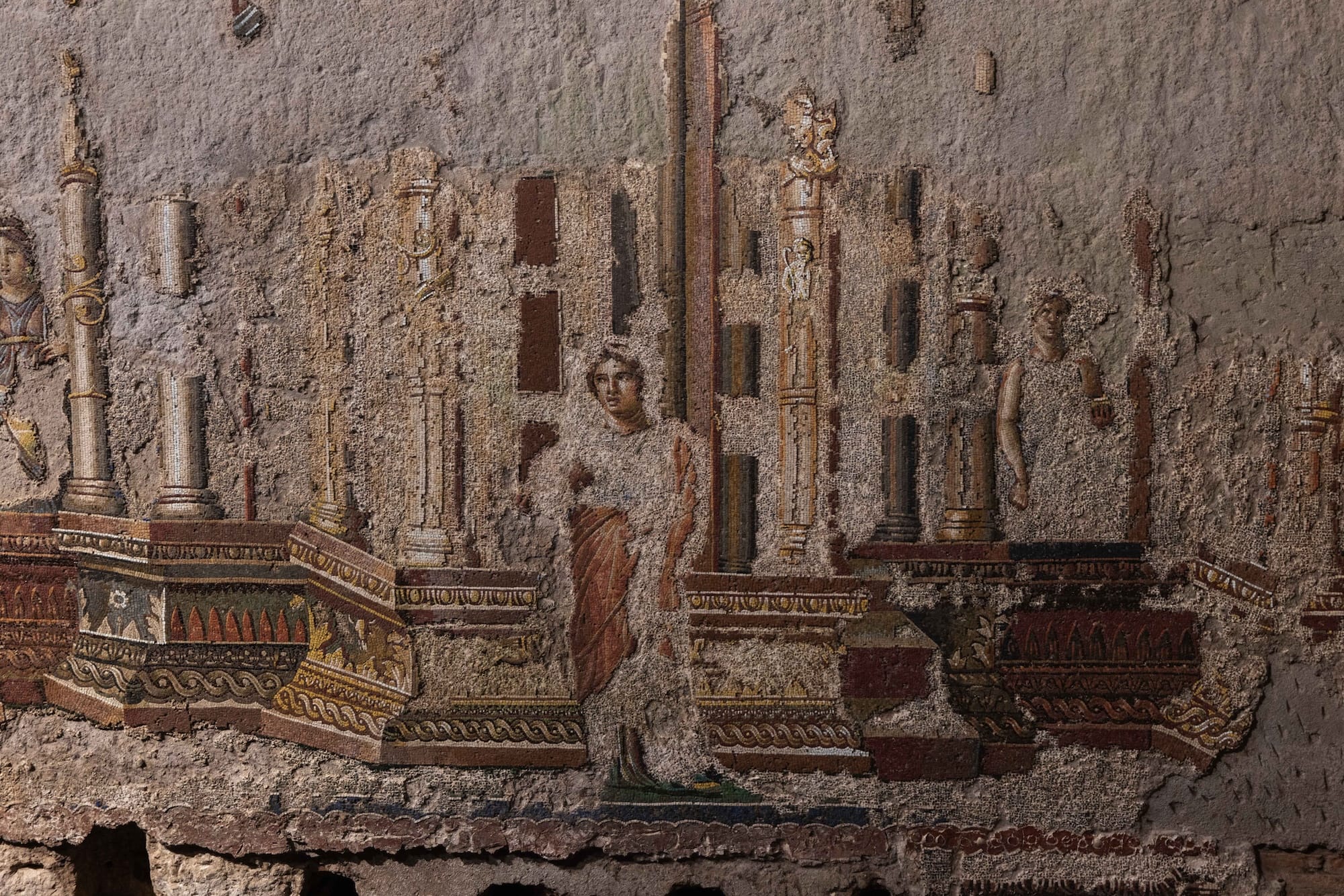
To clear the ground and construct these expansive baths on the rugged landscape of the Oppian Hill, ancient builders systematically repurposed elements of a previous imperial structure. That earlier site was none other than Emperor Nero’s infamous "Domus Aurea," or "Golden House," an extravagant palace complex originally erected between 64 and 68 C.E. Following the fall of Nero and the subsequent damnatio memoriae—the Roman Senate’s official decree to erase his memory from public life—subsequent emperors rushed to reclaim the sprawling real estate for public use.
Whether the newly unveiled mosaic originally belonged to Nero’s Golden House remains a subject of ongoing debate among scholars and archaeologists. Experts suggest it is equally possible that the artwork was part of an elite, lavish private dwelling that pre-dated the imperial palace or was later incorporated into the vast multi-layered compound. Adding to the mystery, a significant portion of the monumental composition’s individual tesserae—the small stone or glass cubes used to form the mosaic—are missing. Archaeologists believe these precious materials may have been deliberately harvested and recycled by ancient laborers during the rapid construction of Trajan’s baths.
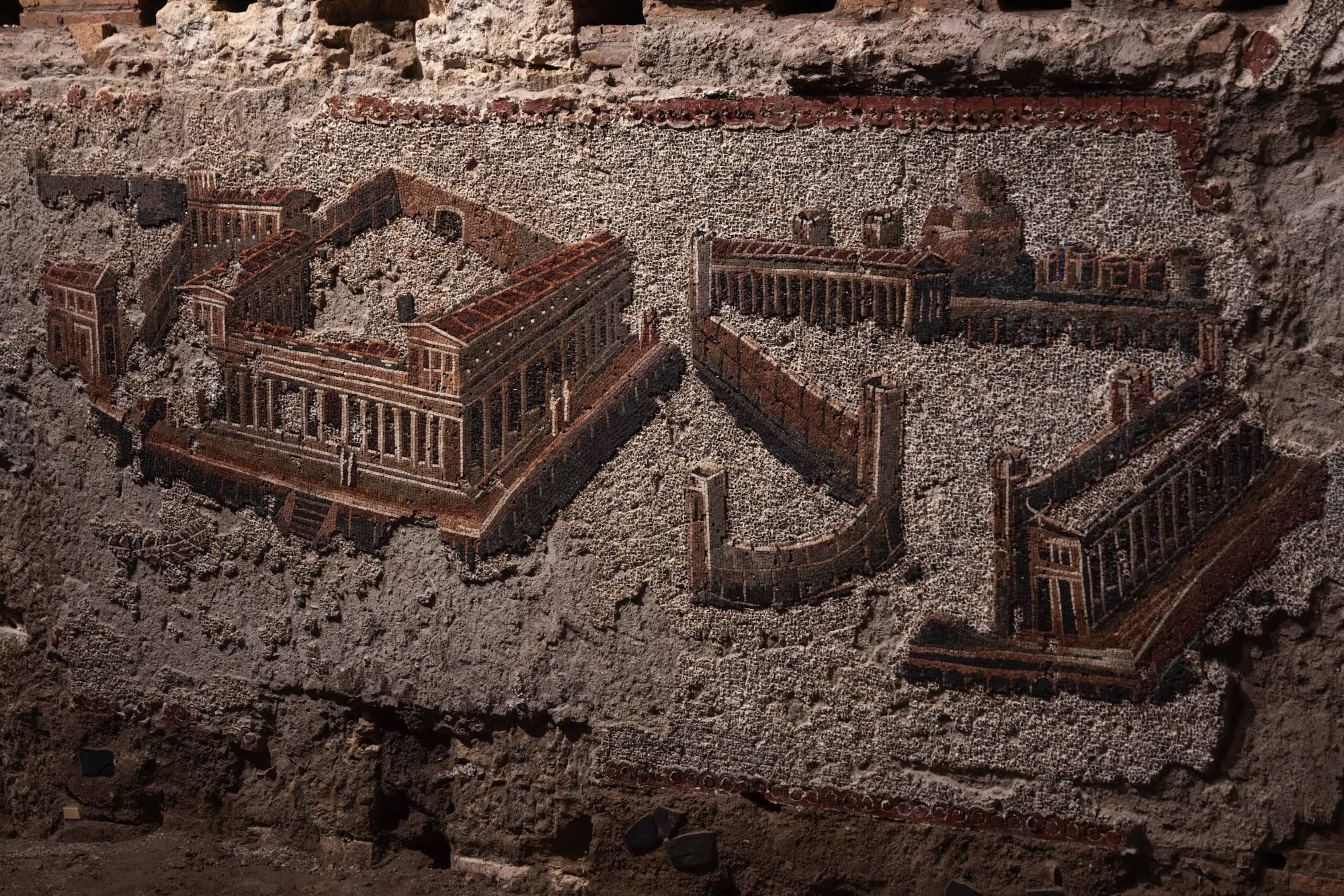
Dubbed the "Great Mosaic" by researchers, the breathtaking creation was first unearthed during archaeological excavations in 2011. Since that initial discovery, a dedicated team of conservators and archaeologists has spent more than a decade meticulously revealing, cleaning, stabilizing, and preserving the fragile underground masterpiece in situ.
The intricate in situ artwork features a stunning array of detailed architectural elements that experts believe may represent a grand, dual-level theatrical backdrop known in classical antiquity as a scaenae frons. Flanked by these architectural illusions are classical statues of the Muses—the mythological patron goddesses of the arts, literature, and science—alongside other unidentified figures and geometric patterns masterfully arranged to mimic the rich veining and luxurious appearance of imported marble.
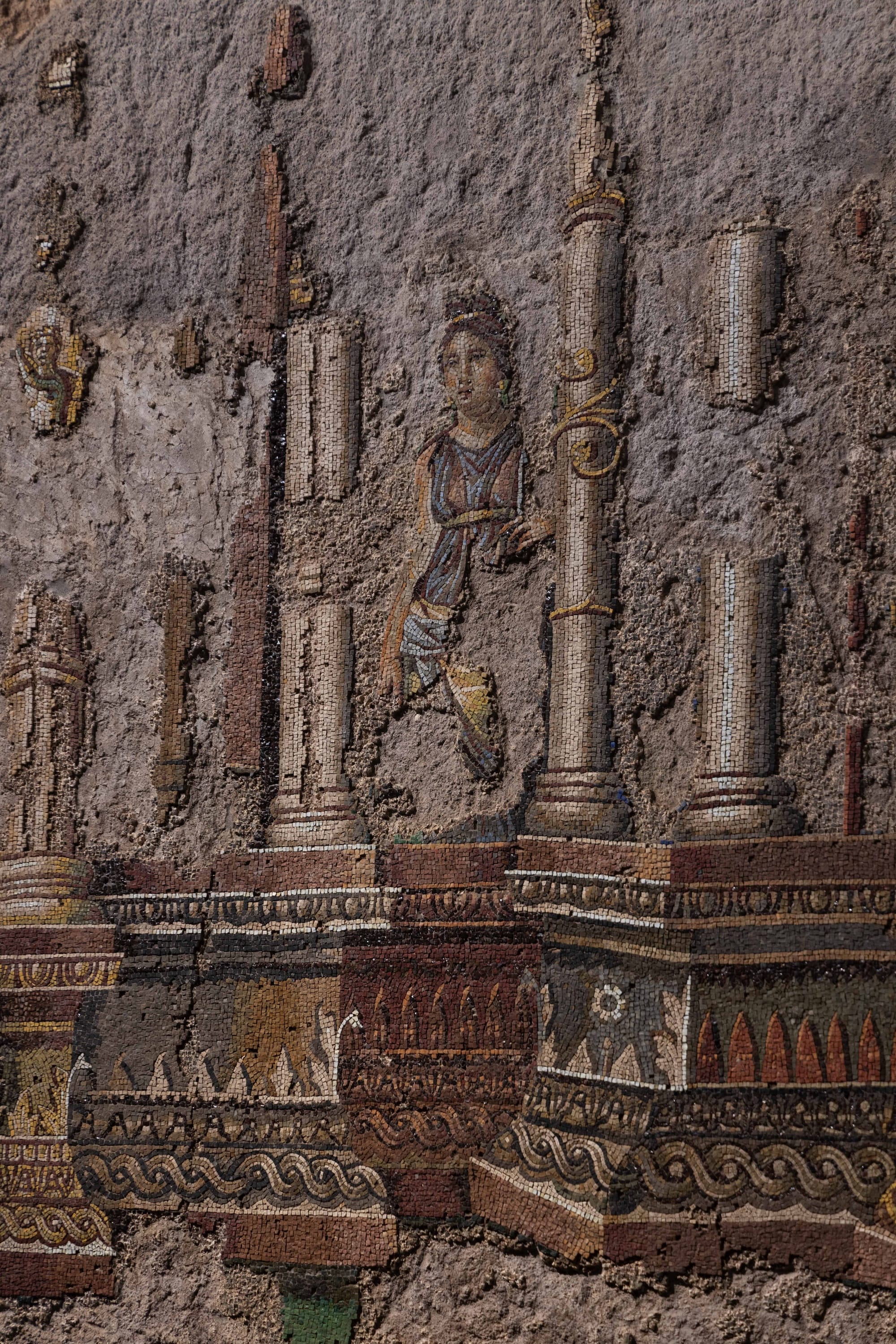
The opening of the Museum of the Baths of Trajan also brings another extraordinary underground treasure into the light. Within the exact same complex, a remarkable architectural fresco uncovered during excavations in the 1990s is finally on view for the general public for the very first time.
Known colloquially as the "Painted City," this sweeping scenic backdrop was originally intended to be viewed by ancient bathers as they moved through the complex. However, art historians and archaeologists remain divided over whether the fresco depicts an actual, recognizable port city from the ancient Mediterranean or an entirely imaginary utopian landscape born from the artist’s imagination.
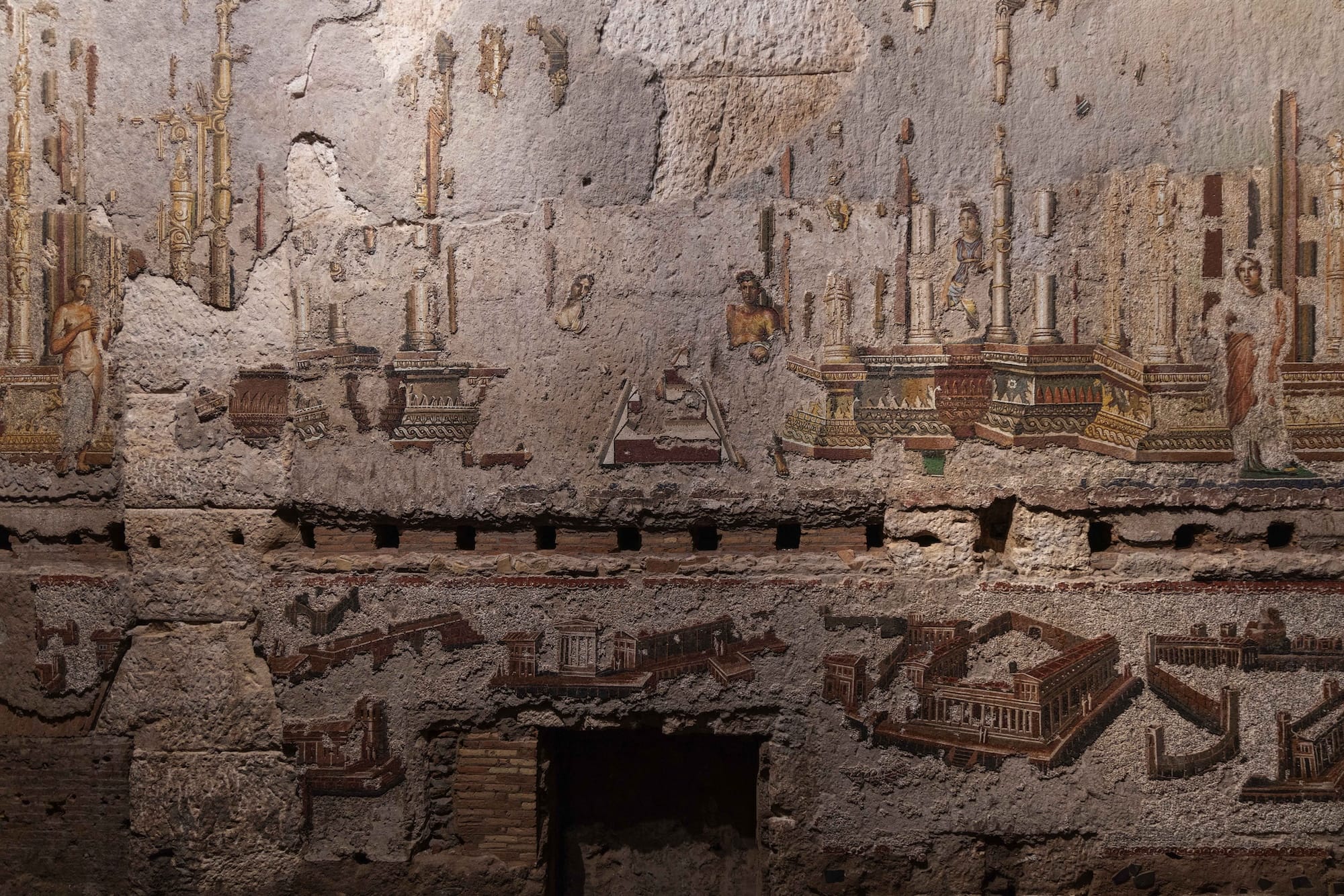
According to reporting by CNN, a closer examination of the fresco reveals a striking aerial perspective that portrays several unusual and unexpected details, including municipal public squares and defensive towers that were distinctly uncommon in standard urban and municipal design during the first century. These unconventional architectural choices continue to puzzle researchers, offering fresh avenues of study into ancient Roman urban planning concepts and artistic imagination.
Meanwhile, archaeological work at the site is far from finished. Specialists continue to excavate various sections of the "Great Mosaic," with current efforts focusing heavily on a specific lower zone of the composition rich in imagery related to wine-making, viticulture, and lush clusters of grapes. Thanks to the thoughtful design of the new museum, much of the sprawling mosaic and its ongoing preservation work can now be safely viewed by everyday visitors from a specially constructed elevated walkway, bridging the gap between modern cultural tourism and centuries of buried history.