Tethered deeply to the spiritual realm, the color blue connotes a profound sense of serenity, healing, and peace in Yoruba culture. For acclaimed artist Romuald Hazoumè, it also serves as a striking, apt metaphor for considering the heavy legacy of colonial violence, the escalating climate catastrophe, and the multifaceted global crises that continue to transform and threaten modern life today.
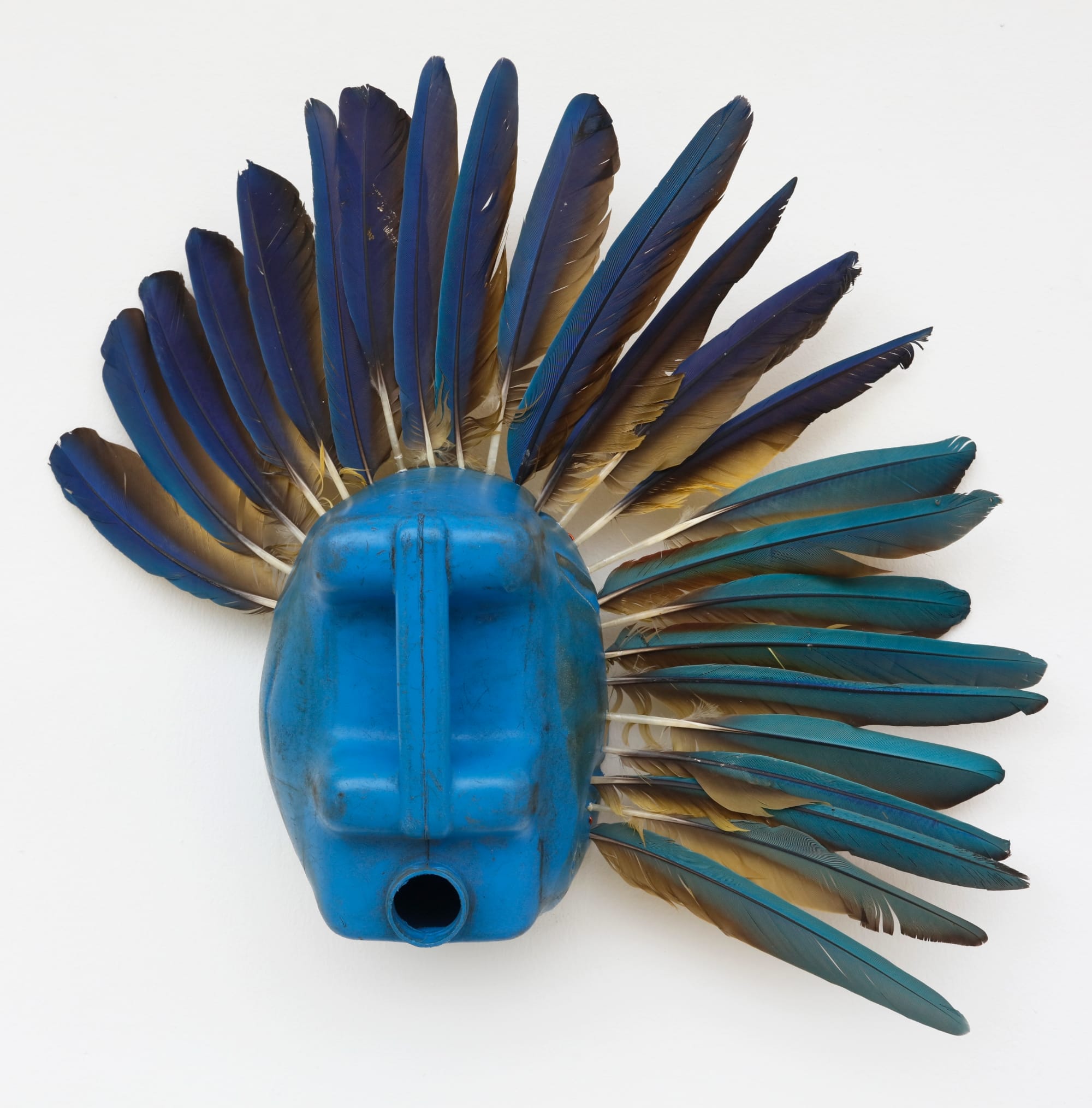
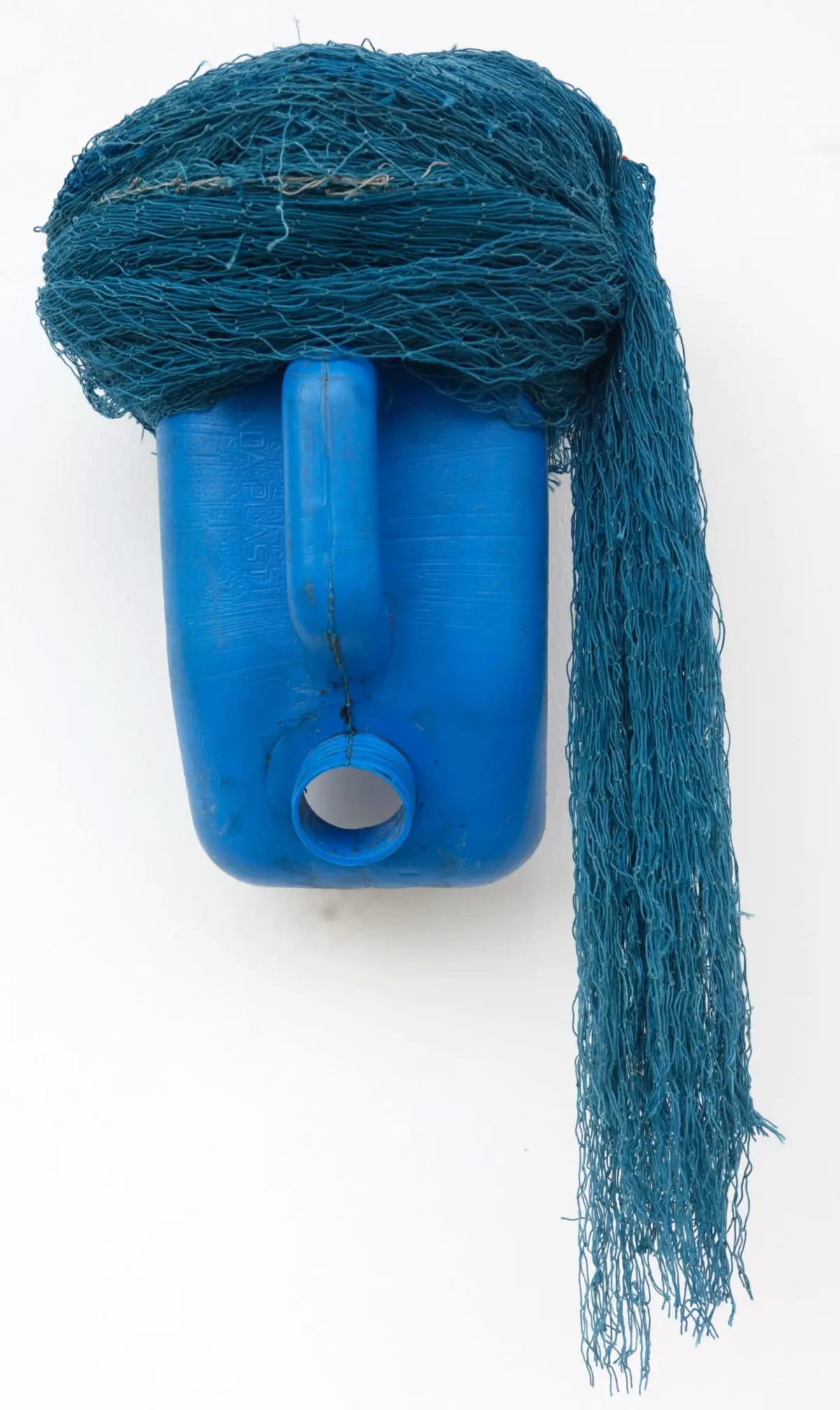
In his powerful exhibition My Blue Period, currently on view at London’s October Gallery, the artist meditates extensively on the contemporary geopolitical landscape. He does so through a striking series of expressive masks meticulously constructed from discarded plastic jugs and an array of found objects, including feathers, fishing netting, and hardened paintbrushes. These expressive sculptures are part of Hazoumè’s ongoing, career-defining series titled masques bidons, or fake masks. This body of work cleverly utilizes the functional, pre-existing structures of everyday plastic vessels—such as utilizing circular openings to form expressive mouths and natural handles to serve as prominent noses—to shape compelling, abstracted human figures.
The title of the exhibition directly references Pablo Picasso’s famous "blue period," an era that famously emerged from the Spanish master’s deep depression following the tragic death of a close friend. That historical period ultimately preceded Picasso’s subsequent "African period," during which he famously appropriated masking traditions and artistic motifs from across the African continent. Like Picasso, Hazoumè assembles everyday found objects into minimal, potent forms that speak volumes.
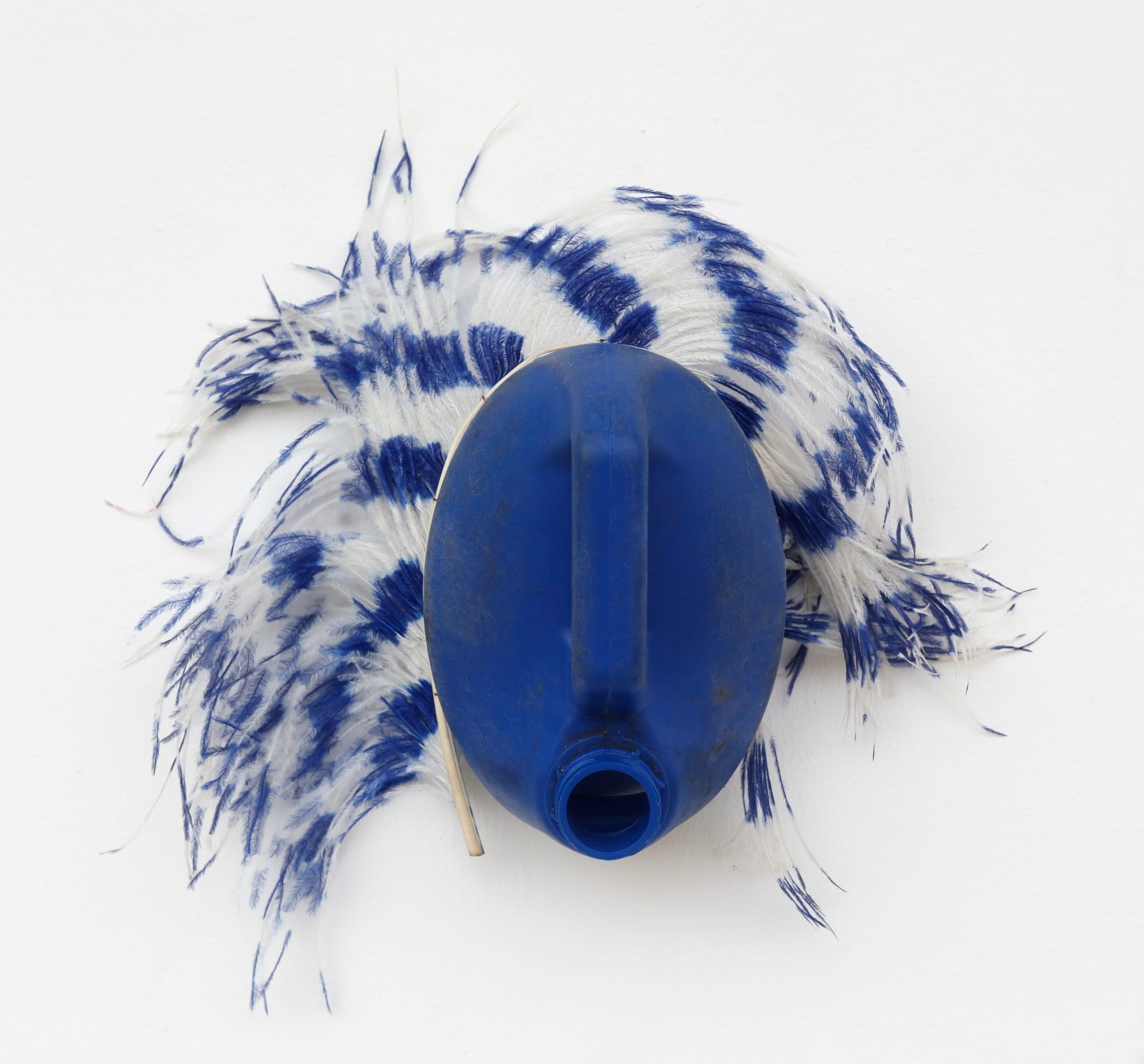
However, the artist’s philosophy behind construction remains distinctively rooted in his own conceptual framework. "My intention is always to create works where no single element is ever overtaken by another," Hazoumè explains, shedding light on his meticulous artistic process. "For me, it’s crucial that you never lose sight of the container (bidon) yet still believe in the illusion. The bidon‘s presence taunts you, making you conscious that it’s you projecting that ‘face’ you ‘see’ onto those plastic materials."
Unlike the famed Spanish artist, however, Hazoumè is not primarily concerned with exploring personal psychological experiences or internal melancholy. Instead, his artistic vision is galvanized by urgent real-world issues: ecological destruction, ongoing genocide, and brutal armed conflicts that threaten the very existence of life on Earth. While earlier works within this enduring series frequently depicted men alongside large-scale societal issues such as mass migration and institutional collapse, his newer artistic additions shift focus toward women and deeply specific, devastating human tragedies.
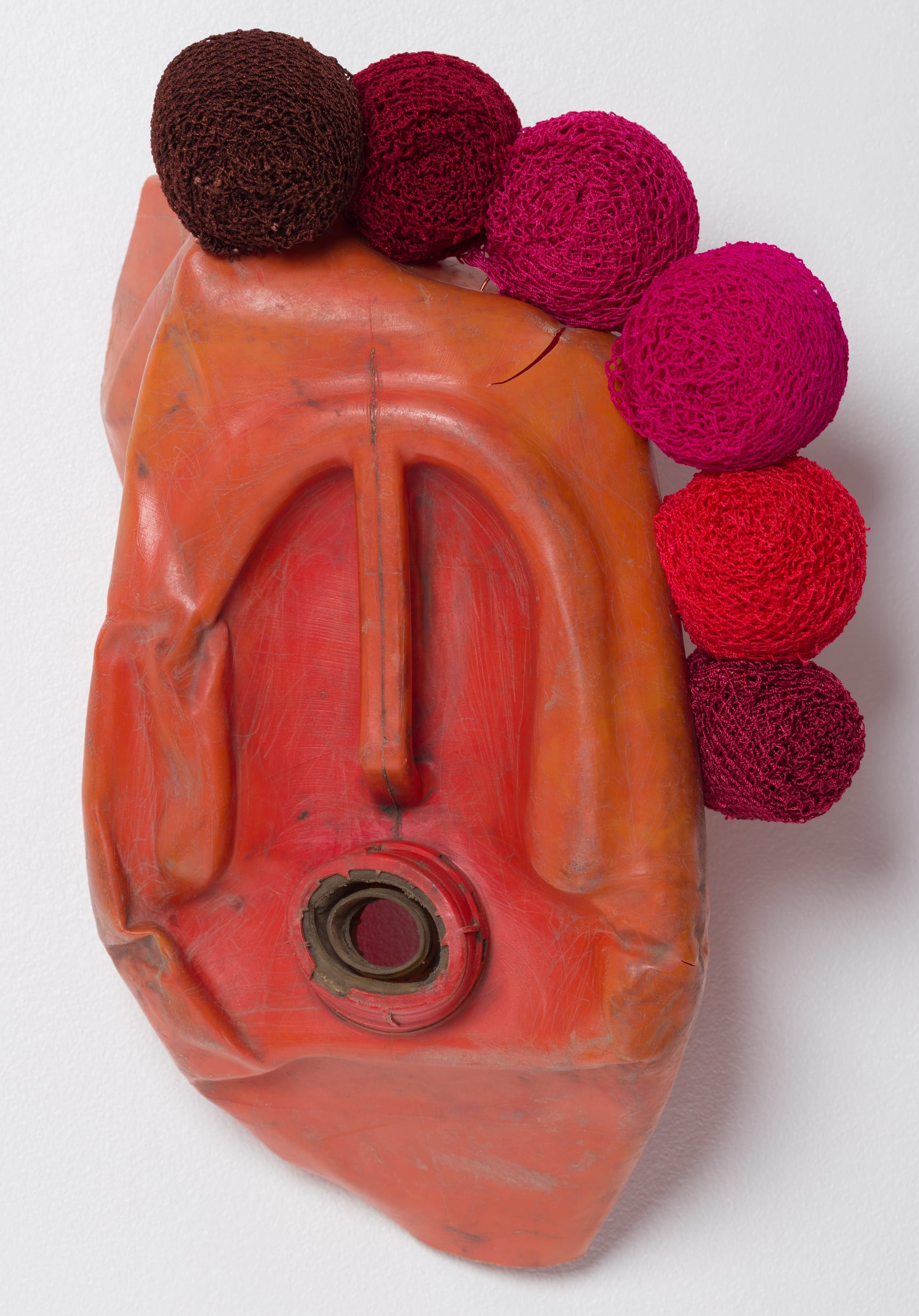
From portraying "the mother in Gaza killed by a sniper while seeking bread for her children" to honoring "the grief-stricken Russian widow, who poisoned herself after both her sons died," the tragic stories referenced within these sculptures function as a vital way to bear witness to contemporary suffering. Reflecting on the emotional toll of his creative output, Hazoumè writes extensively about his internal process:
"This work I do affects me deeply. I’m not making masks for other people, I’m making them for myself, trying to translate what I feel into something concrete, which stands apart from me, but reflects my innermost feelings. While making them, I gathered ordinary names from tragic tales reported in the news coming from all corners of the globe. The story is on an endless loop; women as ‘second rate beings’, continually abused and ground down by the cruelty of men."
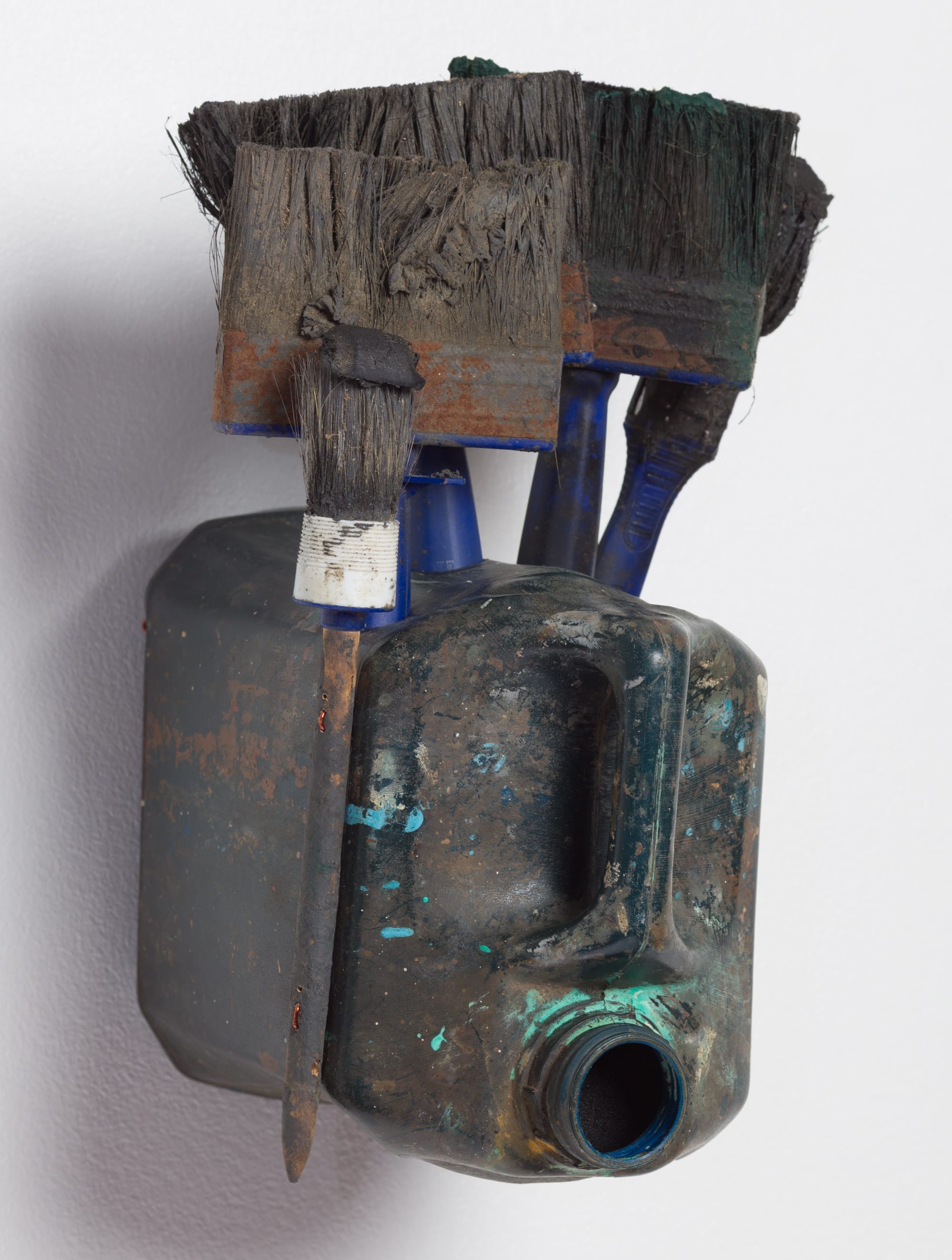
In developing this body of work, Hazoumè has also formulated a powerful visual and philosophical counter-narrative to the prevailing rhetoric of international conflict. He considers the color blue to act as a direct counterweight to the "red lines" that are continually invoked during times of war, as well as the literal crimson color of blood spilled on battlefields around the world.
"I imagined a balancing ‘blue line’ to stress the need to reduce global suffering and restore some hope of positive progress," the artist elaborates, detailing the conceptual underpinnings of the exhibition. "We need this blue middle ground to regain sympathy for each other, to help make life worth living again."
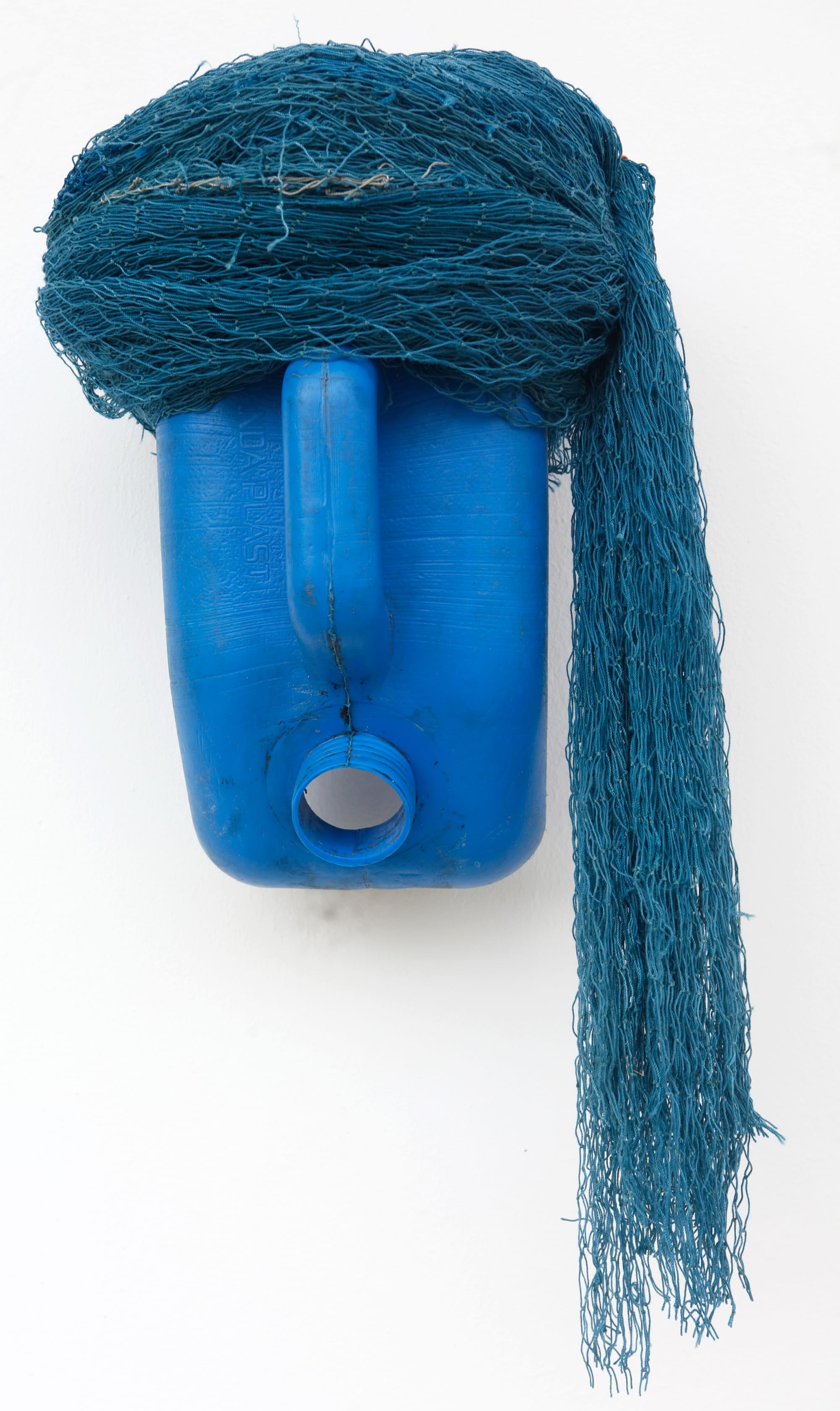
The exhibition offers viewers an immersive encounter with these themes, featuring meticulously crafted pieces such as Kongo, Shoshi, Soulagée, Chānnai, and Thal, each bringing its own distinct physical presence and emotional resonance to the gallery space. The installation design at October Gallery underscores the stark power of the sculptures, placing the textured, vibrant works against clean white walls, occasionally punctuated by bold cobalt stripes that visually reinforce the artist’s thematic emphasis on a peaceful, balancing blue middle ground.
My Blue Period runs through November 21 in London, offering local audiences and international visitors alike a rare opportunity to engage with an artist whose work bridges local cultural heritage and urgent, universal human struggles.