Nestled deep within the dramatic peaks and sweeping valleys of Central Europe’s Alpine region, Italy’s South Tyrol province serves as a striking physical and cultural borderland. Sharing borders with both Switzerland and Austria, the region is defined not only by its towering, snow-capped mountains and pristine meadows, but also by a complex and layered geopolitical history. Following the conclusion of World War I, Italy officially annexed the region in 1919, a territory that was previously an integral part of the Austro-Hungarian Empire. To this day, a significant portion of the local population remains German-speaking, and culturally, their ancestry and traditions frequently lean closer to Austria than to the broader Italian mainstream.
It is against this unique backdrop of shifting borders and cultural crossroads that photographer Vincenzo Pagliuca has developed an intrepid yet deeply pensive new body of work titled Bunker. Published in a striking hardcover edition by Hartmann Books, the project offers a haunting visual exploration of the military fortifications that still scar the rugged Alpine landscape. These purpose-built concrete structures are the tangible legacy of the Fascist Italian regime, which ordered the construction of a massive defensive network along the country’s northernmost frontier at the outbreak of World War II.
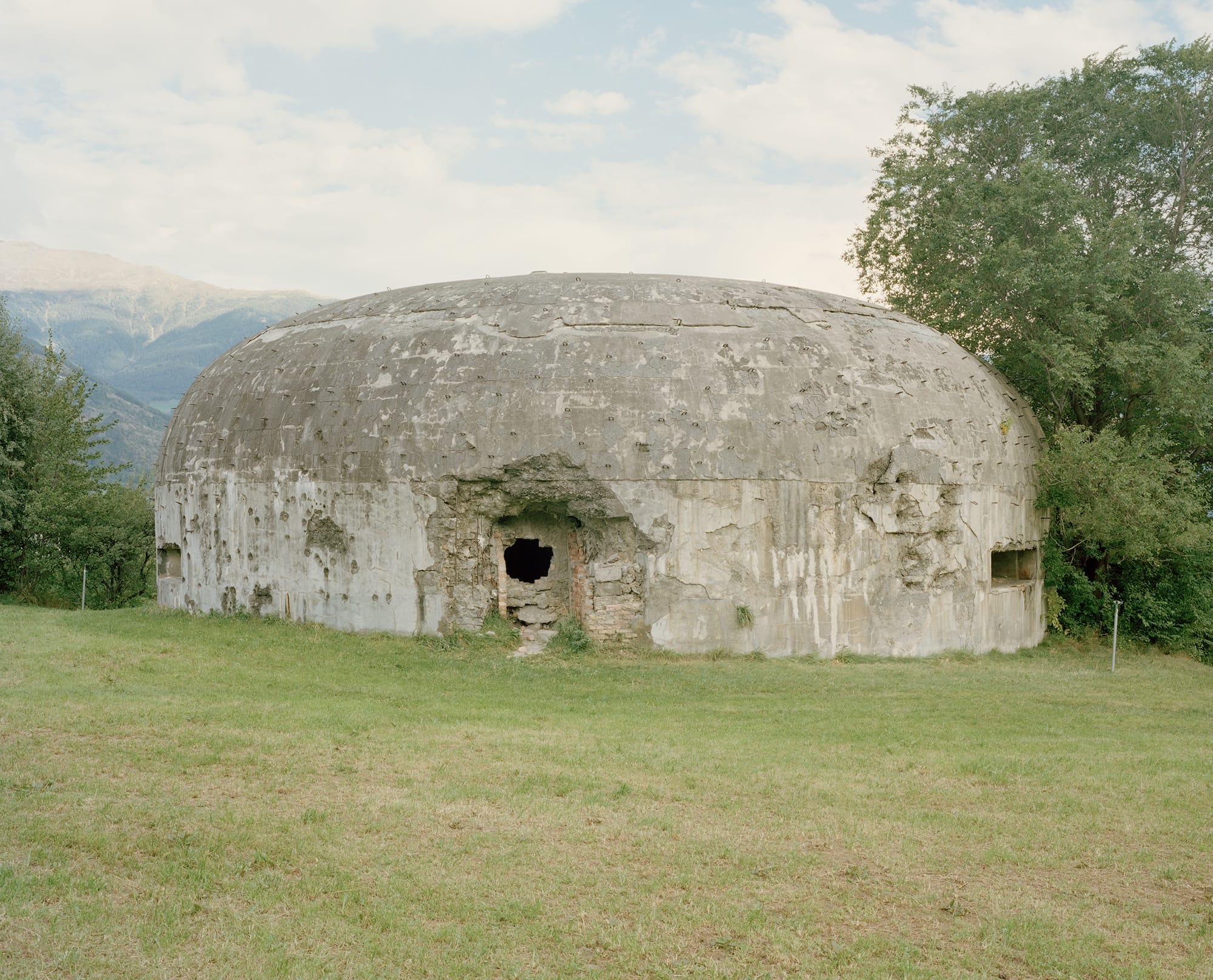
Construction on these fortifications was ultimately halted with the onset of the global conflict, yet the military retained strict control over the completed and partially finished structures for decades, maintaining oversight until as recently as 1993. Long fascinated by the nuances of Italian architecture—as demonstrated in his previous project Mónos, which highlighted the quirky vernacular of diminutive homes—Pagliuca turned his lens toward these remote military relics to examine their surreal coexistence with the pristine natural environment.
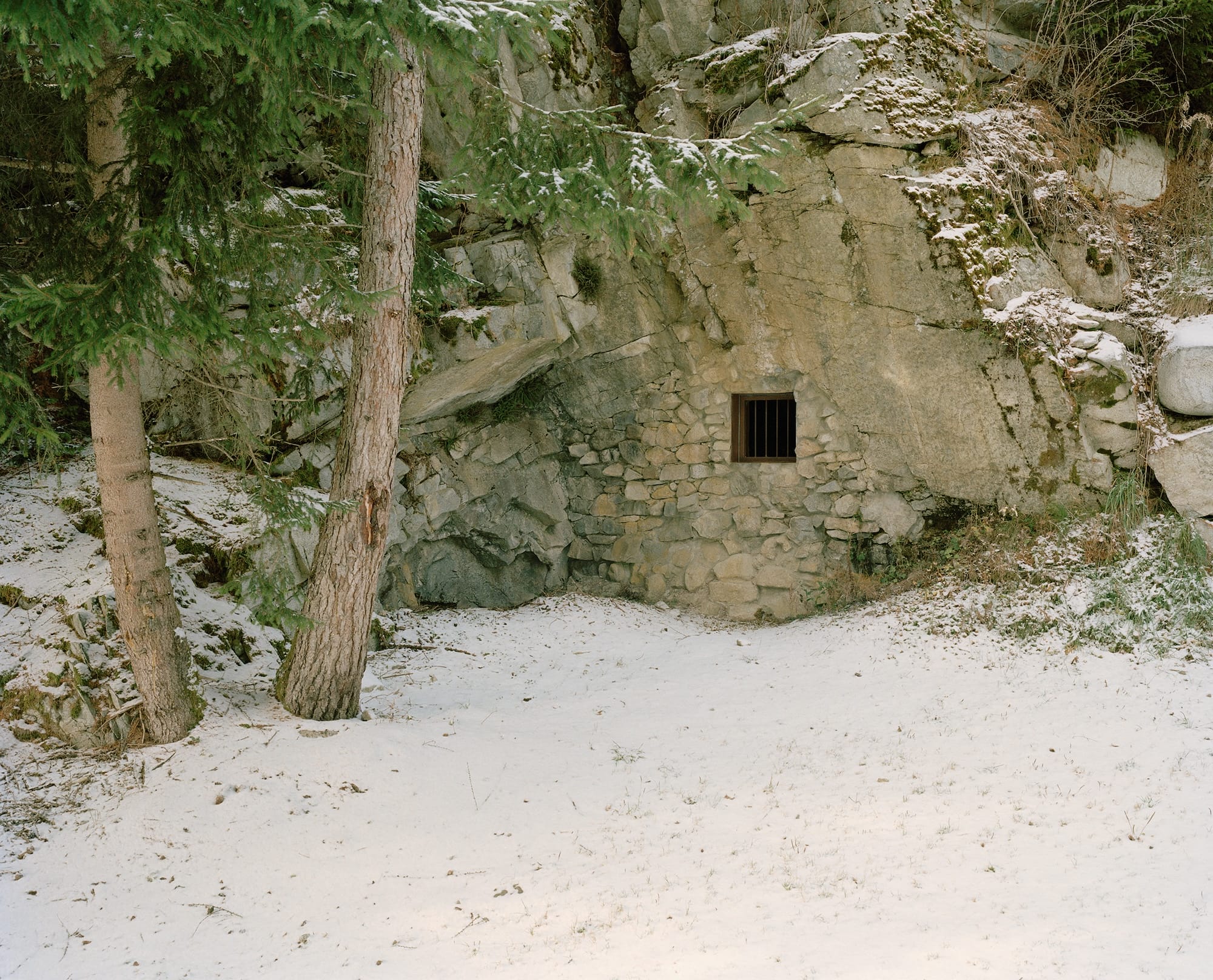
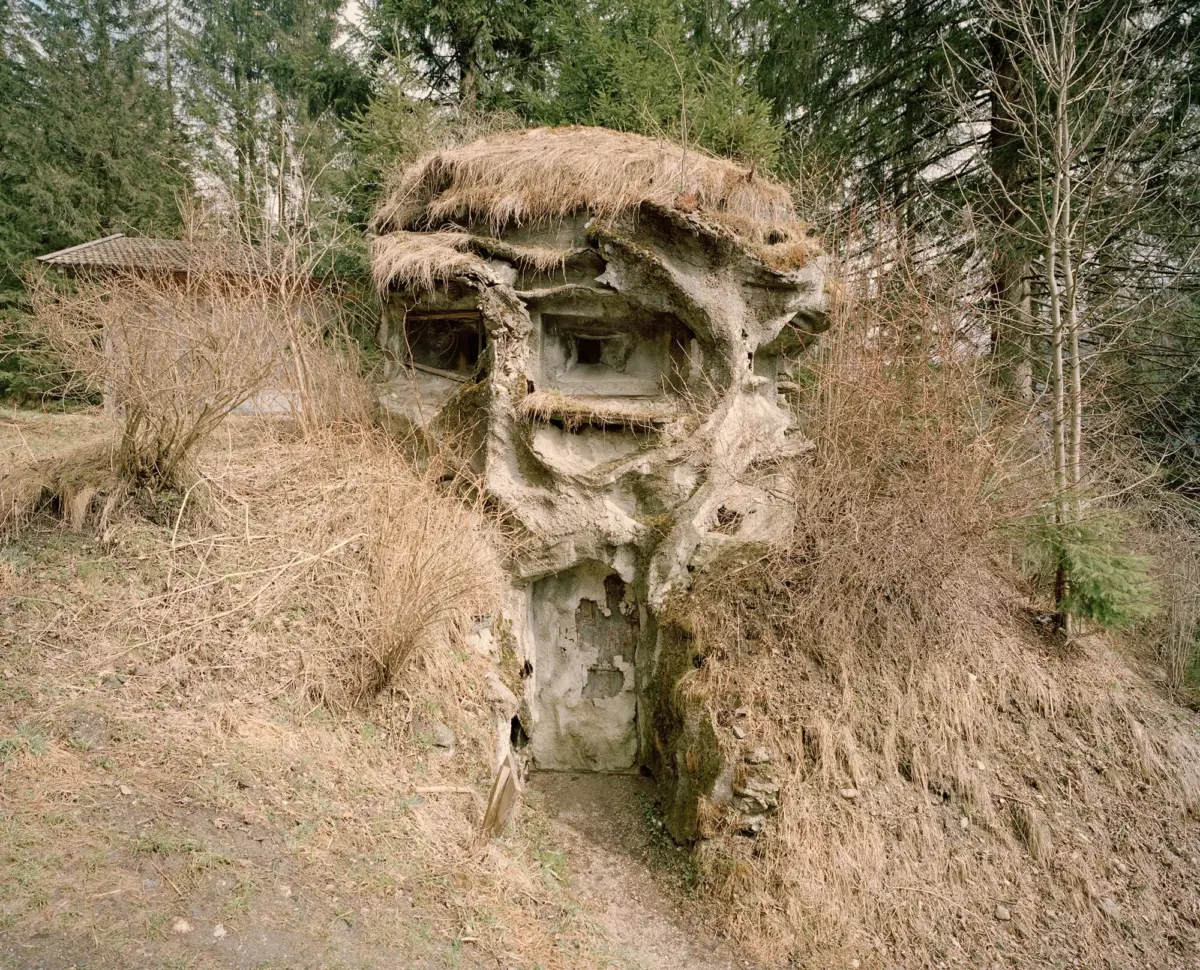
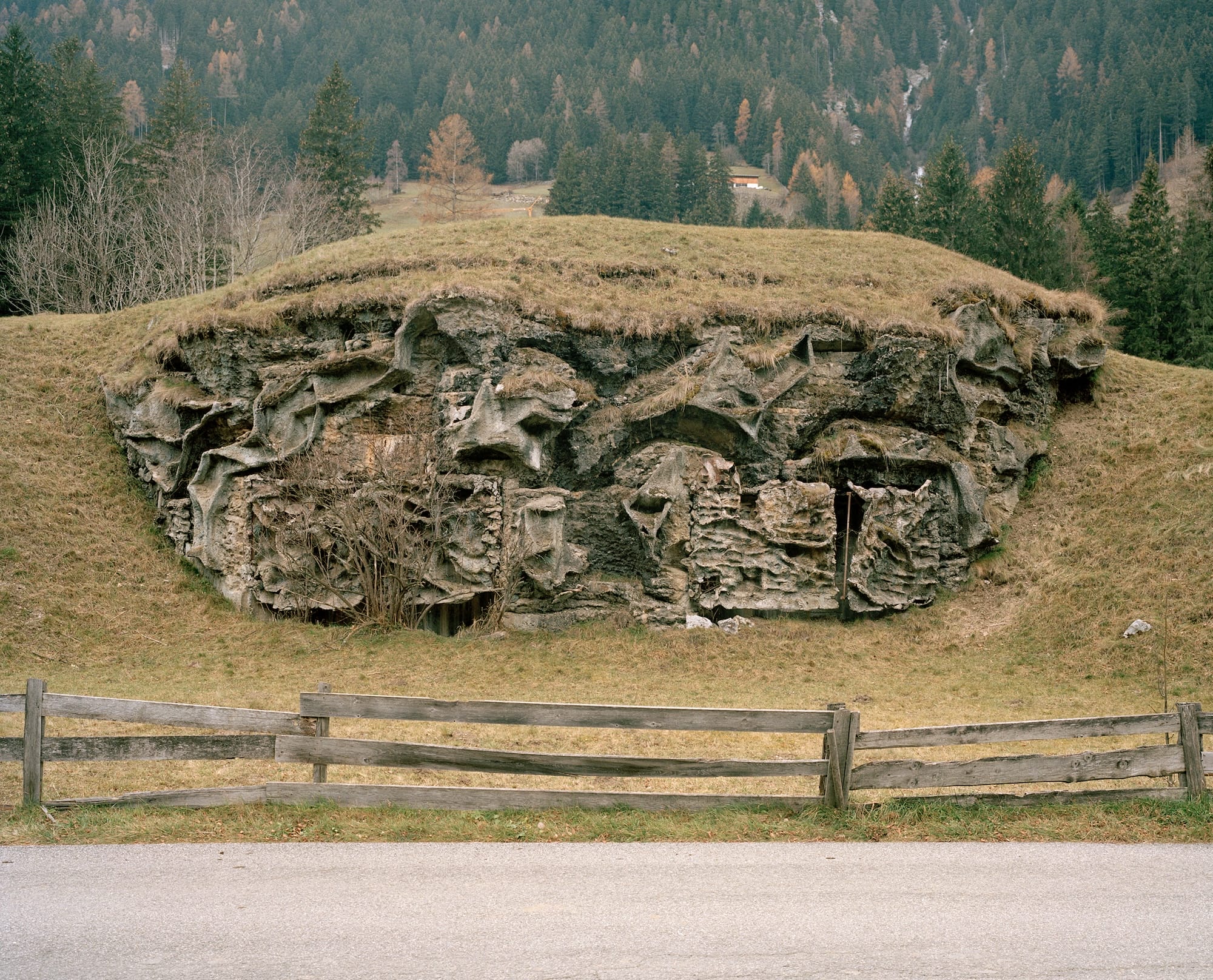
In Bunker, the photographer investigates the stark relationship between these heavy, purpose-built structures and their rarefied, remote locations. The sheer solidity and hulking, monolithic presence of the bunkers stand in dramatic, unsettling contrast to the surrounding Alpine meadows, gentle rolling hills, and soaring mountain peaks. Many of these structures take the form of freestanding concrete masses, featuring distinctive domed shapes and impossibly thick walls designed to withstand heavy bombardment. Other bunkers cleverly exploit ancient, pre-existing stone formations, carved directly into the heart of the mountainsides and augmented with extra layers of defensive barriers.
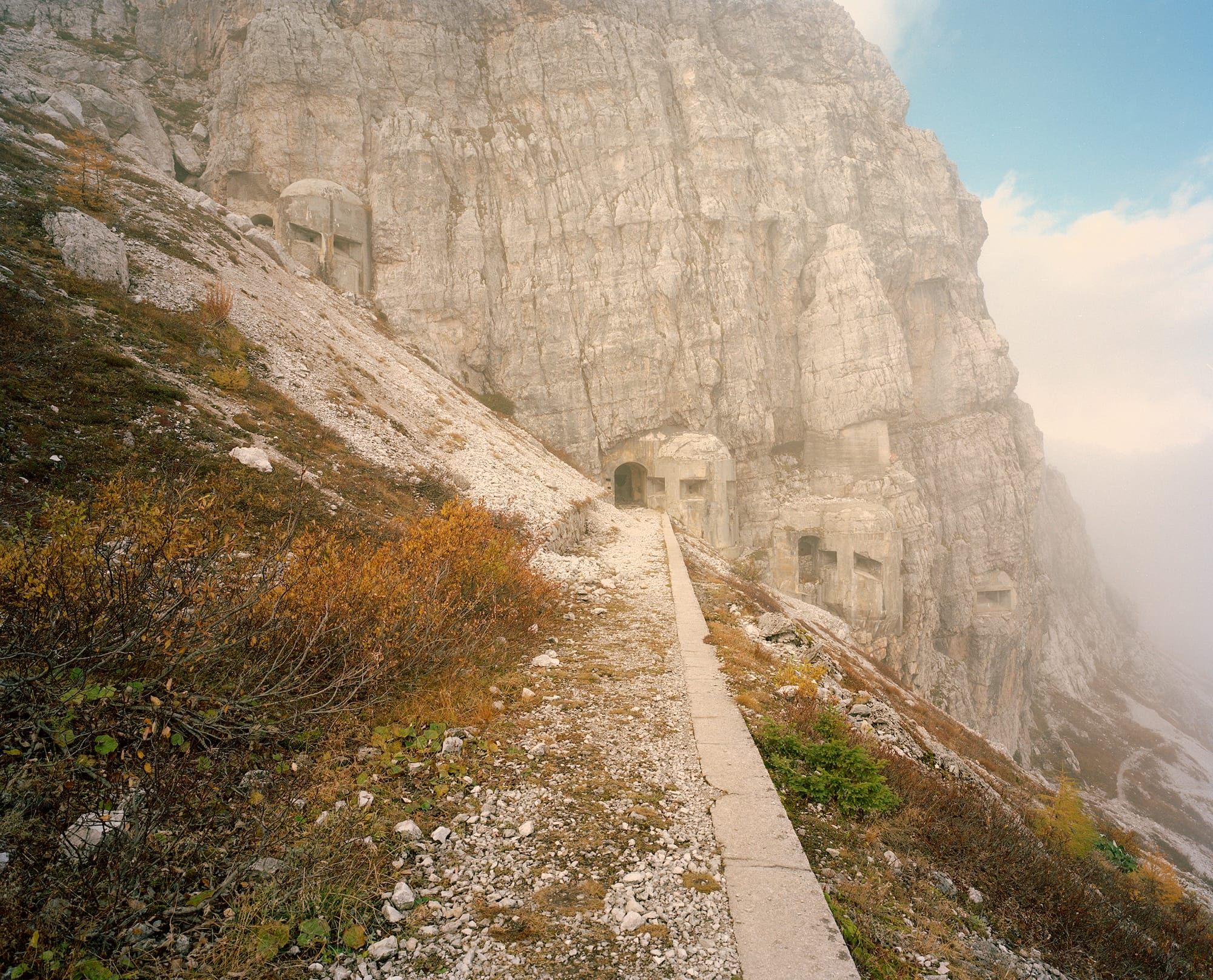
Over the decades that have passed since the end of the Second World War, nature has slowly begun to reclaim these monuments of human conflict. Grasses have colonized the concrete roofs, resilient shrubs have grown up close to the cold walls, and various exterior surfaces—originally engineered to provide camouflage against the rocky slopes—have developed an unusual, almost organic aesthetic. Some of these weathered structures now possess a surreal, Gaudí-esque character, blurring the line between industrial military engineering and the surrounding geological formations.
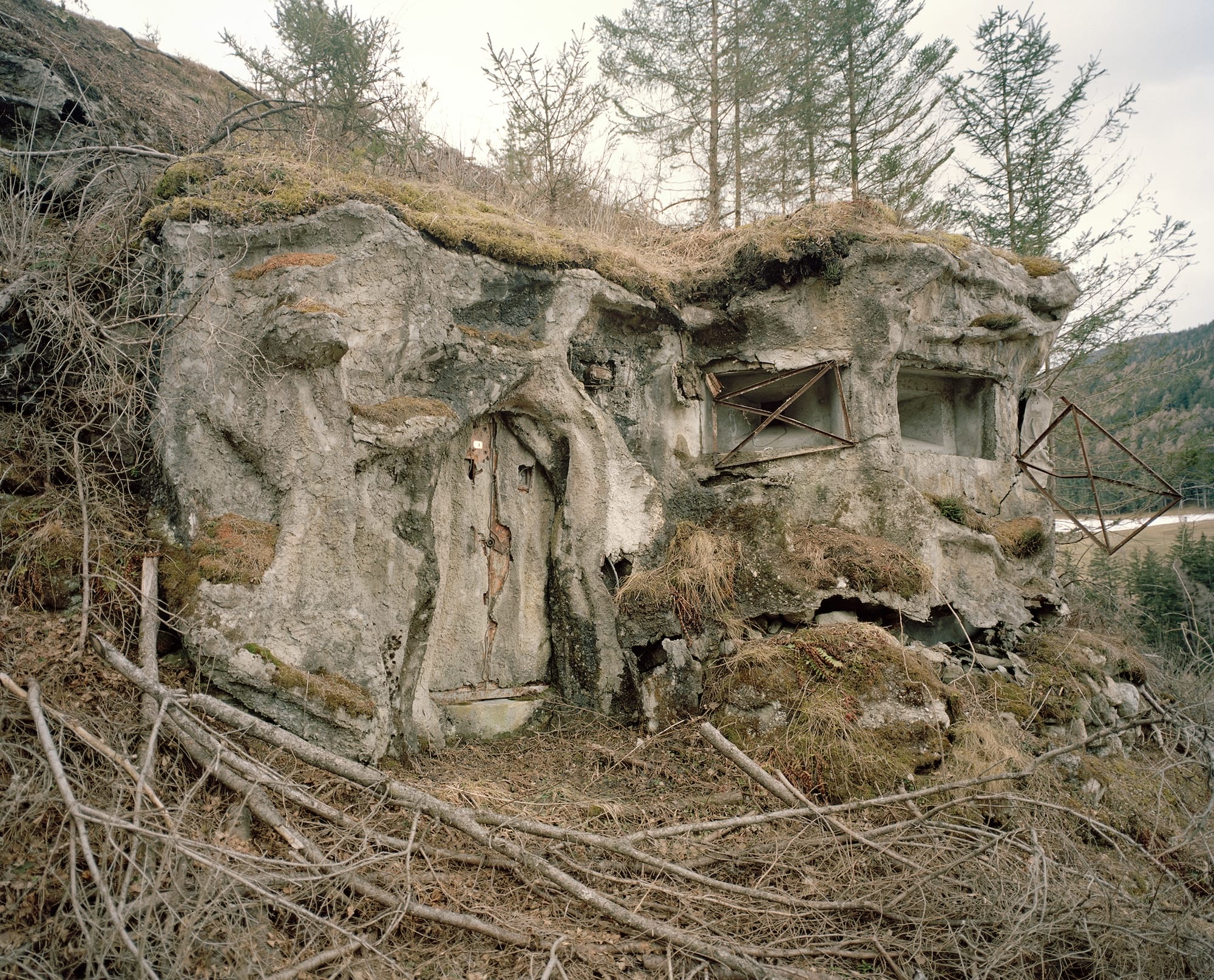
Depicted entirely without the presence of people, Pagliuca’s photographs transform these historical artifacts into silent monuments of human intervention. They stand as permanent, unyielding reminders of the drastic, often devastating measures that political and military forces will pursue in the name of nationalism and territorial dominance.
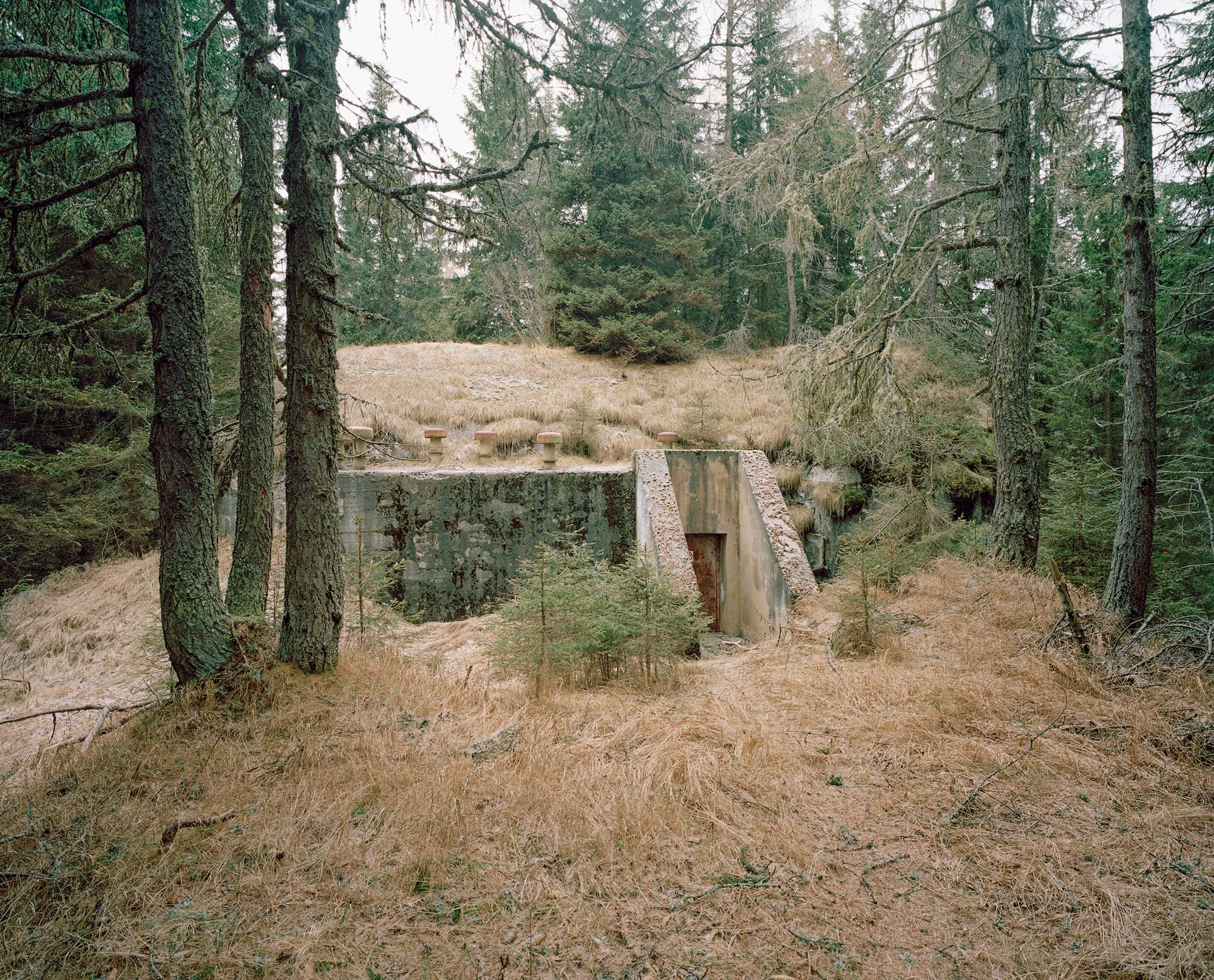
The profound historical weight of the project is underscored by a statement from the publisher, Hartmann Books, which reflects on the unsettling resonance of the artwork in the modern era. "The bunkers represent a difficult legacy, recalling a dramatic historical period in Central Europe marked by nationalist ideology and the inability to resolve conflicts through peaceful means—an era we thought had long since passed," the publisher notes.
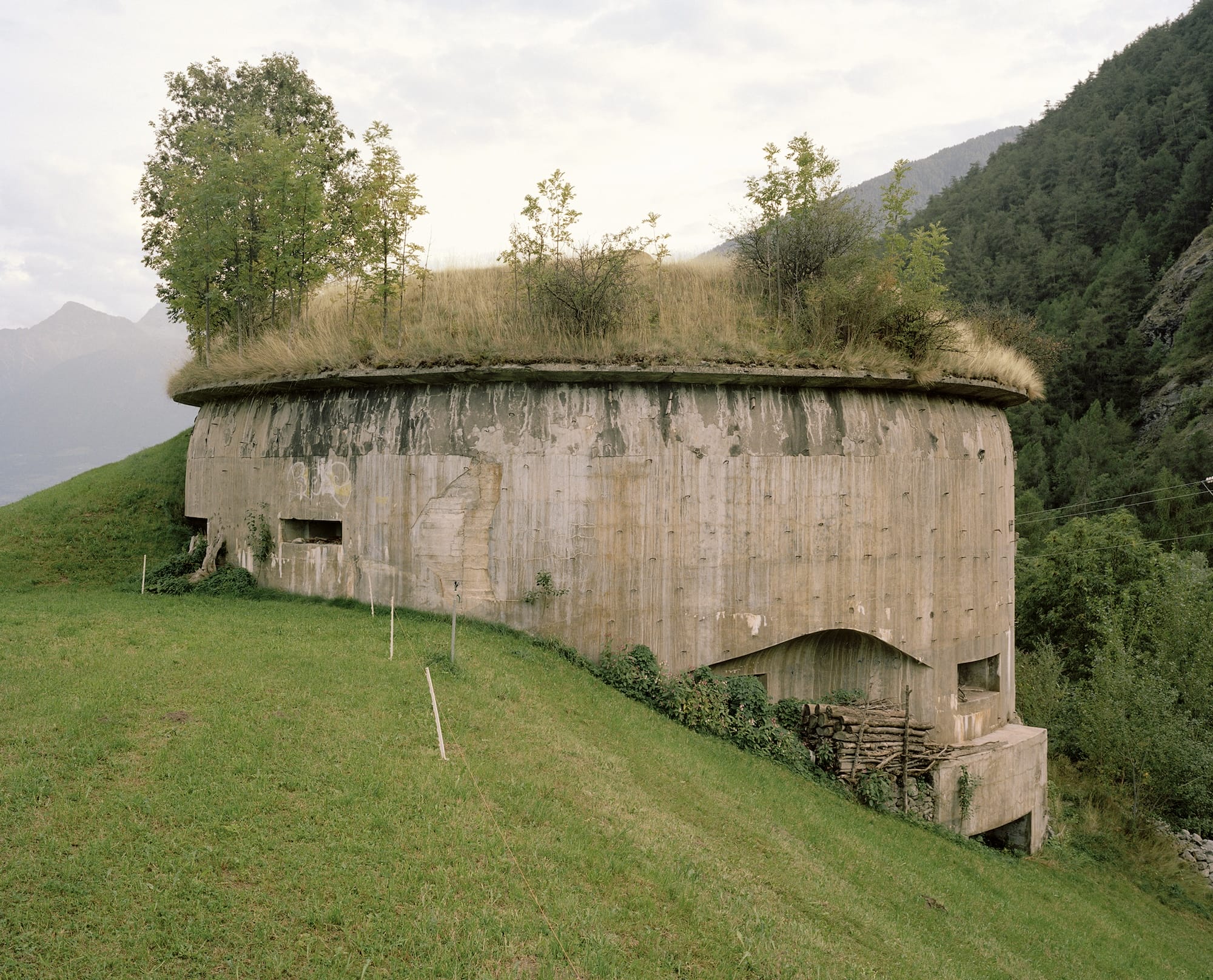
Through his meticulous and contemplative framing, Pagliuca captures more than just abandoned military architecture; he exposes the lingering ghost of a turbulent past embedded directly into the European landscape. The resulting collection invites viewers to confront the physical remnants of an era defined by division, capturing a delicate tension between the brutal intentions of military strategy and the quiet, enduring power of the natural world.
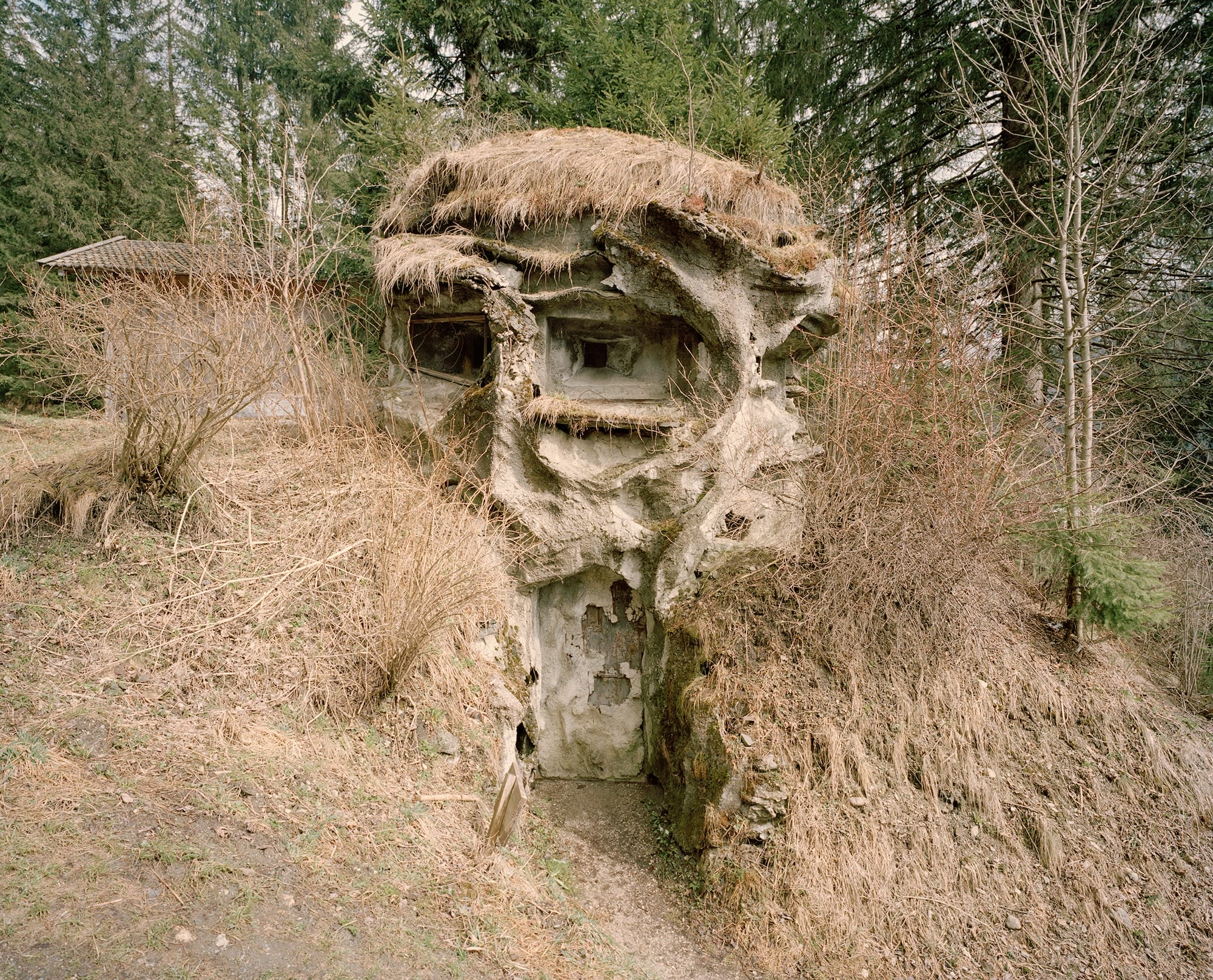
Art enthusiasts and photography collectors interested in exploring the full scope of the project can secure a copy of the hardcover book directly through the publisher’s shop. Additional imagery and ongoing updates regarding the artist’s work can be viewed on Vincenzo Pagliuca’s official Instagram account.