In Bali, Indonesia, the hospitality brand Potato Head and the renowned architecture firm OMA have joined forces to open the Good Times General Store, a pioneering retail space where the act of purchasing an item represents only a fraction of the overall visitor experience. Situated within the vibrant Desa Potato Head cultural and hospitality destination in Seminyak, this permanent retail establishment breaks conventional commercial molds by doubling as an active craft center. The venue brings together Indonesian-made objects, contemporary fashion, unique furniture pieces, and interactive, hands-on workshops under one roof. Rather than maintaining the traditional retail separation between the production of goods and their ultimate consumption, the project deliberately invites visitors to discover the intricate stories behind how things are made, where their raw materials originate, and what transformations await them after their initial life cycle concludes.
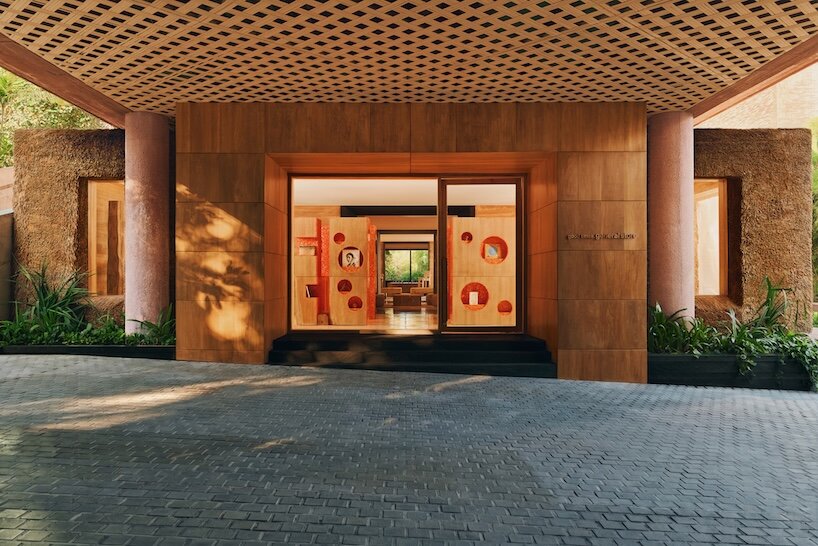
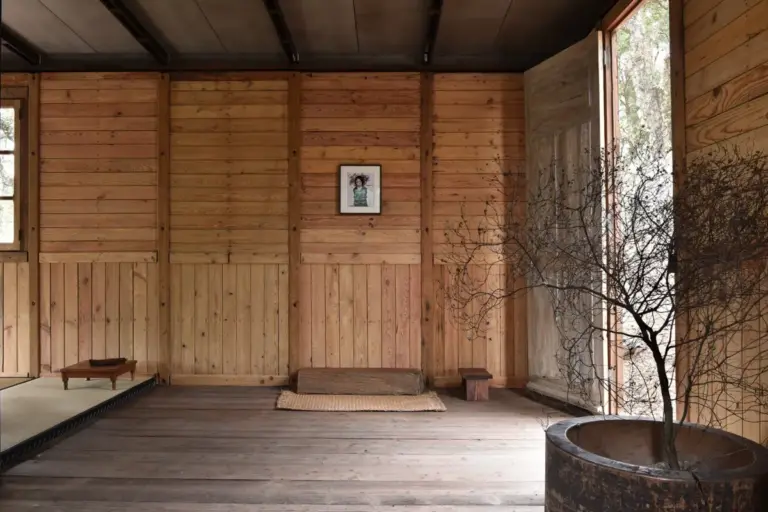
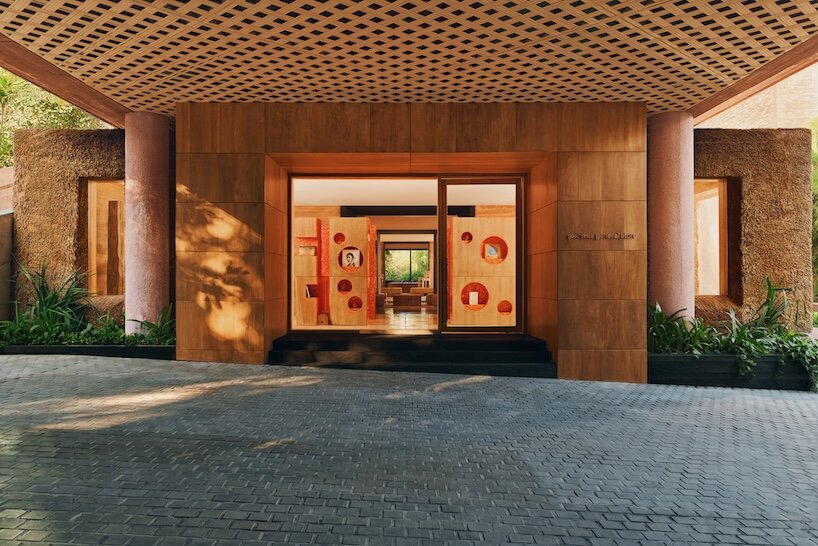
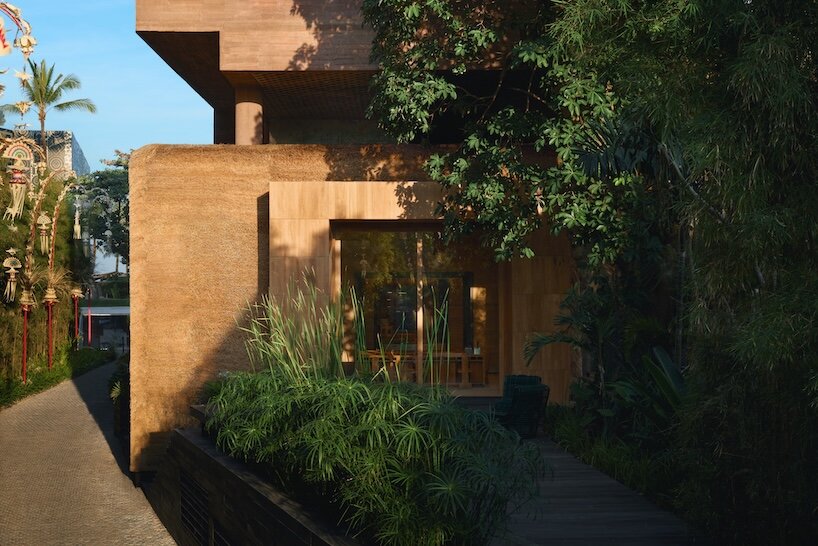
The architecture of the Good Times General Store reflects and reinforces this exact philosophical stance. Developed by OMA in close collaboration with Ade Herkarisma, Potato Head’s Group Head of Architecture and Development, the building draws deeply from rich Balinese construction traditions. The exterior showcases a striking alang-alang thatch facade, complemented by robust rammed-earth walls crafted from locally sourced clay, reclaimed structural wood, and innovative terrazzo floors that expertly incorporate recycled bamboo offcuts. Inside, fragmented earthen blocks naturally organize the spatial interior while consciously blurring the rigid boundaries typically found between distinct commercial and creative functions. The resulting environment is intensely tactile, allowing authentic materials to speak for themselves through their raw textures and natural finishes without relying on elaborate decorative cover-ups.
Five Bays Bring Indonesian Craft and Recycled Design Together
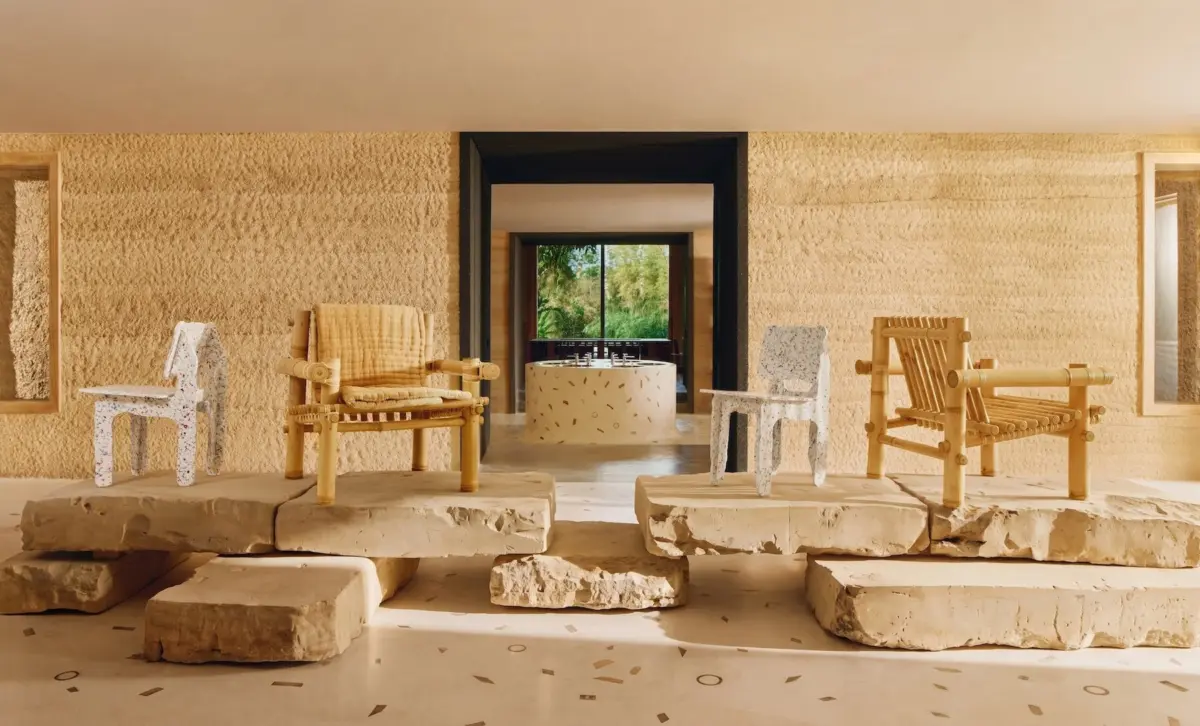
Inside the building, a carefully curated spatial layout designed by OMA features five interconnected bays that trace the successive stages in the lifecycle of everyday objects. This spatial arrangement seamlessly integrates retail spaces, craftsmanship demonstrations, and material experimentation into a unified, fluid environment. The first bay introduces visitors to artisan souvenirs, independent books, curated vinyl records, and unique lifestyle pieces crafted by independent local makers. Moving into the second bay, the focus shifts to Potato Head’s exclusive clothing and travel collection, which draws direct inspiration from the landscapes and culture of Bali. The third bay is dedicated entirely to the celebrated "Wasted" collection by designer Max Lamb, a compelling initiative that transforms discarded plastics and other regional waste materials into functional, high-end furniture and homeware. Together, these three initial spaces present a diverse spectrum of design approaches, ranging seamlessly from traditional Indonesian craftsmanship to cutting-edge contemporary experiments in material reuse and upcycling.
The remaining two bays pivot the visitor experience away from finished consumer products and focus instead on the active, behind-the-scenes processes that make such creations possible. One of these dedicated zones houses a fully functioning natural dye studio, where artisans and visitors can observe and participate in extracting rich pigments from plants and food waste collected from across the wider Desa Potato Head resort. This space invites guests to experiment firsthand with natural dyeing techniques, textile painting, and traditional pattern-making. Immediately adjacent to the dye studio, a dramatic wall constructed from shredded high-density polyethylene (HDPE) plastic anchors another workshop space. This material has been meticulously recovered through networks of local collectors and upcyclers operating across Bali and Java, serving as the raw medium for plastic molding demonstrations and ongoing material research. Furthermore, the operational program of the general store is designed to expand organically, with additional ateliers dedicated to traditional weaving, community upcycling, and specialized sewing slated to open their doors in 2027.
OMA Connects Circular Architecture with Hands-on Workshops
Beyond its multifaceted retail and educational program, the Good Times General Store is deeply integrated into Potato Head’s existing campus-wide sustainability infrastructure. This broader ecosystem includes the resort’s dedicated Waste Lab, a facility where discarded materials are scientifically investigated and repurposed into new applications, as well as the educational Follow the Waste Tour, which traces the complex journey of resources as they move through the resort. This commitment to environmental responsibility extends directly into the physical architecture of the store, which stands as a clear built example of how locally sourced and reclaimed materials can successfully shape contemporary architectural spaces. Ronald Akili, the founder of Potato Head, notes that retail can and should be much more than a simple commercial transaction, emphasizing the critical importance of understanding who crafts an object, what ingredients go into its creation, and what its next life might look like once its current purpose is served.
For OMA, the completion of the Good Times General Store continues a long-standing and fruitful collaboration with Potato Head that has already yielded several notable architectural and spatial interventions across the Desa campus, including the hotel and the Klymax Discotheque. However, this latest project shifts the primary conceptual emphasis away from hospitality, nightlife, and entertainment, focusing instead on the everyday relationship between people and the material goods they consume. By successfully bringing traditional craft, large-scale recycling initiatives, and active public participation into a single cohesive architectural setting, the Good Times General Store proposes an entirely different kind of shopping experience. In this environment, visitors are just as likely to leave with a newly acquired handmade object, a practical new skill, or simply a heightened awareness of waste and material stewardship, proving that the traditional shopping bag does not always have to be the primary takeaway from a day spent browsing.