More than seven decades after the tragic and brutal murder of 14-year-old Emmett Till shocked the American conscience, a groundbreaking new museum exhibition is inviting the public to consider an alternate history—one in which the young boy grew up to live a full, ordinary, and extraordinary life.
Currently on view at the Museum of Contemporary Photography at Columbia College Chicago, the exhibition is titled If Emmett Till Lived: Freedom on American Ground. Running through December 19, 2026, the exhibition draws deeply from the institution’s extensive permanent image collection. Rather than focusing solely on the harrowing historical trauma of his death, the curatorial vision asks a profound and haunting question: Who might Emmett Till have become if he had not been stolen from the world in the summer of 1955?
In the fateful summer of 1955, a young Emmett Till left his home in Chicago to visit family relatives in Mississippi. While at a local store, a white woman claimed that the teenager had harassed her, setting off a horrific chain of events. Till was subsequently abducted from his family’s home, subjected to a brutal beating, and lynched. His mutilated body was eventually recovered from the Tallahatchie River. The sheer cruelty of the crime, compounded by the subsequent mockery of justice when an all-white jury quickly acquitted his killers, sent shockwaves across the United States and the international community.
The open-casket funeral organized by his grieving mother, Mamie Till-Mobley, forced the brutal reality of American racism onto the pages of newspapers and magazines worldwide. The horrific imagery galvanized the African American community, illuminated the daily terror and systemic violence of Jim Crow, and served as a foundational catalyst for the burgeoning civil rights movement.
The echoes of his martyrdom rippled across the nation almost immediately. Just months after his killers walked free, Rosa Parks famously refused to surrender her seat to a white passenger on a municipal bus in Montgomery, Alabama. Parks would later recount that the image of Emmett Till was heavy on her mind when she made her historic and defiant choice. She had recently attended a memorial rally for Till led by a then-emerging young minister named Martin Luther King Jr. Furthermore, the public outrage surrounding Till’s death and the miscarriage of justice became a central topic of intense debate in the United States Congress, ultimately contributing to the passage of the Civil Rights Act of 1957, which significantly expanded federal protections for African American voting rights.
Had he survived the violence of that Mississippi summer, Emmett Till would have celebrated his 85th birthday this year. This milestone serves as the poignant framework for the exhibition at the Museum of Contemporary Photography. By utilizing decades of photographic works, the exhibition crafts a visual and conceptual narrative for a life that was unjustly erased.
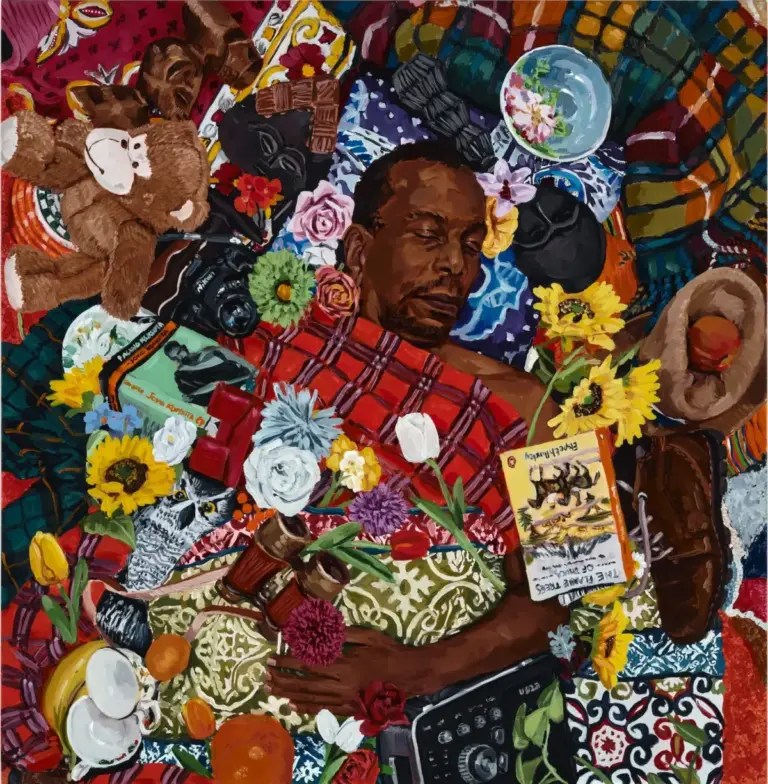
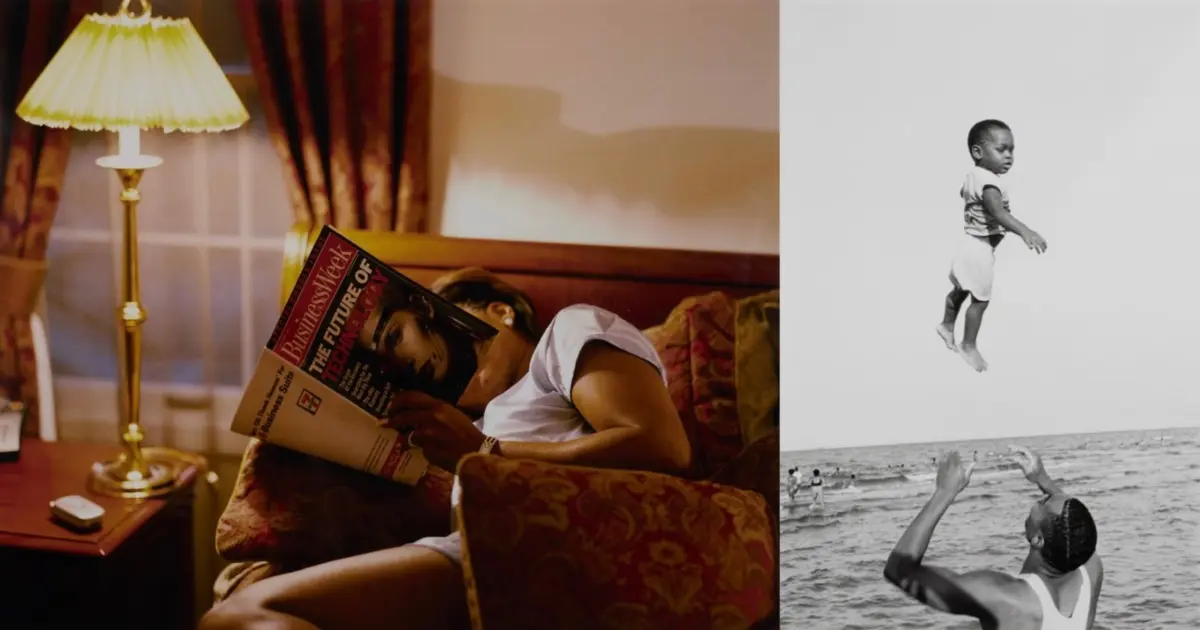
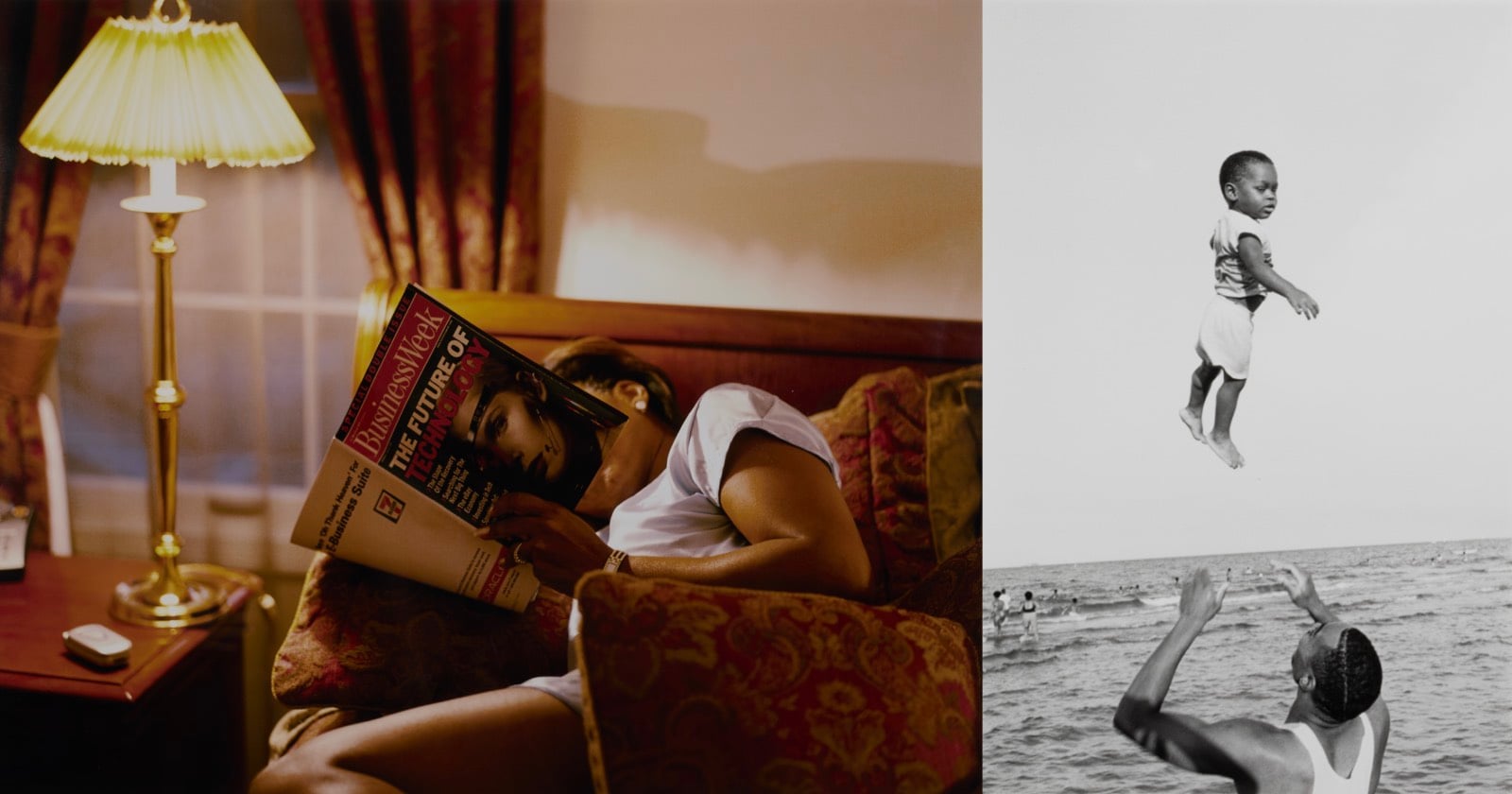
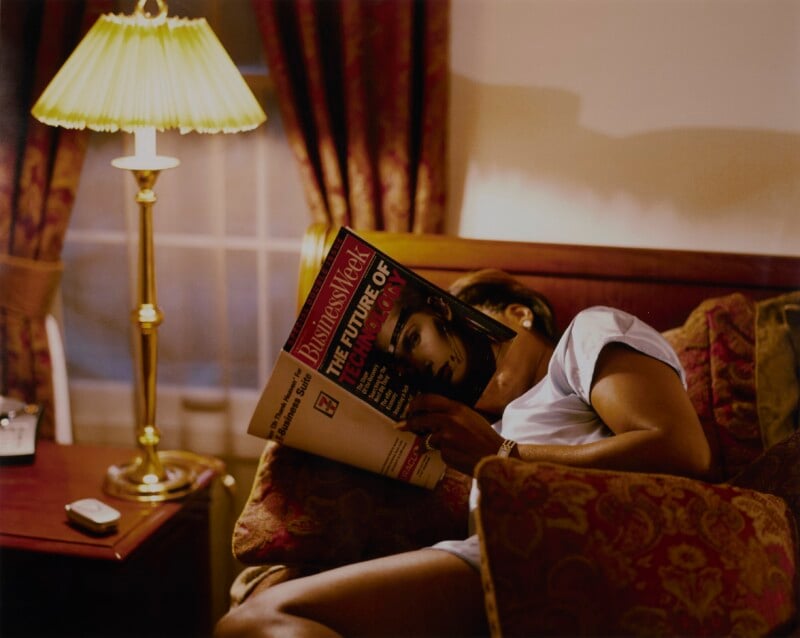
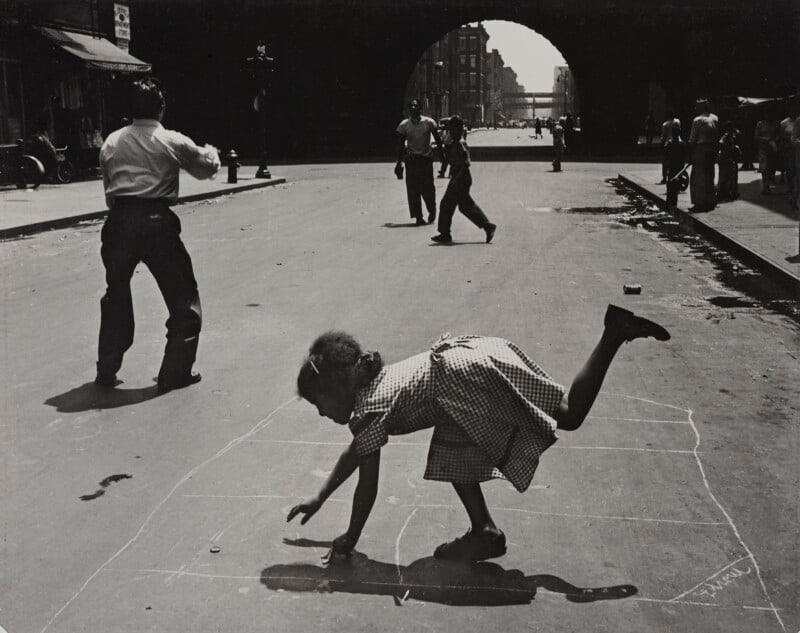
The curated collection of images takes viewers across a sprawling visual landscape of American life, capturing the ordinary moments and monumental shifts that Till would have experienced across his theoretical seven decades. Photographs document sweeping railroad lines and cross-country journeys that crisscross the United States, capturing the vastness of the geography he was denied the chance to traverse as an adult. Other works zero in on the quiet, intimate rhythms of everyday life in diverse urban neighborhoods and shared public spaces, reflecting the vibrant communities where he could have lived, worked, and aged.
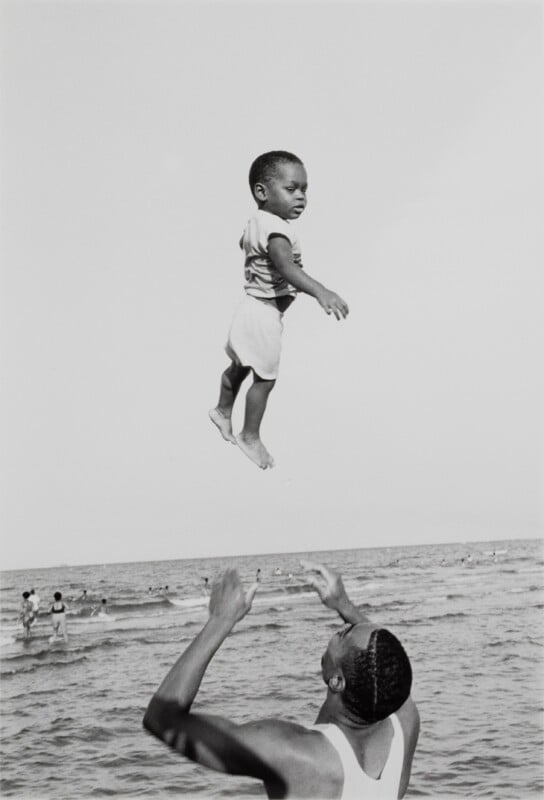
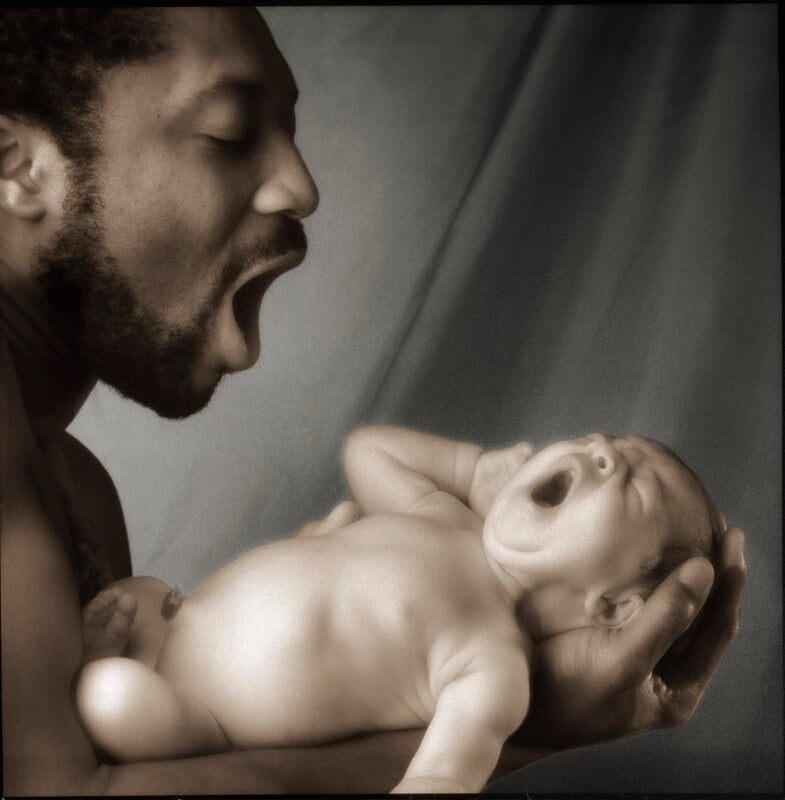
The exhibition expands further into deeply personal territories, focusing heavily on themes of family, romance, marriage, fatherhood, and domestic stability. These photographs depict the quiet joys of raising children, building a home, and participating in community life—milestones that every child is promised by society but which were systematically denied to young Black boys under the terror of Jim Crow. Alongside these domestic vignettes, the exhibition weaves in major cultural, athletic, and historical touchstones of the latter half of the 20th century and the early 21st century. Visitors encounter visual echoes of Michael Jordan’s legendary, gravity-defying career with the Chicago Bulls and the historic election of Barack Obama as the nation’s first Black president, framing the milestones that Till could have witnessed and celebrated as an elder statesman of his community.
Spanning several generations of master photographers, the exhibition brings together an extraordinary roster of artistic talent. The works on display include contributions from renowned figures such as Henri Cartier-Bresson, Dorothea Lange, Gordon Parks, Dawoud Bey, Teju Cole, Laylah Amatullah Barrayn, Carrie Mae Weems, and Stephen Marc, among others. Each artist’s lens contributes a distinct perspective on identity, community, struggle, and resilience in America, turning the museum galleries into a tapestry of collective memory and imagined futures.
The intellectual and emotional weight of the exhibition is anchored by its curator, Sarah Lewis, who reflected on the urgency and necessity of the project in an accompanying statement.
“Why create this show and publication now?” Lewis asks, addressing the contemporary relevance of confronting historical trauma through the lens of imagination. “Because more than seventy years after Emmett Till’s death, we are still asking, have we made good on the sacrifice of his life? We should not have to ask this question.”
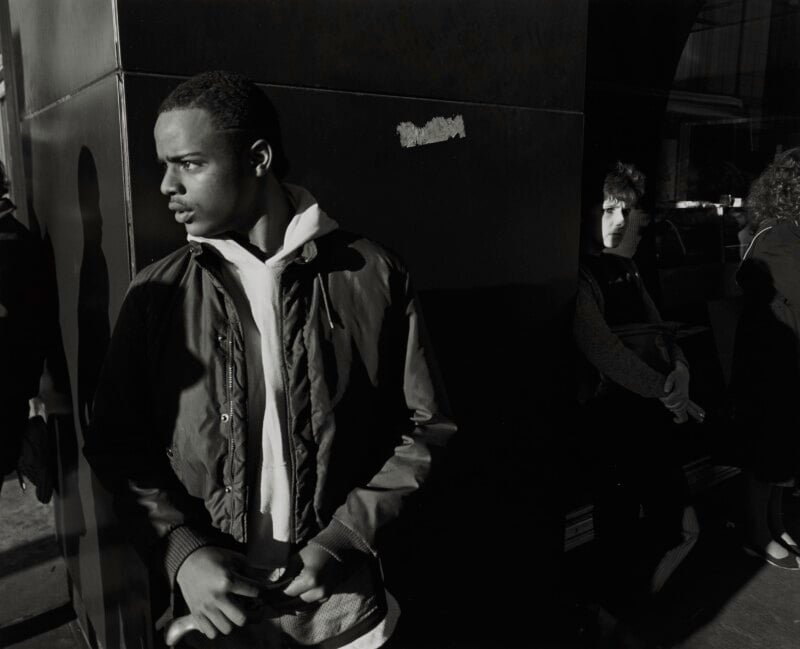
Lewis emphasizes that the project serves as a reluctant necessity born out of ongoing societal struggles with equity, justice, and the fundamental right to safety and existence.
“This show and the book that is its counterpart should not have to exist—and that is why I felt called to make them. They claim the ground of Till’s untaken journey from Mississippi back to Chicago,” Lewis adds. “His life is the epitome of the question we still grapple with today: Who has a right to the ground, to claim the right to stand? This exhibition and book are a creative monument to the life that Till—that anyone, any Black or brown boy—has a right to live.”
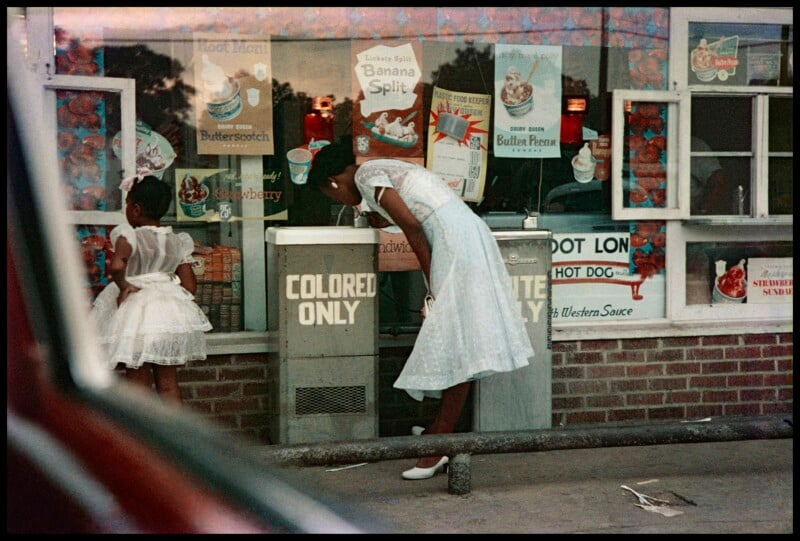
As visitors walk through the galleries of the Museum of Contemporary Photography, they are confronted not just with the ghost of a tragic history, but with the vibrant, breathing presence of an unfulfilled potential. If Emmett Till Lived: Freedom on American Ground stands as both an artistic reclamation of history and a solemn challenge to the present, reminding the public of the futures that are stolen by racial violence and the collective responsibility required to build a society worthy of the lives living within it.