The digital landscape of independent video game development is facing a profound and unprecedented crisis, driven by a sudden explosion of AI-generated content. As Steam Next Fest prepares to open its virtual doors with a staggering 8,011 matches featured on its press preview landing page, the sheer volume of upcoming games has reached an astronomical high. To put this explosive growth into perspective, this figure is roughly double the amount of demos featured during Steam’s June Next Fest, and a massive leap from June 2022, when Next Fest proudly showcased just over a thousand demos.
However, industry observers and developers alike note that the vast majority of these incoming titles risk being categorized as meritless slop. Furthermore, a substantial portion of these projects—though impossible to verify in every single instance—likely did not exist even as rudimentary concepts prior to October.
For anyone navigating social media platforms, particularly X, the shift has been palpable this month. Users have likely noticed an overwhelming surge of poorly executed clones and hastily assembled vibe-coded mashups. Much of this phenomenon can be attributed to recent technological advancements, specifically Anthropic’s release of the 5.5 update to its Claude Opus model. This latest iteration offers massive efficiency gains tailored for vibe coders—individuals who use conversational AI prompts to generate software code without a traditional engineering background. Beyond churning out quick video game mock-ups, this model has also been widely utilized to decompile commercial games and, perhaps most famously, to jailbreak the PlayStation 5.
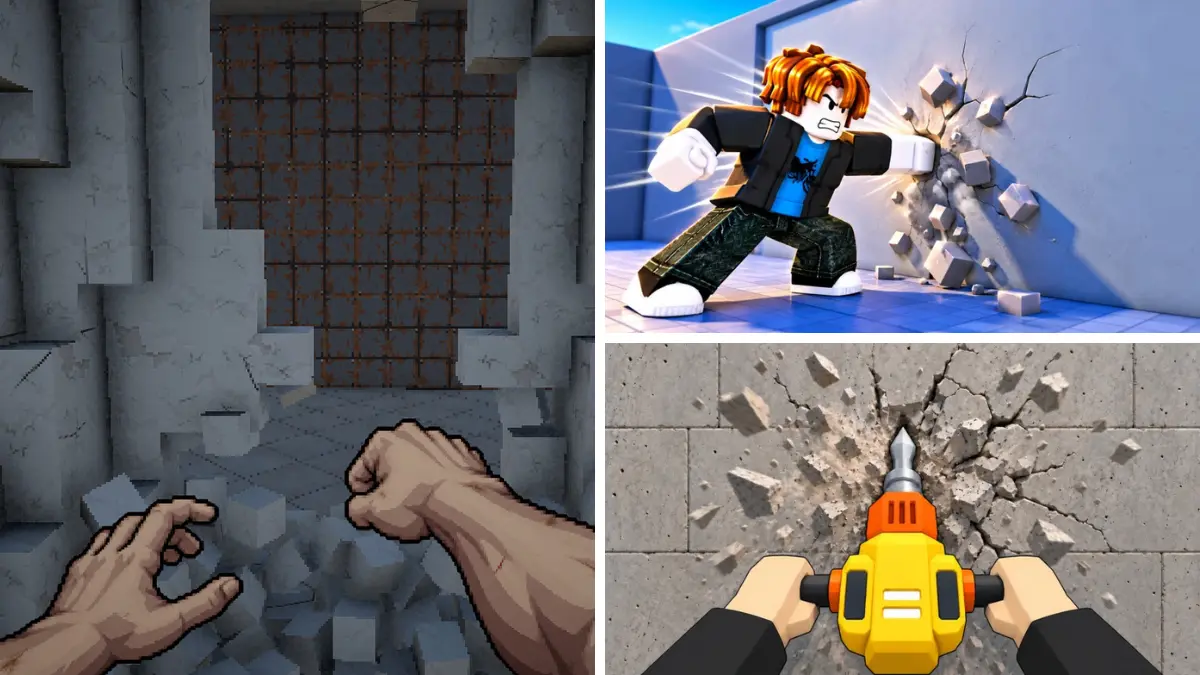
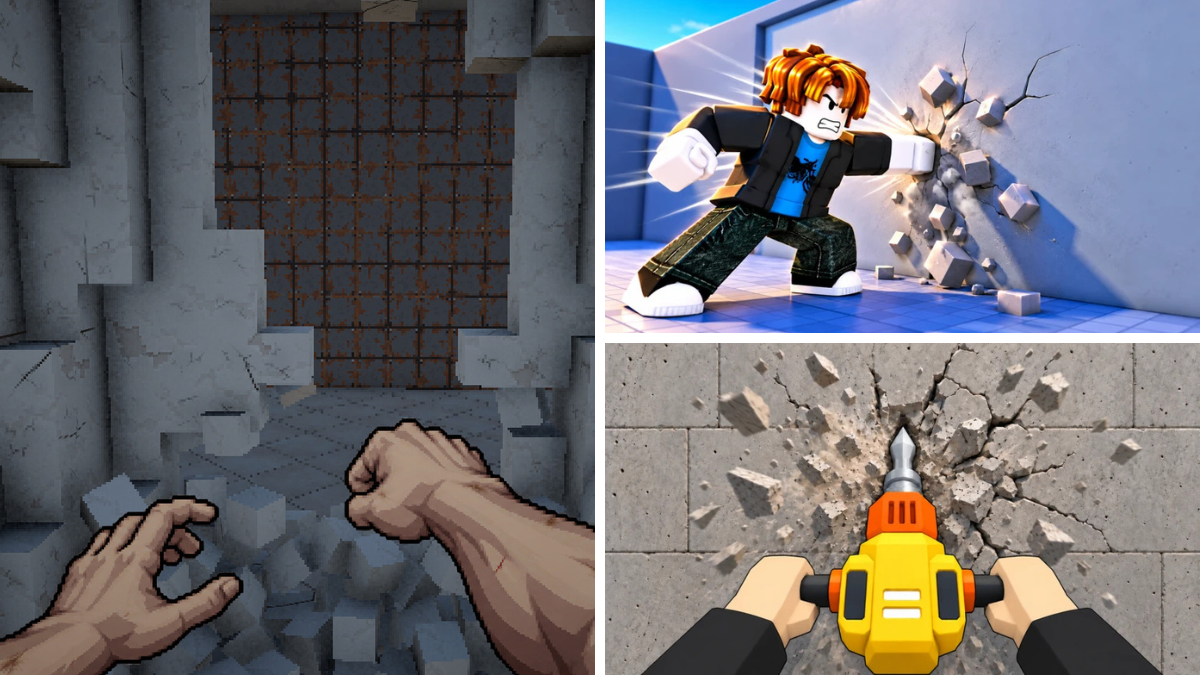
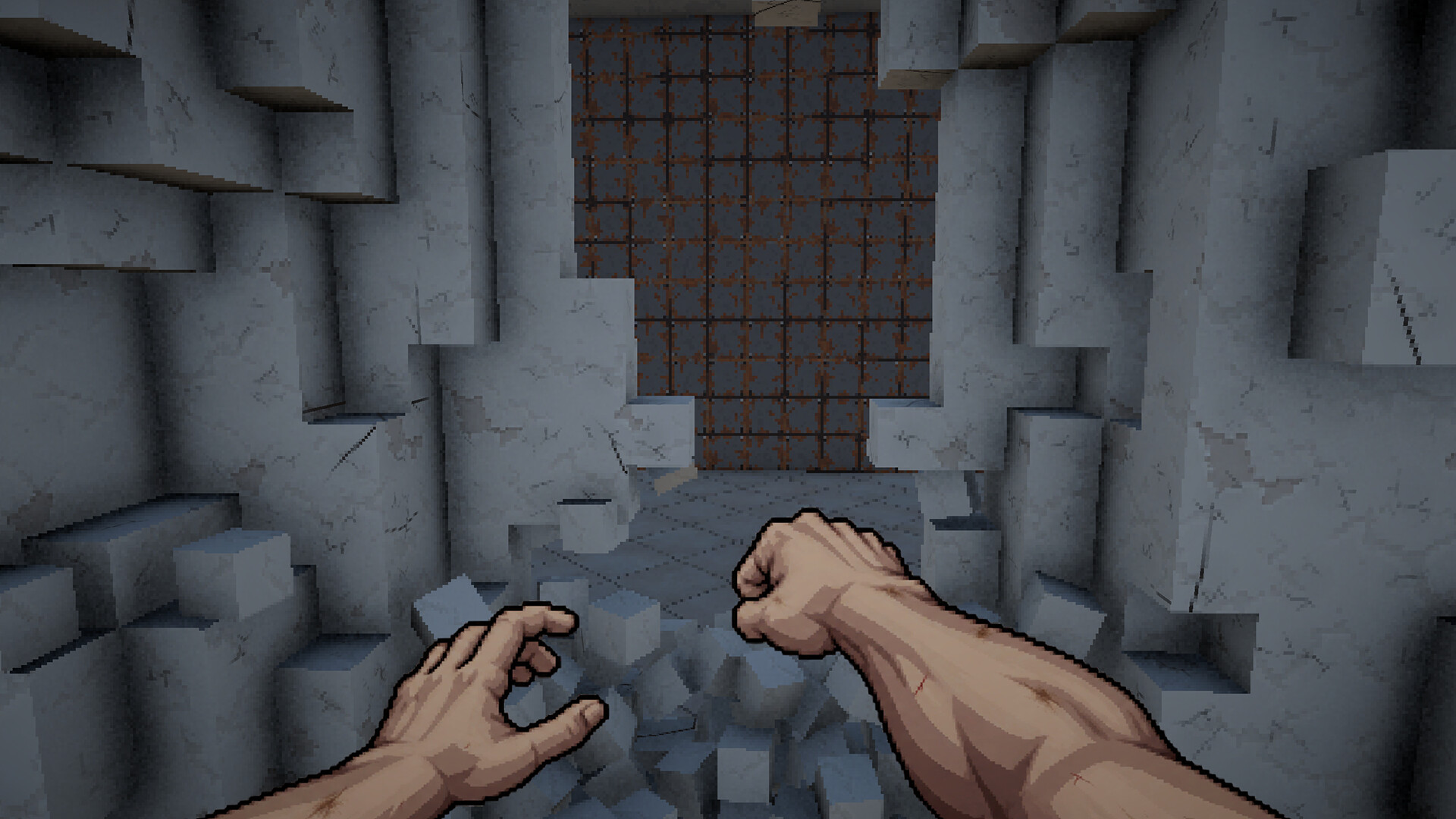
The gaming community has distinctly felt a threshold being crossed this October. The consequences of this rapid automation are already disrupting traditional indie game promotion and development cycles. For instance, on October 10, the creator of Escape the Walls—an incremental punching game that itself utilizes AI to accelerate development speed—posted in-progress footage of the title on X. Prophetically, a user replied to the post warning the developer that they had exactly seven hours before someone recreated the concept on Roblox and generated twenty times their revenue.
That prediction proved eerily accurate. Within days, a multitude of clones emerged across platforms. By October 19, at least seven distinct Roblox clones of Escape the Walls were actively operating. The trend extended even to competing Steam developers, with one rival studio audaciously tweeting a link to their own competing clone directly to the original creator. Their public post cheerfully announced that their Steam page was live as well, adding that there was nothing wrong with friendly competition, despite the blatant derivative nature of the project.
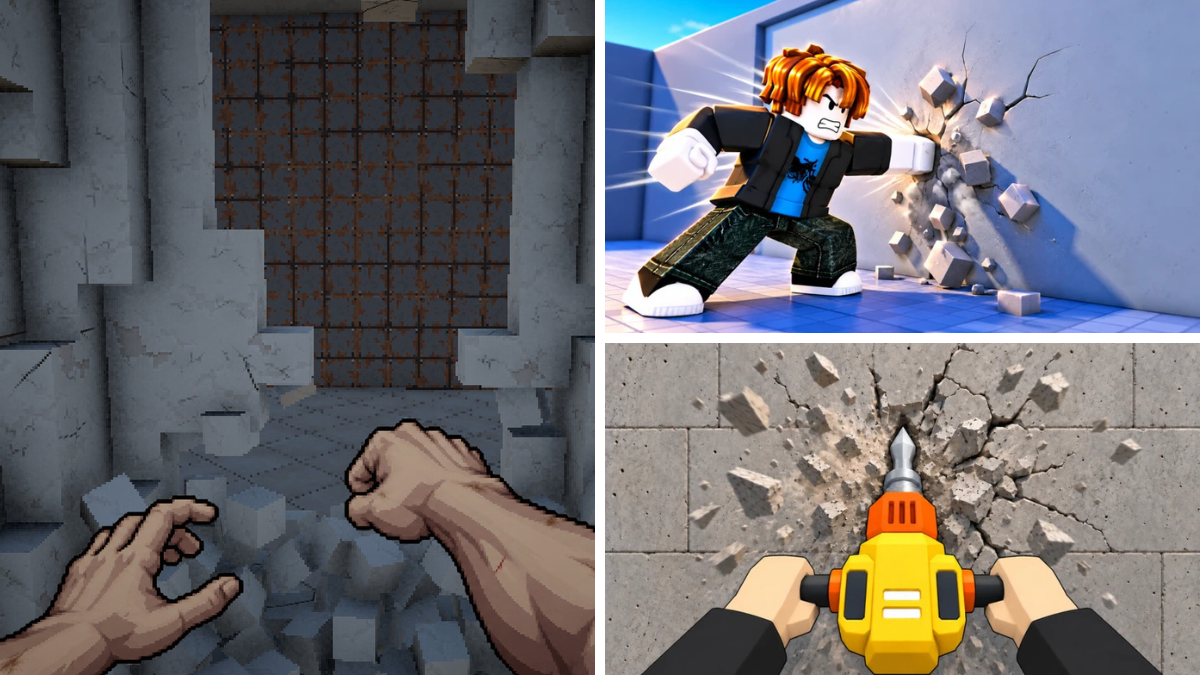
Leaving aside the modest production values of the original Escape the Walls, the situation underscores the severe perils of marketing independent games in an era where a clone can be engineered, polished to a basic standard, and published within mere hours. The chilling effect on the broader development community is already taking shape. As previously reported by industry outlets, the creators of Drunken Goddess Reflux, an upcoming "Russian roulette drinking survival" game, abruptly announced they would cancel their planned public demo on Steam out of a deep-seated fear of instant replication.
A spokesperson for studio Alliance Arts Inc. explained the decision in a public statement, noting concerns that the content of the demo could easily inspire imitations or direct replicas of the game’s presentation and gameplay. They feared such knockoffs could be swiftly produced using AI or other automated tools and rushed to market ahead of the actual game’s launch. Instead of a public showcase, the studio opted to host closed-environment play sessions restricted strictly to individuals who read and agreed to a stringent series of participation requirements.
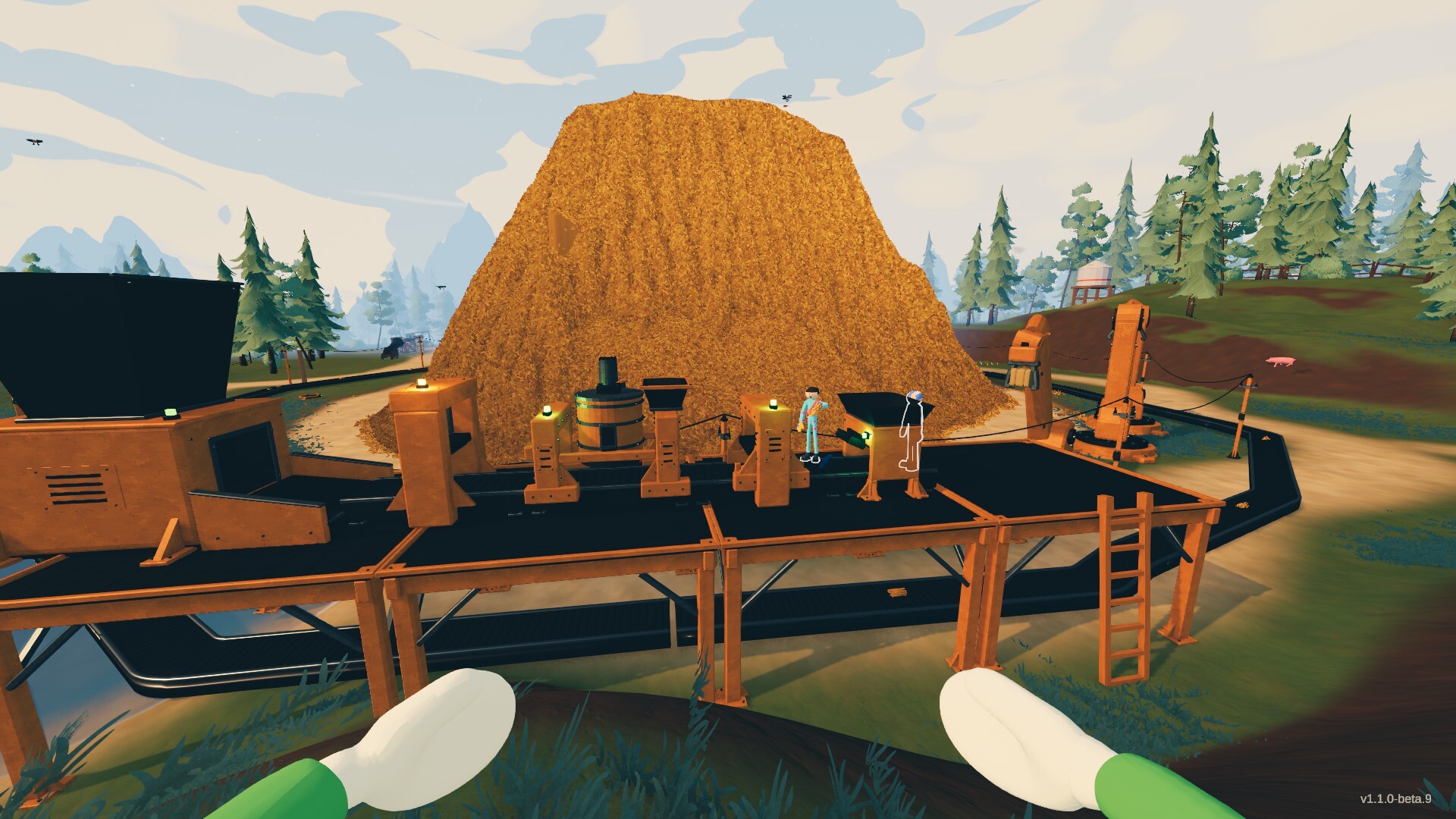
Similar disputes over intellectual property and code theft are surfacing elsewhere on the platform. NoGlyph, the creator of Needle In A Haystack—itself part of a rapid wave of similar haystack-sorting titles—publicly accused another studio of lifting code directly for a competing release. On October 16, a game titled A Game About Needle In A Haystack launched on Steam by Little Field Studios. NoGlyph asserted that the competing title contained actual code copied directly from their project, emphasizing that the grievance went far beyond a shared conceptual idea or similar mechanical framework.
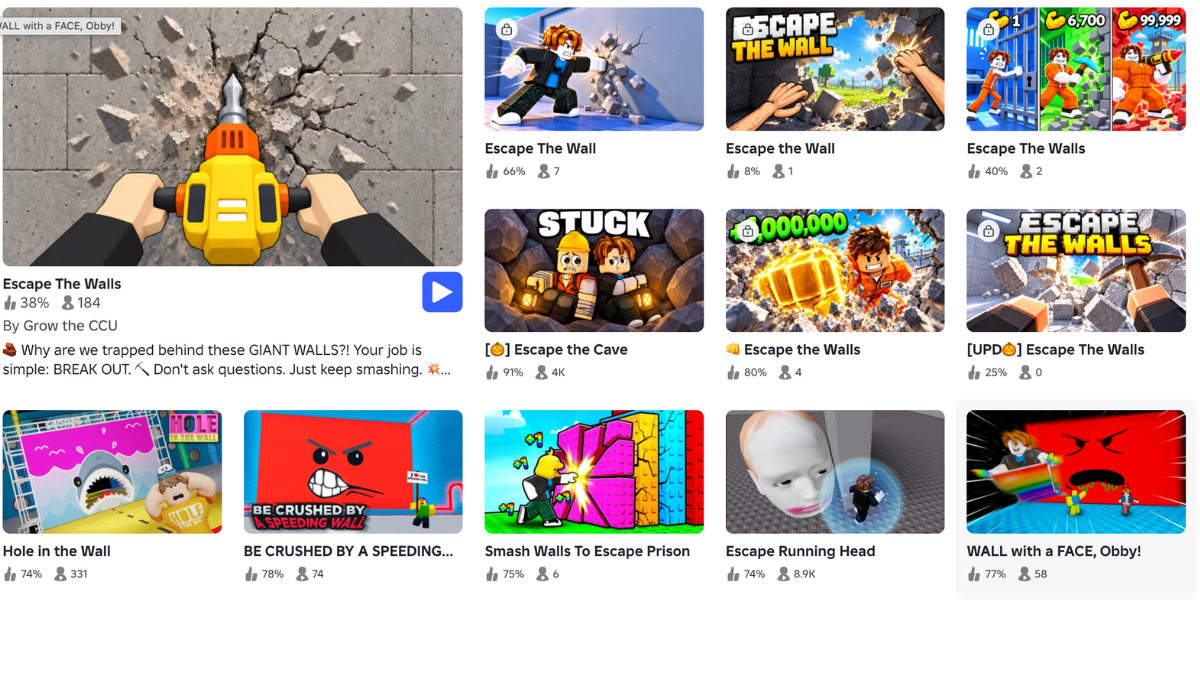
Offering technical evidence to support the claim, NoGlyph detailed how specific mechanics—such as how the haystack is rendered, how players dig into it, and how gold, lapis, and diamond variants function—took extensive time to code correctly. Upon reviewing the competing game’s files, the developers discovered 13 classes with identical names. Furthermore, more than half of the functions in that specific code block matched their own down to the letter. Most damningly, several proprietary error messages remained in the codebase word for word, including one referencing a project shader that did not even exist within the offending studio’s game. Consequently, NoGlyph filed a formal copyright infringement notice with Valve.
These incidents highlight a growing anxiety that independent studios might pull back from releasing public demos or marketing their titles openly, fearful that talentless actors will harvest their concepts and flip them into monetizable slop before the original creators can reap the rewards of their labor.
While proponents of artificial intelligence frequently argue that the technology "democratizes" specialized skills and artistic disciplines—such as music composition, creative writing, coding, visual art, and video game development—the reality within the gaming sector tells a different story. Rather than democratizing creation, AI tools have frequently served to embolden hacks, philistines, and quick-turnaround scam merchants. Vibe coding a 20-minute, blockbuster-styled game that visually mimics major intellectual properties like Marvel, Star Wars, or Fortnite, or rapidly cloning a viral indie hit on Roblox, does not make someone a video game developer. If anything, it highlights a fundamental misunderstanding of the medium.
True creative work requires years of dedicated thought, iteration, and mastery of a craft. Spending decades contemplating design philosophy and practical execution is what ultimately generates original ideas. Without underlying ideas, individuals wielding these advanced tools are merely playing with expensive toys. The widespread claims of democratization fall flat when contrasted against the reality of platforms like Roblox and the mounting piles of low-effort releases currently flooding Steam. While Steam’s discoverability algorithms generally keep the vast majority of the 8,000-plus Next Fest demos hidden from public view, the titles that do manage to break through and find an enthusiastic audience immediately attract hordes of opportunists, utilizing automated technology that risks pricing genuine creators out of the PC gaming market.
Top Steam games by revenue
In the broader marketplace, the weekly revenue charts reflect a relatively quiet period for major software releases. Dota 2 captured the top spot in the weekly revenue rankings, underscoring a slower cycle for new blockbuster debuts.
Right behind, Star Wars: Galactic Racer launched on October 6 and secured the fourth position. Given generally positive critical reception and the immense pulling power of the Star Wars intellectual property, many industry analysts anticipated it might claim the number one spot.
Meanwhile, Gears of War managed to maintain a top-ten presence, landing firmly after ranking sixth during its initial debut week following its pre-launch period. Risk of Rain 2 also re-entered the spotlight thanks to a well-received content update and expansion, while the Steam Deck resurfaced at number six, indicating a fresh wave of hardware inventory replenishment.
As for Aion 2, user reviews on Steam indicate that player reception remains mixed, yet the title continues to generate substantial revenue for NC.