Adding crucial insider context to these developments, prominent YouTuber Dantics has recently stepped forward to reveal comprehensive details regarding what BioWare was actively building behind closed doors. According to Dantics, his inside knowledge stems directly from his participation in the official Mass Effect community council, an exclusive advisory group through which he personally witnessed the studio’s creative direction and contributed regular feedback throughout the game’s early development phases. While independent direct confirmation of Dantics’ specific role on the council remains unverified by corporate channels, other prominent figures on social media have openly vouched for his credibility. Furthermore, the existence of BioWare community councils is a well-documented reality within the studio’s operational history, with official developer blogs referencing their active involvement in planning cycles. Similar councils have also been visibly credited in the official credits rolls for major franchise releases, including both Mass Effect: Legendary Edition and Dragon Age: The Veilguard. Adding further weight to these insider claims, Mass Effect veteran Michael Gamble, who serves as the project lead on the next iteration of the sci-fi franchise, maintains a public mutual connection with Dantics on the social media platform X.
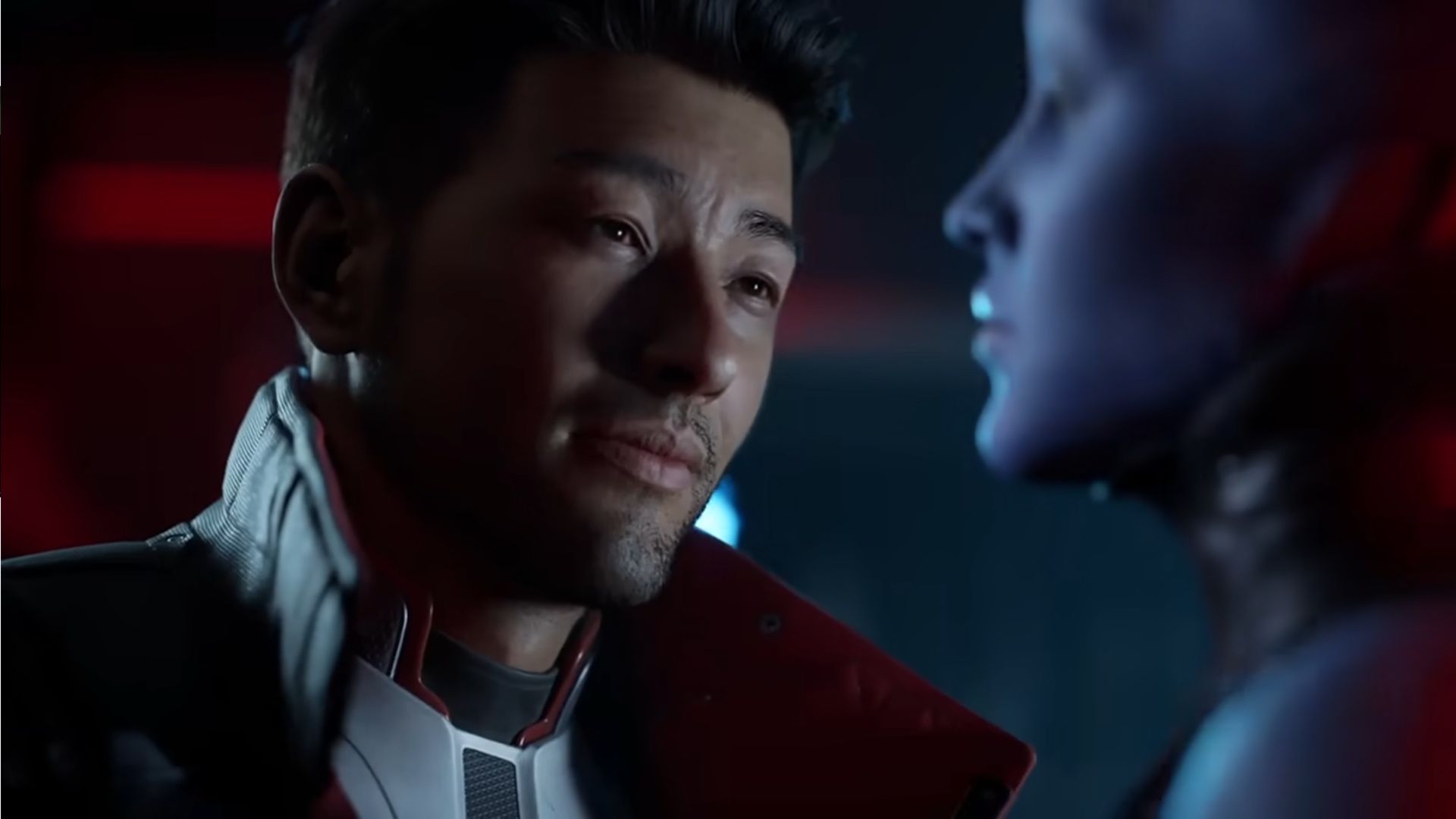
Operating under these contextual parameters, Dantics shared a sweeping breakdown of the creative vision BioWare was pursuing for the next mainline Mass Effect title. Set more than 600 years after the devastating events of the Reaper War, the narrative was designed to place players directly into the boots of a fully customizable N7 agent. Rather than echoing the invincible, walking-gun-rack archetype of previous protagonists, this new hero was envisioned as a narrative and mechanical cross between John Wick and James Bond, emphasizing tactical precision, sleek lethality, and personal agency. The overarching political landscape of this distant future timeline depicted a galaxy sharply divided into three major geopolitical factions. The first alliance united humanity alongside the Krogan, the Batarians, and various other species, while the traditional "Council Races"—consisting of the Asari, Salarians, and Turians—formed a distinct second bloc. Meanwhile, the Geth had evolved significantly to emerge as the galaxy’s third major superpower. Instead of recycling an existential, galaxy-ending crisis akin to the Reaper invasion, the storyline was structured around a tense, shadowy "galactic Cold War," driven by clandestine maneuvering, political espionage, and competing ideological interests across the stars.
The ambitious scope of the project extended far beyond geopolitical rivalries, incorporating monumental sci-fi concepts such as massive Geth-built megastructures and direct narrative connections linking the Milky Way galaxy to the distant Andromeda system. Mechanically, the gameplay was poised to introduce innovative features, including experimental technology permanently implanted directly into the player character as a distinct point of differentiation. This cybernetic enhancement would have allowed players to hack and manipulate their immediate environment in sophisticated ways, granting abilities such as seeing through walls, identifying electronic and mechanical systems remotely, and triggering environmental hazards to dispatch adversaries from the shadows. Mission design was intended to blend the handcrafted, cinematic structure characteristic of the original trilogy from Mass Effect 1 through 3 with the deep tactical freedom found in immersive stealth-action games like Hitman, giving players multiple viable pathways to complete objectives. Complementing this gameplay loop were brutal close-range executions designed to underscore the agent persona, alongside complex companion dynamics featuring squadmates capable of interpersonal clashes that would directly impact the narrative flow. Additionally, Dantics noted that romantic storylines were not being sanitized, signaling a mature approach to character relationships, and confirmed the return of Liara, who had evolved into an incredibly powerful Asari Matriarch. In summarizing his experience with the project, Dantics emphasized that from what he personally observed, BioWare was crafting a Mass Effect experience tailored specifically for longtime fans rather than trying to appeal to outside demographics, concluding that the project looked incredible before its untimely cancellation.
In a separate video discussion, Dantics elaborated on how the narrative team intended to handle the notoriously divisive multiple endings of Mass Effect 3 without alienating player choices. Rather than arbitrarily declaring one specific outcome as the definitive canon timeline, the game was designed to gracefully accommodate all three historical conclusions. Because the story advanced six centuries into the future, the Reapers themselves had effectively become outdated technology, stripping them of the apocalyptic danger they posed during Commander Shepard’s era. Furthermore, widespread technological advances in cybernetics and genetic modification had become deeply integrated into everyday galactic society, naturally reflecting the societal shifts implied by the synthesis ending. For players whose Shepard chose the destruction path and managed to survive the harrowing events of the war, the passage of six centuries meant that the original hero had long since passed away, yet their enduring legacy remained firmly preserved and woven into the fabric of the galaxy regardless of how any individual player’s specific playthrough concluded.
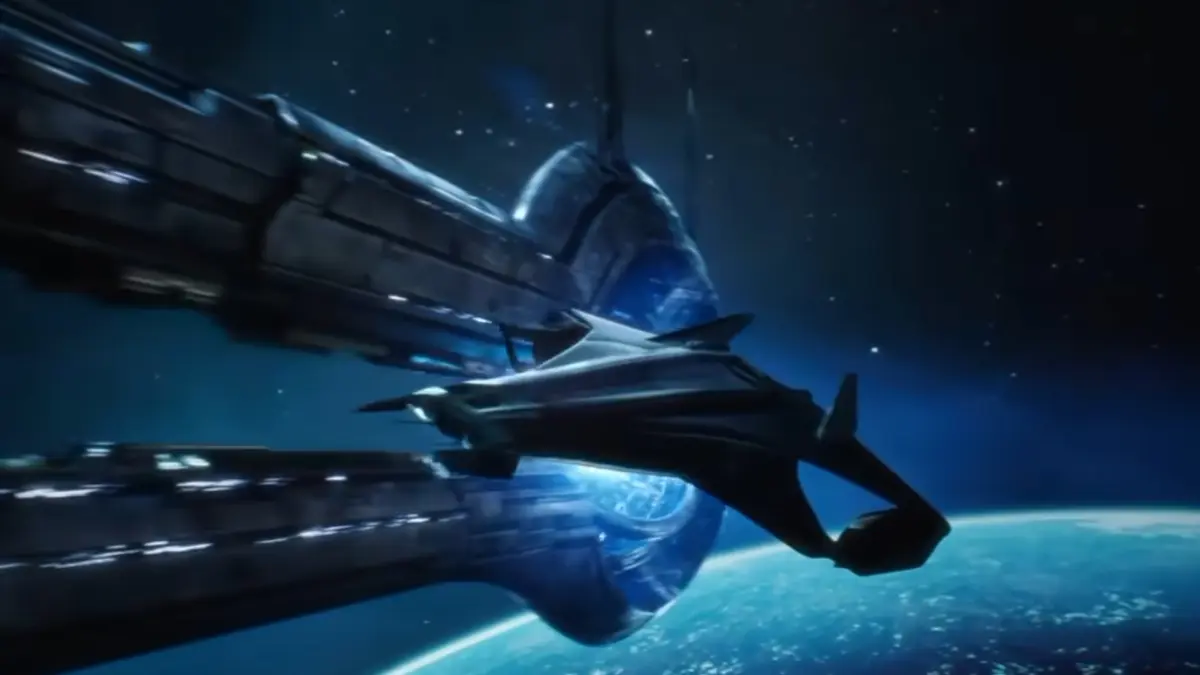
Reflecting on these expansive narrative choices, long-running industry observers have occasionally noted the inherent storytelling challenges associated with fictional universes that project themselves centuries into the future while maintaining a remarkably static aesthetic and cultural status quo. A span of six centuries represents an immense duration for technological, sociological, and architectural evolution, yet science fiction franchises frequently feature societies continuing to wear familiar clothing, fire analogous weaponry, and pilot starships bearing striking stylistic resemblances to their historical predecessors. Six centuries of continuous scientific progression in the Mass Effect universe appeared to yield starships that closely mirrored the iconic lines of the Normandy, albeit with modern cosmetic refinements and updated auxiliary systems.
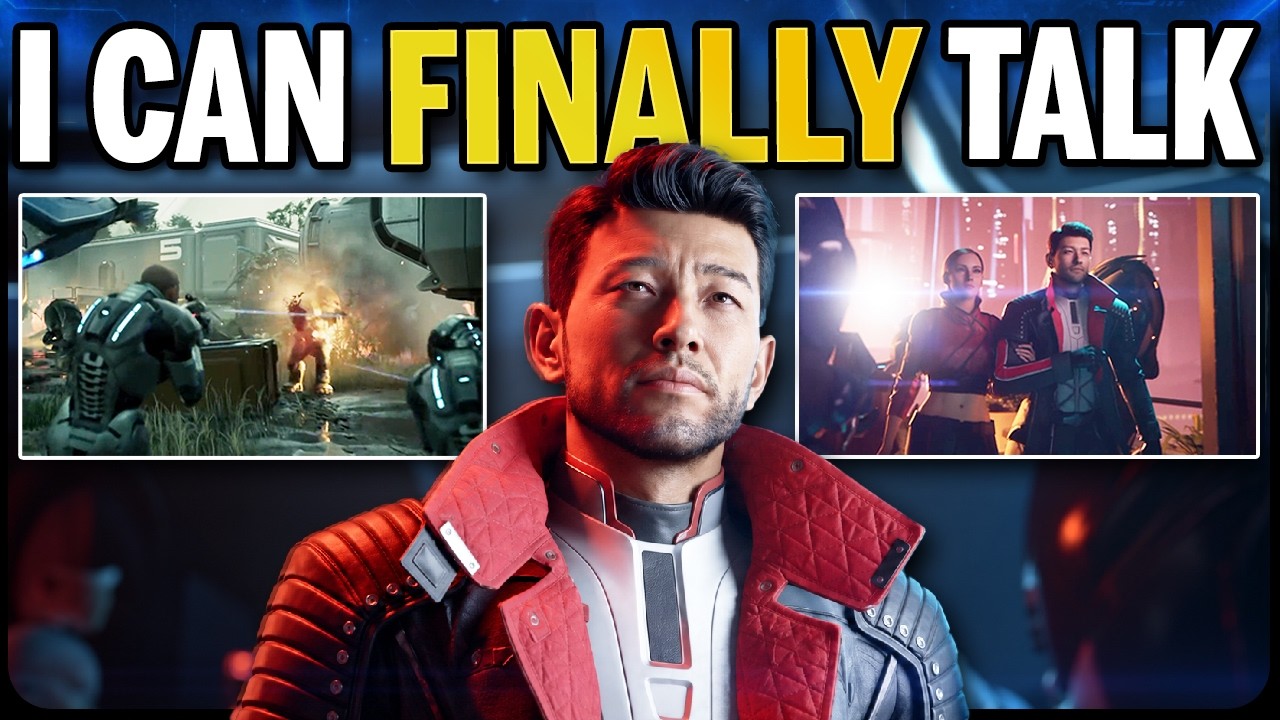
Despite these familiar tropes, the overarching blueprint that BioWare had formulated for the next chapter of the franchise resonated strongly with fans who had felt alienated by the divisive trajectory of Mass Effect: Andromeda. The proposed setting struck a delicate balance, remaining structurally familiar enough to entice veterans back into the fold while offering enough temporal distance to allow the development team creative freedom to explore uncharted territory. The core premise—involving shadowy conflicts in the corners of the cosmos and deploying an elite operative to restore order with the aid of trusted companions—embraced the foundational identity of what makes the franchise distinctive. While the fundamental formula remained true to its roots, the consensus among disappointed enthusiasts was simply that more of this universe executed at a high level was precisely what the audience wanted.
Unfortunately, with Electronic Arts abruptly terminating operations at BioWare, the realization of this ambitious vision appears permanently out of reach. Unless corporate leadership undergoes a dramatic shift in policy regarding intellectual property management—such as entertaining acquisition proposals from external entities or interested regional coalitions, a notion previously floated by Canadian political figures regarding worker-led buyouts—the leaked concept trailer and insider testimonials will likely stand as the closest glimpse fans will ever receive of the studio’s unfulfilled finale.