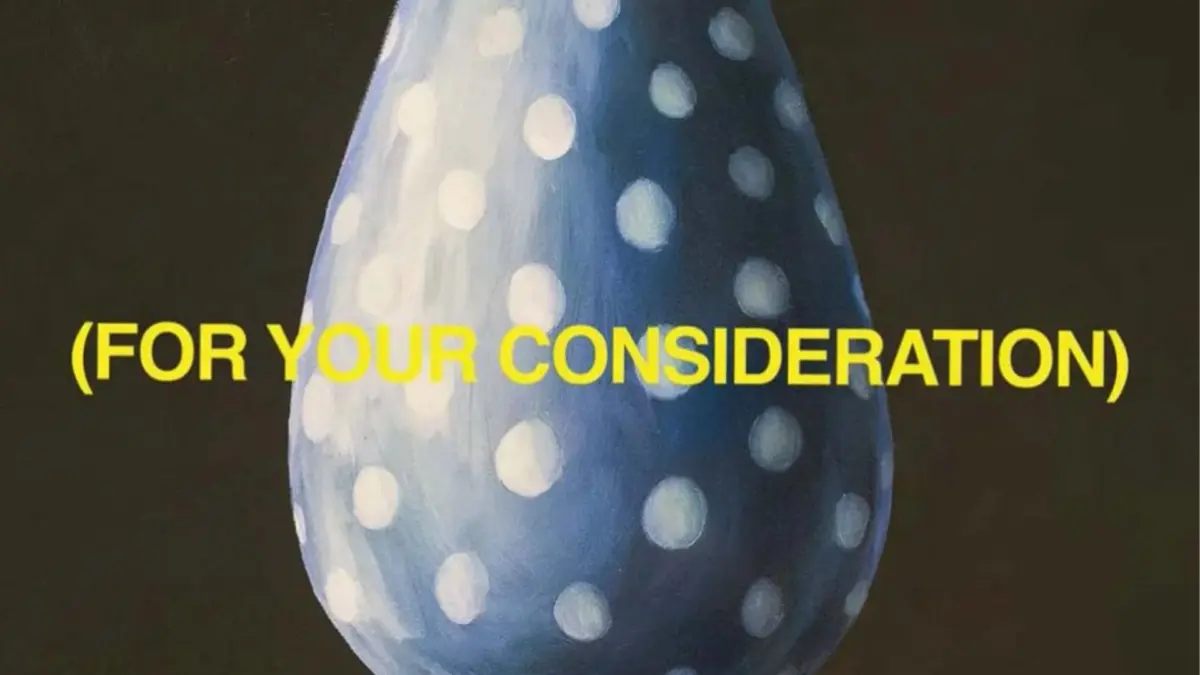
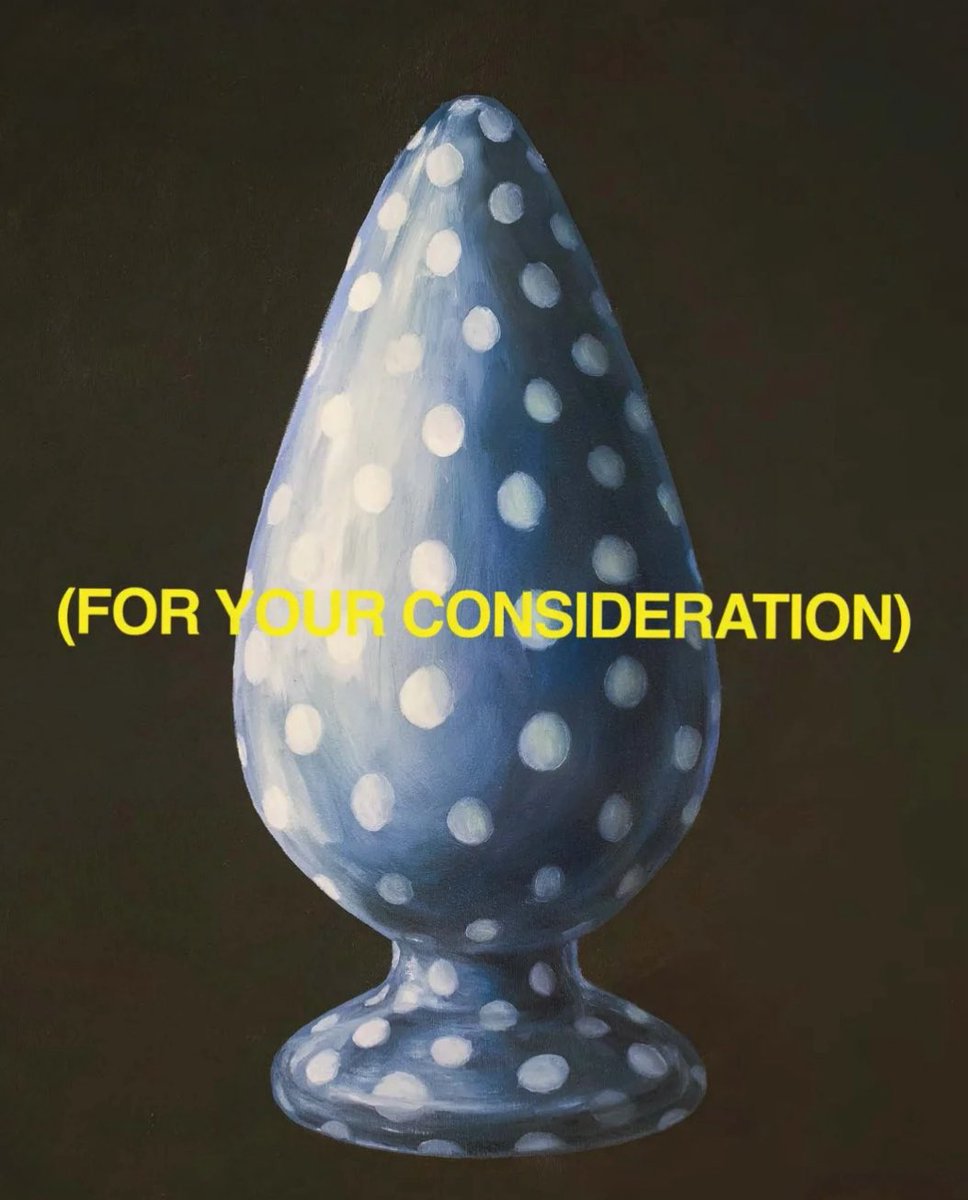
British singer Lily Allen has launched a distinctly unconventional campaign as she aims for recognition at the upcoming Grammy Awards, unveiling a For Your Consideration ad that stands out as perhaps one of the most nonchalant pitches in recent awards season history. To promote her critically acclaimed album West End Girl, the artist has introduced a poster design that seamlessly blends explicit imagery with refined aesthetic execution. By offering a disarmingly raunchy yet surprisingly classy promotional visual, Allen has once again demonstrated the potency of her offbeat branding, leaning into the bold visual identity that has characterized her current artistic chapter.
The For Your Consideration phase of the Grammy Awards is a crucial promotional window within the music industry. During this period, record labels, management teams, and individual artists launch tailored advertising campaigns aimed specifically at voting members of the Recording Academy. The goal is simple: to keep an artist’s work top of mind as voting members cast their ballots across various categories, ranging from major awards like Album of the Year and Best New Artist to genre-specific honors. Traditionally, these campaigns adhere to a highly formalized visual language. Standard FYC advertisements are typically designed to project gravity, prestige, and institutional respectability, often featuring crisp studio portraiture, minimalist typography, lists of critical accolades, or pristine reproductions of album artwork. High-profile pop stars such as Taylor Swift and Harry Styles have historically favored sleek, understated, and elevated aesthetic presentations for their own FYC trade ads, reinforcing their status within the industry through formal, polished design choices that minimize risk and maximize broad appeal.
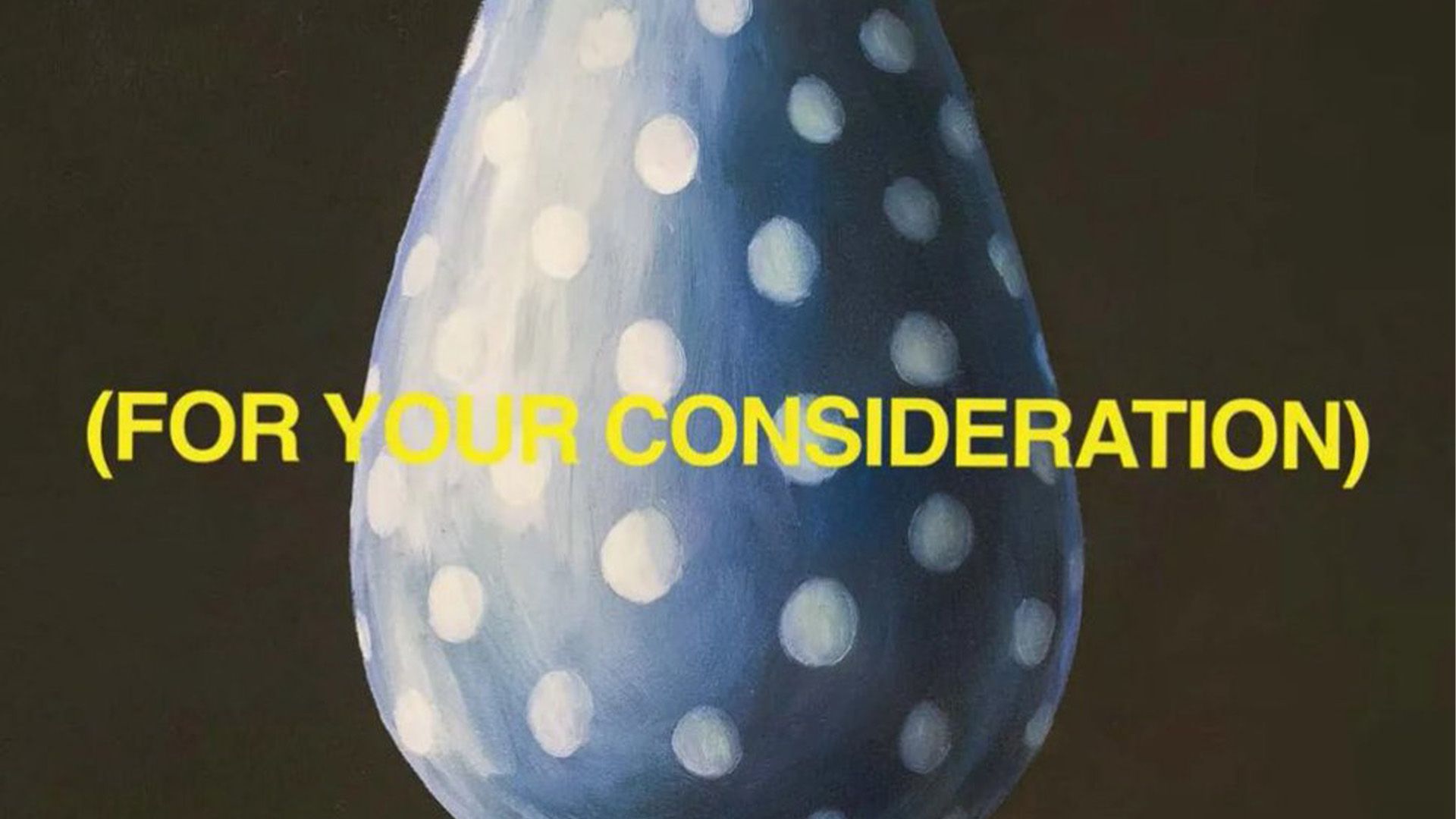
In stark contrast to these established corporate conventions, Allen’s FYC poster takes a radically casual and intentionally provocative approach. The center of the poster features an object that became the unexpected visual icon of her broader album campaign: a novelty USB flash drive styled in the shape of a butt plug, complete with a classic polka-dot pattern. The design immediately captures attention by establishing a sharp contrast between the wholesome, domestic, and vintage connotations of polka dots and the explicitly sexualized nature of the object itself. Rather than obscuring or downplaying the adult novelty item, the campaign elevates it to center stage, using it as a symbol for the entire project. The resulting graphic presentation embodies the thematic core of West End Girl with a sense of unserious playfulness that gently parodies the self-importance often associated with major music industry awards campaigns.
Allen’s West End Girl era has been widely recognized by critics and listeners alike for its uncompromising willingness to embrace emotional chaos, awkwardness, and the unfiltered complexities of modern romance and sexuality. Throughout the album cycle, Allen’s creative output has been praised for its deeply candid lyricism and immersive, intimate tour performances. Rather than polishing away the messy realities of adult relationships, the record explores the clumsiness of love and physical intimacy with raw honesty. The visually striking poster design serves as an organic extension of these musical and lyrical themes, providing a single image that encapsulates the album’s refusal to sanitize intimate human experiences for mass consumption.
From a graphic design perspective, the poster succeeds by balancing subversion with elegance. While the subject matter is inherently lewd, the visual execution is clean, disciplined, and carefully considered. The contrast between the polite aesthetic of traditional pattern design and the provocative object creates a memorable visual paradox. It communicates a distinct sense of humor without sacrificing artistic intent, effectively turning a standard industry advertisement into a piece of pop art commentary. This ability to merge high-concept cheeky branding with high-end graphic sensibilities reinforces why the album’s raw, unfiltered approach to pop music has earned Allen serious consideration during this year’s awards cycle.
The decision to deploy such a casual and overtly sexually suggestive graphic for an official Grammy submission highlights Allen’s ongoing commitment to challenging industry taboos and rules. Throughout her career, the British singer-songwriter has maintained a reputation as an artist who resists standard public relations strategies and sanitized celebrity packaging. Since her emergence in the mid-2000s, Allen has consistently used her platform to offer direct, sharp, and often sarcastic commentary on societal norms, fame, gender dynamics, and personal relationships. Her approach to the Grammy FYC campaign is a direct continuation of that legacy, treating the formal voting pitch not as an exercise in corporate conformity, but as another canvas for artistic expression and social subversion.
The campaign also highlights a broader shift in how modern pop stars approach visual branding and physical objects in an increasingly digital music landscape. In an era where music consumption occurs primarily through digital streaming platforms, physical artifacts, novel merchandise, and distinctive visual motifs have taken on renewed significance. Unique packaging and bold visual design allow artists to create tangible reference points for their work that extend beyond digital audio files. By creating a physical object—a functional USB flash drive housed within an adult novelty shape—and featuring it prominently across her marketing materials, Allen has crafted an instantly recognizable visual signature for the West End Girl era. The object bridges the gap between hardware technology, adult humor, and music distribution, offering a physical manifestation of the album’s cheeky persona.
For industry observers and Recording Academy members, Allen’s campaign offers a refreshing alternative to the often repetitive landscape of awards season marketing. While most FYC campaigns seek to persuade voters through formal lists of streaming statistics, chart positions, and glowing review excerpts, Allen’s poster relies entirely on voice, character, and visual audacity. The advertisement does not explicitly beg for validation or adopt a tone of solemn self-importance; instead, it presents the project on its own terms, inviting voters to engage with the artist’s signature humor and honesty.
Ultimately, Lily Allen’s For Your Consideration poster for West End Girl serves as a case study in effective, subversively aligned music branding. By contrasting traditional domestic visual tropes with explicit adult humor, the campaign mirrors the candid, chaotic, and playful spirit of the music it seeks to represent. Whether or not the poster ultimately translates into Grammy hardware, it reinforces Allen’s status as one of pop music’s most unapologetic and creative provocateurs, proving once again that she is entirely unafraid to dismantle industry conventions in pursuit of genuine artistic authenticity.