Beirut is a city that has repeatedly tested the limits of endurance, yet its capital remains anchored by a design and architectural community that views history not as something to be erased, but as an enduring source of creative inspiration. While the city’s timeline is frequently punctuated by profound crises, its built environment tells a story of survival, adaptation, and an unwavering refusal to yield to destruction.
The Lebanese capital was certainly not built in a day, but it has repeatedly come close to being undone in a single moment. A visit to the city just before the October protests in 2019 offered a glimpse into a vibrant metropolis on the precipice of a cascading series of economic and political upheavals. Less than a year later, the catastrophic port blast of August 2020 delivered unprecedented devastation, leaving an open, bleeding wound across the urban fabric and permanently searing itself into the collective memory of its residents. Today, as a volatile war continues to rage along its southern border, the shadow of conflict remains a constant presence. It is nearly impossible to write about contemporary Lebanon without encountering the heavy hand of politics and conflict. Yet what remains endlessly fascinating about Beirut is that it refuses to hide its scars. Instead, they are neatly folded into daily life and woven directly into the city’s dynamic design scene.
Despite the persistent geopolitical turbulence, the city’s professional sectors continue to demonstrate remarkable resolve. Beirut recently played host to the third edition of Interiors Lebanon alongside the 27th edition of Project Lebanon, a major regional fair dedicated to the construction and development sector. While such exhibitions offer a vital moment for the community to come together, share ideas, and chart a path forward, the true resilience of the city’s architecture and design community is fundamentally baked into its physical, built works.
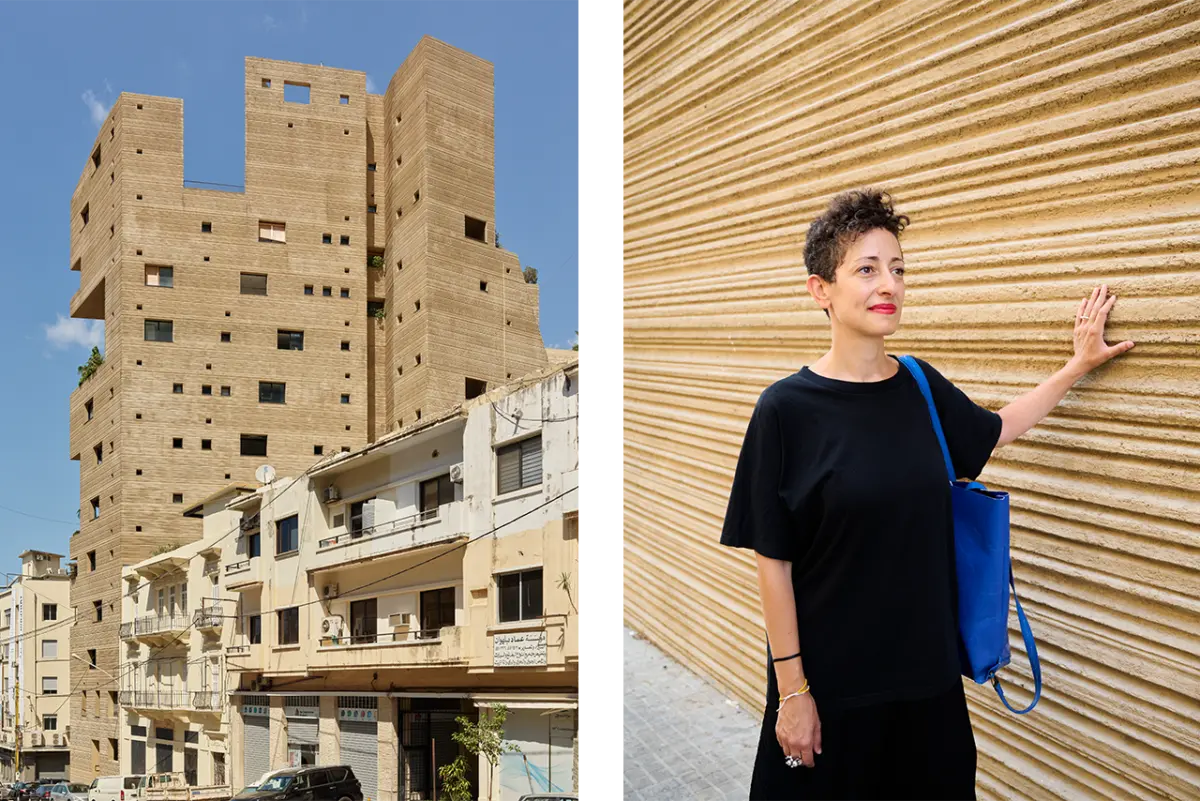
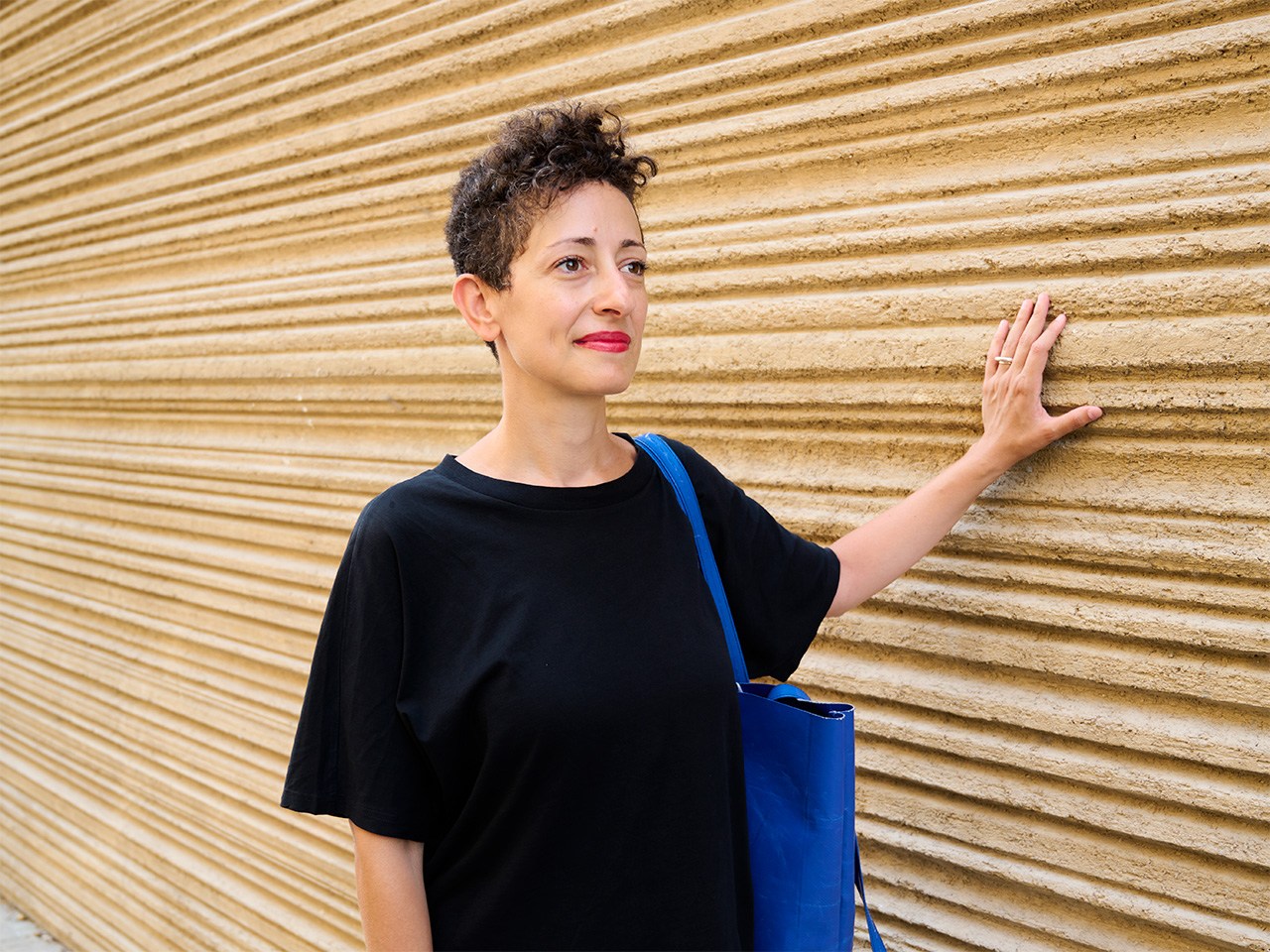
This ethos of incorporating historical memory into modern engineering is perhaps best exemplified by Lina Ghotmeh’s Stone Garden. Standing as a striking 13-storey residential and cultural tower in the heart of Beirut, the building features deep, irregular openings that deliberately echo the bullet-pocked facades of the city’s turbulent past. These intentional architectural choices serve a dual purpose: they act as planted balconies that invite nature back into the urban sphere, giving the imposing structure a vivid sense of life rising directly out of collective memory.
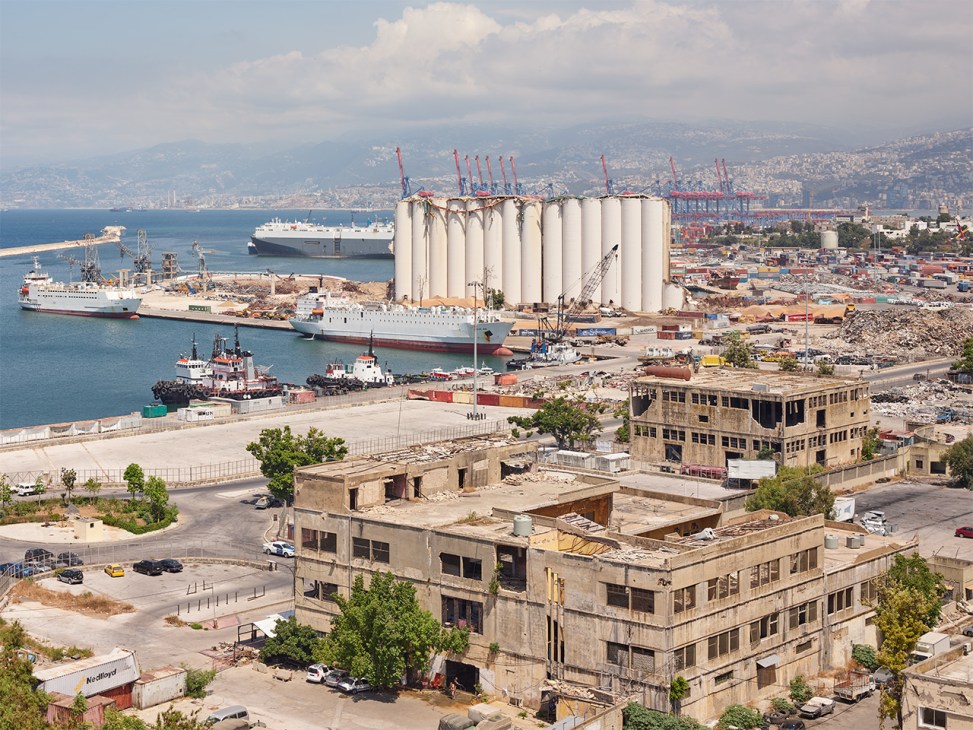
A similar narrative is carved into the facade of the Beit Beirut museum. Rather than erasing the violent history etched into its walls, the building’s exterior still bears the visible bullet holes and shell damage incurred during the Lebanese Civil War. By choosing preservation over a pristine renovation, the city honors its past and keeps memory alive for future generations. Not far away stand the monumental grain silos at the port, which were brutally gutted by the catastrophic explosion in 2020. While their ultimate fate remains uncertain amid ongoing municipal debates, local citizens have expressed a fierce determination that these haunting structures endure as permanent landmarks to carry the memory of the tragedy forward.
Movement and migration have likewise shaped this historic harbour city from its very origins as a bustling center of regional trade, down through the repeated waves of upheaval that followed moments of destruction. For those members of the population who were fortunate enough to escape the cycle of violence, leaving the country was never about turning their backs on their homeland. Instead, they sought safe harbours and established new lives abroad precisely so they could generate resources to support the family members, friends, and colleagues who stayed behind. This dynamic has fostered a vast and influential global diaspora who carry an unwavering love for the cedar flag and a backpack full of hope for their country’s eventual recovery. The eventual return of many members of this diaspora, alongside the ideas and capital they bring with them, has helped transform Beirut into a vibrant melting pot of cultures, histories, and visionary concepts, leaving a lasting international imprint on its architectural landscape.
Returning to the city during the summer alongside a Lebanese partner reveals a place that is far from frozen by grief or paralyzed by its past. Instead, the streets remain very much alive with the distinct rhythm that first captivated visitors years prior. Historic commercial establishments, local shops, neighborhood restaurants, and grand hospitality landmarks such as the iconic Albergo hotel have successfully weathered the storm, undergoing meticulous restoration to reclaim their former glory. Surrounding these restored pillars, entirely new creative ventures have sprung up across the urban landscape, buzzing with an inventive energy and a steadfast refusal to stand still.
The perseverance of the city’s recent design and construction fairs serves as a powerful reminder that in a globalized world plagued by fractured places and persistent conflicts, physical scars do not have to represent final endings. Rather, they can serve as foundational building blocks for urban and cultural renewal, standing as tangible proof that a brighter future can emerge even from the depths of devastation. For the architects, designers, and residents of Beirut, these architectural triumphs provide a compelling and enduring reason to keep looking ahead.