Researchers have introduced a groundbreaking artificial intelligence technology capable of reading a person’s brain waves and interpreting those neural signals to reconstruct visual images. Known as the Brain Interaction Transformer, or Brain-IT, the system marks a significant leap forward in the burgeoning field of mind-reading technology, offering far greater accuracy than its predecessors even when operating with minimal training data.
Developed by an academic team led by Roman Beliy of the Weizmann Institute of Science, Brain-IT builds upon foundational research dating back to 2013, which established that various aspects of object cognition occur in interconnected yet distinct regions of the human brain. The technology operates by scanning the three-dimensional pixels, or voxels, of the brain using functional magnetic resonance imaging (fMRI). The computer then interprets this complex neural data to predict and render the image the subject is perceiving.
While this scientific pursuit has been explored for some time, researchers have historically faced steep hurdles. Unlike human minds, which can generalize from limited experiences, artificial intelligence models require vast amounts of data to learn effectively. Furthermore, human brains process visual information through both factual characteristics, such as color and shape, and semantic context. According to the researchers, the semantic information acts as a cognitive key that the AI uses to lock onto the correct conceptual framework in the brain, after which the rough layout of the image is translated using a specialized diffusion process.
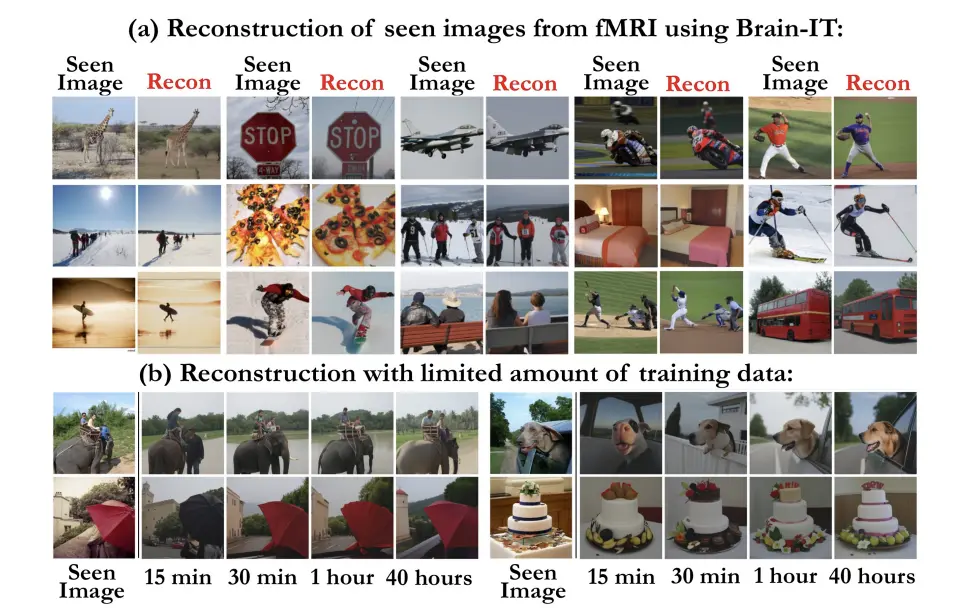
Brain-IT is not the first system of its kind. Other experimental frameworks such as MindTurner, MindEye2, and NeuroVLA have previously offered alternative approaches to brain decoding, but none have achieved the same level of precision. This accuracy advantage is particularly pronounced when systems are subjected to constrained training periods. While standard models typically require around 40 hours of training to achieve reliable results, Brain-IT demonstrated exceptional capability after just one hour of training.
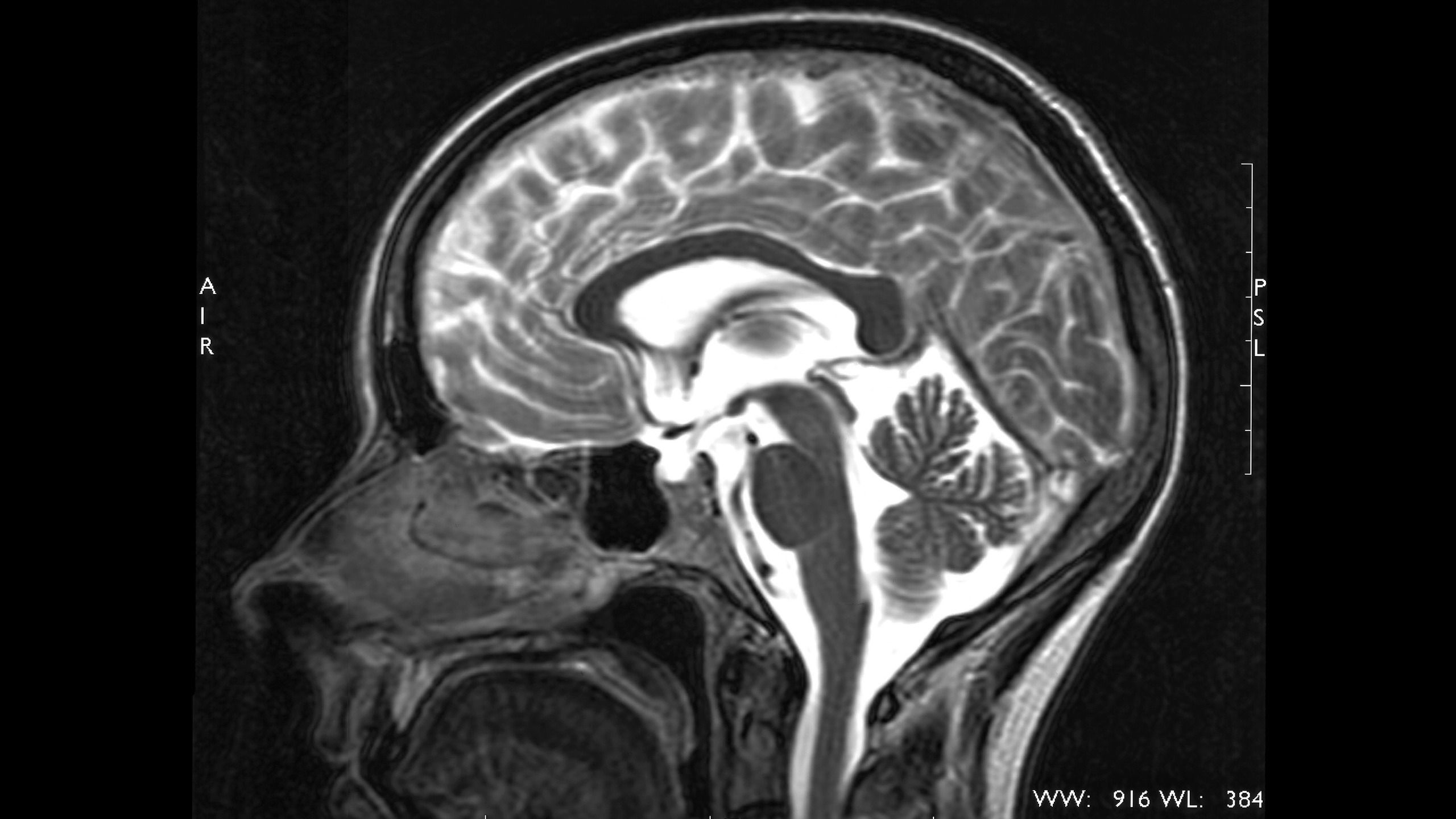
The testing for this research was conducted using the Natural Scenes Dataset, one of the few comprehensive databases available for this type of cognitive study. The dataset comprises roughly 73,000 pairs of data points, consisting of real photographic images alongside fMRI scans captured while subjects were viewing those specific images. However, the dataset’s complexity presented analytical challenges; only about 1,000 images were shown to all eight test subjects, while roughly 9,000 images per subject could not be universally compared.
Through this data, the AI was trained to perform a dual function: it learned to predict what an fMRI scan would look like given a specific photographic image, and conversely, it learned to interpret an fMRI brain scan to deduce what the subject was seeing. Although the final reconstructed images are not yet perfect, they bear a much closer resemblance to the original visual stimuli than those produced by previous iterations, successfully incorporating finer details and contextual elements.
From a technical and photographic perspective, the implications are profound. The research demonstrates that it is entirely plausible to extract and render a visual representation directly from human neural activity. While such an image would not be captured through traditional optical paths like a camera lens, the technology opens the door to the possibility that a version of a person’s memory could be scanned directly from the brain and printed out.
Such capabilities naturally prompt fundamental questions about the future of traditional photography. If a machine can accurately render what a person remembers seeing, the necessity of carrying a physical camera begins to diminish. While an optical camera might retain a higher degree of objective accuracy, individuals may ultimately prefer the subjective authenticity of their own scanned memories.
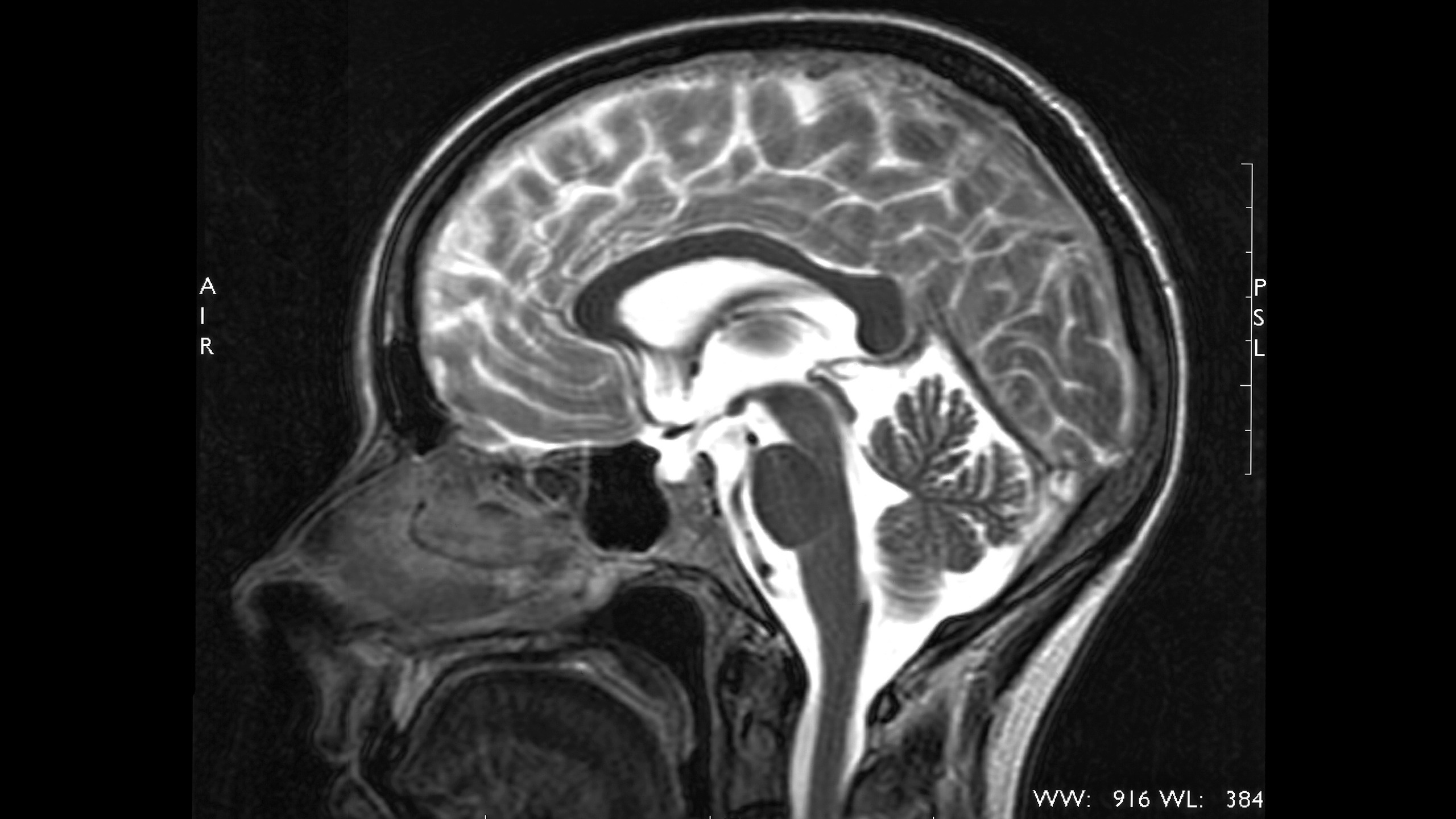
Beyond photography, the technology’s ability to peer through the skull and interpret internal visual thoughts introduces significant ethical and privacy considerations. Researchers note that the system could theoretically be utilized while a person is asleep to capture and visualize dreams. This prospect raises complex questions regarding mental privacy, with experts pointing out that individuals dealing with conditions such as obsessive-compulsive disorder might find the prospect of their internal visual thoughts being extracted and shared deeply unsettling.
Despite these ethical challenges, the technology represents a major scientific frontier with broad implications that extend far beyond medical applications, such as helping individuals with specific forms of blindness regain partial sight.
The underlying study was published earlier this year, but research and development continue to advance. During the initial phases of data collection, only a couple of seconds of neural data were gathered for each sample. Addressing the technical hurdles ahead, scientist Michal Irani noted that decoding continuous video remains a formidable challenge due to the rapid and constant shifting of visual data. Nevertheless, the research team suggests that recording and visualizing dreams remains a distinct possibility for the future of brain-computer interfaces.