Inverting the conventional narrative of civilizational collapse, this story begins at the finish line: the morning after the end of the world. While the broader population remains trapped on an overheated, unstable surface contending with ecological devastation and failing power grids, a minute fraction of society is welcomed through blast-reinforced doors by an armed security detail. Their destination is the Survival Condo Project, a decommissioned Cold War-era missile silo set deep into the Kansas prairie that has been thoroughly converted into a vertical subterranean complex of luxury condominiums.
This scene marks a profound departure from the historic archetype of the solitary survivalist. For decades, popular culture envisioned the prepper as a fringe hermit hoarding canned goods and ammunition in a hand-dug basement redoubt, or an ascetic prophet preaching doom from the margins of society. Over the past decade, however, survivalism has climbed the socioeconomic ladder, embedding itself firmly within the upper echelons of Silicon Valley, Wall Street hedge funds, and multinational executive suites. What once registered as an eccentric hobby has hardened into an architectural movement, a financial asset class, and an increasingly institutionalized framework for contemplating the future of human society.
The apocalypse itself has never been a static concept. Throughout modern history, it has functioned fluidly as religious prophecy, literary genre, cinematic spectacle, and, increasingly, a private investment thesis. Rather than remaining an abstract philosophical anxiety, apocalyptic thinking evolves in direct tandem with real-world sociopolitical vulnerabilities, expanding whenever industrial disruptions, geopolitical instability, or climate disasters reach a fever pitch. In the contemporary era, this psychological reality has translated directly into concrete and steel, catalyzing millions of dollars in private capital for engineered architectures explicitly designed to insulate a select few from widespread civilizational collapse.
The momentum behind this luxury bunker boom cannot simply be chalked up to fringe paranoia. In their analysis "The Rise of End Times Fascism," authors Naomi Klein and Astra Taylor identify three convergent crises driving the modern rush toward fortified shelters. The first is the undeniable trajectory of climate breakdown. While public denialism remains a persistent fixture of political discourse, the global elite—many of whom maintain expansive waterfront portfolios—are acutely conscious of rising sea levels, worsening wildfires, and regional environmental decay. Their architectural planning reflects a pragmatic recognition of climatic volatility.
The second accelerant identified by Klein and Taylor is the collective trauma of the Covid-19 pandemic. The rapid global spread of the virus demonstrated the fragility of supply chains, the vulnerability of urban population density, and the speed with which international commerce could grind to an unprecedented halt, validating decades of epidemiological warning signs. The third driver centers on the rapid, largely ungoverned expansion of artificial intelligence and automated systems, whose trajectory threatens to destabilize human labor, social coherence, and planetary power structures before comprehensive safeguards can be enacted.
These systemic anxieties resonate far beyond the ultra-wealthy. Millions of people around the world experience the ambient pressure of impending collapse from their living rooms, consuming fictionalized narratives of subterranean survival through popular entertainment such as Apple TV+’s hit series Silo. Yet for the vast majority of people, escaping into an underground fallout shelter remains a financial impossibility. The critical distinction lies in how different strata of society respond to this pervasive existential dread: while ordinary citizens must navigate systemic precarity in place, the ultra-rich have mobilized their fortunes to construct tangible, privatized alternatives to shared reality.
The cultural and philosophical underpinnings of this phenomenon are explored at length in Mark O’Connell’s 2020 book Notes from an Apocalypse. Investigating the proliferation of survival shelters across South Dakota, high-end retreats in New Zealand, and planetary colonization projects aimed at Mars, O’Connell sought to understand why doomsday prepping found such a receptive home in Silicon Valley—an ecosystem historically defined by techno-utopian optimism and the unyielding belief that its innovations would improve humanity.
O’Connell observes that billionaires in digital media and technology harbor a distinct, almost obsessive fixation with the apocalypse and the engineering projects required to outlive it. This impulse stems partly from the reality that vast, unprecedented wealth fosters dreams of personal preservation and autonomy, but it also reflects a quiet, insider comprehension of the disruptive power unleashed by their own platforms and algorithms. Technology fosters an imaginative landscape where radical utopias and catastrophic dystopias coexist simultaneously. Having built systems that destabilize social bonds, democratic consensus, and economic security, many architects of the digital age seem to harbor few illusions about the durability of the world they have shaped.
These architectural survival schemes, while often framed as prudent risk mitigation, carry severe ethical and social implications. At their foundation, privatized arks rely on the unstated premise that only those with sufficient capital possess the right to be insulated from systemic catastrophe. Moreover, they foster an architecture of detachment that diverts focus away from addressing the systemic root causes of planetary crises.
This dynamic was captured by author and media theorist Douglas Rushkoff in his 2022 book Survival of the Richest. Rushkoff was invited to an exclusive resort to speak before an audience of ultra-wealthy investors. Instead of inquiring about digital strategy or economic futures, the attendees pressed him on a singular tactical dilemma: how to maintain the loyalty of their private security forces after "the Event"—their shorthand for total societal collapse—once fiat currency ceased to hold value. Rushkoff characterizes this elite prepper mindset as an antisocial fantasy wherein powerful figures prefer to engineer, optimize, and seal themselves inside hyper-luxurious bunkers rather than invest their vast resources in preserving the collective habitability of the planet.
This is not to claim that every member of the global elite operates with overt malice. Many ultra-wealthy survivalists actively donate substantial sums to charitable organizations, medical research, and environmental initiatives. Yet, as reporting reveals, this philanthropy often coexists with a parallel hedge: an architectural escape hatch constructed in secret, underscoring an unresolved tension between public civic engagement and privatized self-preservation.

The physical execution of these shelters is striking. The Kansas Survival Condo Project documented by journalist Evan Osnos in his New Yorker article "Doomsday Prep for the Super-Rich" provides a window into this engineering trend. Originally built between 1961 and 1965 by the U.S. Army Corps of Engineers to house an Atlas nuclear warhead, the subterranean structure was designed to endure a direct nuclear strike. After being decommissioned, the monolithic concrete silo sat dormant until developer Larry Hall acquired and retrofitted it into a 15-story, vertically organized subterranean condominium community capable of sheltering residents off-grid for five years.
The site is designed for long-term circular operations, integrating aquaculture tanks stocked with tilapia, hydroponic agricultural beds operating beneath specialized grow lights, and power systems tied into renewable microgrids. Yet, as Hall observed, the engineering of physical survival was secondary to the architectural challenge of psychological preservation: preventing severe cabin fever and depressive isolation hundreds of feet underground.
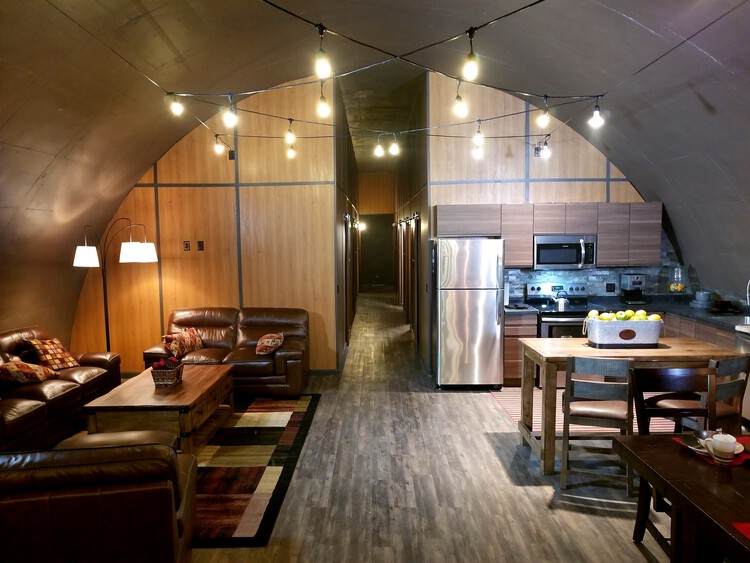
To counteract the psychological weight of subterranean life, the developers designed units resembling upscale ski chalets, outfitted with high-end appliances and leather furnishings, while replacing conventional windows with high-definition LED screens that broadcast real-time video feeds from surface cameras capturing the grassland prairie above. Buyers are offered customized digital vistas; Osnos recounted that one prospective resident from New York requested a continuous feed of Central Park, complete with ambient recordings of passing traffic, horns, and city life to preserve an illusion of domestic normalcy.
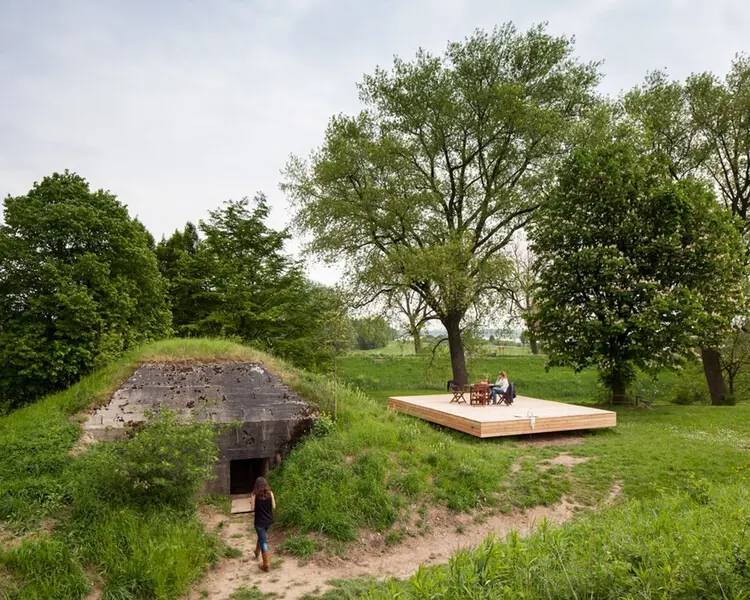
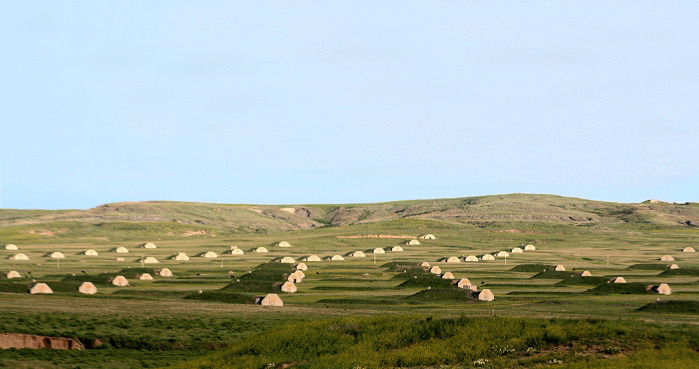
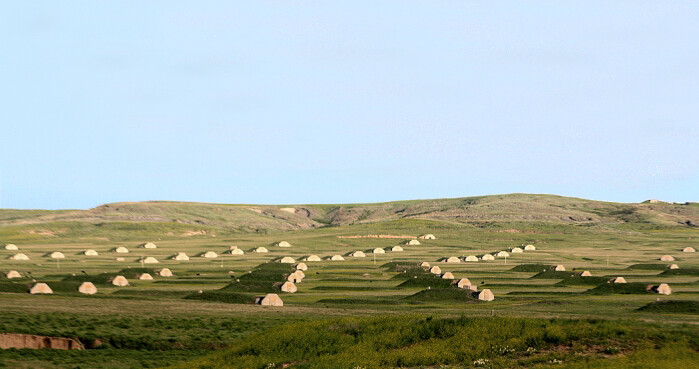
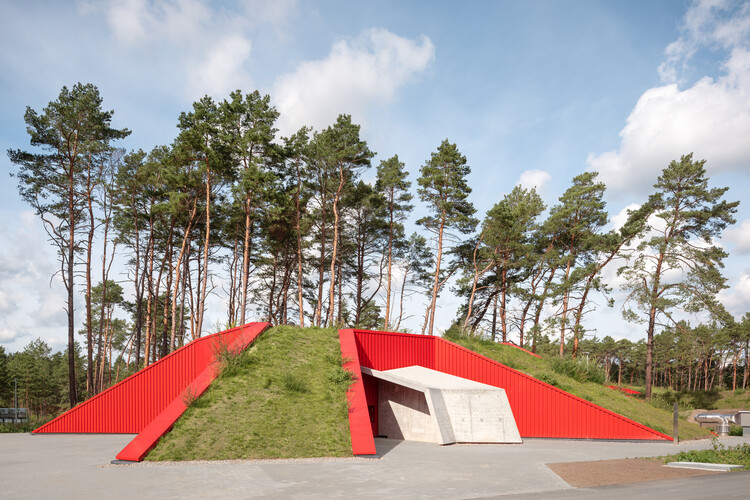
On an even larger scale sits Vivos xPoint, located in Fall River County, South Dakota. Operated by the emergency shelter firm Vivos, the complex is built on the grounds of a former military munitions storage depot constructed by the U.S. Army during the Second World War. The facility contains 575 private, earth-bermed, reinforced-concrete bunkers spread across a vast plateau. Each standard bunker encompasses roughly 205 square meters (approximately 2,200 square feet) of secure interior space. When fully occupied, the complex is designed to shelter over 5,000 individuals, leading its creators to describe it as the largest planned survival community on Earth.
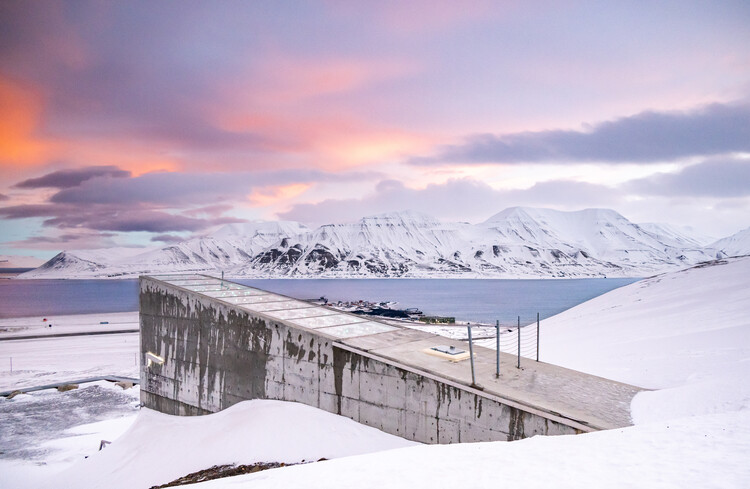
For those seeking to avoid underground confines altogether, geographic isolation has become the preferred defensive strategy. Remote landmasses such as New Zealand and the Hawaiian Islands have emerged as premier redoubts for global tech magnates. New Zealanders traditionally spoke of the "tyranny of distance" to describe their country’s remoteness from global commercial centers; today, that isolation has been transformed into a prime geopolitical luxury. High-profile figures, including PayPal co-founder Peter Thiel, secured residency and property within the country, accelerating an influx of high-net-worth foreign applications seeking an isolated sanctuary insulated from geopolitical shocks.
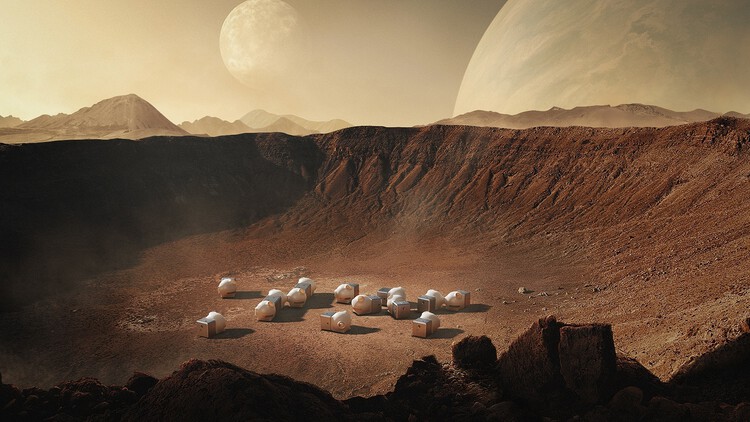
The logical conclusion of this escapist impulse stretches entirely beyond the bounds of Earth itself. Figures like Elon Musk frame space exploration and the proposed colonization of Mars as the ultimate hedge against human extinction. By portraying Mars as a modern "secular ark," these endeavors implicitly endorse a dangerous assumption: that Earth’s biosphere is fundamentally expendable, and that planetary abandonment is a viable technological substitute for ecological stewardship.
From an architectural history perspective, this phenomenon illustrates the persistent adaptation of military design for civilian refuge. In her 2007 work Domesticity at War, architectural theorist Beatriz Colomina observed that war does not conclude; it merely evolves, and domestic architecture evolves alongside it. Analyzing the American post-war landscape, Colomina examined how military systems, materials, and threat perceptions were gradually incorporated into suburban domestic life to normalize the constant peril of the Cold War. The modern adaptation of decommissioned missile silos and ammunition depots represents the latest chapter in this continuum: the total domestication of warfare infrastructure as an accepted response to systemic risk.
Viewed broadly, the bunker is not merely an isolated retreat for the super-rich; it reflects an emergent geopolitical paradigm. Authors Klein and Taylor warn of the rising "bunker nation"—a political framework wherein affluent states aggressively fortify their borders, restrict migration, and extract remaining global resources to insulate domestic populations from international collapse.
Confronted with an ethos dominated by individualism, fortification, and class insulation, the prospect of organizing a collective, equitable response to ecological and technological instability can seem daunting. Yet alternative frameworks exist. The Indigenous thinker and activist Ailton Krenak, in his influential text Ideas to Postpone the End of the World, argues against both fatalistic resignation and privatized escape. Krenak points to Indigenous civilizations across the Americas that have resisted, adapted, and sustained communal life through more than five centuries of violent disruption and civilizational collapse.
For Krenak, the survival of humanity depends not on building increasingly fortified retreats, but on actively postponing the end of the world through collective repair. This approach requires fundamentally restructuring human relationships with the biosphere, dismantling the imperative of infinite material growth, and acknowledging that human well-being is inherently reciprocal and shared. Subterranean condos, survivalist compounds, and speculative space arks are products of the very extractive logic that engineered the contemporary crisis. True resilience requires shifting energy from designing spaces to escape the future to collectively rebuilding the world we inhabit.