In a theatrical showcase livestreamed from SpaceXAI’s testing facility in Texas, Tesla presented a prototype of its long-promised, rocket-boosted Roadster, attempting to demonstrate that the boundaries between electric land vehicles and aviation can be blurred. Stage-managed with an atmosphere reminiscent of a high-production illusionist show, the event featured a concept model of the luxury electric sports car carrying out dynamic maneuvers without a human driver behind the wheel. The demonstration sought to prove that after years of speculation, technical delays, and social media teasers, the vehicle’s long-discussed airborne ambitions may finally be taking physical form, even as its market release recedes further into the future.
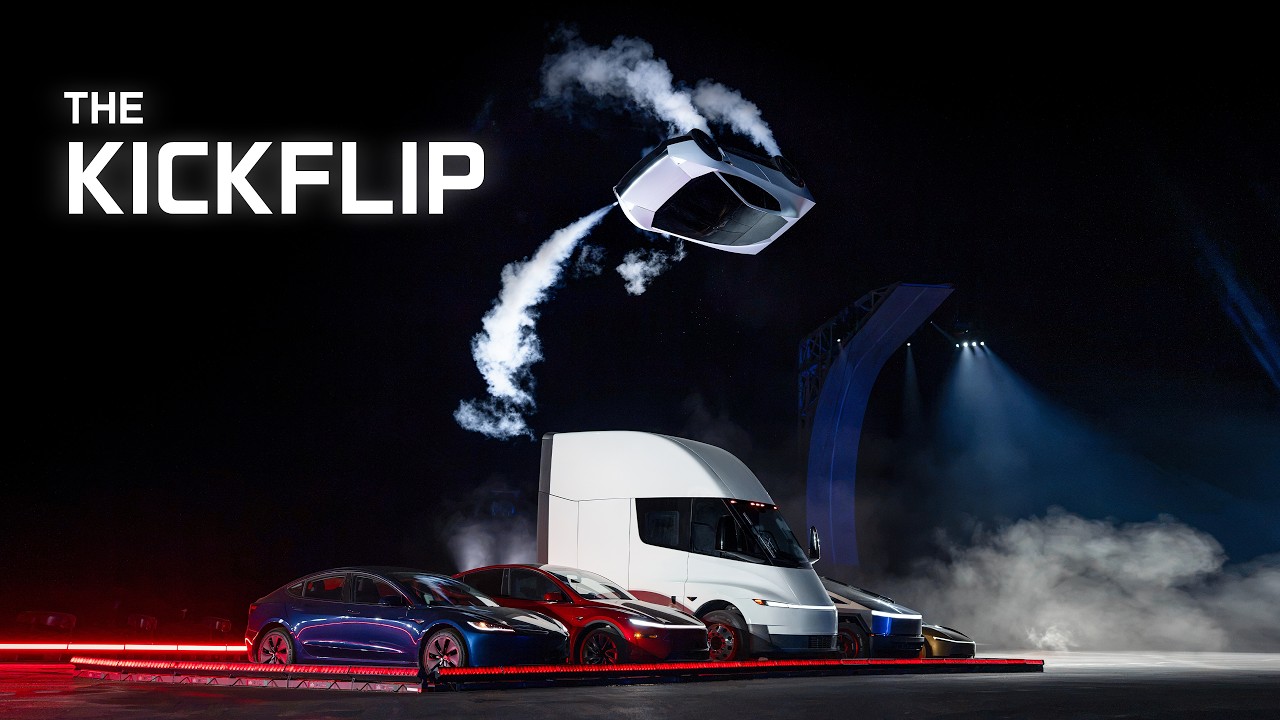
During the pre-programmed demonstration sequence, the unmanned two-seater vehicle drove up a dedicated ramp structure, executed a kickflip motion off a half-pipe installation, and glided back down to the ground. In a subsequent sequence, the concept car demonstrated a stationary vertical liftoff, performing a controlled "hop" over a row of parked automobiles before settling back onto the pavement. The vehicle’s ability to adhere securely to the steep steel ramp during portions of the presentation was facilitated by an integrated fan suction system designed to pull the chassis toward the driving surface.
Following the aerial display, Tesla Chief Executive Officer Elon Musk declared to the watching audience that flying cars had officially arrived, exclaiming, "Flying cars are real." The statement highlighted the dramatic nature of the presentation, though it immediately raised questions among industry analysts regarding the practical applications, regulatory viability, and actual flight duration of the technology being displayed.
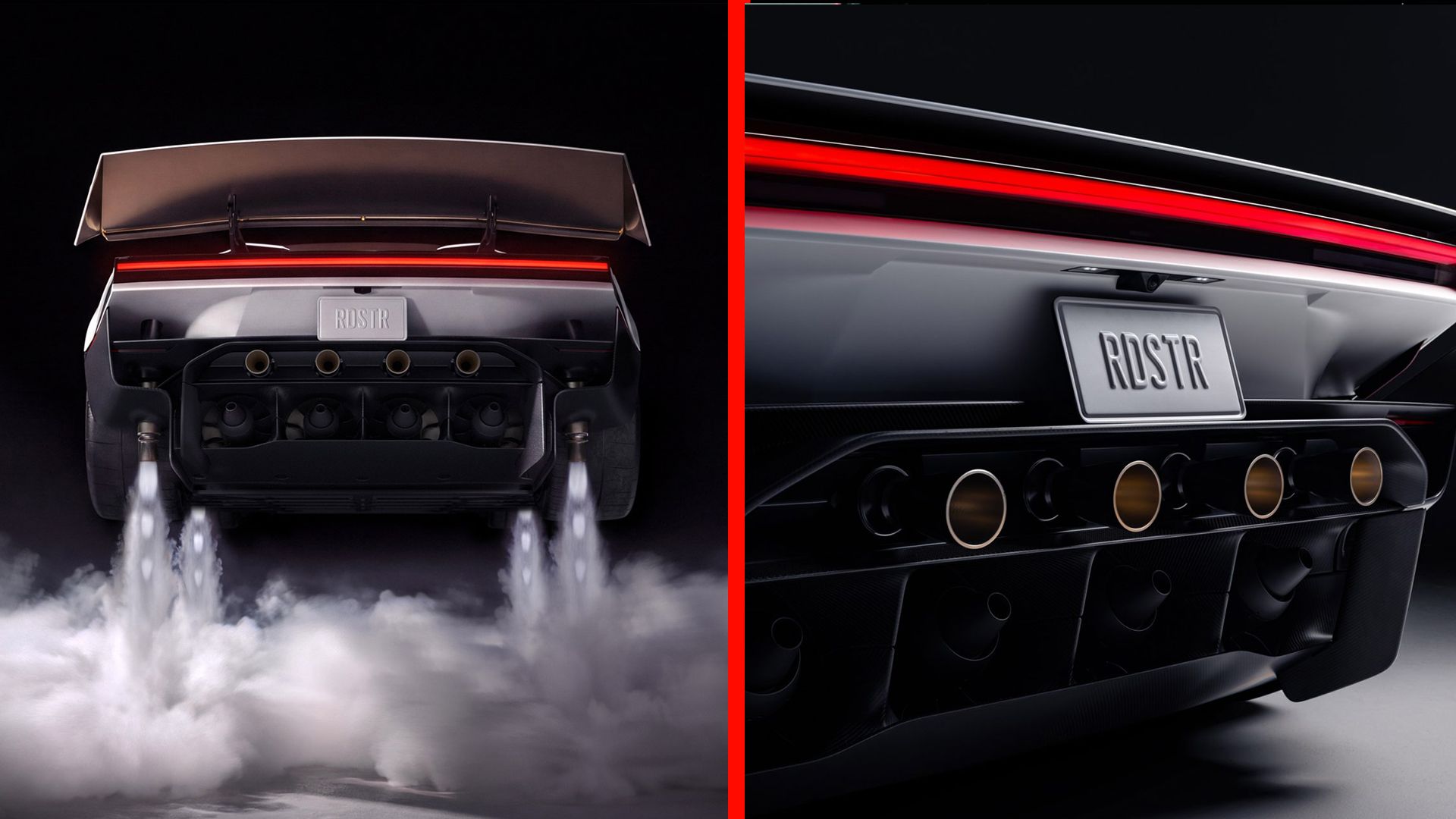
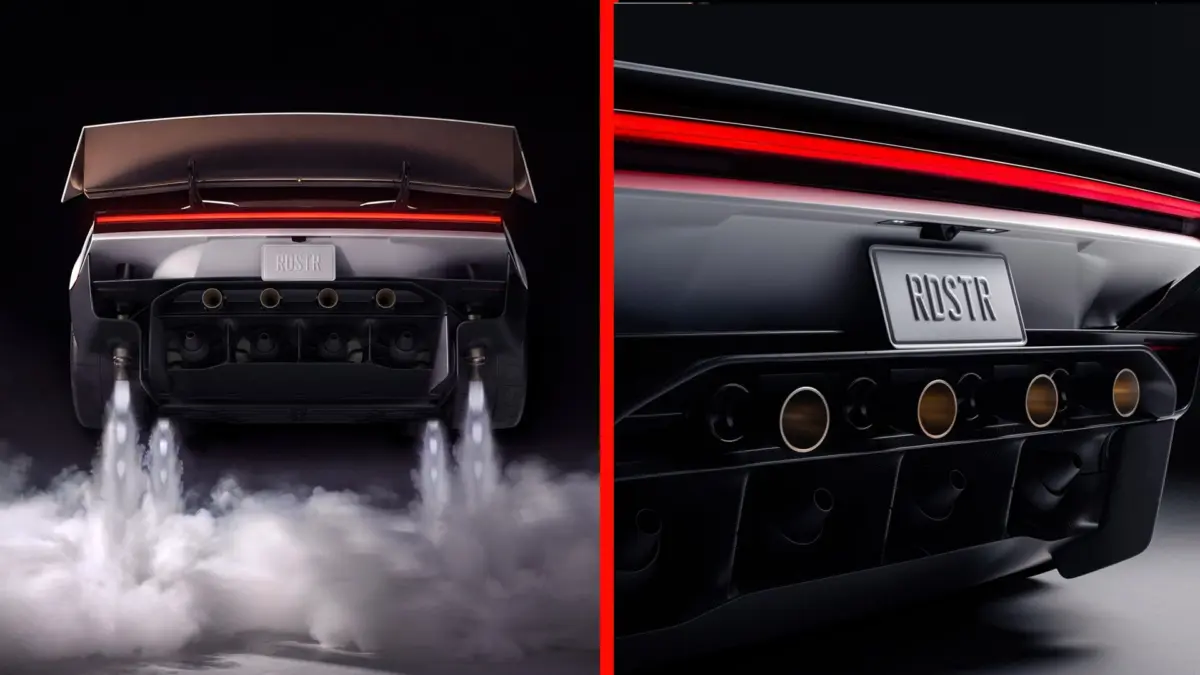
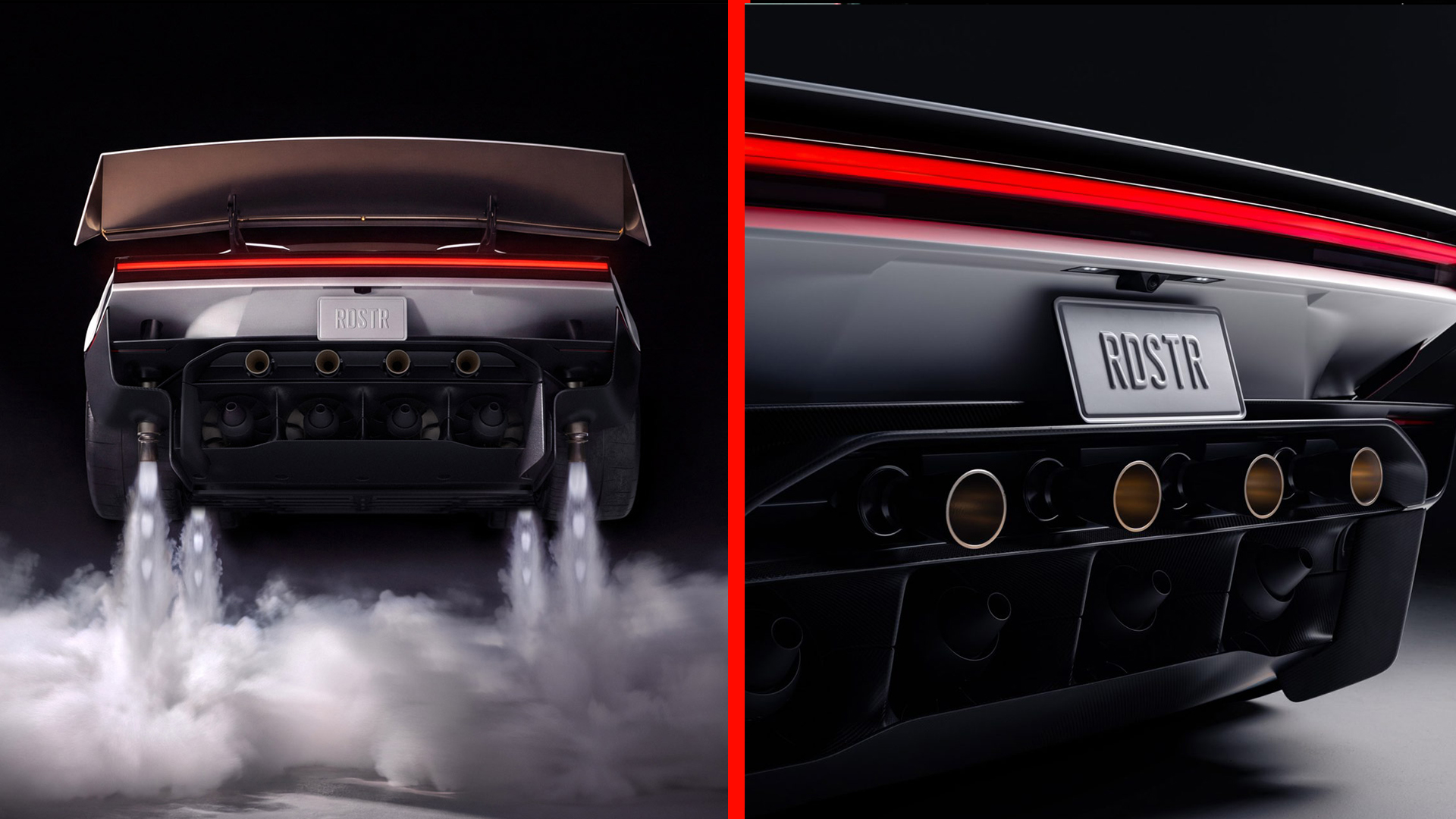
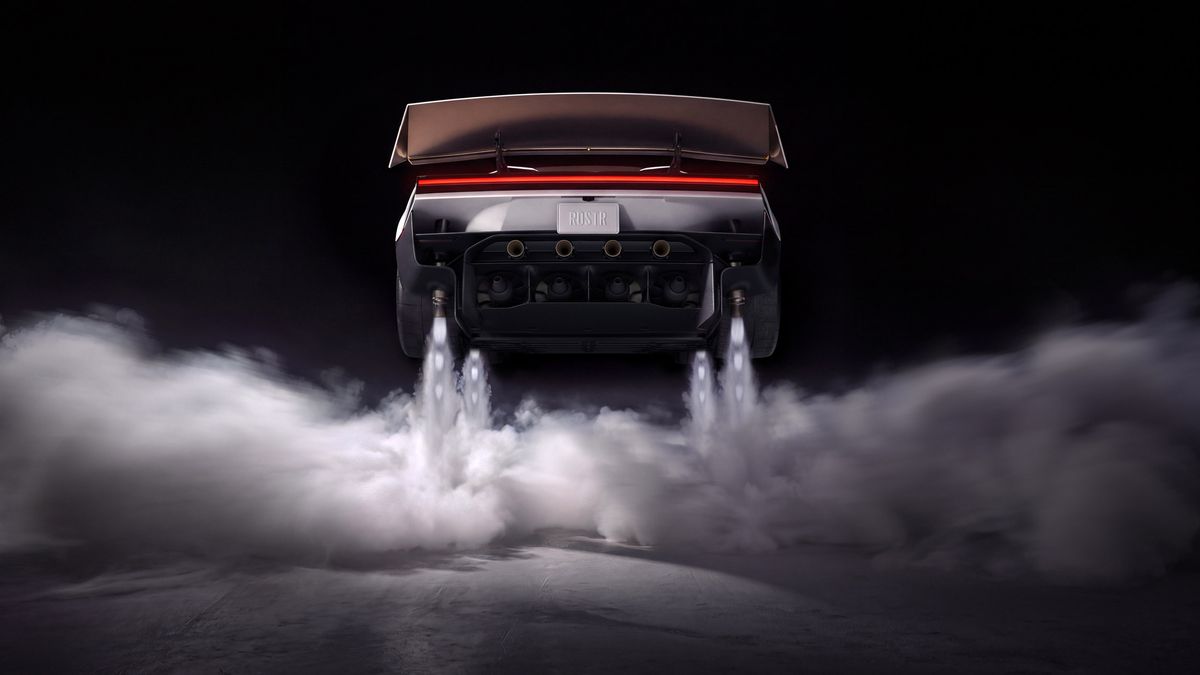
The technical foundation supporting the concept car’s temporary weightlessness relies on specialized pneumatic propulsion systems rather than traditional wings or continuous vertical flight rotors. To achieve vertical lift, momentary hovering, and cushioned landings, the prototype is equipped with a network of onboard, ultra high-pressure air tanks that can be recharged by the vehicle’s internal systems. These tanks store compressed air that is discharged through precise valves and thruster nozzles to generate immediate thrust.
When configured to release air in a rearward direction, the propulsion system significantly boosts the vehicle’s forward speed. According to performance figures cited by Tesla during the event, firing the thrusters behind the vehicle allows the concept Roadster to accelerate from zero to 60 miles per hour in 0.81 seconds. This extreme acceleration figure relies on combining the instant torque of electric motors with the sudden mechanical force of high-pressure air discharge.
Despite the visual spectacle of the Texas presentation, automotive and aerospace experts point to significant physical and engineering limitations inherent in using compressed air for vehicle flight. To contain and direct air at the extreme pressures required to lift a road vehicle, the car must carry heavy storage tanks, robust containment valves, and specialized structural piping. Because pneumatic thrust consumes high volumes of compressed air very quickly, the car’s ability to maintain airborne propulsion is restricted to brief bursts lasting only a few seconds before the tanks are completely depleted and require a full recharging cycle.
This inherent operational limitation has drawn scrutiny regarding whether the feature represents a functional transport innovation or an elaborate engineering gimmick. While the short bursts of thrust can produce impressive acrobatic jumps and rapid bursts of speed on a controlled testing track, they do not provide sustained aerodynamic flight or an efficient alternative to traditional road driving. Furthermore, the added weight of the propulsion apparatus presents an ongoing challenge for normal driving efficiency and range when the vehicle is operating on standard roads.
The aesthetic direction of the vehicle reflects an explicit attempt to blend automotive engineering with modern spaceflight design principles. Tesla Chief Designer Franz von Holzhausen explained that the Roadster’s sharp, angular bodylines and upward-opening scissor doors were directly influenced by an aerospace aesthetic. Addressing the unique background of the project, Musk described the concept vehicle as the direct result of what happens when a design team brings together the capabilities of a dedicated automotive manufacturer and an advanced aerospace enterprise.
Musk acknowledged the technical hurdles surrounding the ambitious project, tempering his enthusiasm by stating that while success is not guaranteed, the system will probably work. The candid admission echoes past instances where the executive made extraordinary engineering claims about upcoming products. In late 2022, Musk publicly claimed on social media that the Tesla Cybertruck would feature sufficient waterproofing to function briefly as a boat, enabling it to cross bodies of water such as rivers, lakes, and calm seas. Subsequent real-world testing by third parties and consumer experiences demonstrated the practical limits of those claims, contributing to a degree of caution among observers evaluating the new Roadster’s flight capabilities.
The development timeline of the second-generation Tesla Roadster has been marked by repeated schedule adjustments since its official unveiling nearly a decade ago. The vehicle was first shown as a future production model in late 2017, generating intense interest within the electric vehicle market. In 2018, Musk expanded on the vehicle’s prospective capabilities via posts on Twitter, revealing plans for an optional "SpaceX package" that would incorporate 10 small rocket thrusters arranged around the car. At the time, he stated these thrusters would dramatically improve acceleration, top speed, braking efficiency, and cornering stability, while musing that the system might ultimately allow a Tesla to fly.
When the Roadster was initially revealed, customer deliveries were targeted to begin in 2020. However, production schedules were repeatedly deferred as Tesla prioritized high-volume passenger vehicles and manufacturing expansions. Following the latest Texas demonstration, the company revised its formal timeline once again, now placing expected deliveries in 2028—eight years after the original target date and more than a decade after its initial public presentation.
Despite the distant production timeline, Tesla continues to take pre-orders for several variants of the Roadster through its official website, outlining a tiered reservation structure based on performance capabilities. Reserving a standard baseline version of the vehicle, which does not include the pneumatic rocket thrusters, requires a customer deposit of £50,000 in the United Kingdom. For buyers seeking the enhanced acceleration offered by rearward-firing pneumatic boosters, the "Thrust" edition requires a deposit of $250,000 in the United States.
A third, highly specialized single-seater option designated as the "Rocket" variant is listed as incorporating a full flight system. Unlike the standard and Thrust models, this single-occupant edition cannot be reserved through a standard online portal and is marked as available exclusively by invitation. Tesla has provided limited details regarding the legal or operational parameters of the Rocket variant, leaving unresolved questions about whether a vehicle equipped with a full pneumatic flight system could ever satisfy highway safety regulations, gain road-legal status, or be legally operated on public thoroughfares without specialized aviation permits.
The theatrical demonstration comes at a critical juncture for Tesla as the company navigates shifting market conditions and heightened competition in the global electric vehicle sector. When the second-generation Roadster was originally announced in 2017, Tesla occupied a largely unchallenged position at the top of the high-performance electric vehicle market. In the years since, established luxury automakers and nimble international competitors have made substantial strides, releasing production supercars and high-end sedans that match or exceed early EV performance benchmarks.
Manufacturers such as Rimac, Porsche, Xiaomi, and BYD have successfully brought advanced high-performance electric models to market, capturing media attention and wealthy buyers in segments Tesla once aimed to dominate outright. Furthermore, the luxury electric sports car segment is set to become even more crowded with upcoming entries including the Jaguar Type-01, the Bentley Torcal, and the Ferrari Luce. This surge in high-spec electric alternatives has altered the competitive landscape, placing greater pressure on Tesla to demonstrate tangible technological superiority rather than relying on futuristic concepts.
Financial markets appeared largely unimpressed by the Texas display, reflecting persistent investor caution regarding product delays and brand perception. Following the livestreamed event, Tesla’s share price recorded a 4.5% decline over the course of the week, extending a broader downward trend that has seen the company’s stock fall by more than 16% since the beginning of the year. Analysts suggest that market participants are increasingly weighing long-term product promises against immediate production realities and financial performance.
Tesla is also not the only entity pursuing the concept of an airborne passenger vehicle, with specialized aerospace startups making progress on dedicated designs. California-based startup Alef Aeronautics has already initiated limited, hand-built production of its Model A vehicle to conduct controlled field testing, positioning itself as a direct pioneer in the emerging flying car category.
Following Tesla’s demonstration, Alef Aeronautics Chief Executive Officer Jim Dukhovny publicly addressed the high-profile showcase, welcoming Tesla to the flying car race while emphasizing that his company had been actively developing its technology in the space for 11 years. To highlight its operational progress, Alef released a video on YouTube showing its Model A prototype executing an aerial maneuver directly over a stationary Tesla Roadster and a Cybertruck, claiming the event marked the 1,000th recorded flight test for their design.
The engineering approach favored by Alef contrasts sharply with Tesla’s compressed-air thruster mechanism. While Tesla’s concept uses short bursts of high-pressure air to hop and glide over short distances, the lightened Alef Model A employs a distributed electric propulsion system. This architecture uses eight internal, enclosed propellers integrated directly into a mesh-like outer chassis structure, allowing the vehicle to take off vertically and sustain controlled flight over longer durations. As both companies continue their development tracks, the contrast between short-burst pneumatic leaps and sustained electric propulsion highlights the vastly different technological paths being explored in the pursuit of aerial personal transport.