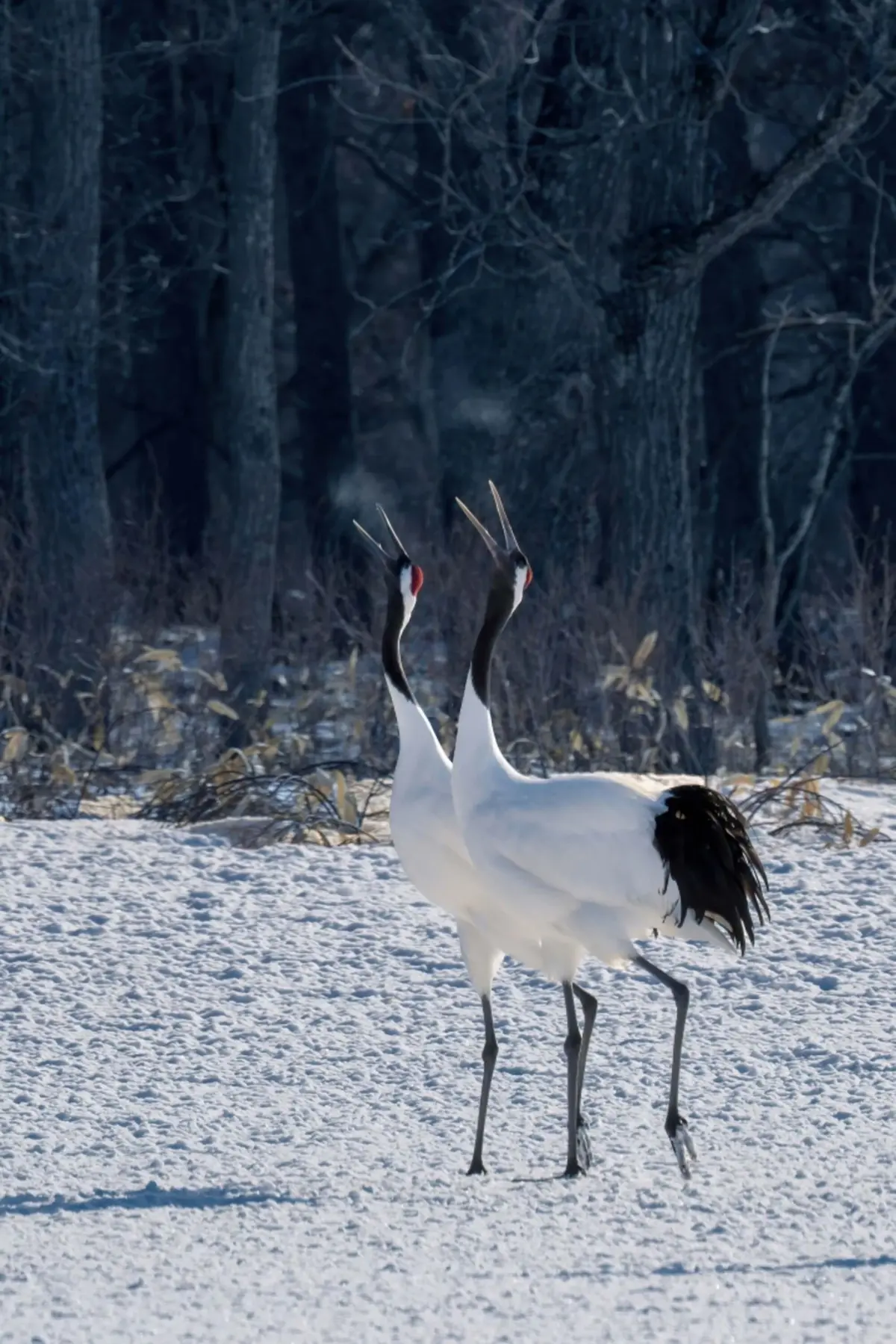
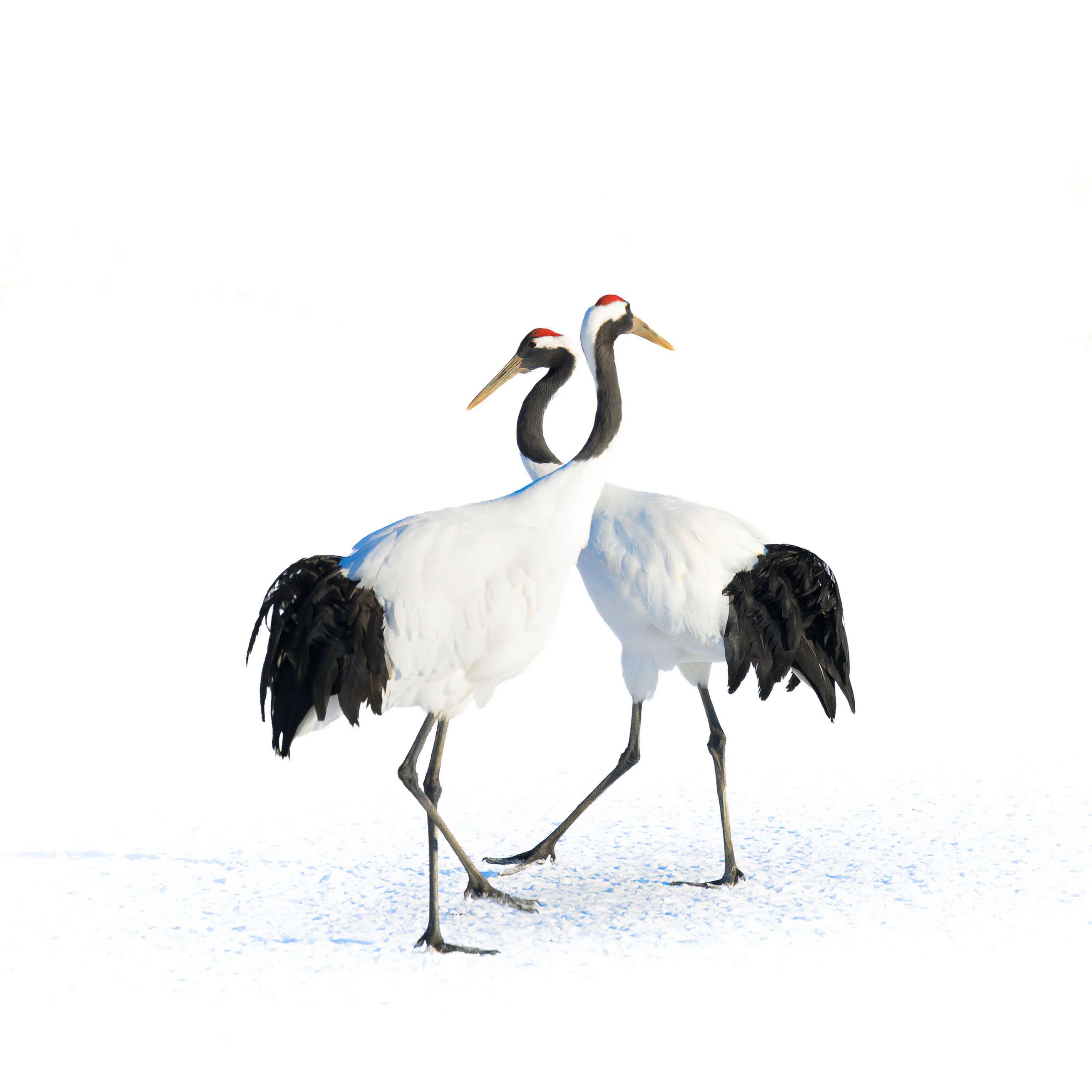
A pair of red-crowned cranes emerge from what looks like a completely blank canvas, engaged in an ancient, sweeping dance of courtship across the stark, snow-capped landscapes of northern Japan. With their dark plumage and vibrant red crowns standing out as the sole anchors of color in an otherwise blinding expanse of white, the striking scene instantly prompts a fundamental artistic question: just how much detail can a photographer strip away from a natural setting before an image stops working entirely?
For Somdutt Prasad, an ophthalmologist and multi-award-winning photographer, the answer lay in pushing the boundaries of traditional wildlife documentation. The resulting collection of photographs transforms active avian behavior into something deeply evocative, echoing the timeless aesthetic of traditional East Asian art.
"The set I came away with reads more like ink-wash paintings than wildlife photographs," Prasad said, reflecting on his ambitious photographic project captured in Hokkaido, Japan’s northernmost main island.
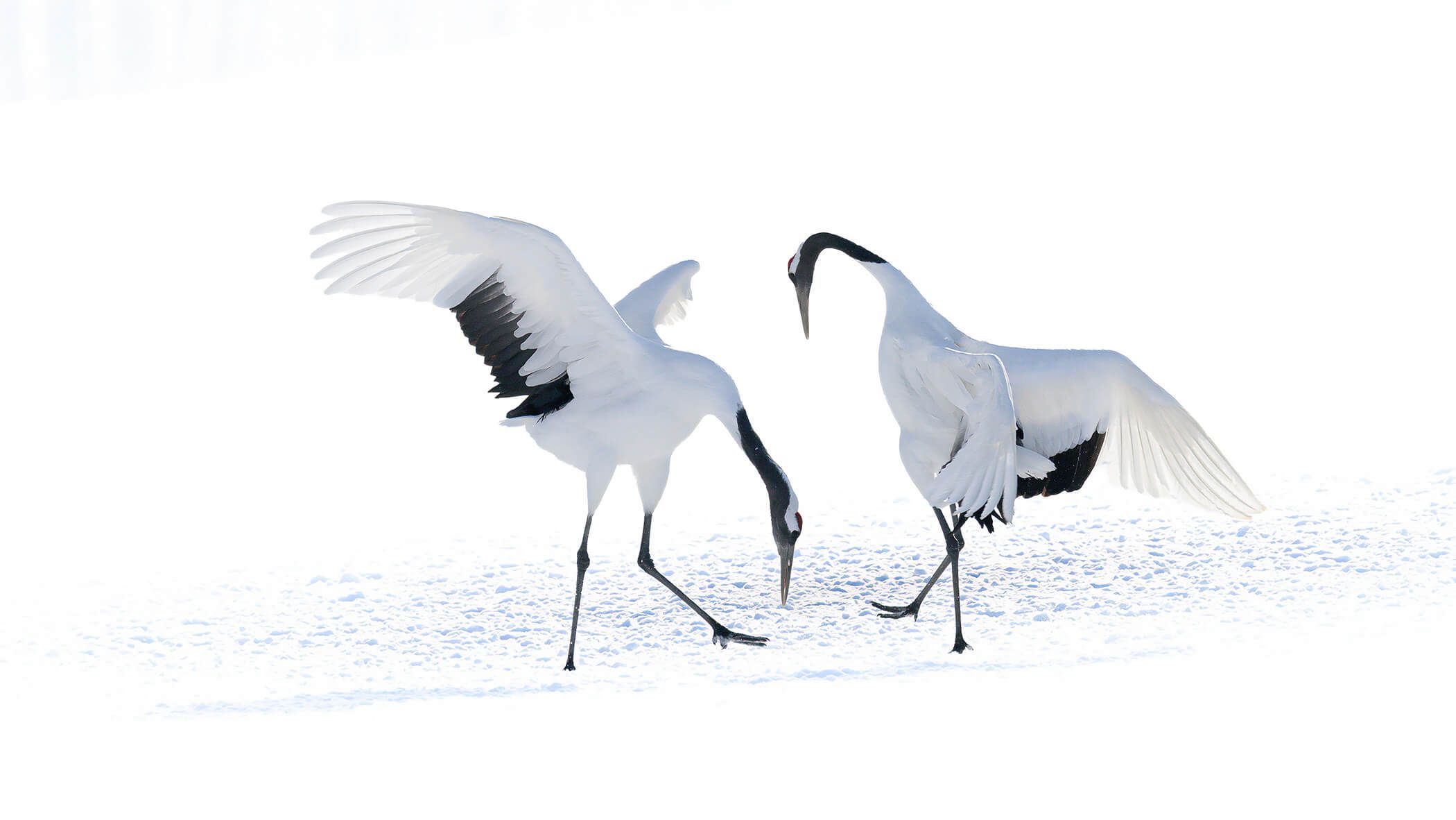
Rather than settling for standard documentary wildlife frames, Prasad deliberately sought to bridge the gap between photography and cultural heritage. His high-key aesthetic was never an attempt to salvage a mistakenly overexposed batch of photos, but rather a calculated, highly deliberate artistic decision designed to capture a unique wildlife subject in a profoundly unique way.
Choosing Hokkaido and a High-Key Aesthetic
Planning for the series began long before Prasad ever touched his camera shutter, centering on a January pilgrimage to Hokkaido during the region’s most punishingly cold winter weeks. In search of the deepest, most pristine snow cover, he braved ambient temperatures plunging below minus 20 degrees Celsius—conditions that severely tested camera batteries, chilled hands to the bone, and demanded extraordinary reserves of patience.
The choice of location was deeply intertwined with the subject itself. The red-crowned crane, known locally as the tanchōzuru, holds a revered place in Japanese folklore, symbolizing longevity, fidelity, and peace. Prasad noted that producing colorful, fully saturated scenes would have resulted in a fairly standard photographic series, failing to capture the ethereal, mythic quality associated with the birds in Japanese tradition.
Instead, he chose to push his compositions toward a minimalist, near-monochrome look. High-key photography presented itself as the obvious and most natural direction for the project. These magnificent birds are essentially black and white by nature, with their striking coloration confined exclusively to a small, distinct patch of bare skin on the head and neck. By reducing the visual noise of the surrounding environment, Prasad could focus entirely on these dramatic points of contrast.
Planning Before Pressing the Shutter
Achieving this final visual effect required meticulous preparation in the field. Operating in Hokkaido’s deep winter meant battling harsh elements where the environment itself conspired against traditional photographic settings. In the field, Prasad prioritized early morning shoots, actively hunting for rising fog generated by warmer, spring-fed areas of local marshland. This natural atmospheric phenomenon helped compress the tonal range of the landscape, naturally separating the elegant silhouettes of the cranes from their chaotic surroundings.
Isolating the subjects was no easy feat, especially given the social nature of the birds. Prasad explained that the desired high-key effect depended heavily on isolating a single crane, or at most a tightly bonded pair, well away from the bustling activity of the wider flock.
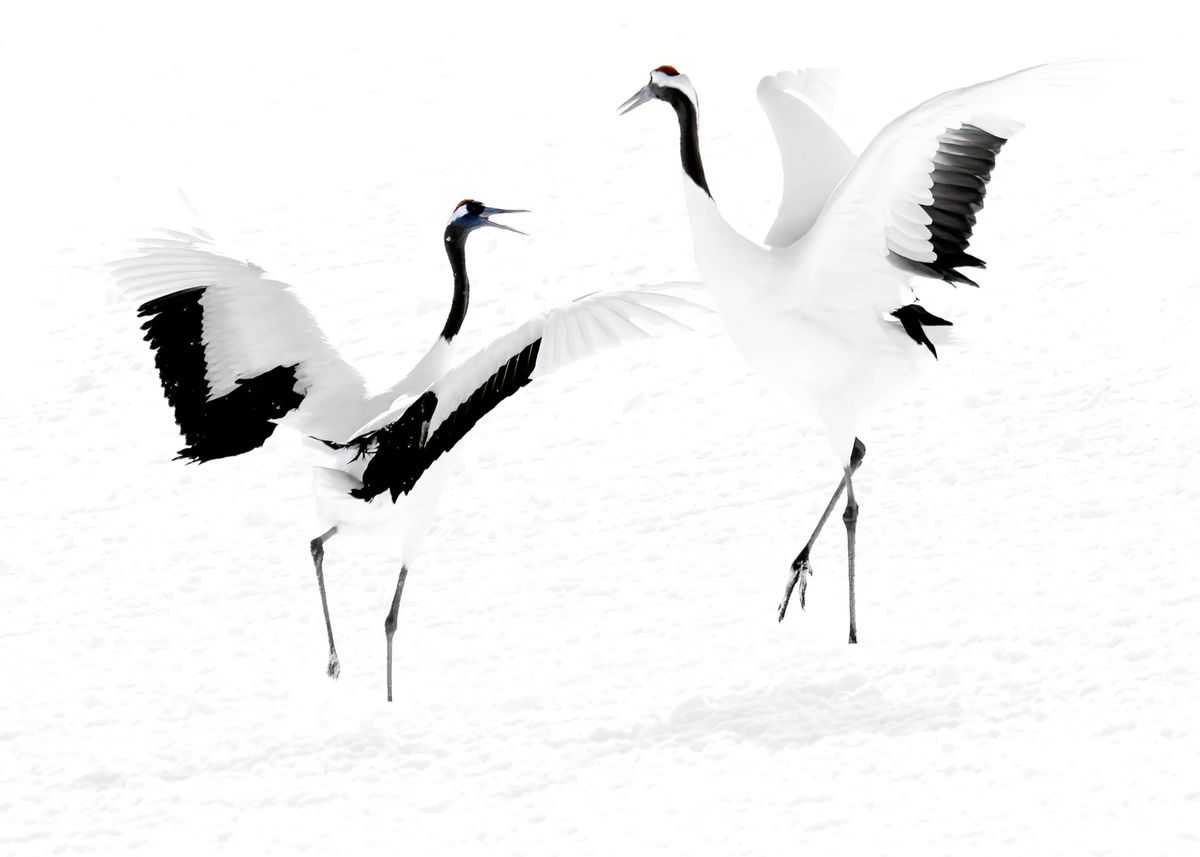
"That meant a lot of waiting—for a wing to open against a clean background, for a neck to arch into a shape worth keeping—rather than simply firing at whatever moved," he noted.
This disciplined approach to fieldcraft meant hours of motionless observation in sub-zero temperatures, watching for transient moments of grace. The process relied as much on anticipation and restraint as it did on technical execution, ensuring that every frame captured had a deliberate narrative and visual purpose.
Mastering Equipment and Extreme Exposure Techniques
Photographing vast expanses of white snow presents a notorious challenge for digital cameras. Snow naturally reflects immense amounts of light, easily fooling a camera’s built-in light metering system into rendering a bright, sunlit scene far too dark and muddy. To bypass this automatic correction and achieve a true high-key look, a photographer must deliberately increase the exposure far beyond standard meter recommendations.
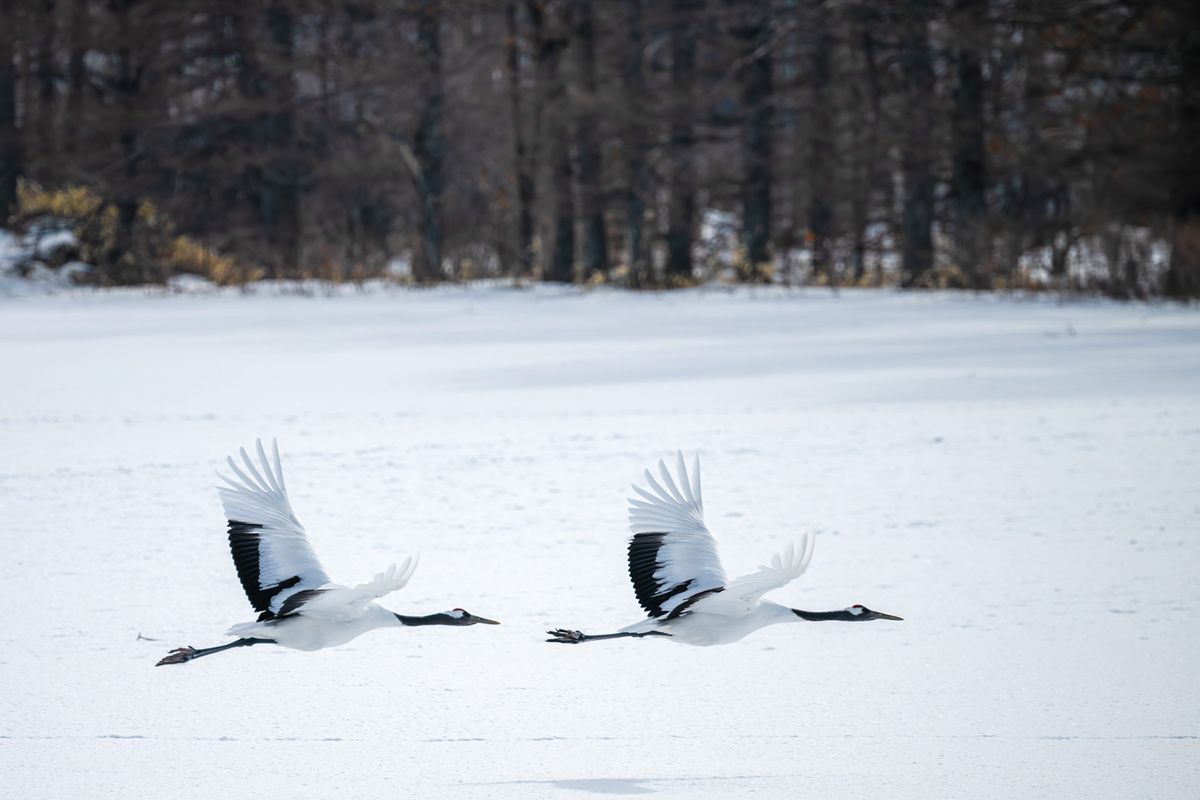
However, pushing exposure limits introduces a razor-thin margin for error. Go too far, and the photographer risks "burning the highlights," causing crucial details—such as the intricate texture of the birds’ feathers—to vanish completely into pure, unrecoverable white.
Shooting in RAW format using Nikon Z8 and Nikon Z9 camera bodies, Prasad maintained a constant, vigilant eye on the real-time live histogram displayed inside his electronic viewfinder while pressing the shutter. Managing exposure under these conditions required counterintuitive thinking.
"You have to deliberately overexpose beyond what feels natural and then protect the highlights rather than the midtones," Prasad explained, detailing the technical balancing act required to keep the surrounding snow luminous while preserving the delicate tonal gradations on the cranes themselves.
The Transformation in Post-Production
Having successfully exposed right up to the edge of digital clipping in the field, Prasad’s workflow continued heavily into digital darkroom processing. His first editorial step involved pulling raw files into Lightroom Classic, where he carefully recovered structural detail in the snow by fine-tuning the exposure and highlights sliders.
Yet, according to the photographer, the real transformation happened later inside Adobe Photoshop. Here, Prasad meticulously masked the bodies of the cranes, painstakingly refining the selections near the delicate edges of individual feathers by hand. When a crane was captured standing directly on the snow, he occasionally incorporated the immediate patch of snow around its feet, utilizing a feathered lasso selection or a soft radial gradient to anchor the bird naturally within the frame.
To construct the signature negative space characteristic of his vision, Prasad inverted these subject masks to isolate the background entirely. He then pushed the background exposure to its maximum limits, utilizing burning and clone-stamping tools to eradicate any remaining stubborn color flecks or distracting environmental debris.
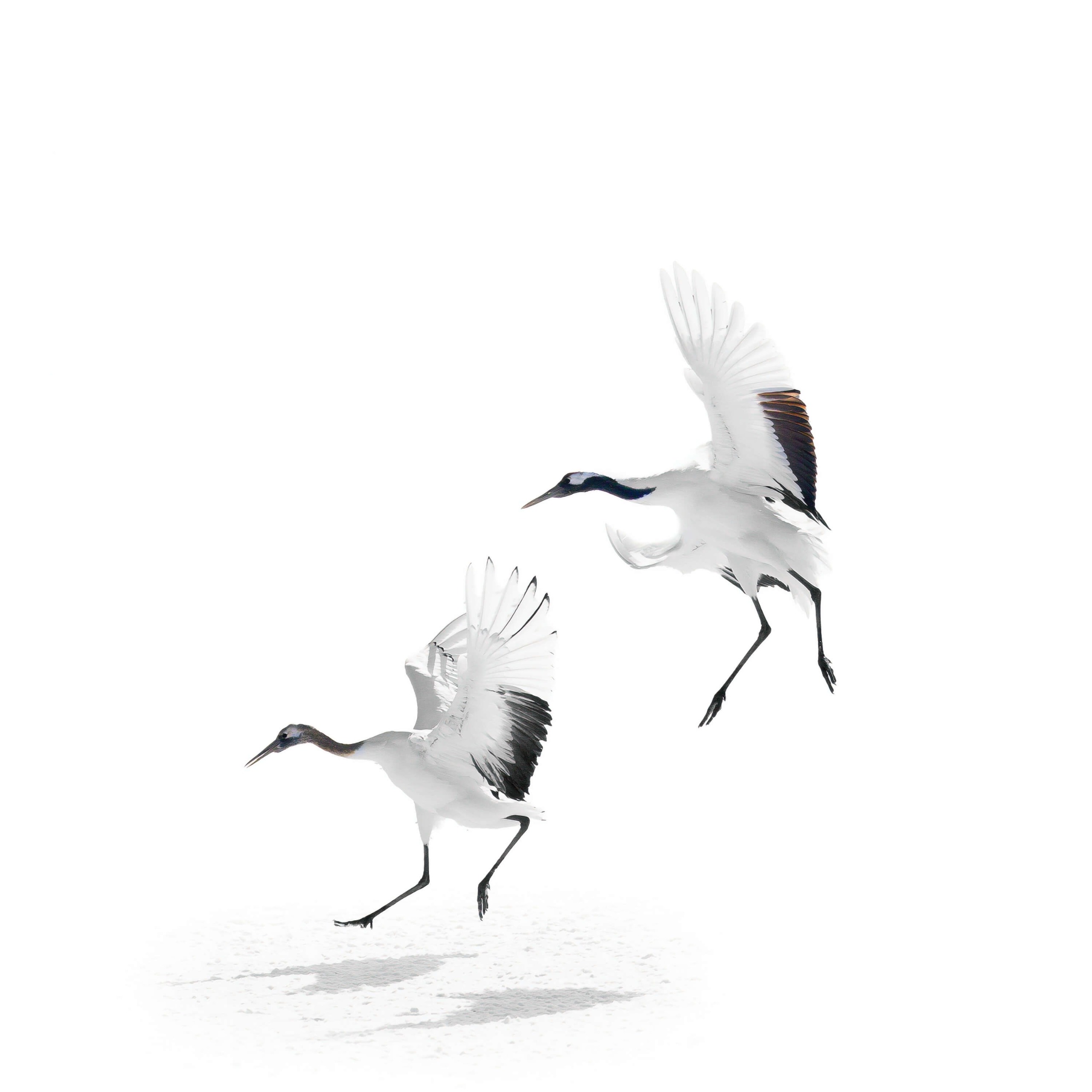
"The processing became an extension of the same minimalist instinct as the framing, stripping out distractions and leaning on negative space," Prasad said.
For the final touches, the photographer applied localized masks to the bodies of the birds, deliberately sparing their elegant necks and vivid red crowns while desaturating the surrounding black body plumage. Only once these meticulous adjustments were complete could the image be considered finished.
Controlled, Conscious Decisions in Wildlife Art
Somdutt Prasad’s high-key red-crowned crane series serves as a powerful reminder that wildlife photography does not always need to rely on the vibrant, saturated colors of scales, fur, or feathers to make a profound impact.
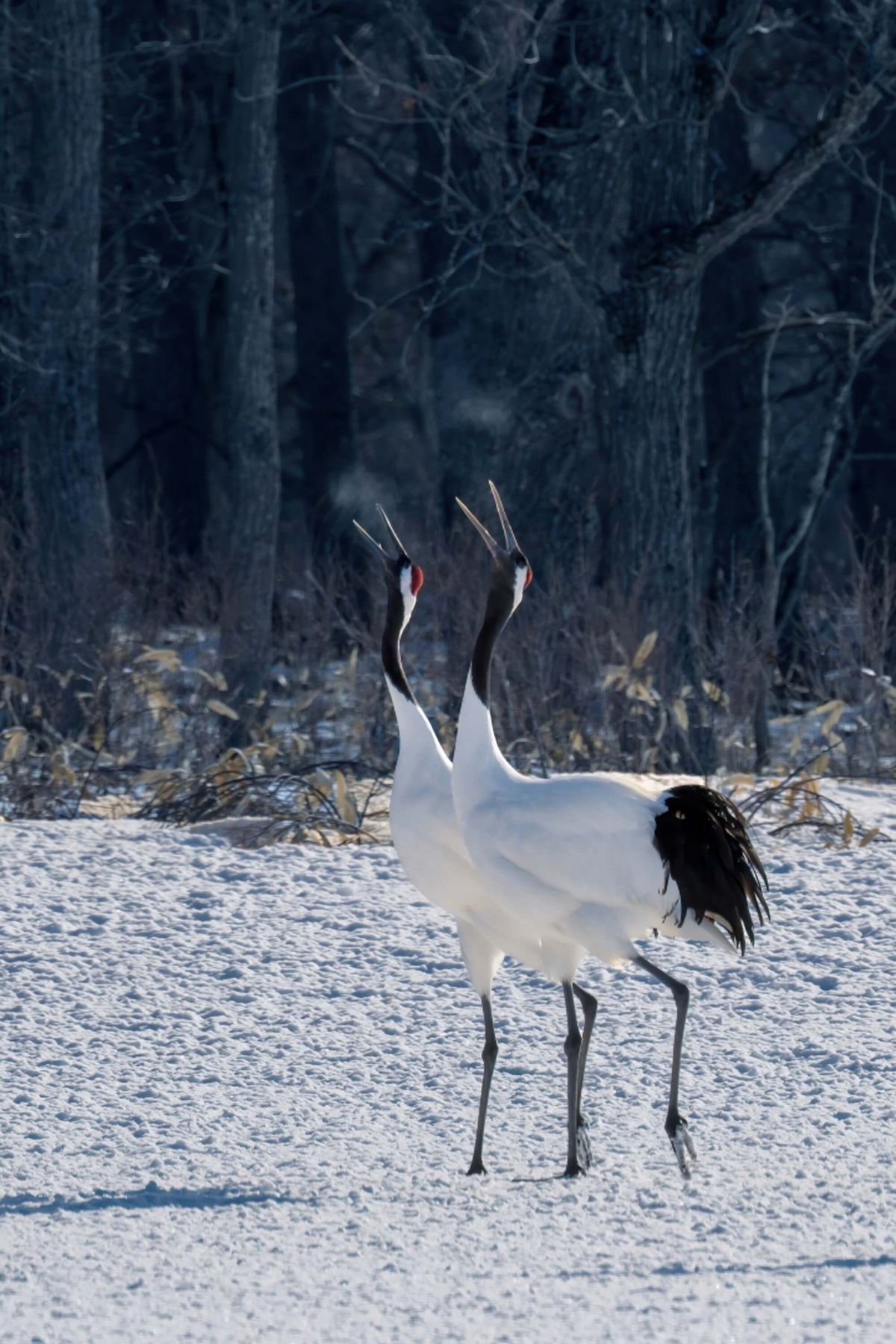
By exercising rigorous control over in-camera exposure and making conscious, thoughtful decisions during post-production editing, photographers can successfully strip a complex scene down to its bare essentials. Removing excessive color and distracting background detail does not diminish the subject; instead, when executed with precision and artistic intent, it elevates the animal, presenting it in a striking and deeply imaginative new light.