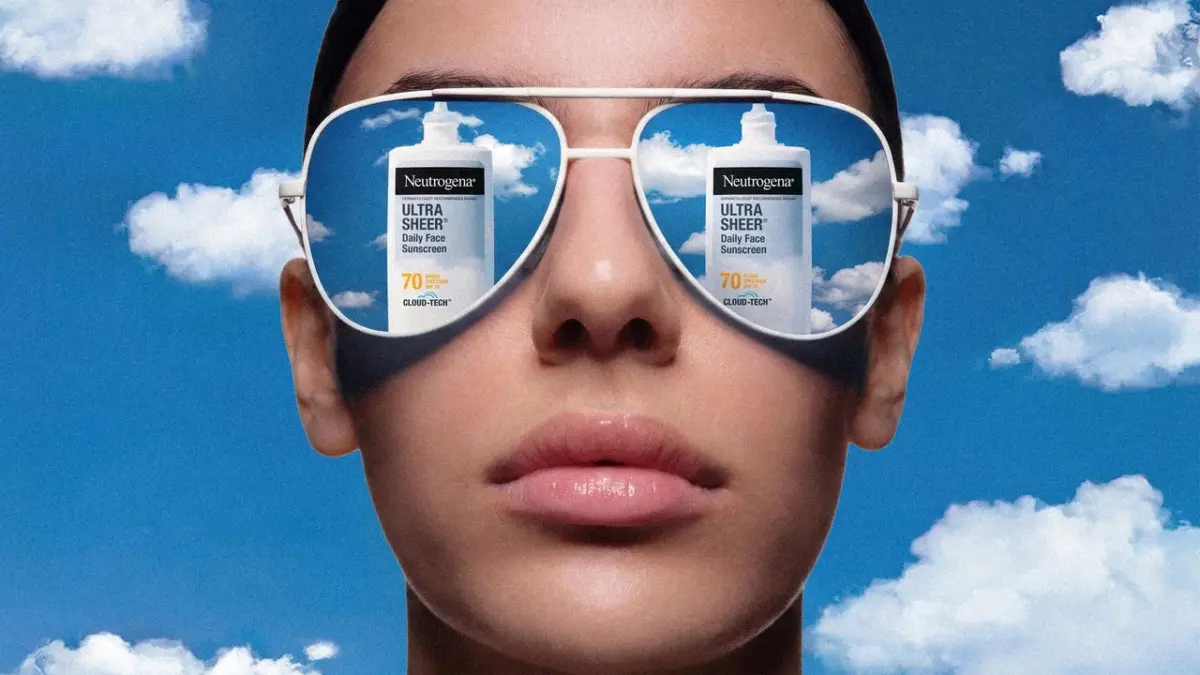
For the first time in more than a quarter-century, American consumers have a brand-new option when shopping for sunscreen: an advanced skin-protecting chemical that has long served as a go-to choice for sun protection in Europe and various other parts of the world.
The U.S. Food and Drug Administration officially approved bemotrizinol, which is frequently referred to as BEMT, in June. Following the regulatory milestone, the first wave of commercial sunscreens containing the ingredient is now arriving on store shelves across the United States. Major beauty and personal care manufacturers, including leading brands like Neutrogena, have begun rolling out their new formulas featuring the chemical.
Dermatologists and skin health experts say the introduction of bemotrizinol fills an important, long-standing market gap within the United States. The chemical offers comprehensive, broad protection comparable to the most well-established sunscreen ingredients on the market, but crucially accomplishes this without the typical cosmetic downsides that have historically frustrated consumers. Among the most notable improvements is the elimination of the persistent white streaking and cast that many traditional mineral and chemical sunscreens leave behind, particularly on darker skin tones.
Beyond its aesthetic benefits, BEMT brings decades of robust safety data to the U.S. market. Extensive scientific research and studies conducted over the years demonstrate that the chemical features minimal absorption through the human skin barrier. Skin penetration has long been a central concern for consumers and regulators alike regarding some of the older sun-blocking chemicals currently available in American sunscreen formulations.
“It’s not a brand-new ingredient that you’re going to be the first person to try,” said Dr. Jennifer Stein, a prominent dermatologist at NYU Langone Health, highlighting the extensive global track record and established safety profile that the chemical brings to American consumers.
The arrival of bemotrizinol marks a significant shift in the U.S. sun protection landscape, which has seen very little regulatory innovation regarding active ultraviolet-blocking filters for more than twenty-five years. For generations, American formulators have had to rely on a relatively restricted list of approved active ingredients compared to their counterparts in Europe, Asia, and Latin America, where regulatory frameworks have permitted newer chemical filters for decades.
New Ingredient Offers Broad Protection Without Streaks
To be considered genuinely effective by medical professionals and regulatory standards, sunscreens must protect the skin against both primary forms of ultraviolet light that are capable of causing cellular damage. These include UVB rays, which are primarily responsible for causing acute sunburns, and UVA rays, which pose the greatest long-term risk of developing skin cancer and accelerating skin aging, including the formation of wrinkles.
Achieving reliable, balanced protection against both ultraviolet spectrums has traditionally required complex combinations of active ingredients, which can sometimes lead to heavier formulations, skin irritation, or undesirable cosmetic finishes. Dermatologists note that bemotrizinol excels in this regard by providing exceptionally stable broad-spectrum coverage. Because the molecule absorbs both UVA and UVB rays efficiently and does not degrade rapidly under direct sunlight, it enhances the overall efficacy of the sunscreen products in which it is incorporated.
The introduction of BEMT formulas to American retail shelves represents a watershed moment for consumer choice in sun protection. For years, travelers returning from Europe or specialized beauty enthusiasts ordering international products have sought out advanced formulations containing modern UV filters. Now, mainstream shoppers walking down local drugstore aisles will have direct access to these innovations, providing a timely new tool in the ongoing public health effort to prevent skin cancer and promote daily sun safety habits across diverse populations.