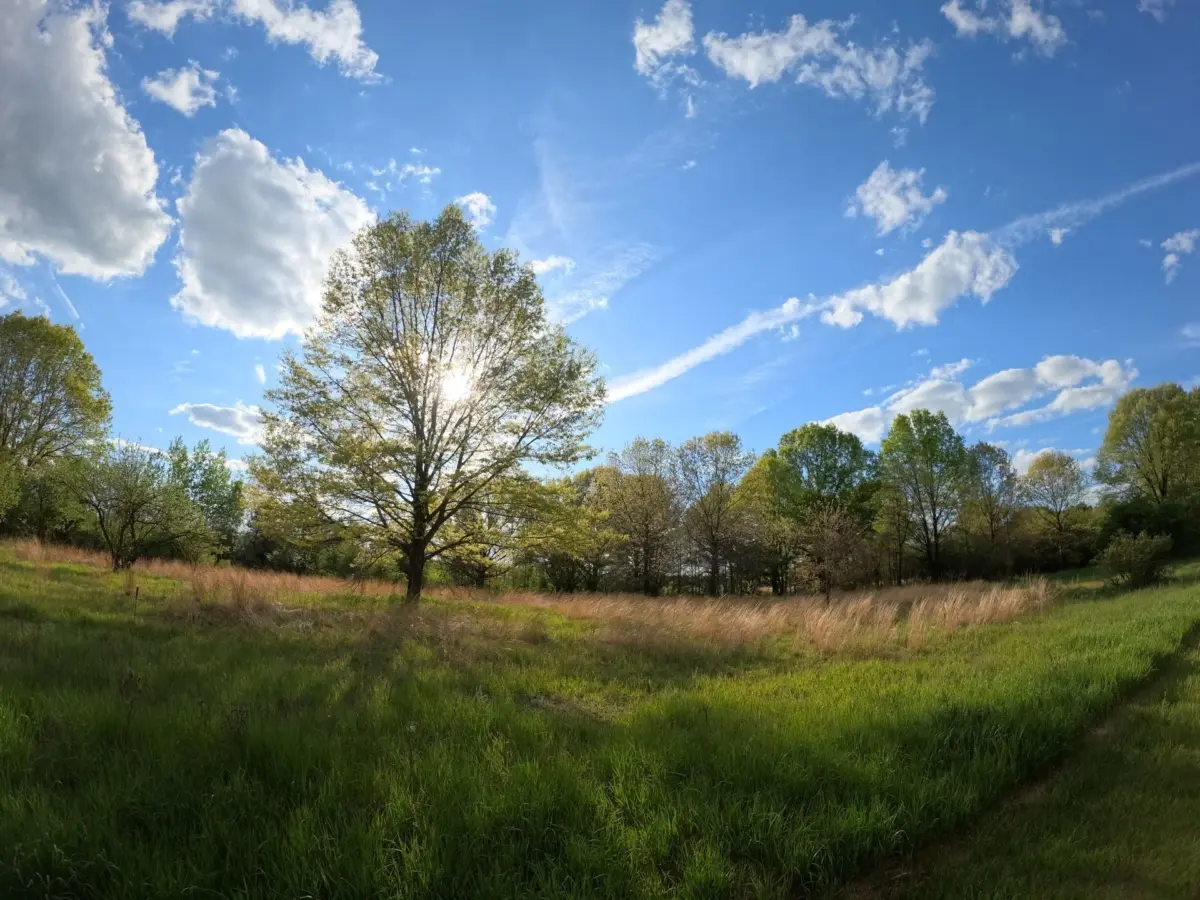
GoPro is overhauling the still-photography and cinematic capabilities of its compact camera lineup. Through a comprehensive new firmware release and a dedicated GoPro Labs update, the company is addressing some of the most persistent user complaints regarding its Mission 1 series—most notably, the frustrating shutter delay that has long hindered photographers attempting to capture split-second moments with the brand’s video-first devices.
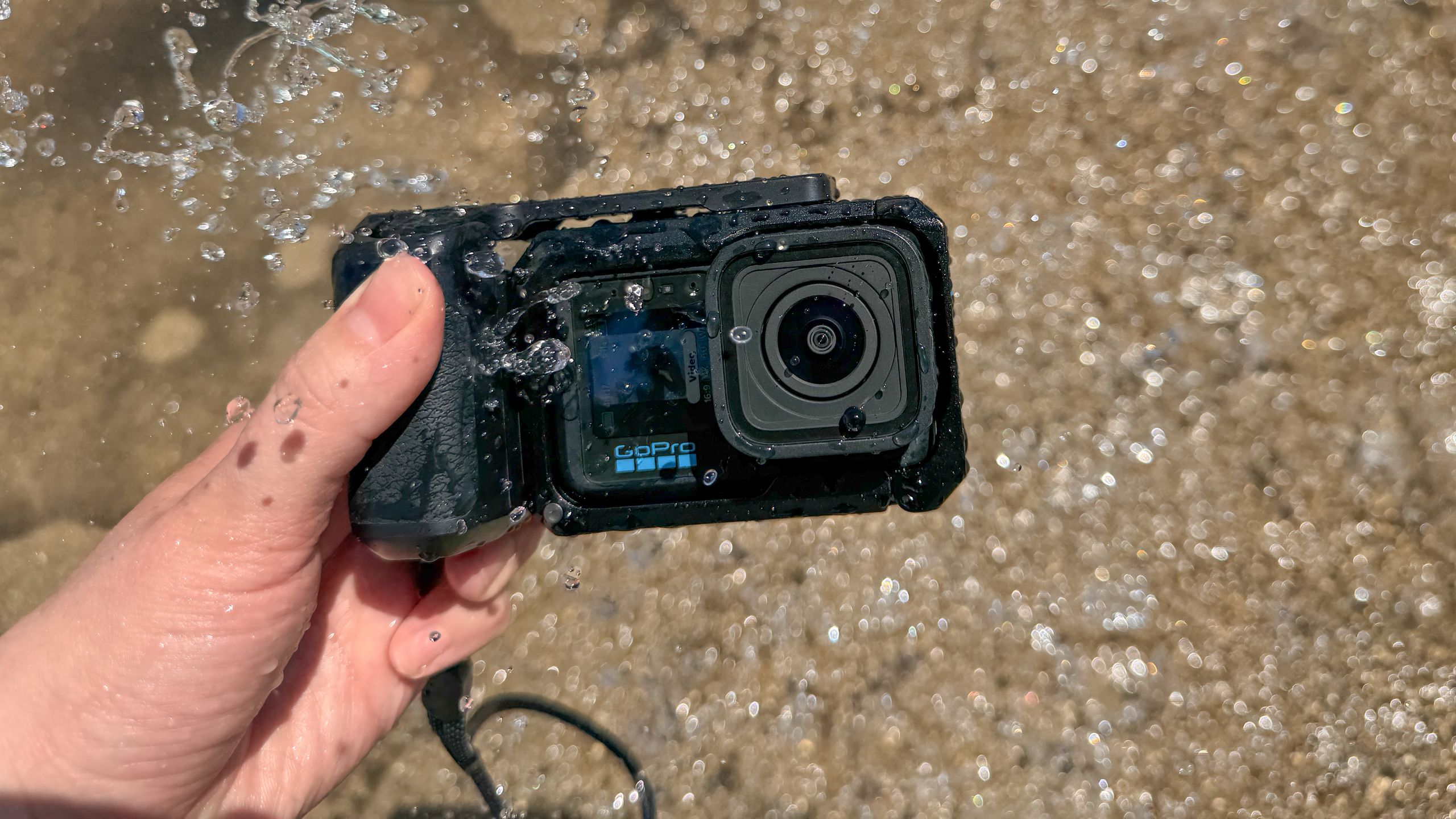
For photographers and hybrid creators who have spent time shooting with both the GoPro Mission 1 Pro and the mirrorless ILS variant, the physical form factor and impressive sensor sizes have always held immense appeal. However, a major hurdle stood in the way of treating these devices as true everyday carry cameras: the shutter lag. Previously, when users pressed the shutter button on a Mission 1 series camera, the device imposed a noticeable one-second countdown before recording the image. Much like the behavior found in traditional action camera lines such as the Hero series, this built-in delay made timing dynamic, fast-paced shots an exercise in frustration.
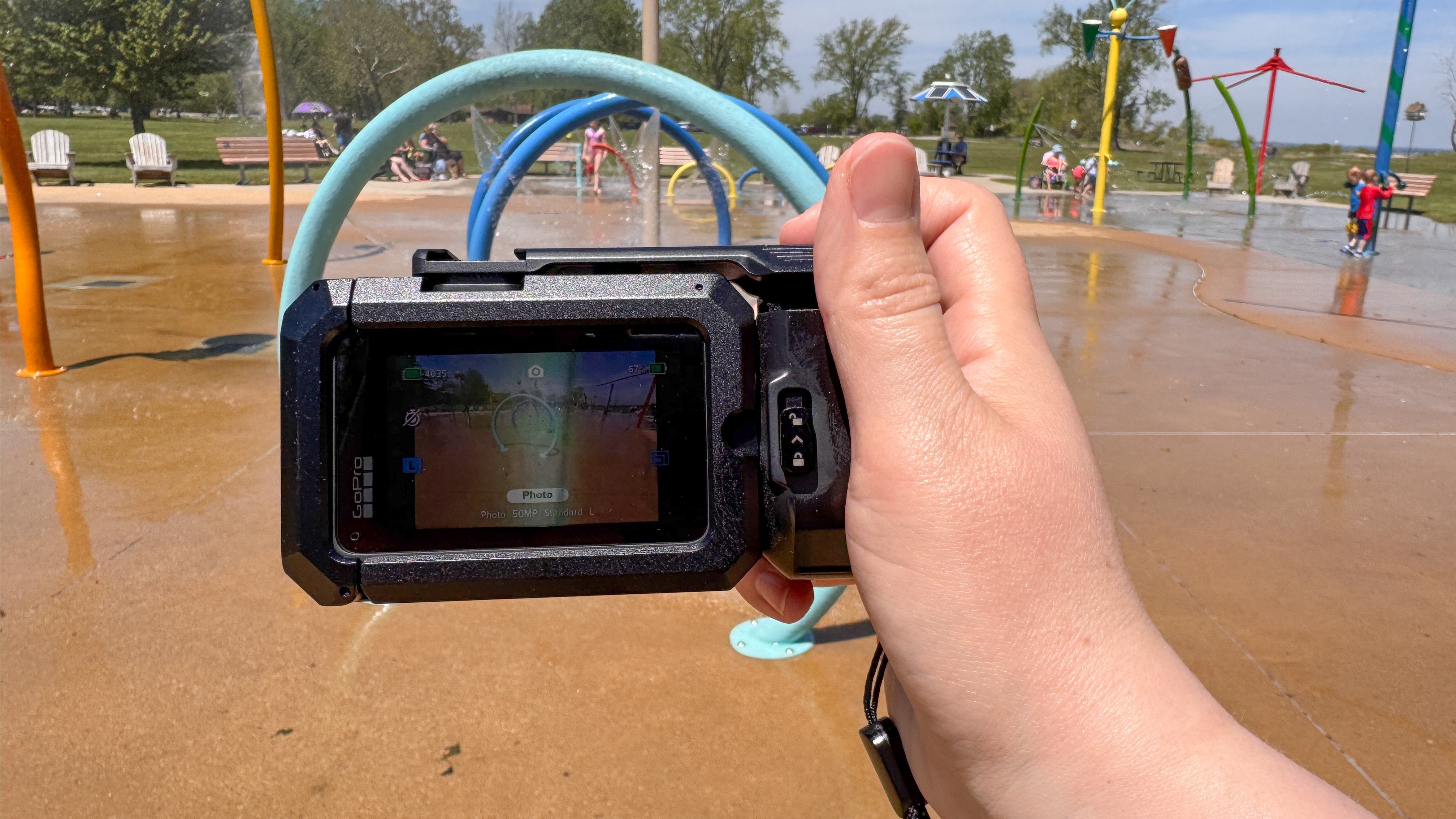
With the deployment of the latest firmware update, that barrier has finally been removed. The Mission 1 cameras now capture still photographs instantly upon pressing the shutter button, completely bypassing the previous countdown. This vital adjustment drastically changes the feel of the device, making the process of taking still photos on GoPro’s compact cinema line mirror the responsive, immediate feedback of shooting with a traditional standalone camera.
Refining Burst Mode and Audio Confirmation
Beyond eliminating shutter lag, the new firmware fundamentally re-engineers how the Mission 1 series handles burst photography. In previous software versions, the camera’s burst mode was restricted to capturing a strictly preset number of frames per activation. While useful for certain technical scenarios, it lacked the fluid versatility expected by traditional stills photographers.
The updated software transforms the burst mode functionality to behave much like a standard DSLR or mirrorless camera. By pressing and holding down the shutter button while in photo mode, users can now initiate a continuous burst sequence that persists indefinitely until the physical shutter button is released or the camera’s internal buffer reaches maximum capacity. To help shooters monitor this process in real-time, the camera’s display screen now features an active, dynamic countdown indicator. This counter visually tracks exactly how many additional high-resolution frames can be captured before the buffer is fully saturated.
To complete the transformation of the shooting experience, GoPro has also introduced an audible shutter cue. The newly added sound provides a clear, distinct audio confirmation the exact moment a photo is successfully recorded, giving photographers the sensory feedback they rely on when framing subjects without constantly staring at an electronic screen.
Bridging the Gap Between Video Powerhouses and Still Cameras
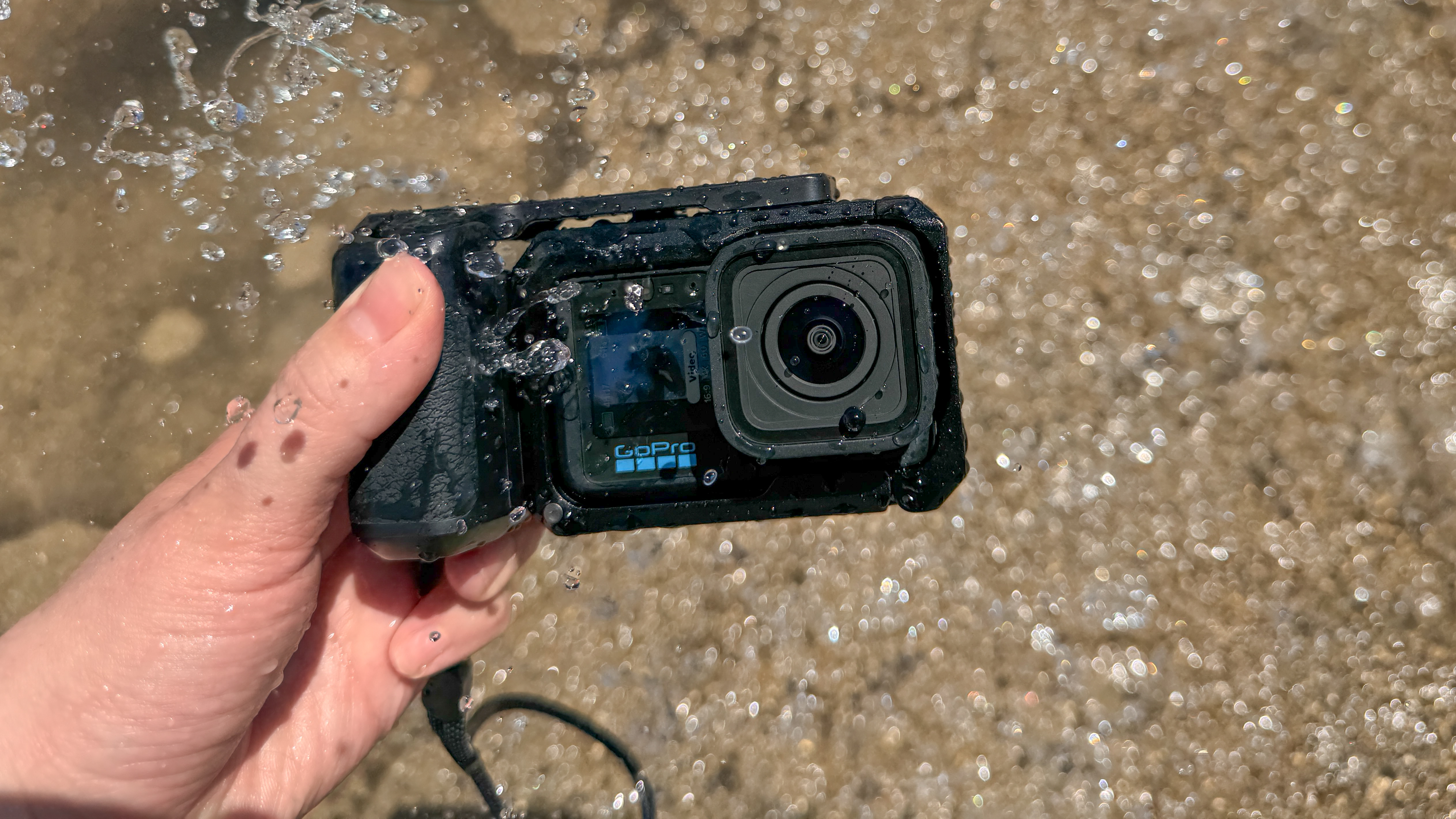
GoPro has explicitly positioned the Mission 1 series as a lineup of compact cinema cameras, prioritizing high-end video performance with photography serving as a secondary function. Nevertheless, the integration of a one-inch sensor inside such a remarkably small, weather-sealed body has naturally attracted photographers searching for a rugged, highly portable pocket camera.
While the Mission 1 Pro lacks the extensive optical zoom capabilities and manual focus rings found on specialized rugged compacts like the OM System Tough TG-7, the elimination of shutter lag instantly elevates its viability as a dual-purpose device. For creators heading to the beach, hiking trails, or urban environments, the camera now functions much more effectively as a traditional point-and-shoot when the need arises to pivot quickly from motion capture to high-quality still imagery.
A similar dynamic applies to the Mission 1 Pro ILS, GoPro’s groundbreaking venture into the mirrorless camera space. While its manual focus adjustments and one-inch sensor might not sway purist photographers away from dedicated budget mirrorless alternatives like the Olympus OM-D E-M10 Mark IV, the software enhancements provide a welcome quality-of-life upgrade for filmmakers who regularly need to grab clean, high-resolution reference stills alongside their primary 8K video footage.
Expanding Cinematic Horizons via GoPro Labs
While stills shooters will undoubtedly appreciate the responsiveness of zero-lag shutter speeds, filmmakers have received a powerful tool of their own through the GoPro Labs public beta platform. The new software package introduces official support for anamorphic lenses, a highly requested feature for cinematic creators seeking widescreen aspect ratios and unique optical characteristics.
The beta integration allows the camera to write precise pixel aspect ratio metadata directly into the recorded video files. This automated tagging ensures that compatible editing and post-production software can automatically de-squeeze and correct the anamorphic footage without requiring manual calculation or complex workflow adjustments. The newly supported squeeze ratios encompass a broad spectrum of industry standards, including 1.33x, 1.5x, 1.6x, 1.8x, and 2.0x options.
The updated firmware is currently rolling out globally and can be downloaded directly from the official GoPro website or installed seamlessly via the GoPro Quik mobile application. While the new features unlock significant potential for both photographers and cinematographers utilizing the Mission 1 ecosystem, creators looking to update their devices immediately may choose to exercise standard precaution by monitoring early installation reports to ensure smooth operation before taking their equipment out into the field.