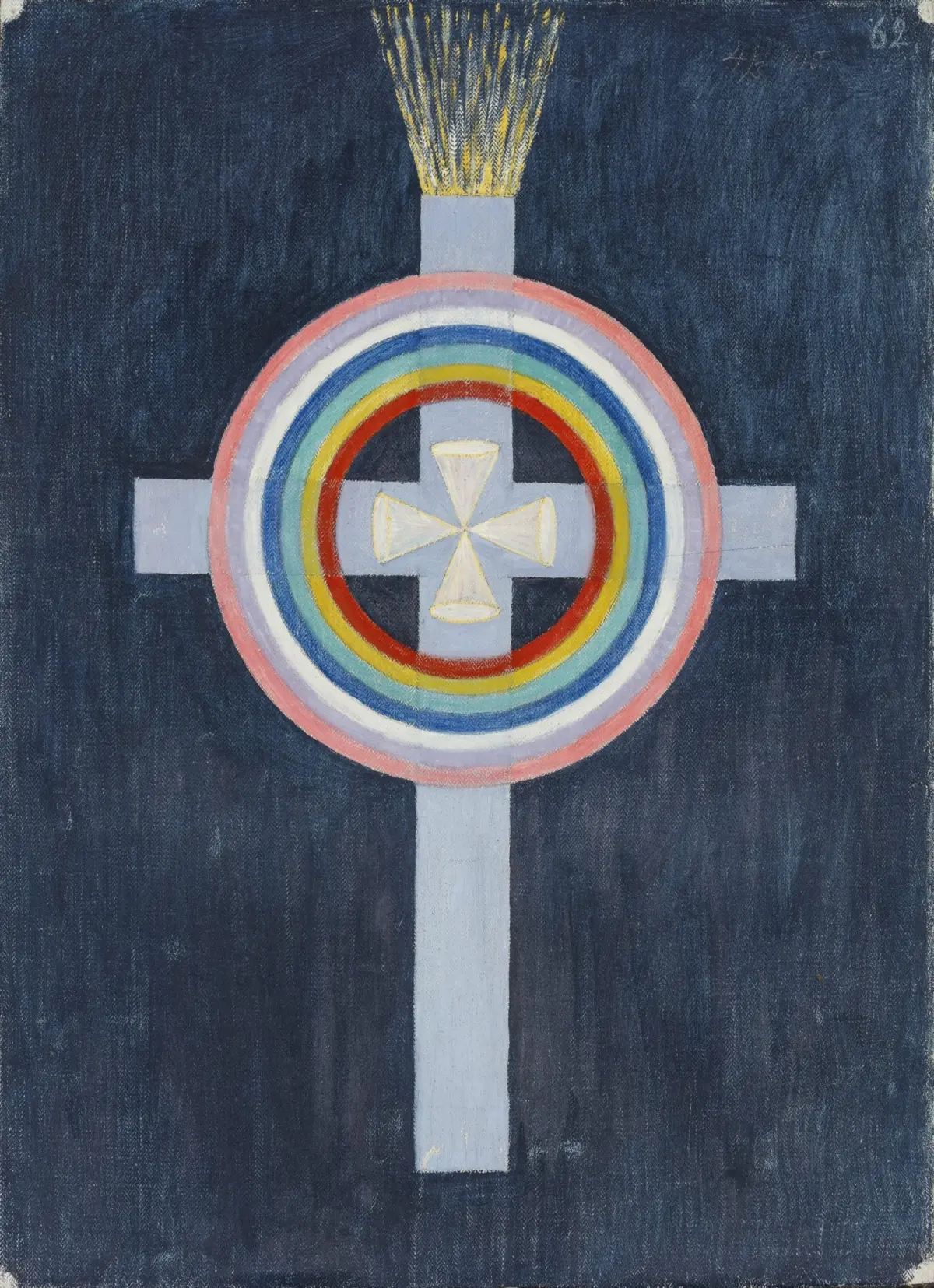
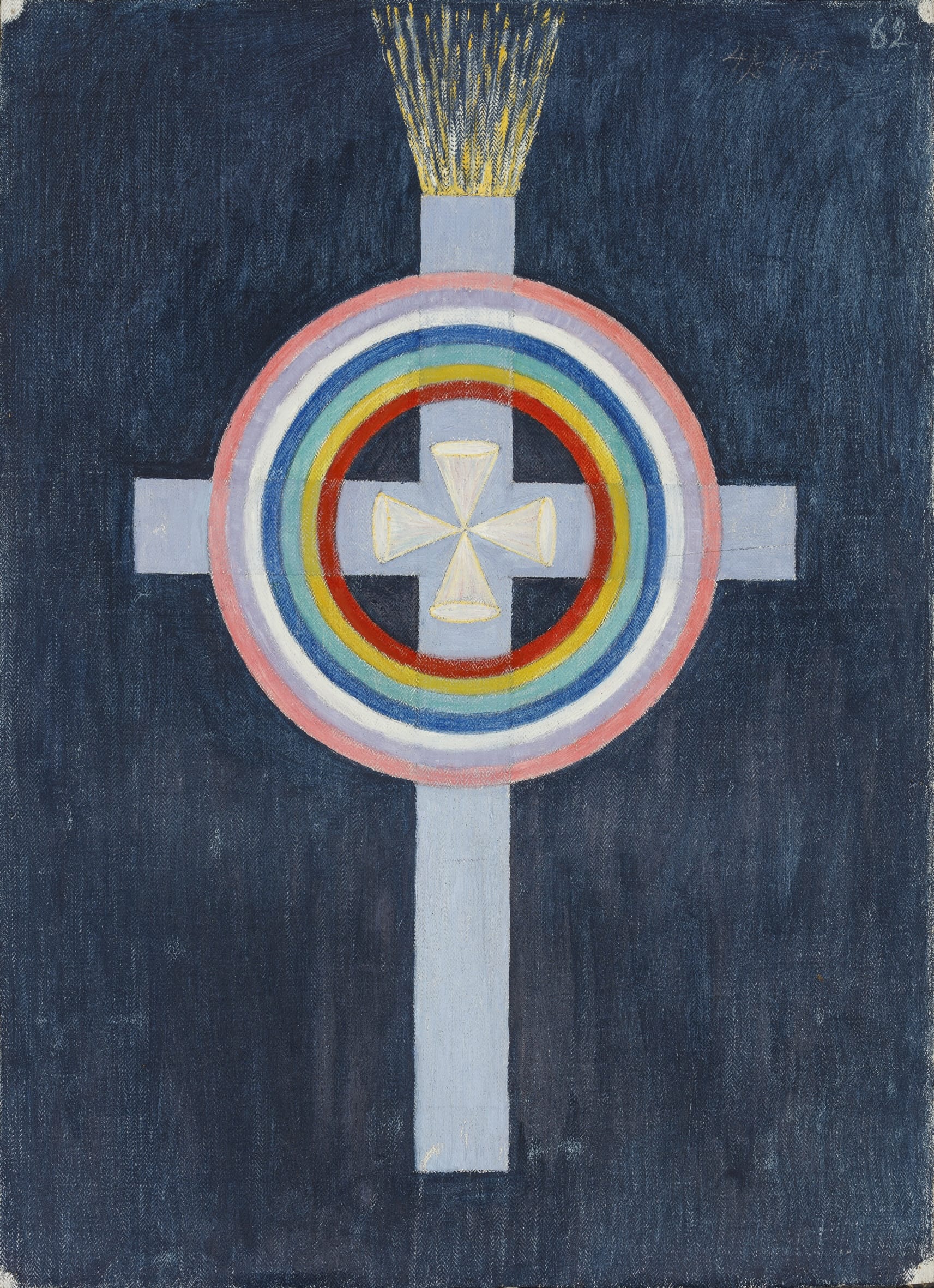
Around 1906, the Swedish artist Hilma af Klint maintained a studio in Stockholm, deeply immersed in Christian esotericism. In this quiet creative space, she channeled her mystic visions into a series of otherworldly paintings that contemporary art historians widely acknowledge as the first known abstract works in the global art canon. This realization represents a profound paradigm shift in twentieth-century art history, a domain that had previously credited Wassily Kandinsky with pioneering abstraction starting around 1910.
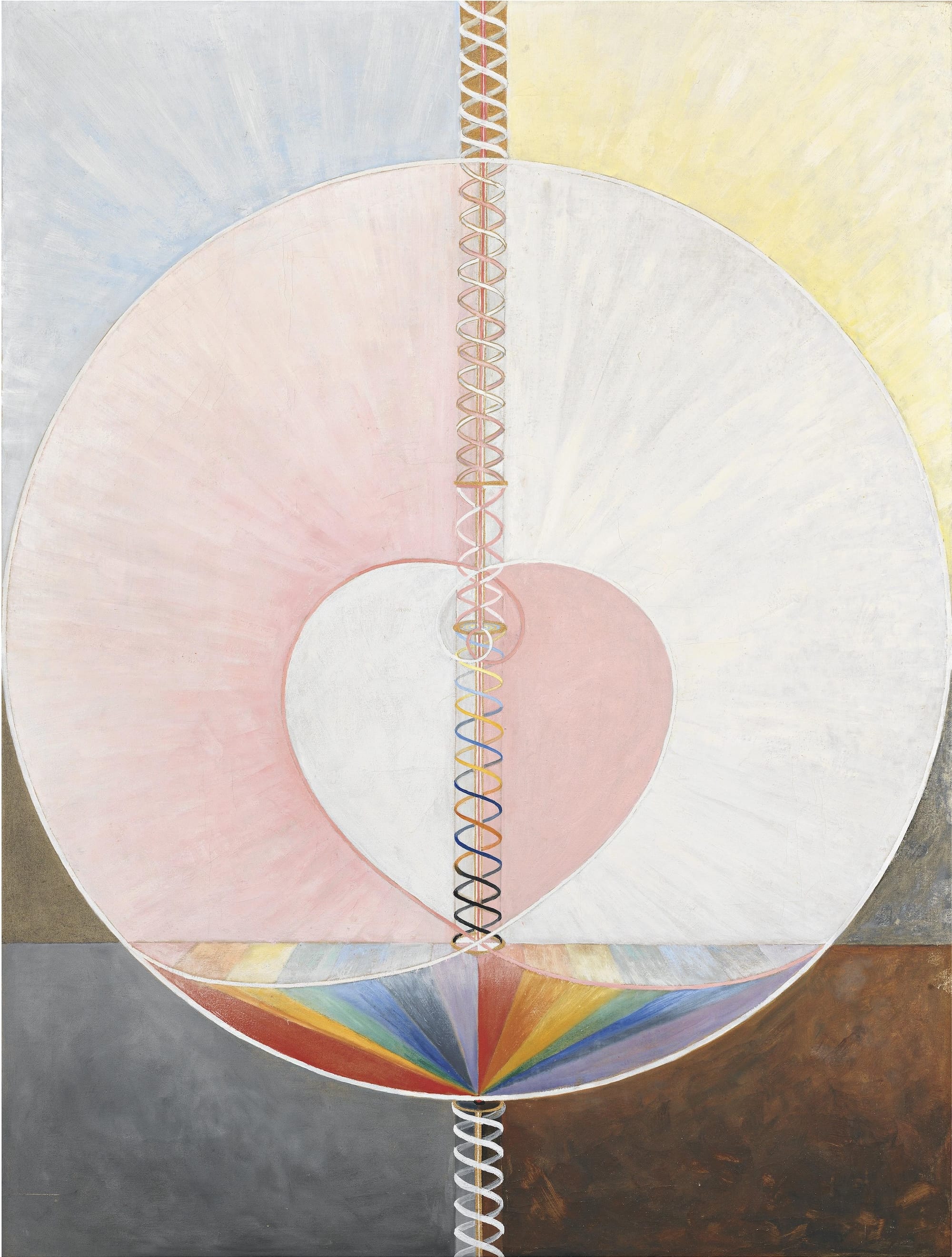
What continues to captivate art enthusiasts and scholars today about af Klint’s works is that she did not view her vibrant, complex paintings strictly as autonomous artworks. Instead, she considered them the direct result of spiritual channeling, visual manifestations of hidden realms translated onto canvas through her mediumistic practices. The production of these groundbreaking works also coincided with a remarkable period of accelerated scientific discovery that was radically transforming humanity’s understanding of reality. Nikola Tesla had recently developed the alternating current electricity system and generated the first radio transmissions before utilizing his breakthroughs to create an early remote control. Simultaneously, 1905 marked Albert Einstein’s legendary “miracle year,” defined by the publication of his seminal theories of relativity, which fundamentally altered concepts of space, time, and the universe.
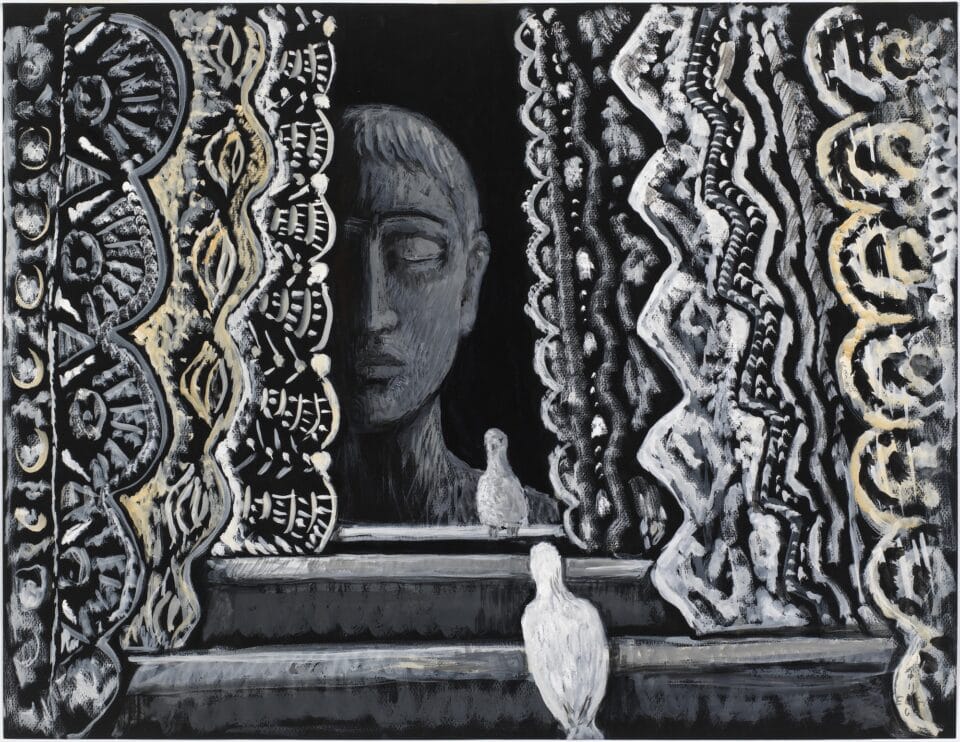
Now, a major international exhibition titled Arcana Borealis—Northern Women and Esotericism is set to deep-dive into the rich, complex history of modern art through the lens of women artists who worked precisely at this fascinating intersection of spirituality, science, and esotericism. Opening soon at the Atenem Art Museum, a prominent institution operating as part of the Finnish National Gallery, the landmark show also explores the intricate nature of historical artistic networks and communities. In total, the ambitious exhibition gathers more than 200 works created by 50 distinct artists, aiming to broaden perspectives on women’s creative practices guided by alternative belief systems, ecology, mysticism, and the boundless human imagination.
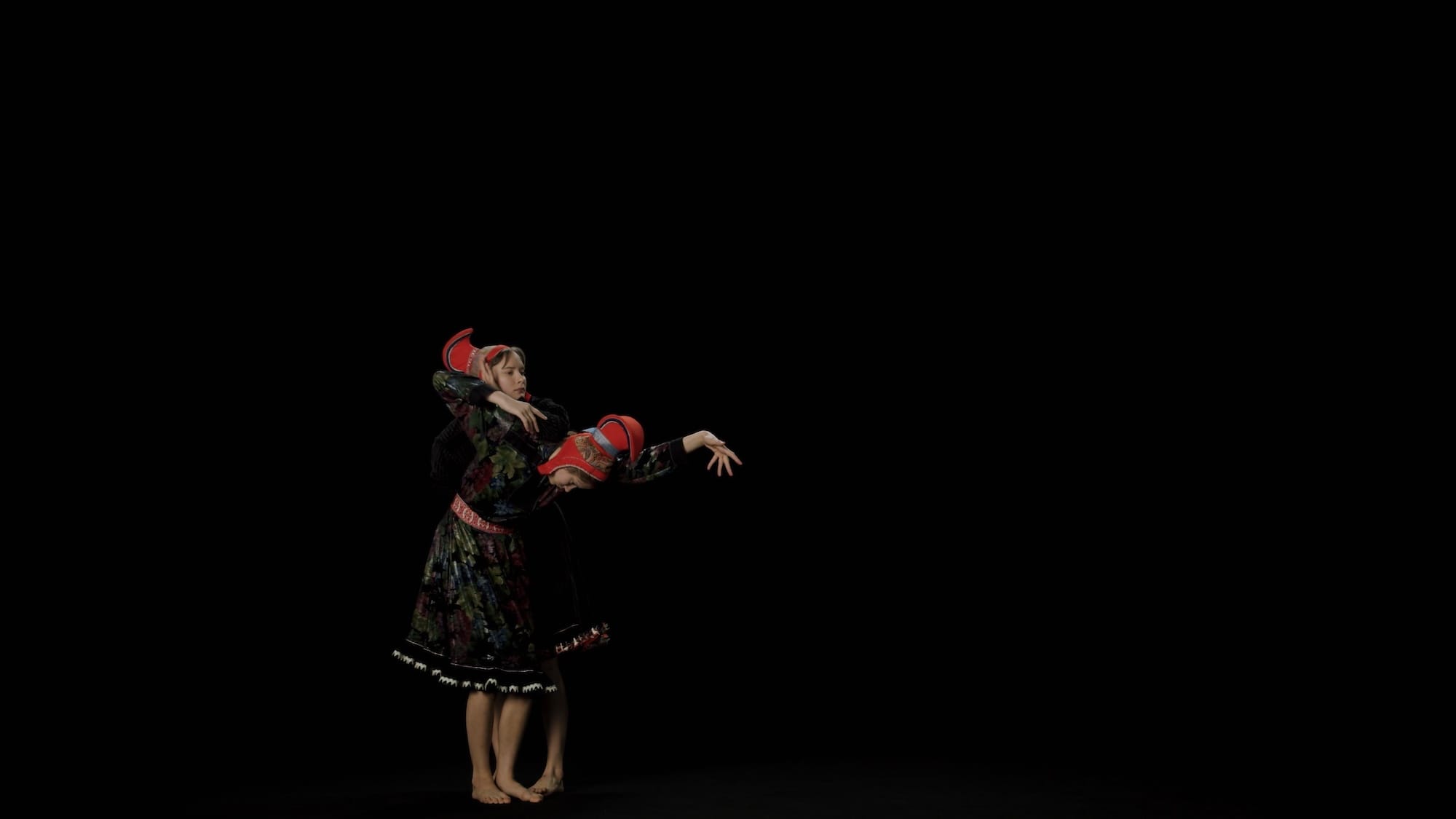
Arcana Borealis features notable pieces by early twentieth-century visionaries like af Klint and Anna Cassel, alongside works by Anna-Eva Bergman, Maja Fjaestad, Sonja Ferlov Mancoba, and contemporary artist Outi Pieski. Visitors walking through the museum galleries will encounter a diverse array of mediums, including paintings, sculptures, textiles, stained glass, video installations, and more. Exhibition curators Dr. Nina Kokkinen and Dr. Marja Lahelma conceived this comprehensive presentation as a deliberate challenge to traditional art historical narratives that have long privileged the romanticized myth of the lone artistic genius. Instead, Arcana Borealis highlights how deep collaboration, shared ideologies, and spiritual communities fundamentally shaped the practices of these pioneering creators.
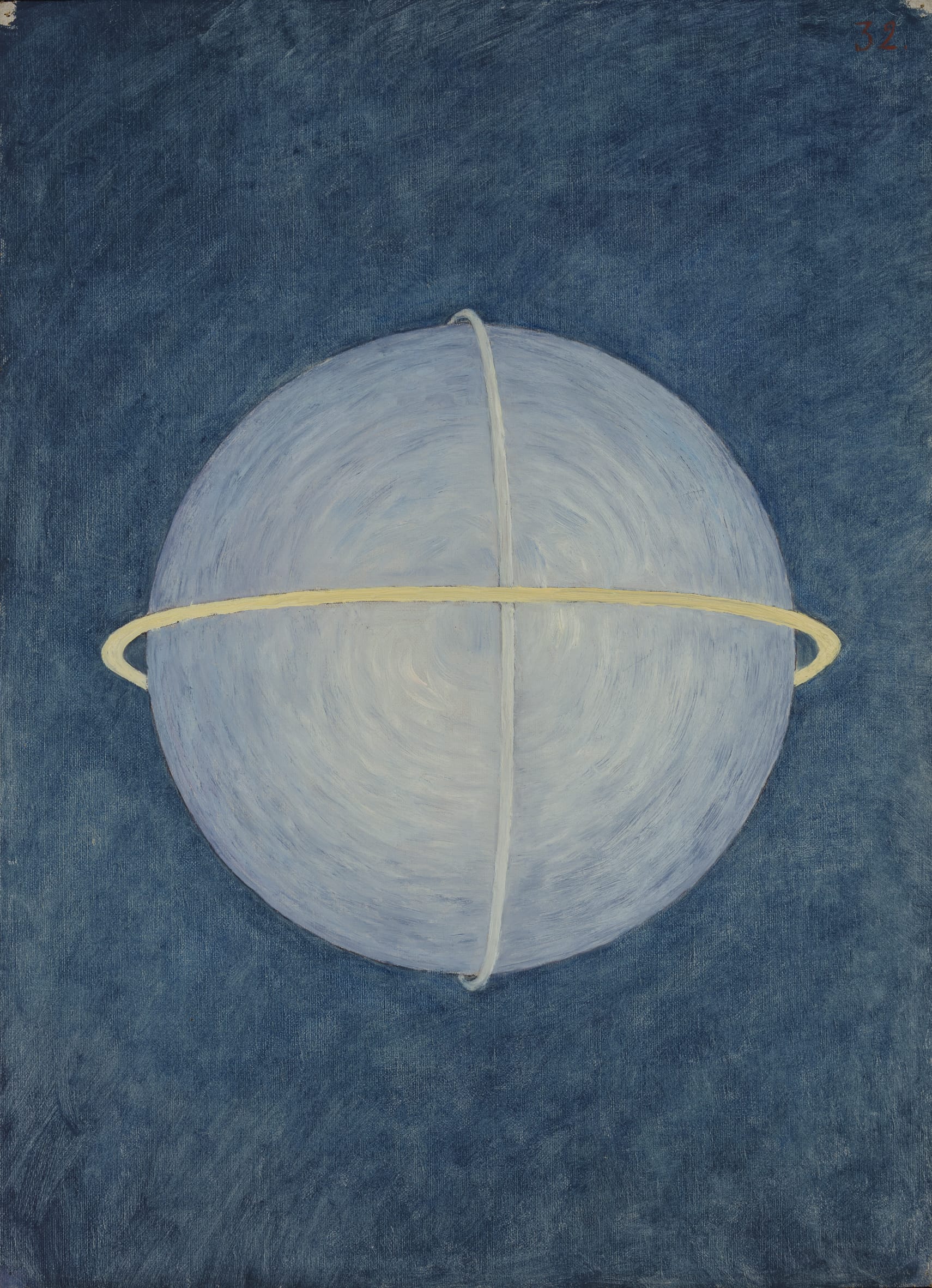
Cassel and af Klint worked together extensively, for example, as core members of what became known as The Five, a tight-knit group of Stockholm-based women artists who actively explored spiritual realms, higher dimensions, and alternative philosophies through regular seances, automatic writing, and deep meditation. This vital spirit of collaboration also comes to the fore in contemporary works such as Outi Pieski’s multi-faceted performance piece titled “Guhte gullá / Here to Hear.”
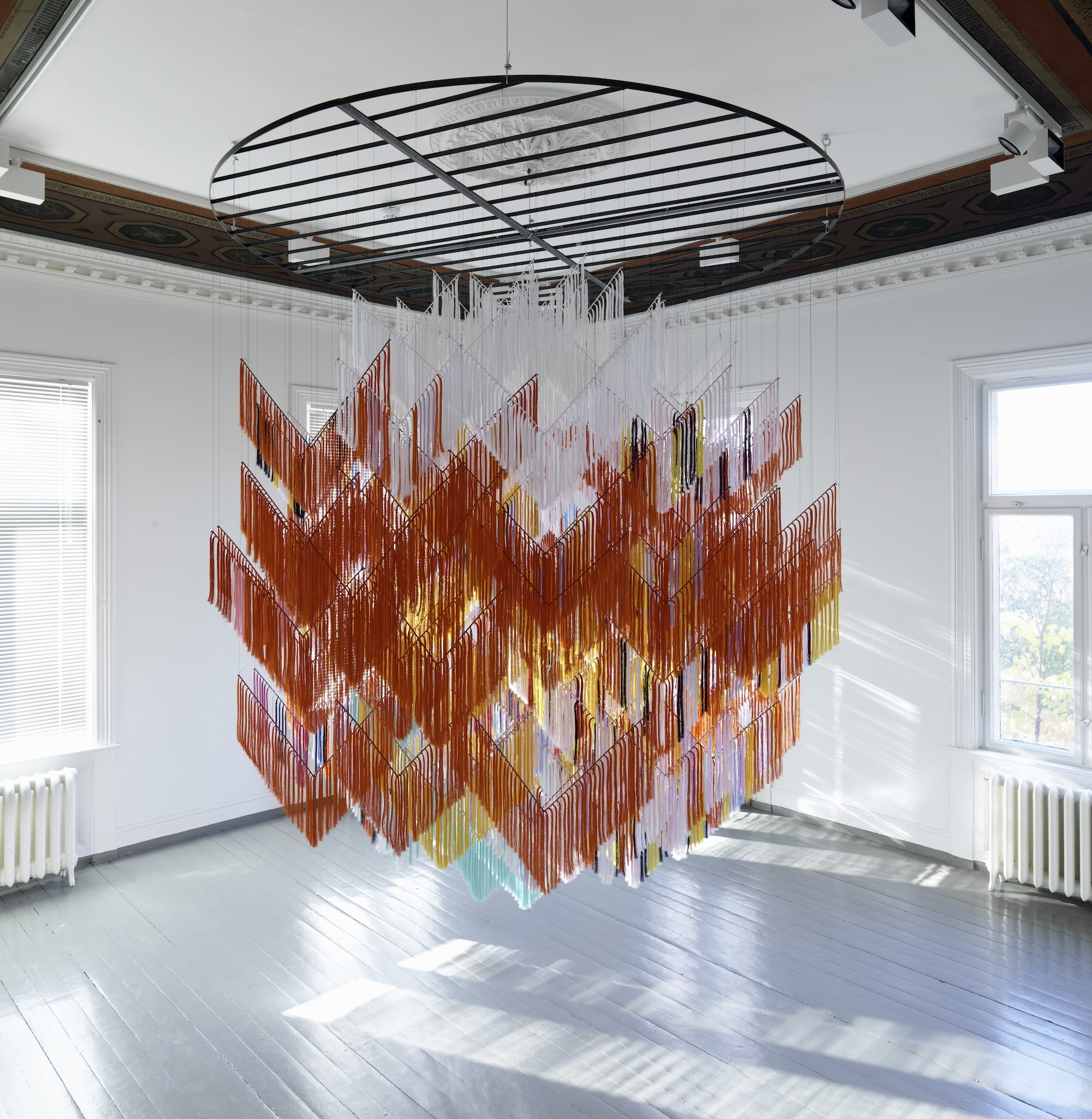
In this powerful work, Pieski collaborated closely with dancers and choreographers Biret and Gáddjá Haarla Pieski, drawing deeply on their shared Sápmi heritage and incorporating vibrant, handcrafted clothing in a striking nod to traditional Indigenous garments. The Sámi are an Indigenous people predominantly inhabiting the northern regions of Norway, Sweden, Finland, and Russia’s Kola Peninsula. Pieski’s performance directly addresses and speaks to the historical trauma inflicted by state-sponsored assimilation programs, systemic discrimination, and cultural marginalization that have persisted for centuries across the Nordic countries.
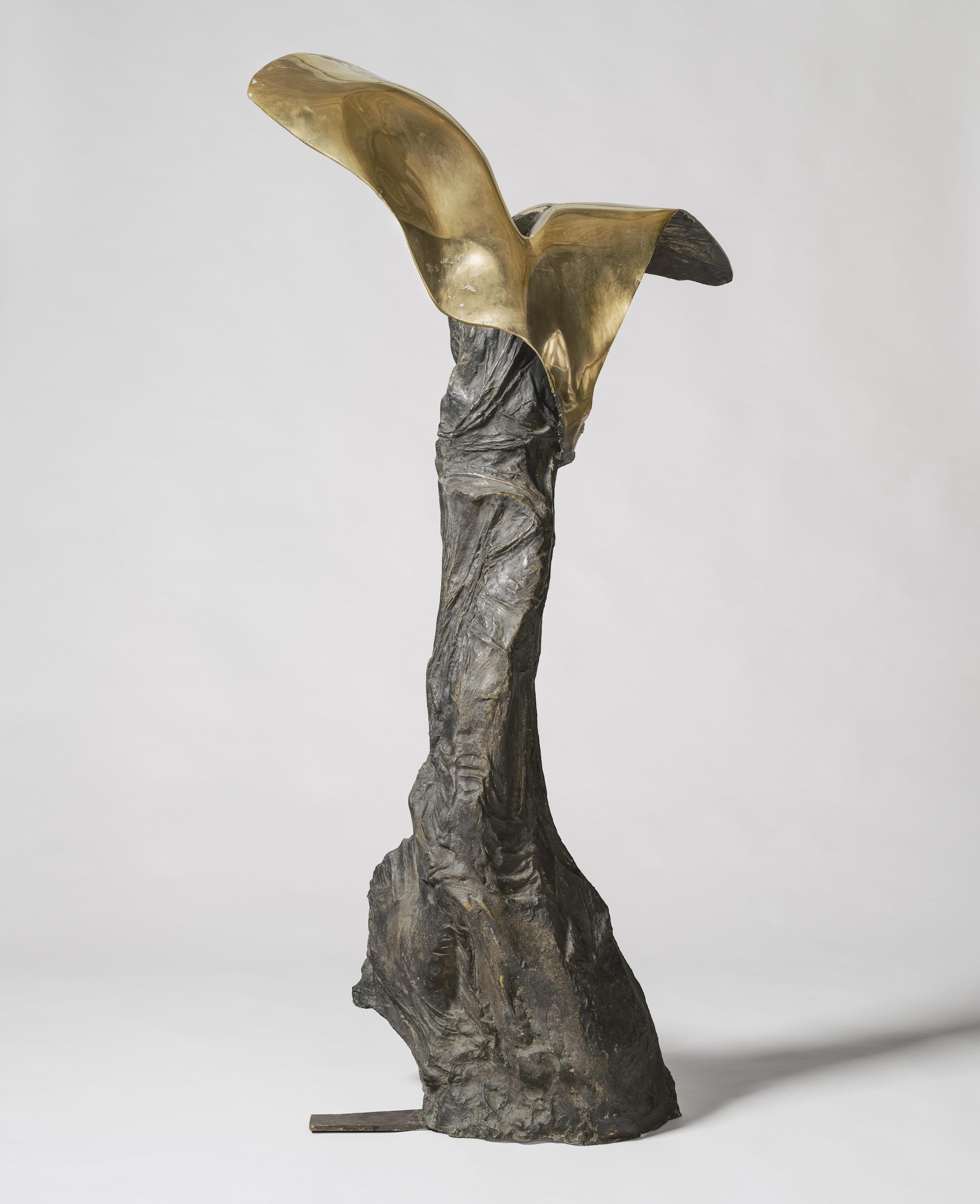
The exhibition takes its evocative title from the Latin word arcana, meaning “hidden knowledge,” and borealis, meaning “the north.” According to museum organizers, the show approaches “the North” as a dynamic, cross-border cultural and imaginative space that has historically been shaped by ancient mythology, folklore, and diverse spiritual traditions. The exhibition traces how artists across Finland, Sweden, Denmark, Norway, Iceland, and Sápmi turned toward esotericism, alternative cosmologies, meditation, and mediumistic practices to explore fundamental questions of human existence, creativity, and cultural belonging.
Arcana Borealis is scheduled to open on October 23 and will continue its run through February 28, 2027, at the Ateneum Art Museum in Helsinki. For those wishing to explore the broader cultural currents of esoteric art outside the gallery walls, the themes of the exhibition echo other contemporary explorations of mystical imagery, such as Taschen’s Tarot volume, part of the publisher’s acclaimed Library of Esoterica series.