Swedish CG studio Brickland has once again pushed the boundaries of automotive visualization in its latest campaign for the premium electric vehicle marque Polestar. Introducing the automaker’s high-end Prime equipment package, the studio crafted a stripped-down, surreal, and heavily Houdini-intensive visual treatment that reimagines how automotive design is communicated on screen. Rather than relying on traditional, hyper-realistic product showcases, the campaign treats the very gestures behind the car’s creation as the core narrative, seamlessly blending industrial engineering with abstract motion art.
Led by creative directors Kajsa Blomberg and Ragnar Leuchovius, the project bridges the gap between automotive design, pure abstraction, and time-based motion. The overarching creative concept was inspired by a very simple, analog act: drawing a single line on a blank canvas. Those initial, intuitive strokes served as the foundation for an expansive visual language where the precisely engineered, aerodynamic surfaces of the Polestar 2 stretch, sweep, and eventually dissolve into vibrant fields of color.

In the resulting films and stills, the vehicle exists in a constant state of metamorphosis. At times, the car is presented with crisp clarity, showcasing the meticulous craftsmanship of the Polestar brand. Moments later, its physical surfaces break free from the product entirely, abandoning literal representation to become something closer to a moving sculpture. This deliberate tension between the raw, human intuition of a designer’s first sketch and the cold, exact precision of a finished production automobile forms the emotional and aesthetic anchor of the campaign.
Achieving this fluid, dreamlike state required an immense technical undertaking. According to Oscar Forsman, a Houdini artist at Brickland, the studio had to build specialized pipelines from scratch to manage the complex transitions seen throughout the campaign. To maintain strict artistic control over chaotic fluid and surface simulations, the team developed a series of custom Houdini setups that allowed them to art direct the physics through structured still sequences.

This methodology demanded a deeply iterative workflow that blurred the lines between technical development and visual exploration. Forsman notes that the team spent significantly longer than usual moving back and forth between technical problem-solving and pure aesthetic refinement. Each stage of the pipeline directly informed the next, creating a feedback loop where artists could continually return to the original composition to fine-tune underlying shapes, directional vectors, and timing without breaking the overarching visual continuity.
Behind the Scenes: The R&D Process
To shed light on the rigorous technical hurdles overcome during production, Brickland also released an extensive Research and Development (R&D) reel alongside the primary campaign assets. The behind-the-scenes footage reveals the intricate mechanics behind the transformations, showcasing early-stage wireframe simulations, particle dynamics, and stress tests that eventually culminated in the final polished look.
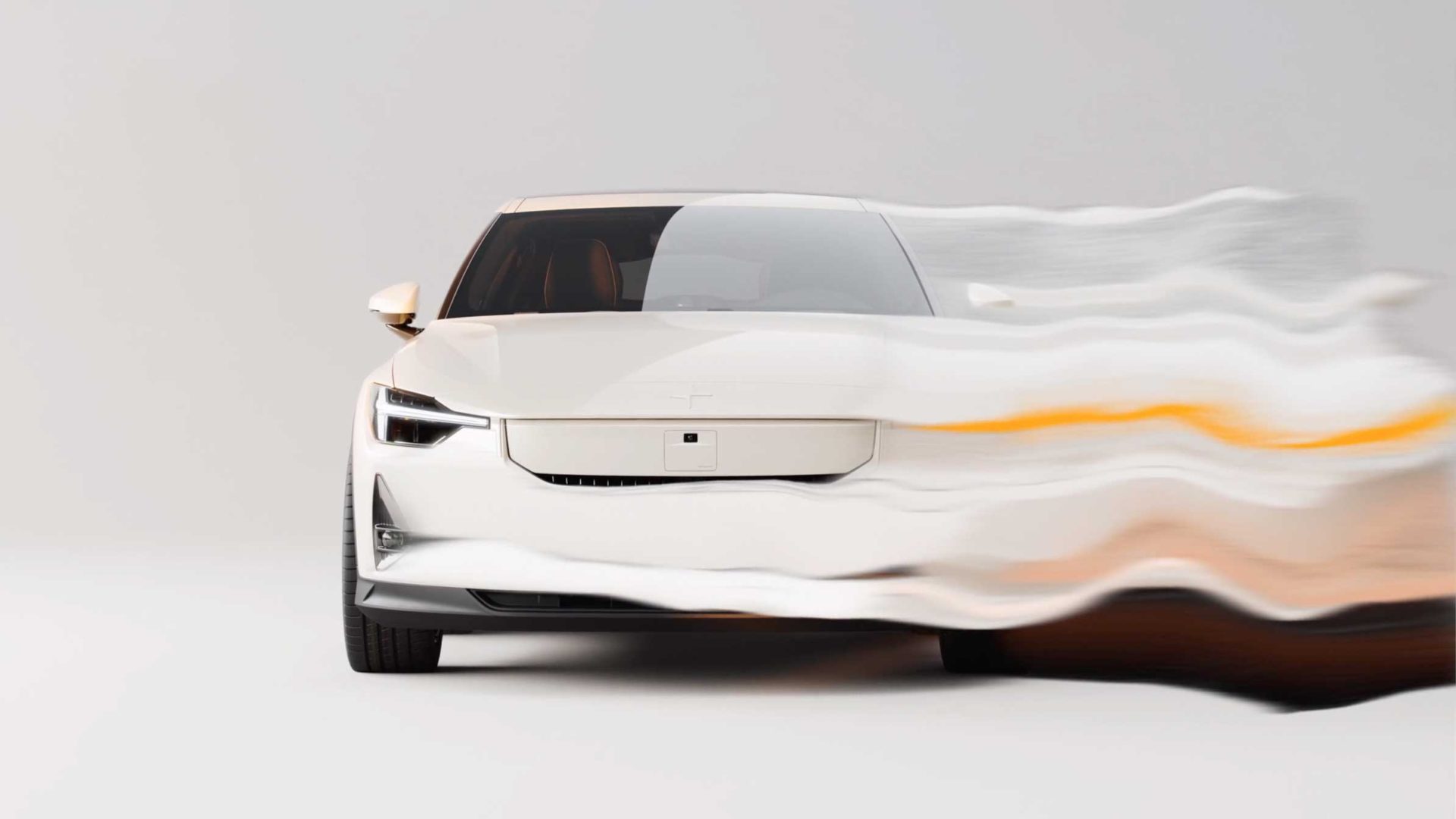
The R&D phase underscores the heavy reliance on Houdini’s procedural architecture, which enabled the studio to treat the Polestar 2’s geometry not as a static CAD model, but as a malleable, reactive canvas. By manipulating surface normals, velocity fields, and custom deformers, the artists could pull structural lines outward into space, creating the signature trailing motion-blur effects that define the visual style of the Prime package campaign.
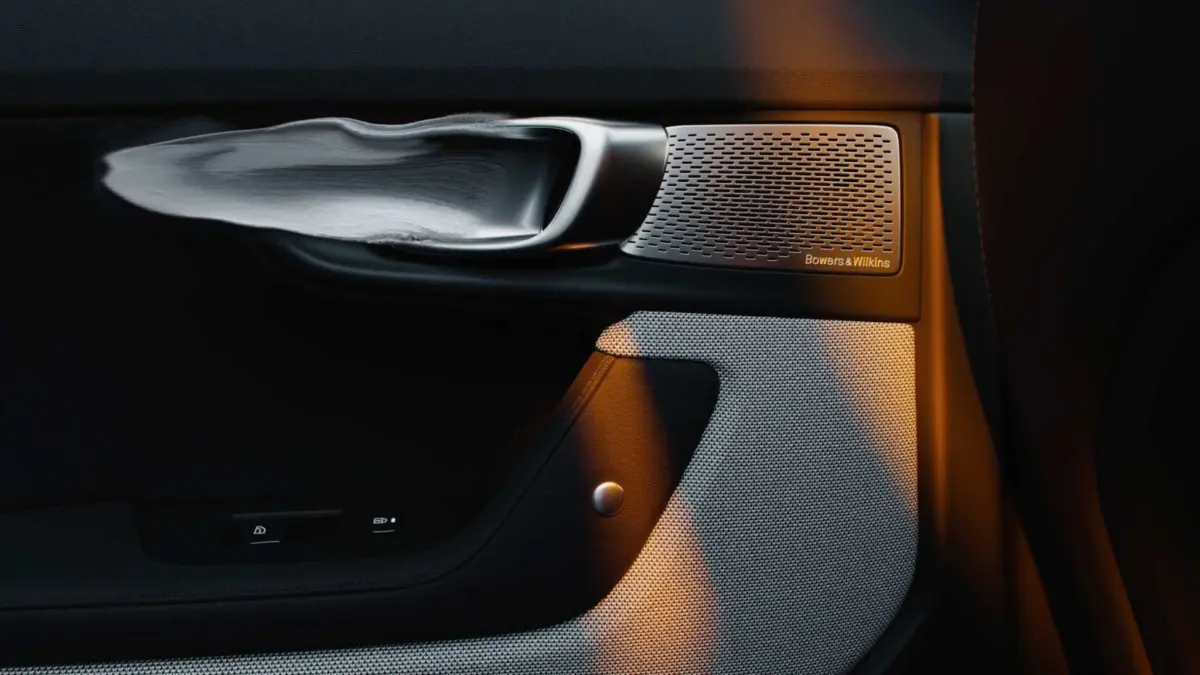
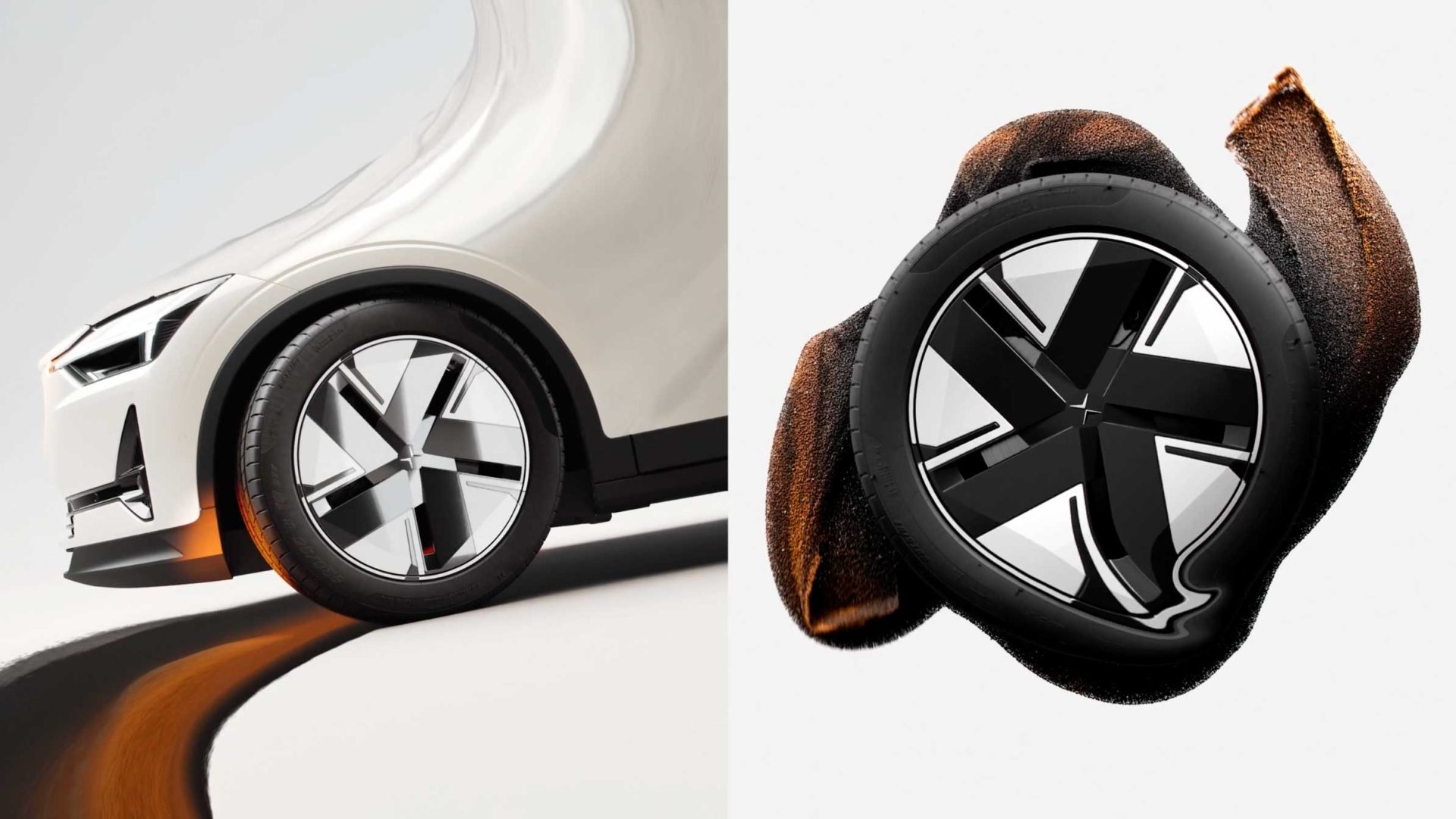
Complementing the mesmerizing motion work is a precise attention to product detail, highlighted across a series of striking stills. The imagery captures the nuances of the Polestar Prime package, ranging from crisp front-three-quarter views of the vehicle—where the right side dissolves into atmospheric motion blur—to macro shots of the unique black, stylized five-spoke wheels. Additional frames focus on the tactile luxury of the interior, highlighting elements like metallic door handles, precision-crafted window controls, and Bowers & Wilkins speaker grilles, alongside tight close-ups of the rear taillights trailing abstract, brushstroke-like red light effects.
Production Credits
The realization of the Polestar Prime campaign was a collaborative effort involving several specialized creative studios and independent artists.
The project was produced entirely by Brickland, with creative direction spearheaded by Ragnar Leuchovius and Kajsa Blomberg. The core CGI execution was handled internally by Brickland, with supplementary CGI support provided by Bureau Klaus Alman. High-end digital retouching to ensure absolute fidelity across all still assets was managed by Sugarhouse, while the atmospheric sonic landscape and musical composition were crafted by artist Lisa Nordström.