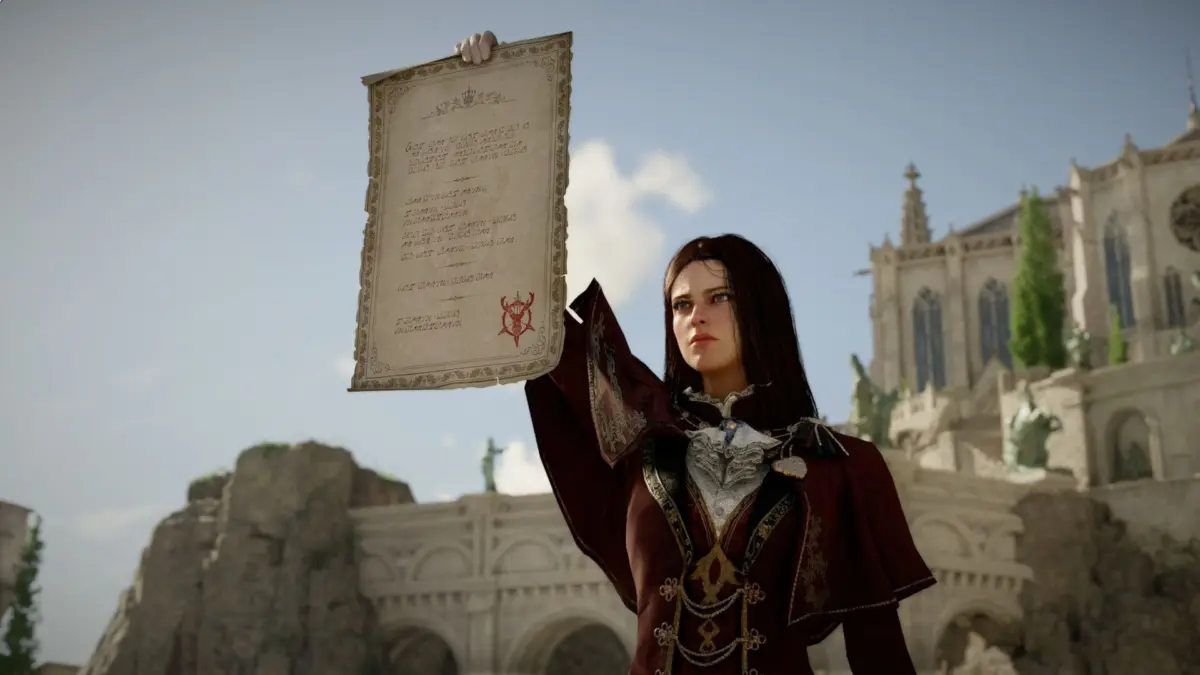
Developer Pearl Abyss has addressed the critical reception surrounding the launch of Crimson Desert, arguing that reviewers were placed at a distinct disadvantage due to playing an early build and operating under restricted time constraints. In recent comments addressing the game’s commercial and critical performance, representatives for the studio pointed out that the core charm of Crimson Desert is woven intricately into the vast, open-ended nature of its game world. According to the studio, critics simply did not have a fair or sufficient opportunity to fully explore and experience the myriad hidden details and systemic depth scattered across the landscape during their initial review periods.
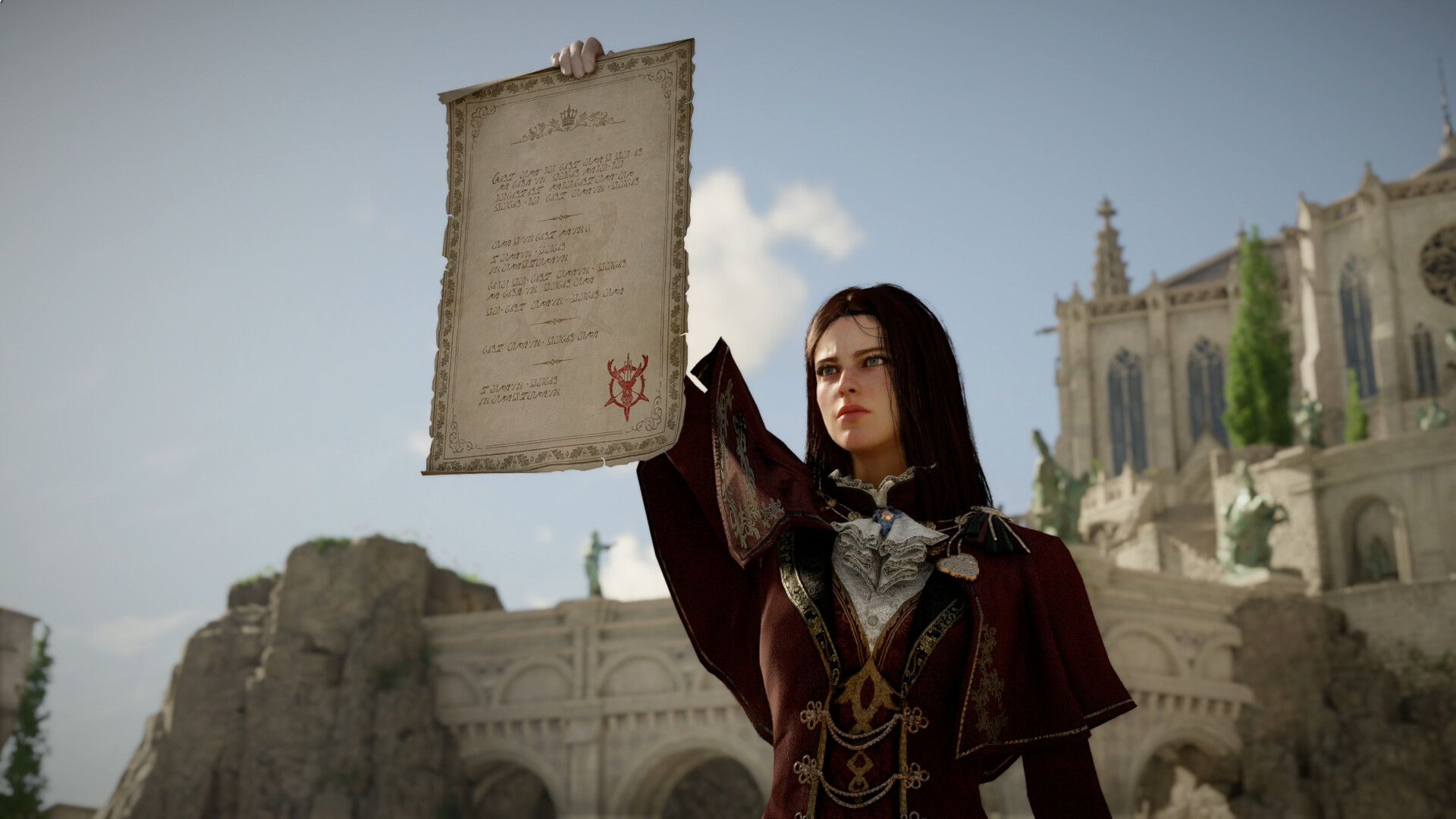
The discussion highlights an ongoing challenge in modern game development and criticism, where massive open-world titles featuring deeply intertwined mechanics are routinely evaluated under compressed timelines prior to release. In the case of Crimson Desert, reviewers encountered a dense and occasionally overwhelming tapestry of systems that required considerable time to unpack. Pearl Abyss’s perspective sheds light on the friction that can occur when a sprawling digital world meets the fast-paced demands of editorial review cycles, particularly when day-one patches and subsequent updates rapidly alter the baseline player experience.
For publications like PC Gamer, whose review of Crimson Desert resulted in a solid score of 80—denoting a great game with exceptional moments, touches of brilliance, and genuine appeal—the post-launch reality has been defined by an extraordinarily rapid cadence of developer interventions. Reviewers and staff noted that the state of the game at launch was vastly different from what players encountered even a few weeks later, largely due to Pearl Abyss’s aggressive post-release support and willingness to implement community feedback almost in real-time.
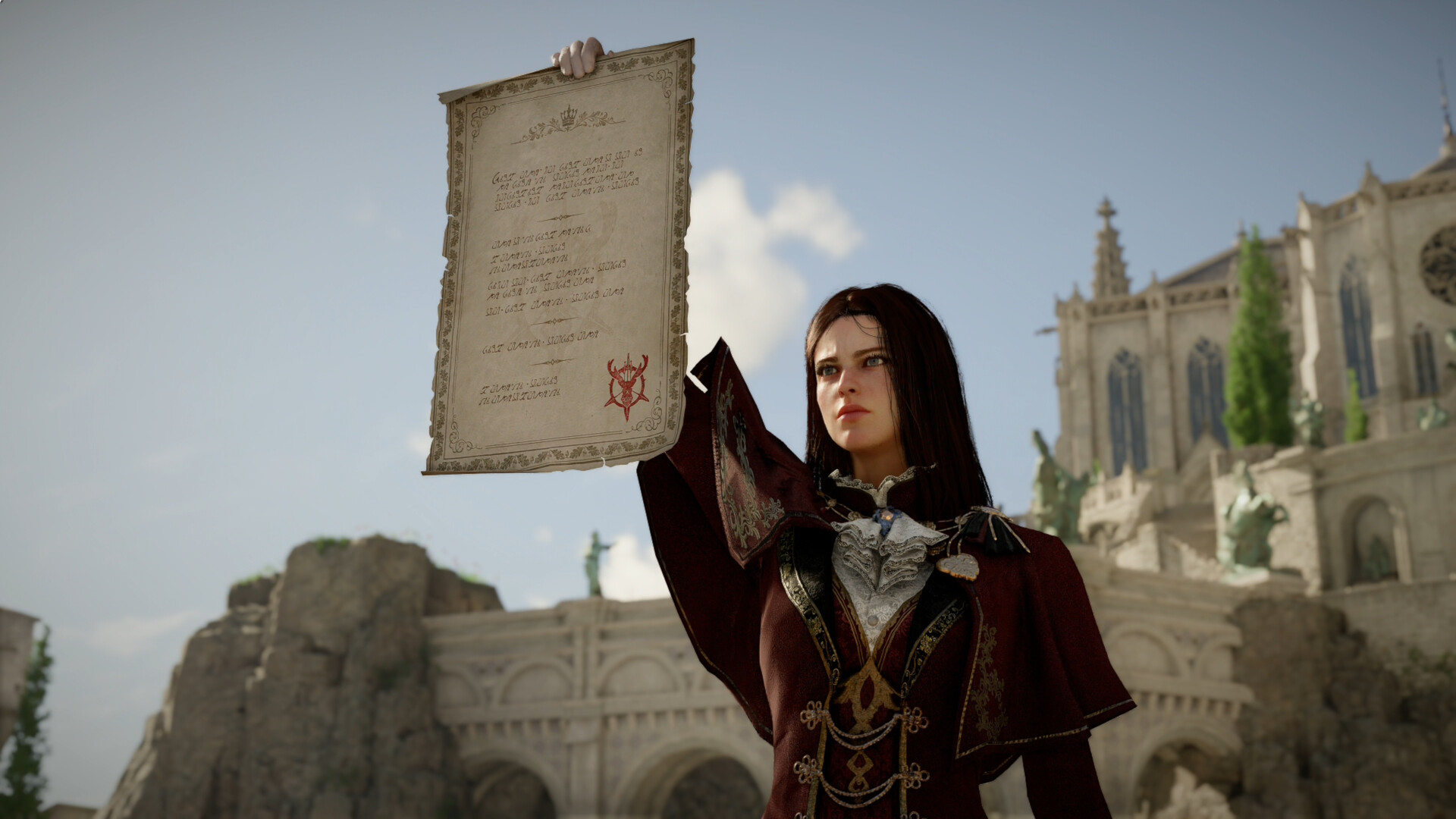
As an example of this swift iterative process, critics pointed to early pain points regarding inventory management. At launch, reviewers explicitly complained about a frustrating lack of convenient storage options within the game. Remarkably, just four days after the game hit shelves, Pearl Abyss deployed a patch that introduced private storage chests. When players subsequently voiced complaints regarding the specific placement of those chests, the development team relocated them to more accessible areas within another few days. This blistering pace of updates has continued into subsequent major patches, most notably the expansive 2.0 updates.
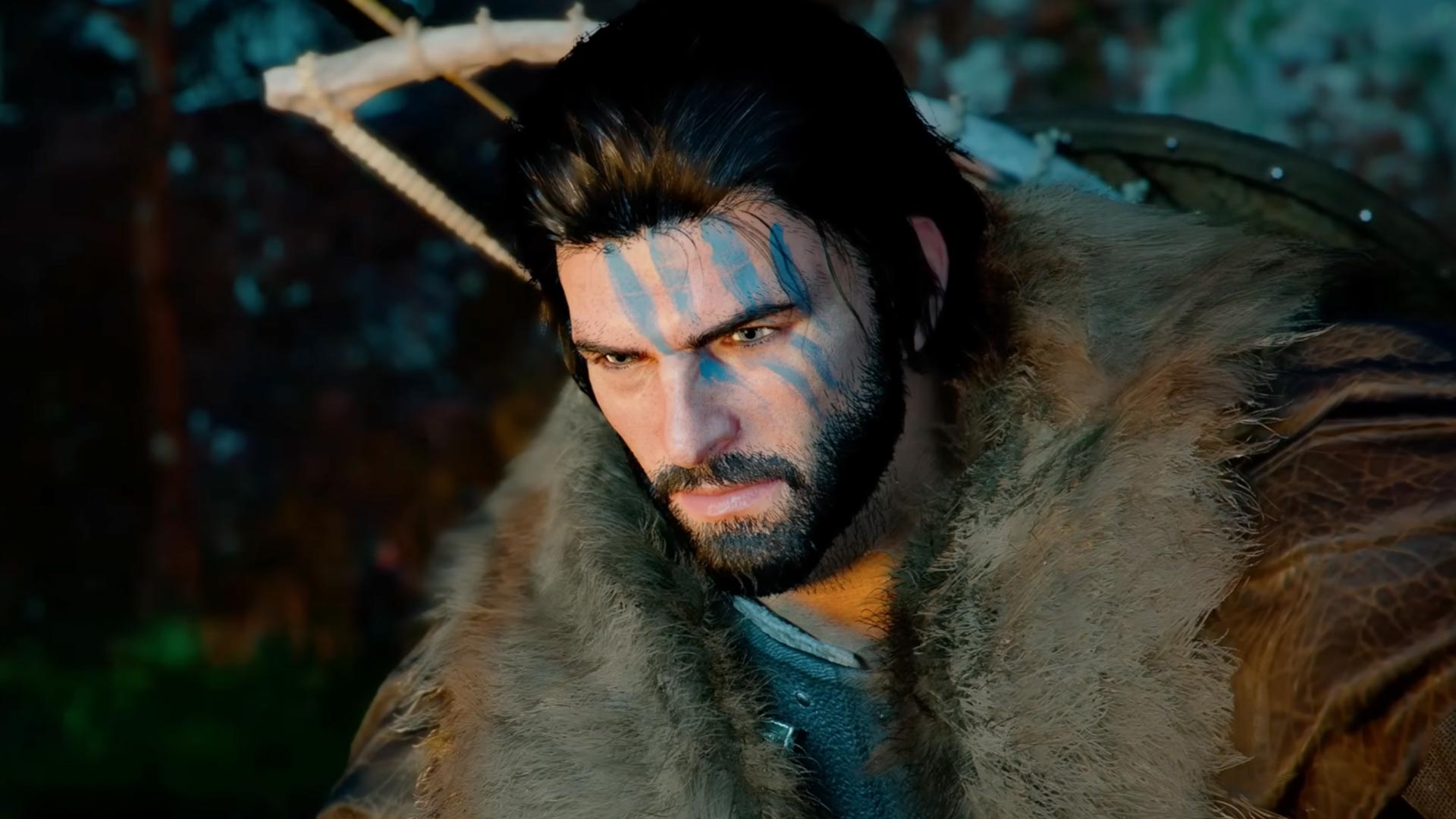
The 2.0 updates brought sweeping changes to the core narrative and character presentation, serving as a direct response to early criticisms that the story felt underbaked or disjointed. Most surprisingly, these updates made a concerted effort to flesh out the protagonist, Kliff, transforming him into a more fully realized character equipped with explicit thoughts, opinions, and emotional depth. While these narrative adjustments were largely welcomed by players looking for stronger storytelling anchors, they arrived alongside an already formidable stack of complex gameplay systems that could easily induce analysis paralysis for newcomers.
Even prior to these major updates, Crimson Desert launched with an exhaustive array of activities and mechanics that challenged players to master everything from camp management and minigames to pet loyalty systems, collection mechanics, transmogrification, market manipulation, banking, cooking, fishing, mount collection, and bounty hunting. The sheer volume of concurrent systems has polarized observers. While some critics and players found the density chaotic and unfocused, others embraced the sheer unpredictability of the design. Members of the gaming press have noted that the game’s sprawling, chaotic nature is precisely what makes it compelling—arguing that Crimson Desert succeeds precisely because it is a total mess rather than in spite of it, expressing hope that Pearl Abyss would not dilute its eccentric identity too drastically through subsequent homogenization.
This divergence in taste underscores the unique identity Pearl Abyss has carved out with the title. What one player experiences as structural clutter, another views as an endless sandbox of emergent possibilities. Because the development team continues to iterate at such a relentless speed, the version of Crimson Desert available to players today bears significant differences from the build evaluated by critics at launch. Given the current trajectory of updates, industry observers anticipate that the game will continue to evolve dramatically over the coming year, introducing further layers of systemic complexity to an already overflowing virtual world.