“A wealth of information creates a poverty of attention,” economist and computer scientist Herbert Simon warned back in 1971, diagnosing a cognitive vulnerability long before the advent of smartphones, social media feeds, and algorithmic content delivery. In our contemporary era of digital overload, Simon’s observation feels increasingly urgent—and ironically, increasingly difficult to heed. Too often, modern life forces individuals into a state of perpetual distraction. People look down at screens for hours on end, or glance at their immediate surroundings just briefly enough to snap a quick photograph for digital consumption before hurriedly moving on to the next destination or task.
Amid this relentless pace of modern existence, photographer Jonathan Knight has chosen to look in the opposite direction. Captivated instead by quiet moments, the subtle beauty found in stillness, and the gentle, gradual environmental changes that require genuine time to fully appreciate, Knight has developed a distinctive visual language. Known for his ethereal and minimalist images, the photographer and artist conceived of his latest body of work, Exhale, as a deliberate way to explore the delicate nuances of color and what he describes as “the emotional experience of looking.”
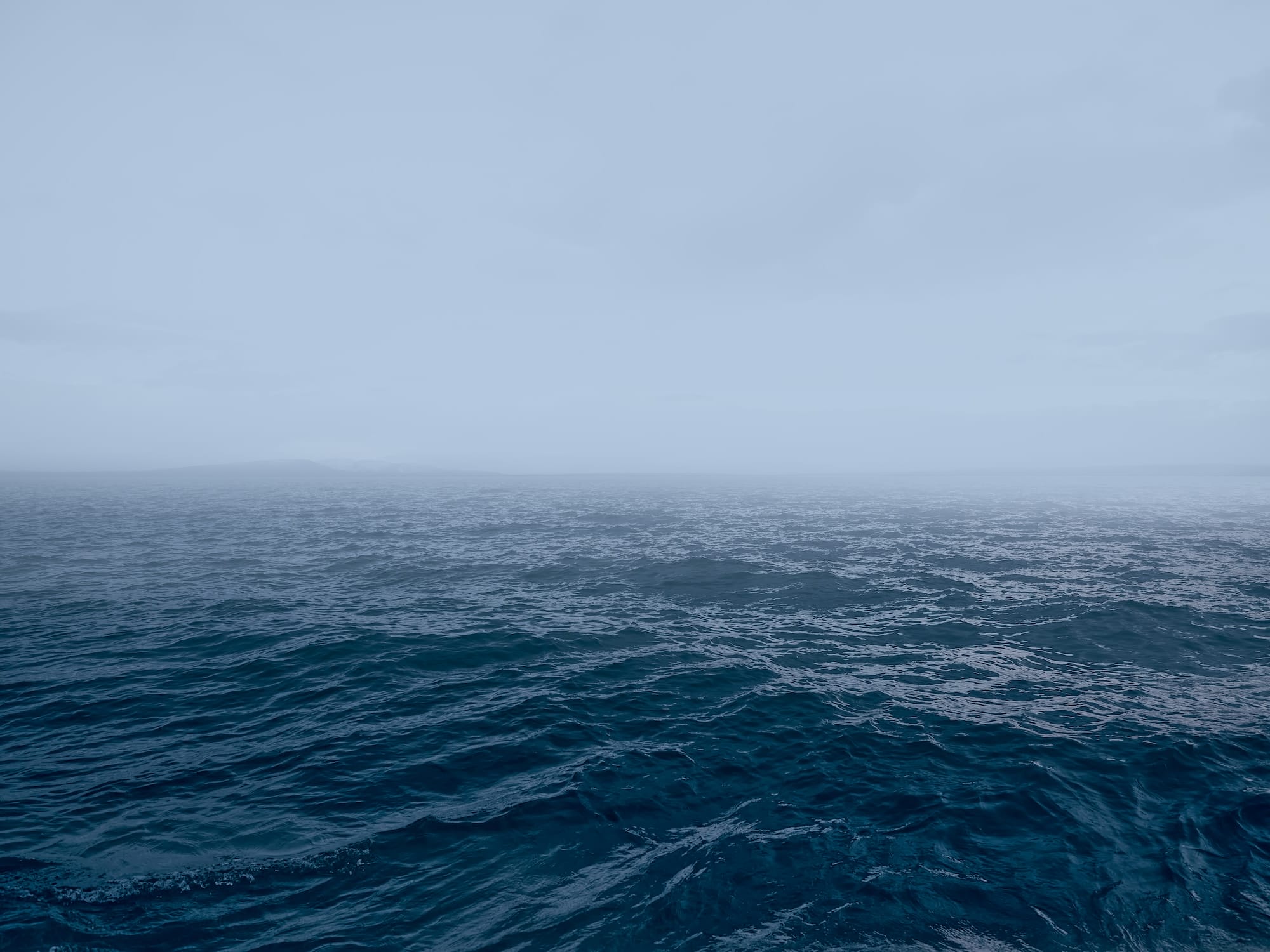
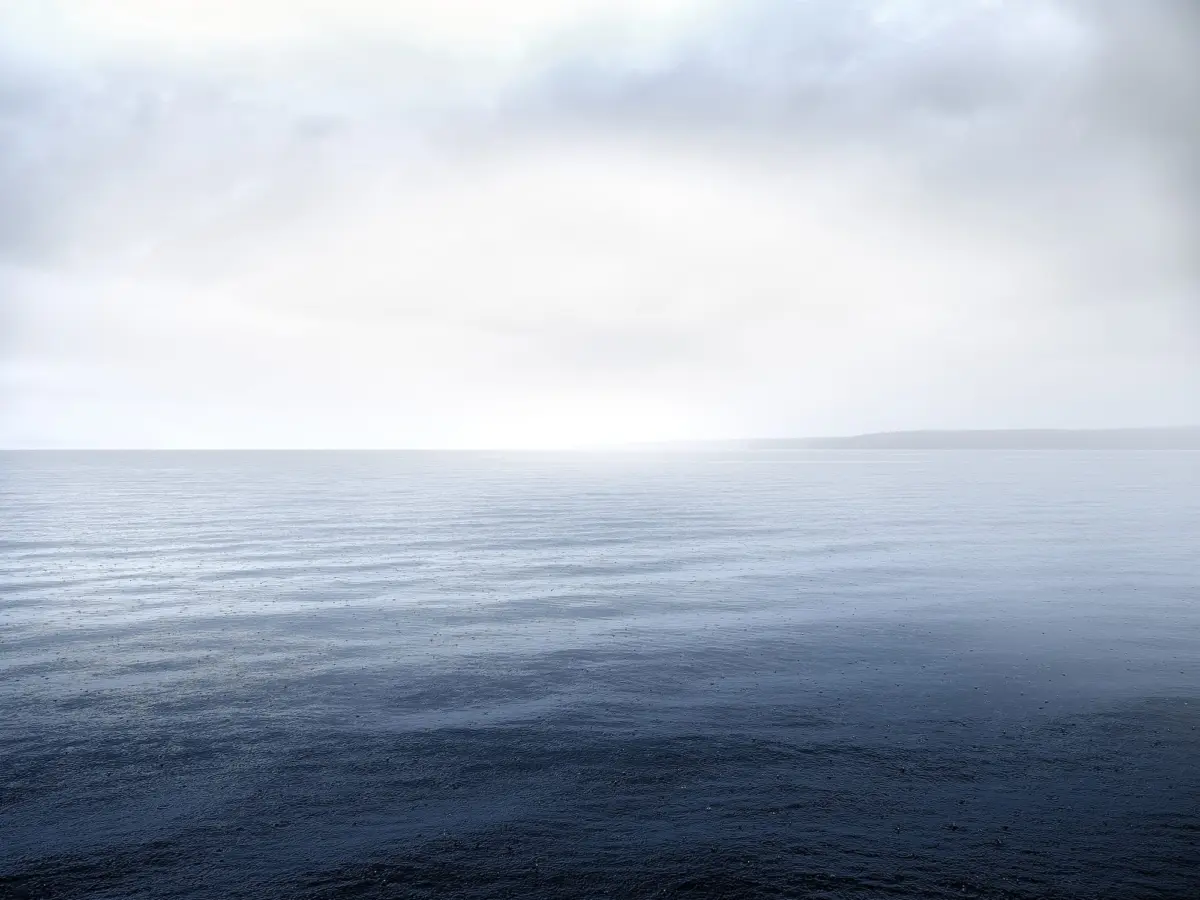
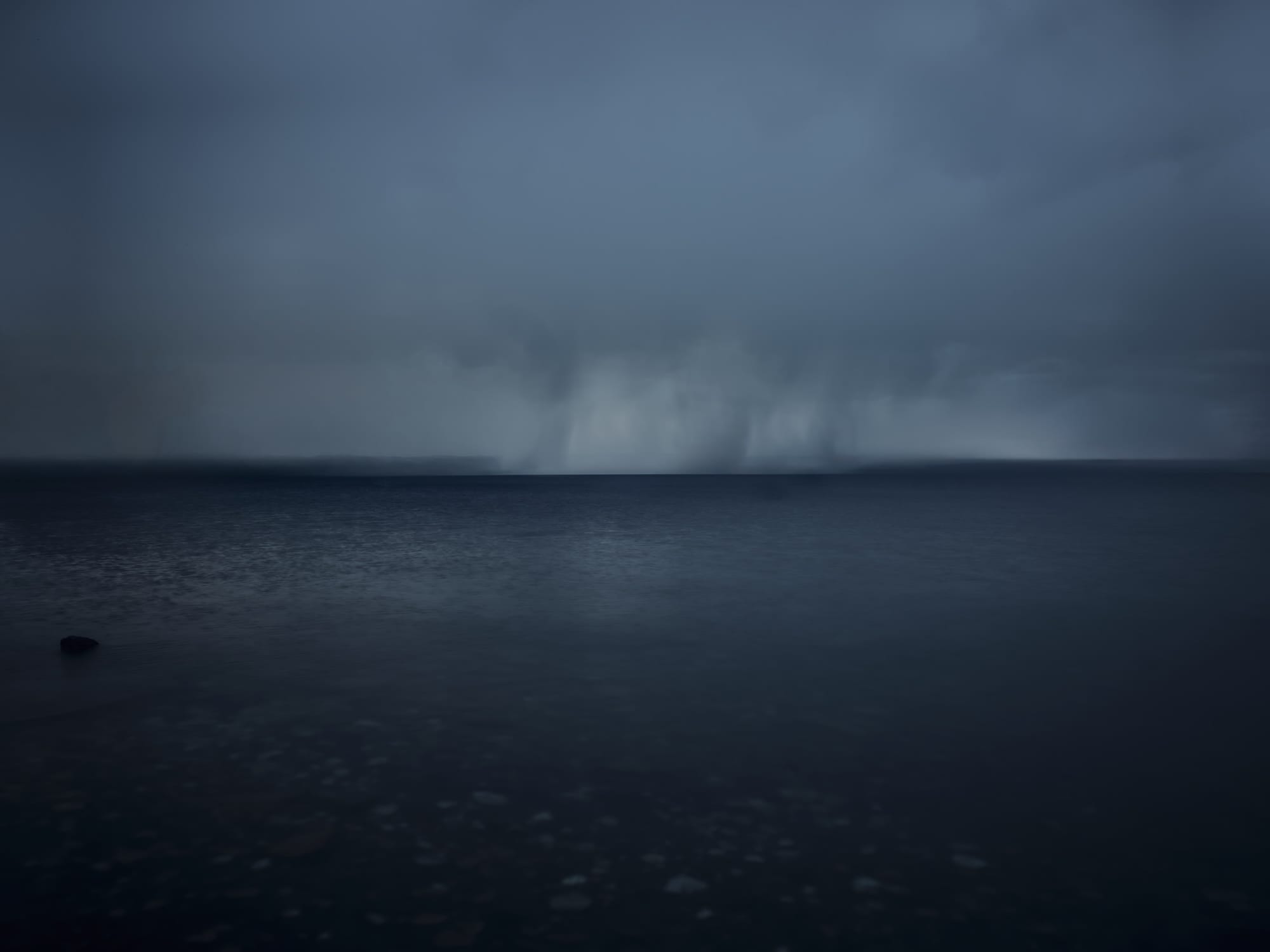
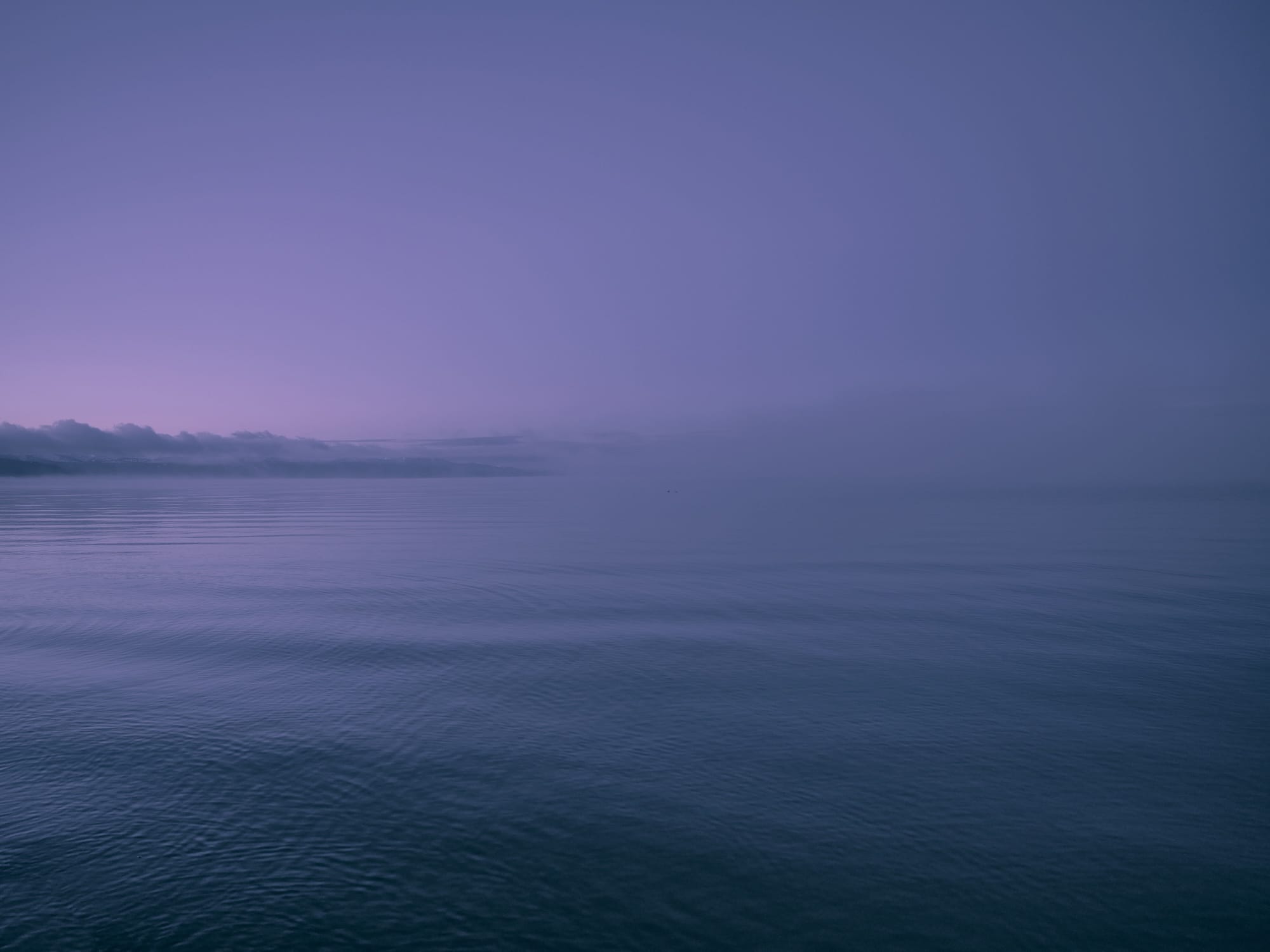
At first glance, the photographs that comprise Exhale appear to be straightforward studies of open bodies of water. Yet, upon closer inspection, it becomes more apt to describe them as portraits of pure atmosphere. In these expansive compositions, clear skies brimming with distant stars gently complement misty, fog-shrouded mornings, while heavy, low-hanging clouds yield a soft, billowing release of rain across the surface of the water. Each frame serves as a study in atmospheric shift, capturing temporal transitions that are usually overlooked by individuals rushing through their daily routines.
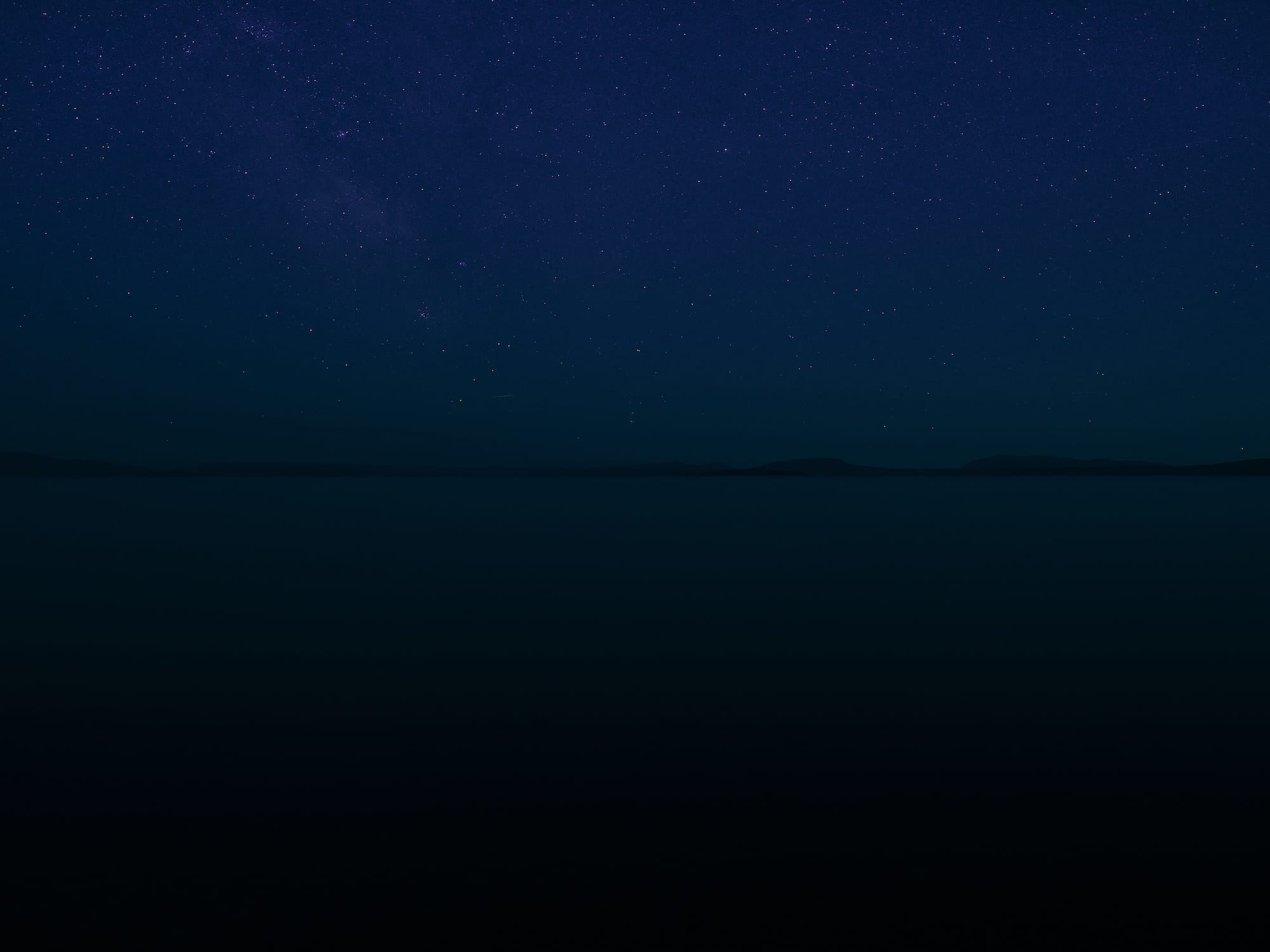
The philosophical foundation of the project traces back to Knight’s professional and academic roots. “The project grew out of my background in both photojournalism and landscape architecture, and from thinking about how we experience landscapes differently when we stop trying to document them and simply spend time with them,” Knight explains in his artist statement. By blending the documentary instincts of photojournalism with the spatial sensitivity of landscape architecture, Knight bridges the gap between recording a scene and genuinely inhabiting it.
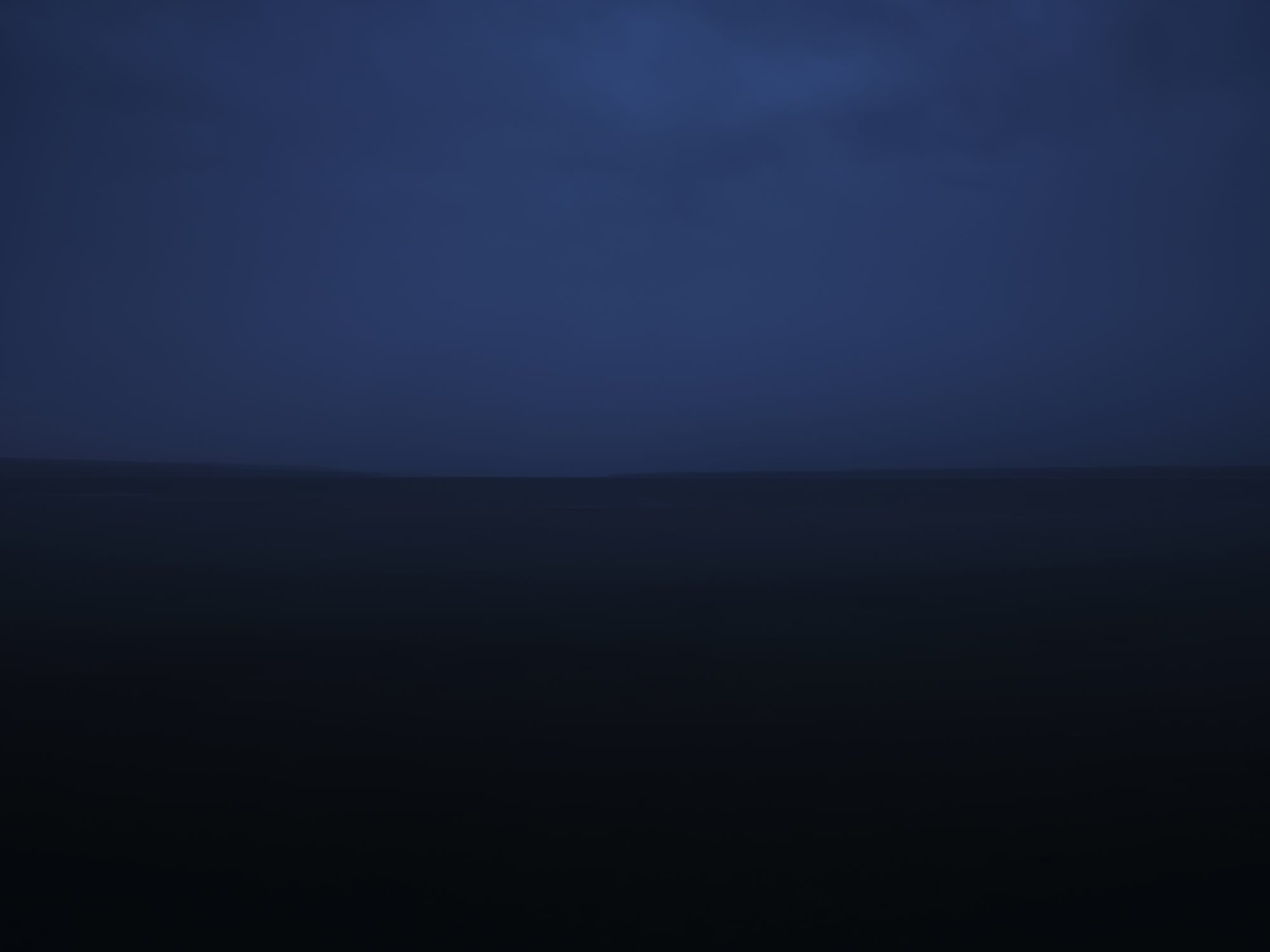
This synthesis of disciplines brings to light a deeper philosophical inquiry, particularly regarding the tools used to capture the natural world. Knight points out that there is a profound technological tension at the heart of his creative practice. Contemporary society now operates firmly within a culture of instantaneous image-making, computational photography, artificial intelligence-generated imagery, and endless visual consumption. Smartphones and digital cameras are engineered to capture the world in fractions of a second, stripping away the friction of traditional image creation and replacing it with instant gratification.
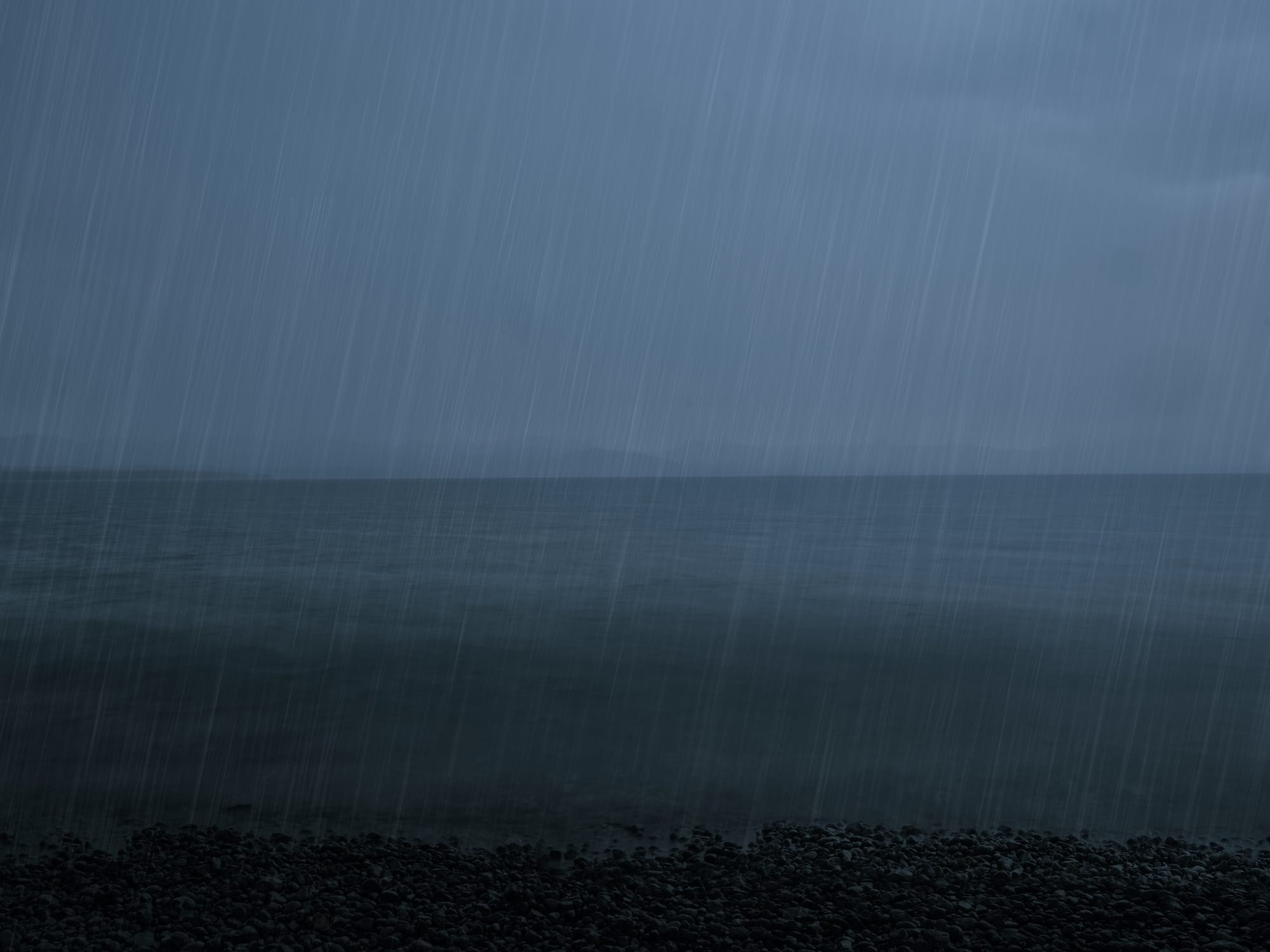
Yet, in a paradoxical twist, Knight is deliberately utilizing photographic technology to achieve the exact opposite effect. Rather than leaning into the speed and automation of modern cameras, he employs his technical tools to slow the photographic process down. The resulting images are meticulously crafted to resist immediate consumption. They refuse to yield their secrets to a casual scroll or a hurried glance, demanding instead that the viewer pause, linger, and engage with the visual data over an extended duration.
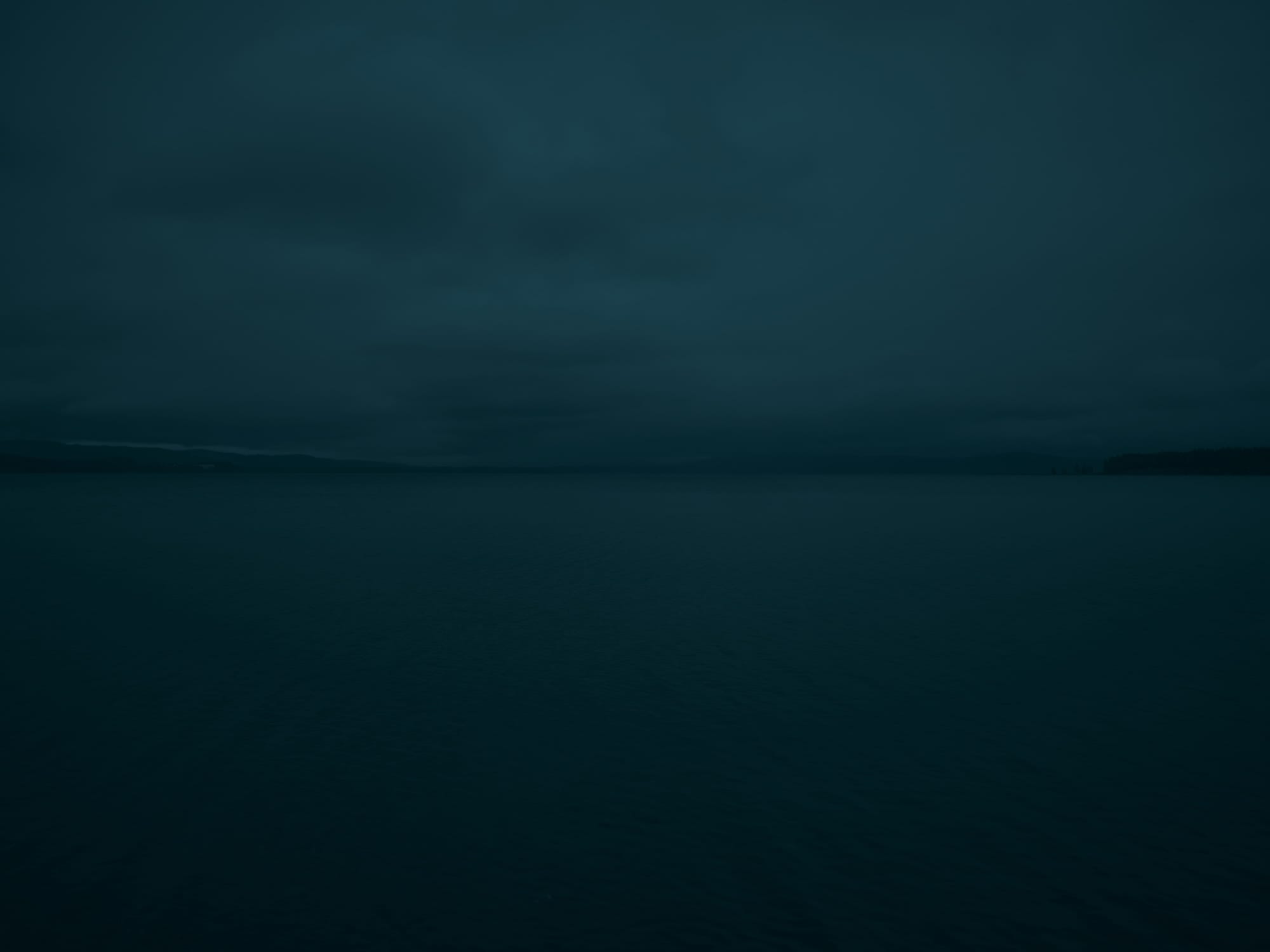
This deliberate resistance manifests as a distinct sense of visual restraint throughout the series. The photographs are notably devoid of flashiness, dramatic spectacles, or defining high-impact events. Instead, they embrace an aesthetic of the mundane and the quiet, focusing on seemingly uneventful expanses where water meets sky under shifting meteorological conditions. This absence of traditional visual drama acts as an open invitation to the viewer. Through the use of long exposures—both in terms of the camera settings utilized to create the images and the psychological act of looking itself—Exhale gently invites audiences to practice the art of noticing.
In a media ecosystem saturated with visual noise, high-contrast saturation, and attention-grabbing gimmicks, Knight’s minimalist approach offers a restorative alternative. By transforming quiet, ordinary moments into expansive atmospheric studies, the photographer encourages a return to intentional observation. For those wishing to explore the breadth of the Exhale series and follow Knight’s ongoing photographic explorations, additional images and project updates can be found on his official Instagram profile.