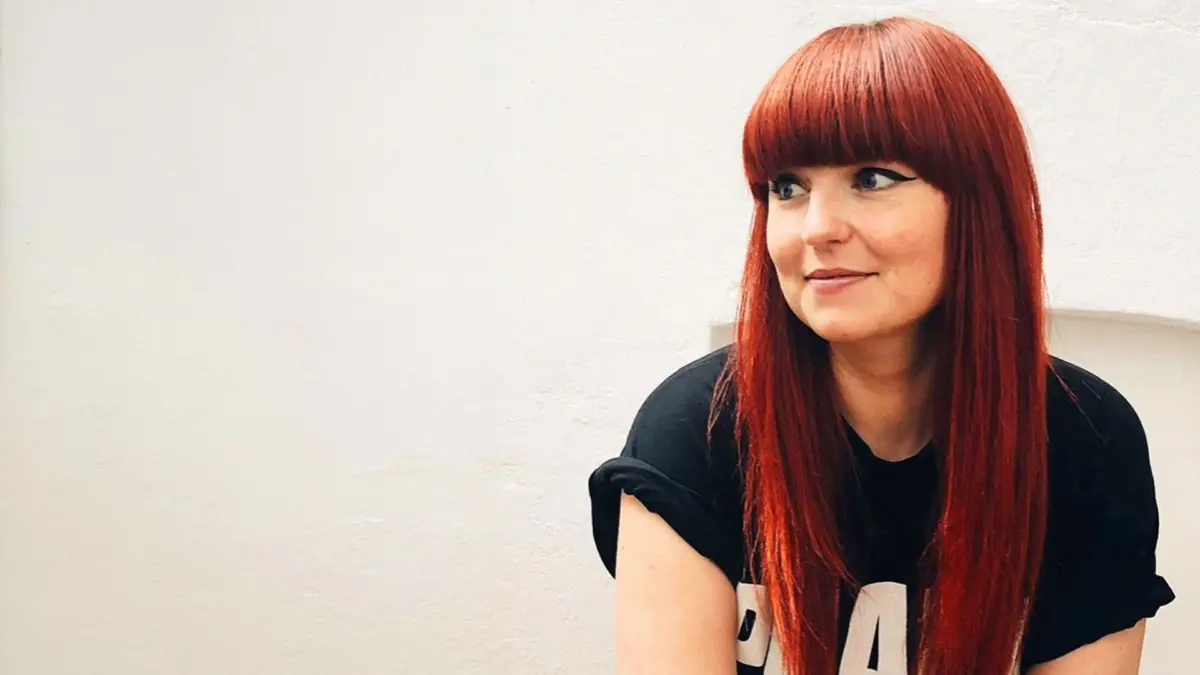
In the fast-evolving landscape of global brand design, creating work that resonates requires a balance of strategic precision, human intuition, and an willingness to challenge established norms. As Executive Creative Director at Pearlfisher—a strategy-first brand design agency dedicated to building "irresistible human connection"—Chloë Templeman stands at the forefront of this creative standard.
Originally hailing from Scotland, Templeman built her career over 17 years within London’s top design agencies, shaping visual identity and brand strategy for world-renowned names such as Fortnum & Mason, Diageo, and Unilever. Beyond her agency leadership, she maintains a dedicated commitment to mentorship across multiple industry initiatives, actively working to cultivate emerging talent and support more women as they navigate pathways into executive creative leadership.
In a wide-ranging discussion reflecting on career milestones, industry shifts, and the realities of design leadership, Templeman offers key insights into the modern design ecosystem. She addresses the paradoxical appeal of anti-design, the personal hurdles of overcoming imposter syndrome in top leadership positions, the pitfalls of relying on artificial intelligence for creative evaluation, and the all-consuming nature of a life centered on creative output.
The Nostalgic Appeal of Anti-Design and Intentional Chaos
What’s the ugliest object or design trend you secretly love?
While high-end brand design often strives for pristine typography and refined visual harmony, Templeman acknowledges a growing fascination with aesthetics that intentionally subvert conventional rules. Specifically, she finds herself drawn to the burgeoning movement of anti-design—a trend that embraces visual discord to make a memorable statement.
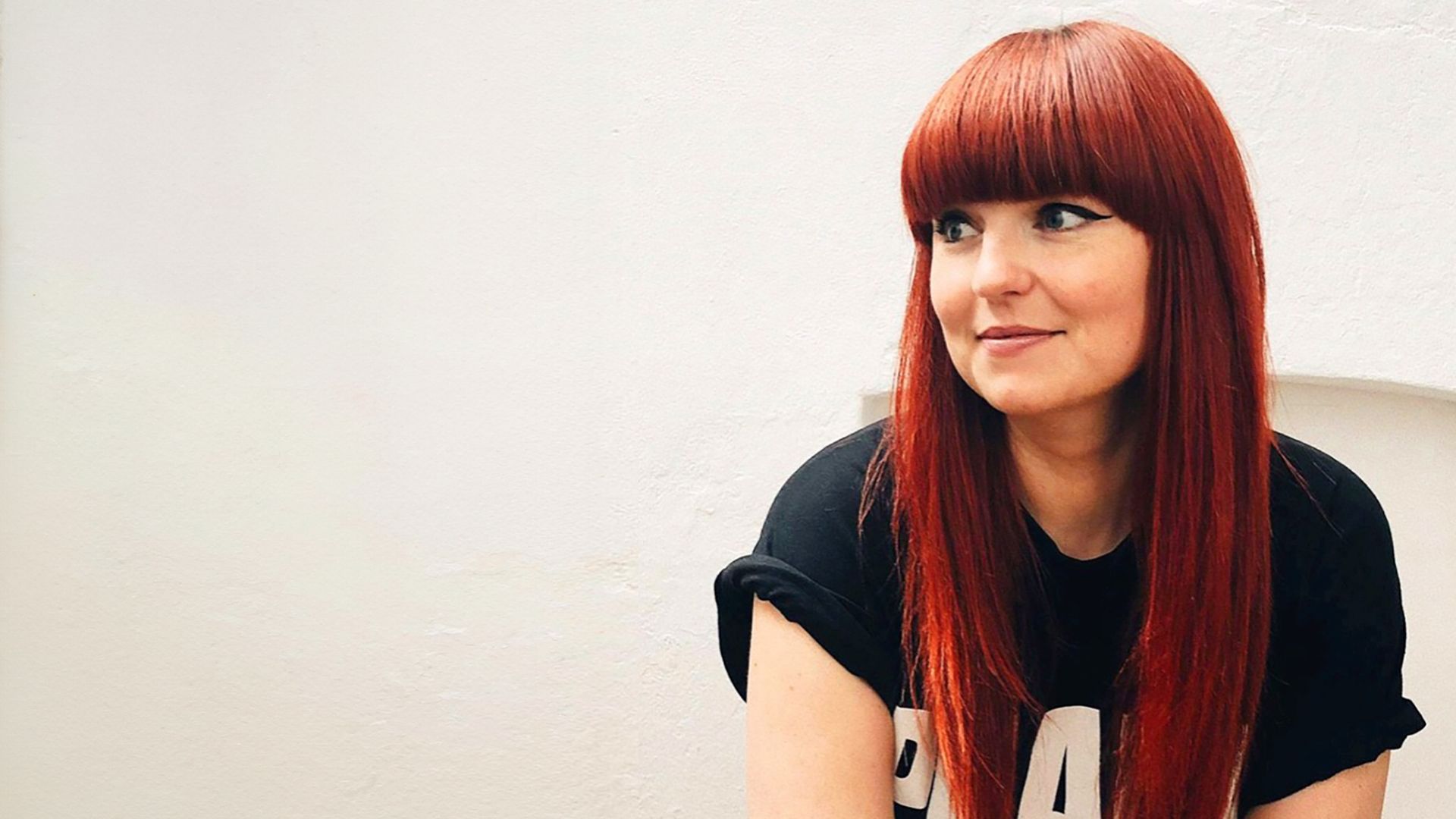
"I’m increasingly drawn to the deliberate ‘so bad it’s good’ design trend," Templeman explains. "I am seeing a resurgence of anti-design, clumsy typography, clashing colour palettes, bad font choices and layouts that break every traditional rule until they somehow right themselves again. It is an unapologetic revival of lo-fi graphics with delightfully cringeworthy clip art that transports me straight back to the early nineties and being ten years old, blindly tinkering on MS Paint."
For Templeman, this rejection of sleek polish offers something distinct in a saturated digital landscape: genuine playfulness and evocative nostalgia. By leaning into deliberately unrefined aesthetics, designers can break through the visual homogeneity that often dominates commercial branding. However, executing this style successfully requires a high level of technical understanding and strategic discipline.
"There’s a real charm in this intentional chaos that makes me smile," she notes. "By pushing objectively bad design until it loops back to being iconic, it injects a much-needed playfulness into the landscape. It requires a masterful touch, and the right context and application to communicate the intended message. But when done well, it’s the ultimate nostalgic guilty pleasure. So bad, yet secretly so good."
Overcoming Imposter Syndrome at the Executive Level
What’s been the biggest imposter syndrome moment in your career?
Despite a track record of shaping major global brands, Templeman’s path to upper management was not without moments of intense self-doubt. The transition into executive leadership often brings unique psychological hurdles, particularly for professionals entering spaces historically dominated by established, homogenous leadership styles.
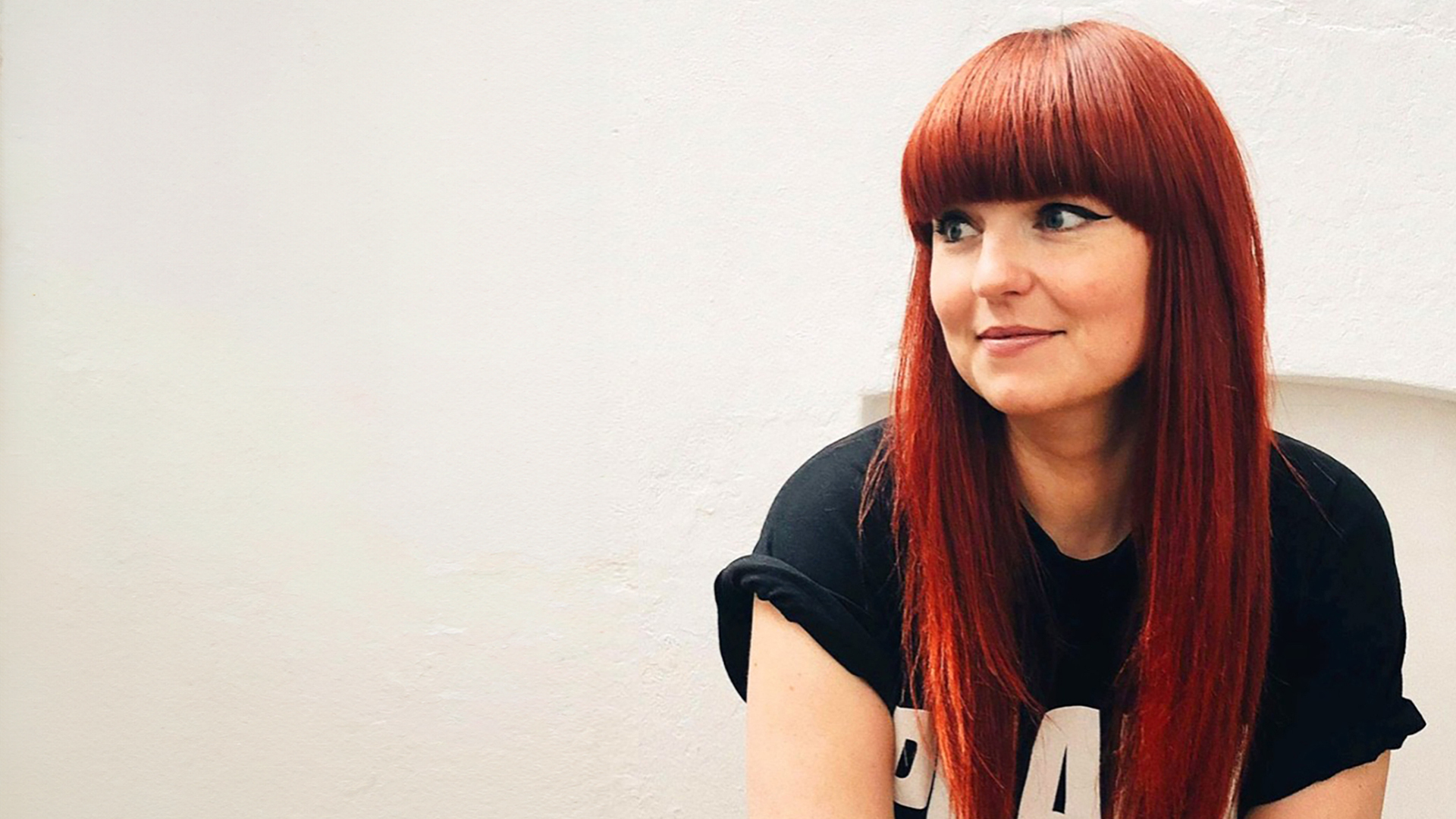
"Like many (especially women) climbing the industry ranks, I have navigated my fair share of imposter syndrome along the way," Templeman reflects. "It definitely hit hardest when I was promoted to creative director. It was a role I’d always wanted, and worked so hard to get to. But once I got there, I looked at the other directors around me, many who used to be my boss, and felt like I didn’t quite measure up to their brilliance. I didn’t operate the same way they did, and I was secretly convinced I shouldn’t be in the role."
The internal pressure to mimic the management styles of her predecessors initially fueled uncertainty. However, a defining career break came through hands-on performance and tangible results, proving that leadership does not conform to a single archetype.
"The turning point came when I ran a big pitch and won," Templeman shares. "It made me realise that it was actually a good thing I wasn’t exactly like them, because my approach was working. There is no single right way to be a creative director. In fact, you need that diverse mix of personalities and perspectives in the room to build a fully rounded team. Once I accepted that just being myself was enough, I was finally able to drop the self-doubt and get on with doing the work… my way."
Her perspective reinforces the value of diverse leadership styles in agency settings, illustrating how distinct personal approaches strengthen agency culture and client outcomes alike.

Why AI-Generated Feedback Threatens Disruptive Creativity
What’s your creative pet peeve?
As generative technology continues to integrate into marketing and agency workflows, the role of artificial intelligence in design evaluation has become a contested subject. For Templeman, utilizing AI tools to evaluate, critique, or steer creative execution represents a fundamentally flawed approach to brand development.
"Using AI to give feedback on creative work," Templeman states candidly. "It’s a slippery slope because a bot doesn’t know the brief, the context, or the actual problem you’re trying to solve. Worse, it takes the power out of people’s hands and completely ignores their own gut feeling and experience."
Templeman points out that predictive algorithms are fundamentally retrospective, relying on historical datasets and existing patterns. Consequently, leaning on automated intelligence to assess ground-breaking design concepts inherently risks diluting original ideas down to safe, derivative standards.
"AI is quite literally built on what’s already been done," she explains. "So, if we’re trying to push the status quo and do something genuinely brave, asking an algorithm for its opinion is the quickest way to kill that momentum and play it safe. I’d much rather clients trust their own instincts and just sit down to have an honest conversation with us. It’s absolutely fine to use AI to sharpen or condense opinions you’ve already formed, but the moment you hand over your decision-making power to an algorithm, the work suffers. If we want to create truly great, disruptive design, the human perspective has to lead."
While acknowledging that technological tools have utility in organizing or articulating thoughts already conceived by human professionals, she maintains that genuine innovation relies on human intuition, nuanced understanding, and collaborative discourse.
Understanding the 24/7 Nature of the Creative Mindset
What’s one thing you wish more people understood about your role or industry?
To those outside the creative sectors, commercial design can sometimes be mistaken for a standard office job governed by set hours and predictable boundaries. Templeman emphasizes that for dedicated design professionals, creative thinking is an continuous mode of engaging with the surrounding environment rather than a task tied to a workday schedule.
"That you don’t just shut your laptop and switch your brain off at 5:30PM like other jobs," Templeman says. "Creativity isn’t a job you clock out of; it’s a lifestyle."
This ongoing engagement means that inspiration is perpetually gathered from ambient daily interactions, cultural shifts, and ordinary surroundings. Rather than finding this constant drive taxing, Templeman views it as an essential, energizing aspect of her professional identity.
"That drive is inherently wired into me, and I genuinely couldn’t turn it off even if I tried," she observes. "I see the world through a completely different lens; my eyes and ears are constantly open and pulling inspiration from the most unexpected places 24/7, always thinking. I honestly love it and couldn’t see myself ever not doing it. It’s a deep-rooted passion, and I like to think that energy translates directly into the work. It’s wild how the creative brain never really rests. It’s always, always on."
A Legacy Rooted in ‘Gaisgeil’
What one word would you like to be remembered by?
When considering the long-term impact of her career, mentorship work, and creative leadership, Templeman turns to her heritage for a term that captures both capability and core intent.
"If I had to choose a single word, it would be the amazing Scottish word Gaisgeil," Templeman concludes. "It is a deeply empowering word that roughly translates to someone who is brave and fiercely capable. Embodying an unwavering determination to achieve a goal and does so with passion."
By grounding her leadership philosophy in bravery, resilience, and authentic human connection, Templeman continues to advocate for agency environments where disruptive creativity can thrive, emerging leaders can find their voice, and design remains guided by human insight.