As Robert Downey Jr. prepares to reenter the Marvel Cinematic Universe in the upcoming Avengers: Doomsday, stepping away from Tony Stark to portray the iconic villain Doctor Doom, fans across the globe are casting an eye backward. Before Doom dominates the pop culture conversation, it feels like an appropriate juncture to revisit the tangible centerpiece that launched an entire multi-billion-dollar franchise. That object—a glowing ring embedded in Stark’s chest, forged from battlefield scrap, capable of powering a high-tech combat suit while keeping deadly shrapnel away from his heart—remains arguably the most iconic prop in modern cinematic history.
Eighteen years after the theatrical debut of Iron Man in 2008, the mythology surrounding the arc reactor continues to capture the imagination of engineers, physicists, and film enthusiasts alike. Recently, a YouTube creator and designer known as Dianax gave that cinematic artifact the technical autopsy it deserves. Releasing a comprehensive 3D animated teardown of the Mark 1 reactor, the project features every single component modeled meticulously by hand, entirely free of artificial intelligence generation.
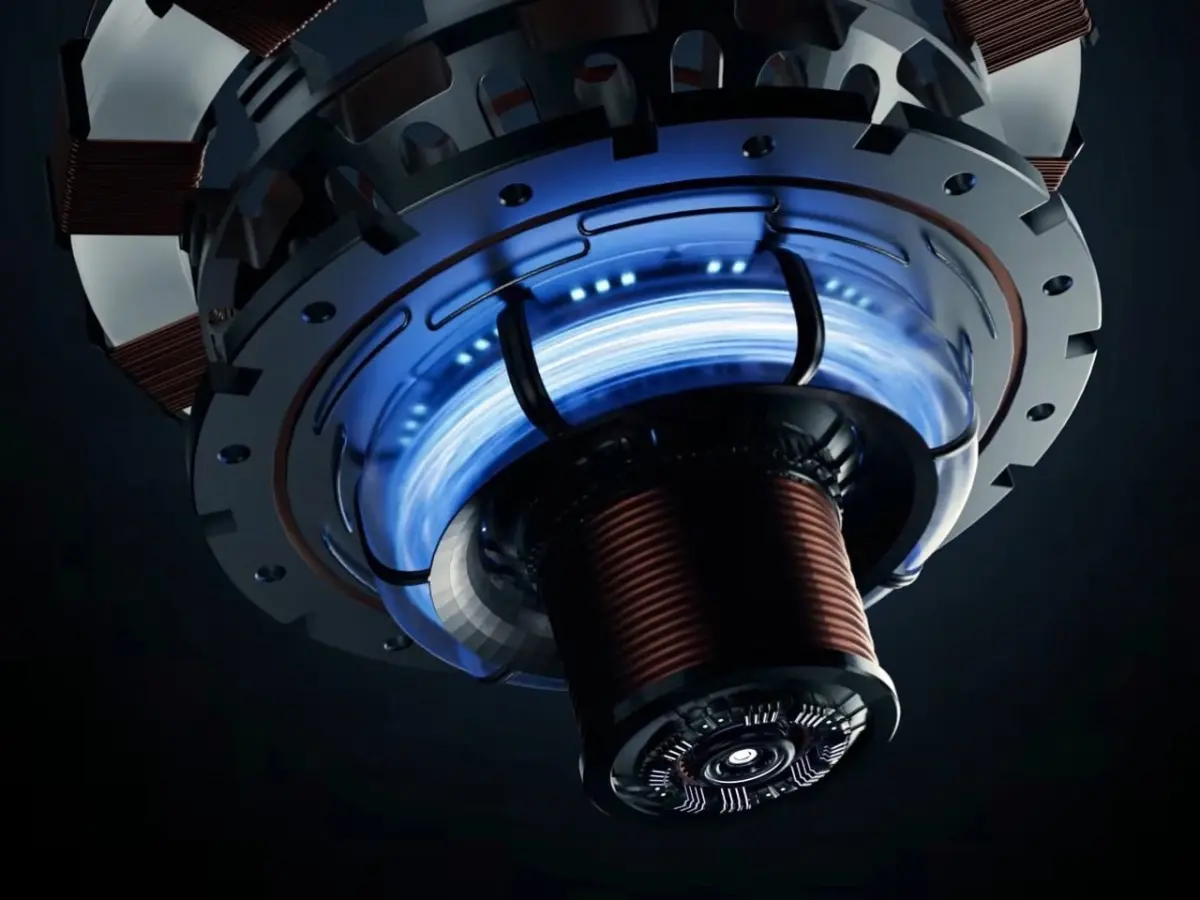
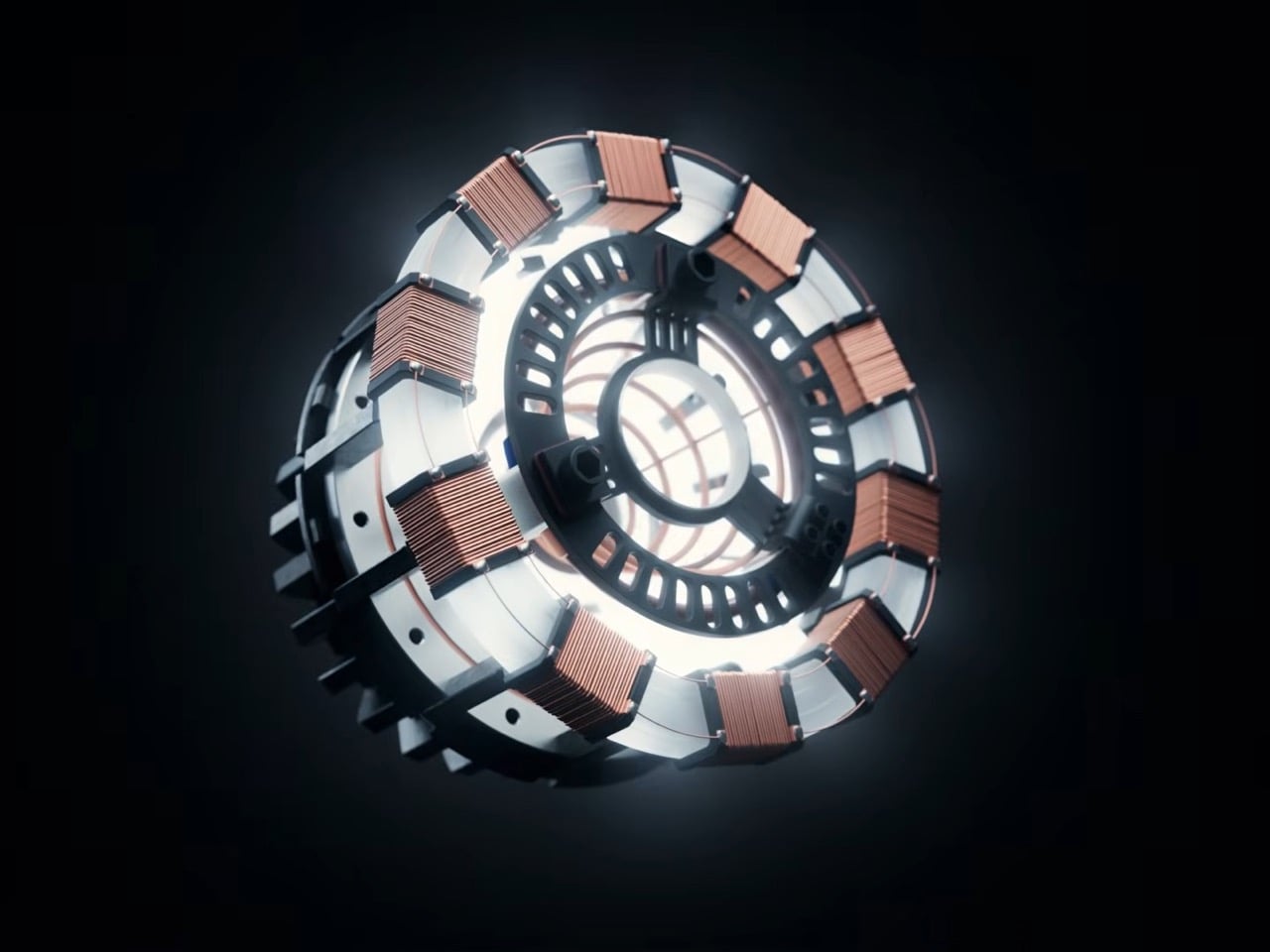
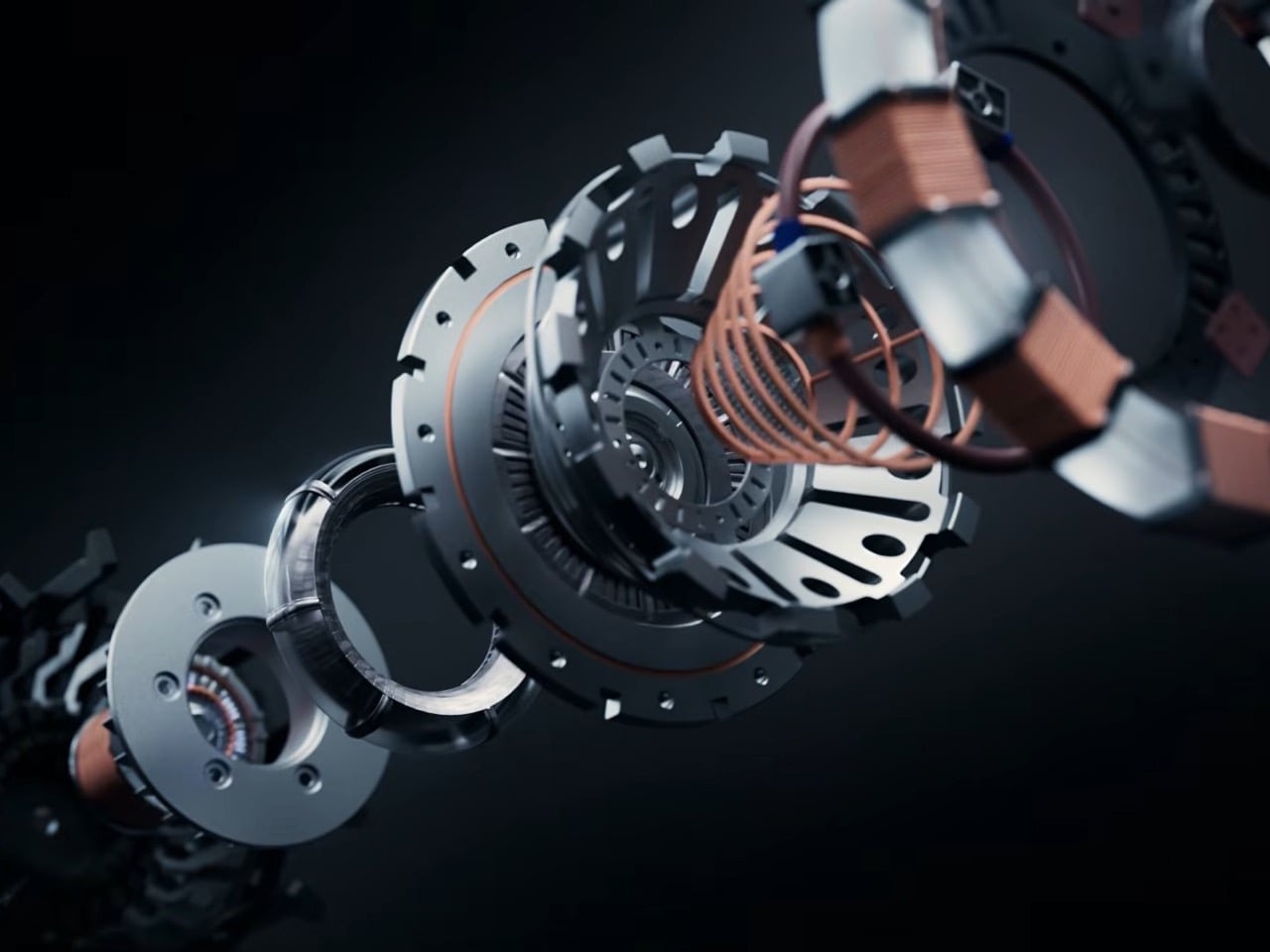
The digital breakdown offers viewers an intricate look at the palladium ring, the deuterium gas feed, a miniature cyclotron particle accelerator, and ten magnetic coils working in unison to stabilize a plasma arc. Beyond the visual fidelity, the project dives deep into the underlying physics. While a real-world equivalent would demand a facility-scale tokamak and an unprecedented volume of cooling water, the internal fantasy of Stark’s creation holds together with surprising narrative logic.
How the Mark 1 Reactor Works, Layer by Layer
The structural logic of Dianax’s teardown begins at the core, where a ring of pure palladium resides within the primary fusion chamber. In this theoretical setup, deuterium gas is fed into the chamber, allowing the palladium to absorb the fuel like a sponge, priming the system for ignition. Next, a miniature cyclotron—essentially a pocket-sized particle accelerator—fires particles at extreme velocities directly into the center of the chamber. This action instantly ionizes the gas, ignites plasma, and initiates a fusion reaction.
According to the mathematical translation of the cinematic universe, this reaction yields energy roughly equivalent to 1,500 pounds, or 680 kilograms, of TNT exploding every single second. This output aligns neatly with the film’s internal lore, where Stark informs his fellow captive Ho Yinsen that the reactor generates three gigajoules per second. Such staggering energy output provides more than enough electricity to power an advanced exoskeleton, an entire urban neighborhood, or any number of ambitious household appliances.
To keep this volatile energy contained, a series of magnetic containment rings run along the perimeter of the chamber. Ten specialized coils wrap the entire assembly in a stabilizing magnetic field, while a dedicated energy converter positioned underneath translates the raw, chaotic plasma into usable electricity with virtually zero energy loss. A sophisticated cooling system vents the immense thermal energy out of the bottom, while a rugged outer shell locks the modular layers together.
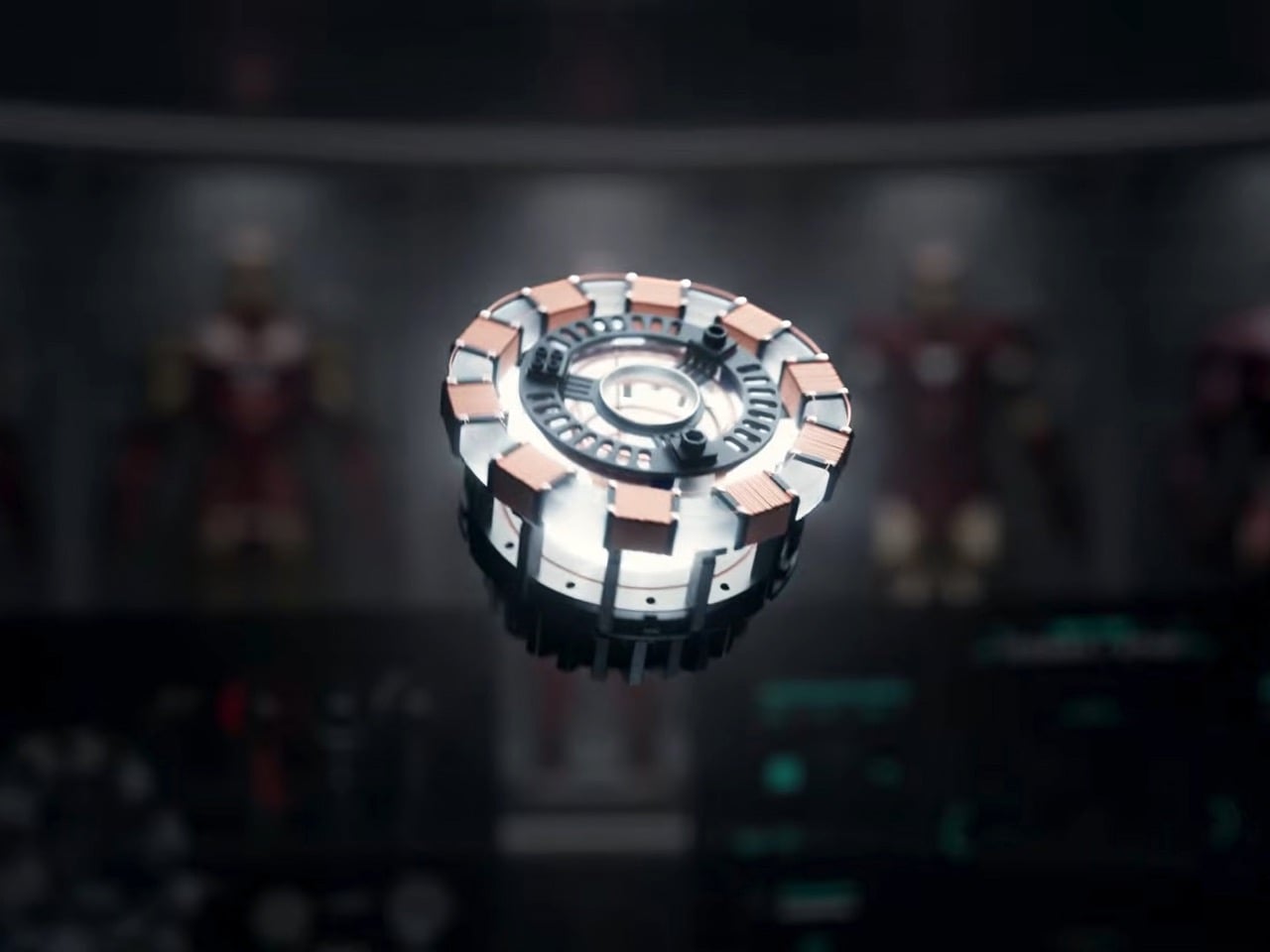
This tiered layout gives the design a clear, almost plausible functional architecture, dividing fuel storage, ignition, containment, energy conversion, and thermal cooling into distinct tiers. When examined through physical replicas—such as licensed models referencing Stan Winston Studios’ original designs, which measure approximately 4.5 inches or 11.4 centimeters across and are crafted from machined aluminum and stainless steel—the brilliance of the design becomes apparent. It is a prop engineered to be understood at a single glance, balancing complex theoretical physics with accessible cinematic storytelling.
Palladium, Cold Fusion, and the Poison in Tony’s Chest
The inclusion of palladium in the Mark 1 design carries an intriguing historical echo. On March 23, 1989, electrochemists Martin Fleischmann and Stanley Pons held a historic press conference in Utah to announce that they had successfully achieved tabletop nuclear fusion utilizing a palladium electrode, heavy water, and an electrical current. Because scientists had known since the 19th century that palladium possessed a unique capacity to store hydrogen atoms within its metallic lattice, the initial premise sounded scientifically plausible to the broader public.
However, after laboratories around the world repeatedly failed to replicate the reported excess heat, the scientific community largely dismissed cold fusion by the end of 1989. Within the narrative of the Marvel Cinematic Universe, Stark’s cave-built reactor reads like an alternate-universe redemption arc for cold fusion, finally succeeding simply because a billionaire industrialist and genius physicist willed it into existence. Whether the original filmmakers consciously intended the nod or not, the historical parallel remains difficult to ignore.
This delicate balance between technological triumph and personal consequence deepens in Iron Man 2, when Tony discovers that the palladium core powering his chest is slowly poisoning his bloodstream, with the cellular damage accelerating every time he deploys his armored suits. Introducing this terminal flaw provided a tangible cost to an otherwise miraculous gadget. His eventual solution—synthesizing a brand-new, non-toxic element based on theoretical blueprints left behind by his father, Howard Stark—swapped the hazardous palladium for a clean, sustainable power source.
Interestingly, in the original comic book continuity introduced in Tales of Suspense #39, the chest plate designed to protect Tony’s wounded heart was not initially a glowing, miniaturized reactor, making the iconic chest ring a later conceptual evolution for the screen. In the emotional climax of the first film, Pepper Potts gifts Tony the original reactor encased in glass, inscribed with the words, "Proof that Tony Stark has a heart." That simple gesture doubles as the thematic thesis of the entire multi-film franchise.
Why a Chest-Sized Reactor Is Still Science Fiction
Despite the compelling internal logic of the cinematic universe, replicating a functioning arc reactor at a scale small enough to fit inside a human chest remains firmly in the realm of science fiction. The closest terrestrial equivalents are tokamaks—massive, doughnut-shaped magnetic confinement fusion devices that often span the size of an entire building. These experimental machines operate at staggering temperatures reaching up to 270 million degrees Fahrenheit, or approximately 150 million degrees Celsius, making them roughly ten times hotter than the core of our Sun.
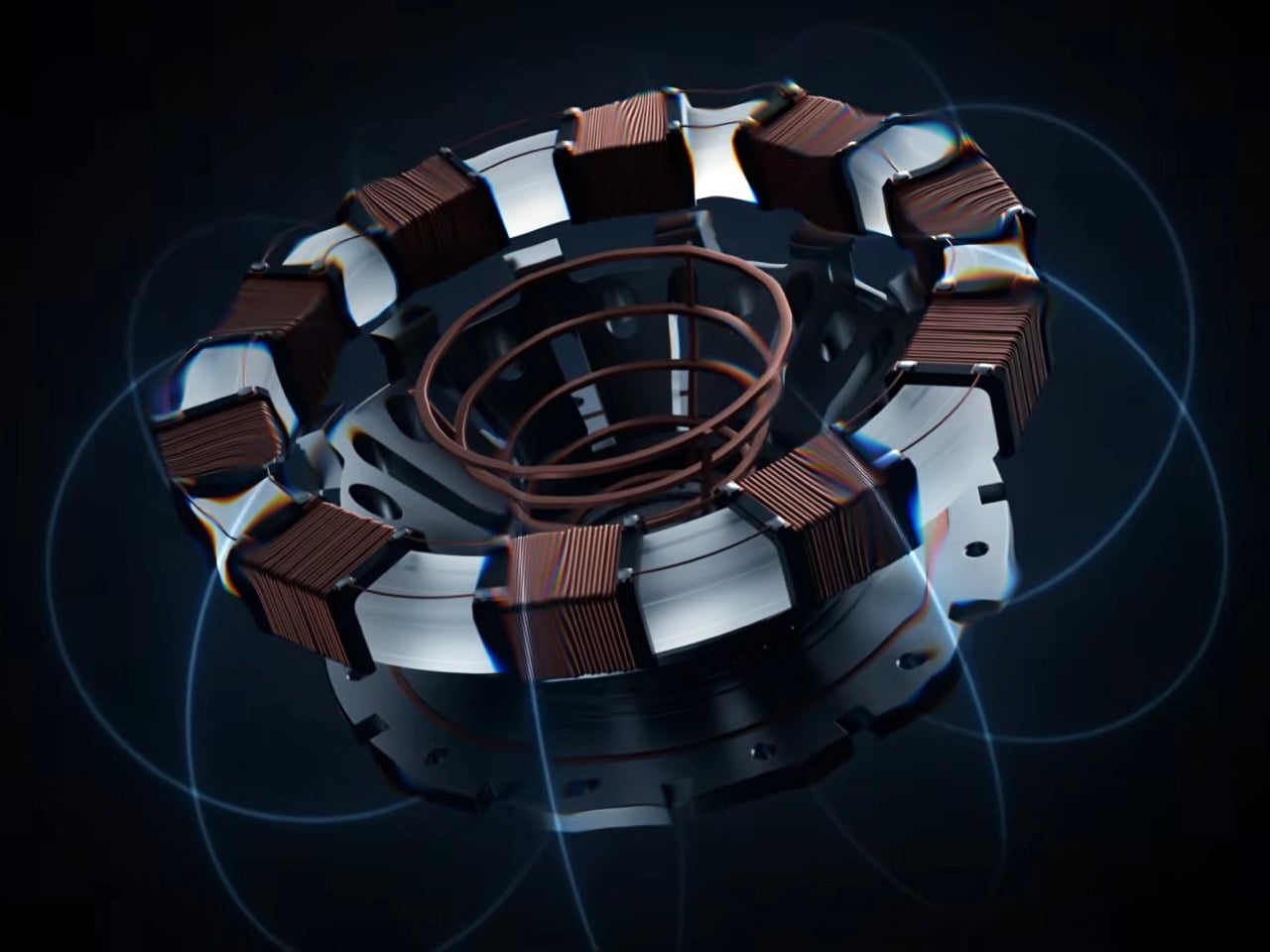
Confining plasma at those extreme temperatures requires immense magnetic coils measuring dozens of feet across, while the cooling apparatus demands thousands of tons of water to prevent catastrophic overheating. Furthermore, traditional power generation relies on boiling water to spin massive steam turbines—a hurdle that Stark’s theoretical zero-loss energy converter effortlessly bypasses, representing the single greatest leap of faith in the reactor’s fictional engineering.
Real-world innovators are nonetheless working to bridge the gap between fusion theory and practical application. Helion Energy’s Polaris prototype, located in Everett, Washington, was engineered to recover electricity directly from expanding plasma via electromagnetic induction, effectively bypassing the traditional steam cycle altogether. The company reported achieving measurable deuterium-tritium fusion and maintaining 150 million-degree plasma. While massive prototypes of this scale measure dozens of feet in length—meaning nobody will be wearing one to a movie premiere anytime soon—commercial development continues to advance, with newer plants slated to come online in the coming years.
As audiences prepare for the next chapter of the Marvel saga, the meticulous 3D breakdown created by Dianax serves as a compelling reminder of where the cinematic journey began. No matter what narrative paths lie ahead, the glowing ring Tony Stark hammered together in a dark cave remains one of the most enduring creations in science fiction, and real-world engineers continue to chase the promise it represents.