Two decades after consumers gleefully swapped heavy cathode-ray tube (CRT) monitors for sleek, flat-panel LCD displays, display experts and retro gaming enthusiasts are trying to figure out how to get back what was lost. While the flat-panel revolution traded bulk for sharpness and high-definition resolutions, it introduced a persistent side effect that modern hardware is still struggling to conquer: motion blur.
The compromise made during the mid-2000s transition to HD technology is becoming increasingly clear. Mark Rejhon, founder of the display-testing website Blur Busters, notes that while users over the age of forty remember the motion clarity of CRTs, younger generations have grown up entirely accustomed to the smeary artifacts of early LCD panels. For years, Blur Busters’ browser-based "Test UFO" tool has served as the industry standard for evaluating object clarity in motion. Compared to older CRT monitors, early LCDs suffered from slow pixel response times, leaving an unsightly ghost trail behind fast-moving images.
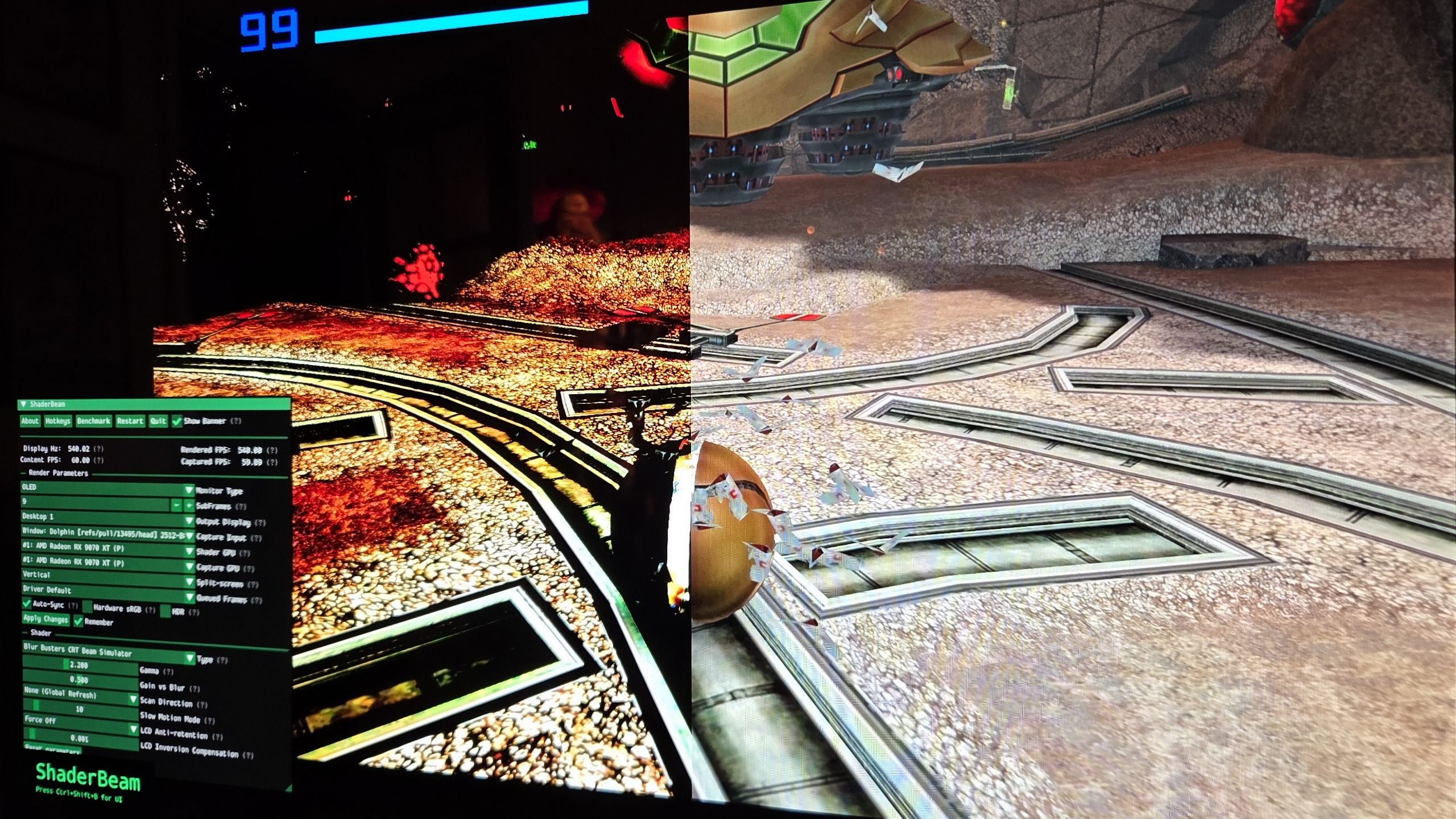
Even though today’s high-refresh-rate gaming monitors are vastly superior to the washed-out panels of the 2000s, even the highest-end displays are still chasing the native motion clarity of legacy CRTs. This ongoing pursuit has led display researchers and developers down unconventional paths to reconcile modern hardware speeds with classic visual standards.
Cathode Ray ‘tude
The primary challenge in eliminating display motion blur boils down to how frames are presented. According to Rejhon, the two main methods for reducing display motion blur are either flickering the frames to shorten their duration, much like a camera shutter, or increasing the native frame rate to show more updates per second. CRTs achieved exceptional motion clarity naturally because they could flicker pixels brightly for less than a millisecond without requiring astronomical frame rates.
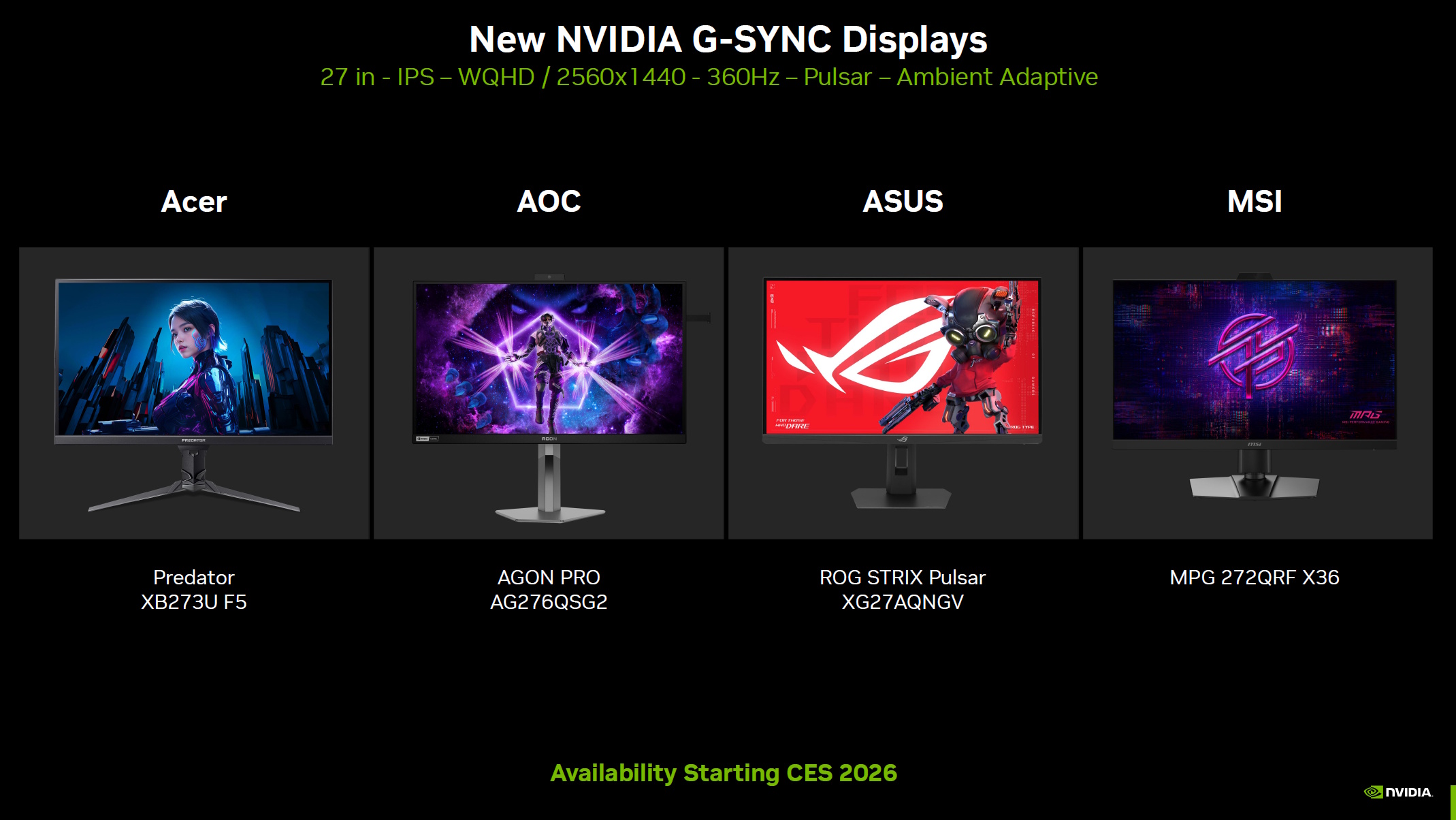
Hardware manufacturers have tackled this problem from multiple angles. Nvidia, for instance, developed technologies like G-Sync Pulsar, which combines variable refresh rates with backlight strobing and a rolling top-to-bottom refresh cycle to mimic the behavior of a CRT and achieve high perceived clarity.
Meanwhile, software solutions have emerged in parallel. In late 2004, Rejhon teamed up with former Nvidia developer Timothy Lottes to debut a CRT simulation algorithm designed for high-refresh-rate displays running at 240 Hz and above. The algorithm aims to dramatically reduce visible motion blur in retro games and other content typically locked at 60 frames per second.
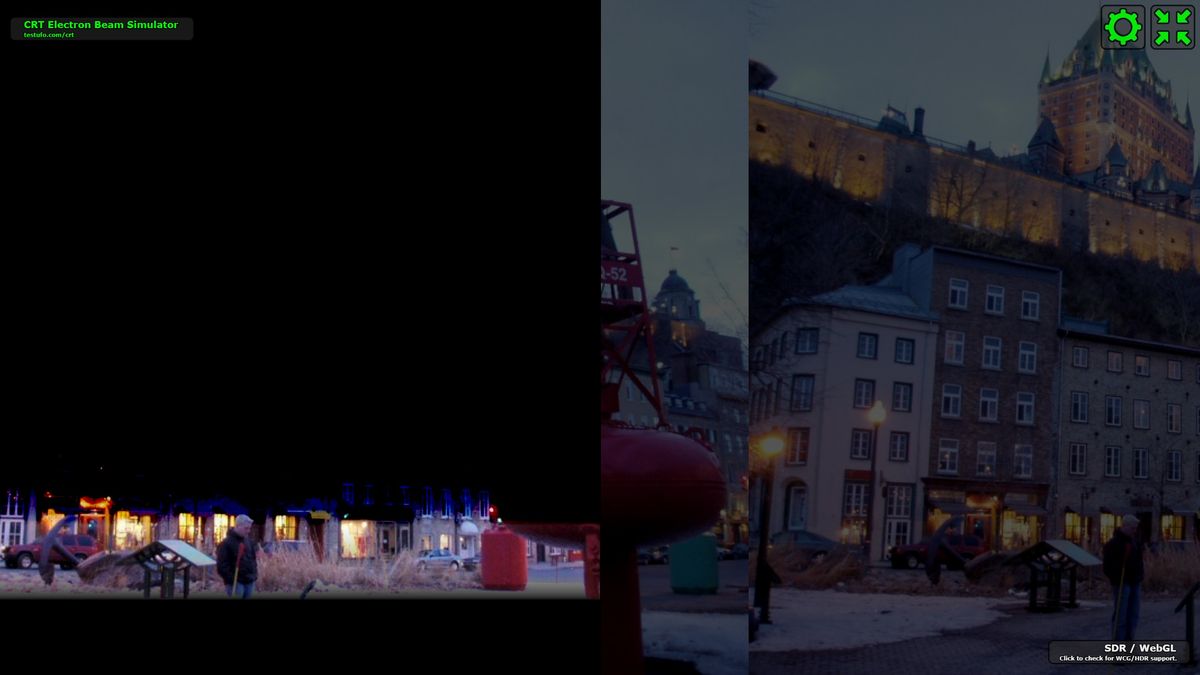
The core mechanism behind this simulation relies on recreating the visual "phosphor fade" characteristic of CRT tubes. Traditional black frame insertion (BFI)—the previous method used to cut down on blur—often introduced harsh, noticeable flicker by inserting a pure black frame between every rendered image. By comparison, simulating a rolling scan combined with phosphor fade proves significantly gentler on the eyes for 60 fps content, maintaining a continuous emission of light across different parts of the screen.
When properly calibrated, the CRT simulation acts similarly to AI-driven upscaling technologies like DLSS, but for motion rather than resolution. A game locked at 60 frames per second can theoretically look remarkably smooth and clean, approaching the visual stability of a much higher frame rate without requiring top-tier graphics hardware to generate hundreds of frames per second.
Shader Dreams
Testing these advancements requires specialized hardware, such as ultra-high-refresh OLED monitors like the Asus ROG Swift OLED PG27AQWP-W, which natively supports high refresh rates and offers rapid pixel response times alongside deep black levels that mirror the contrast profiles of vintage CRTs.
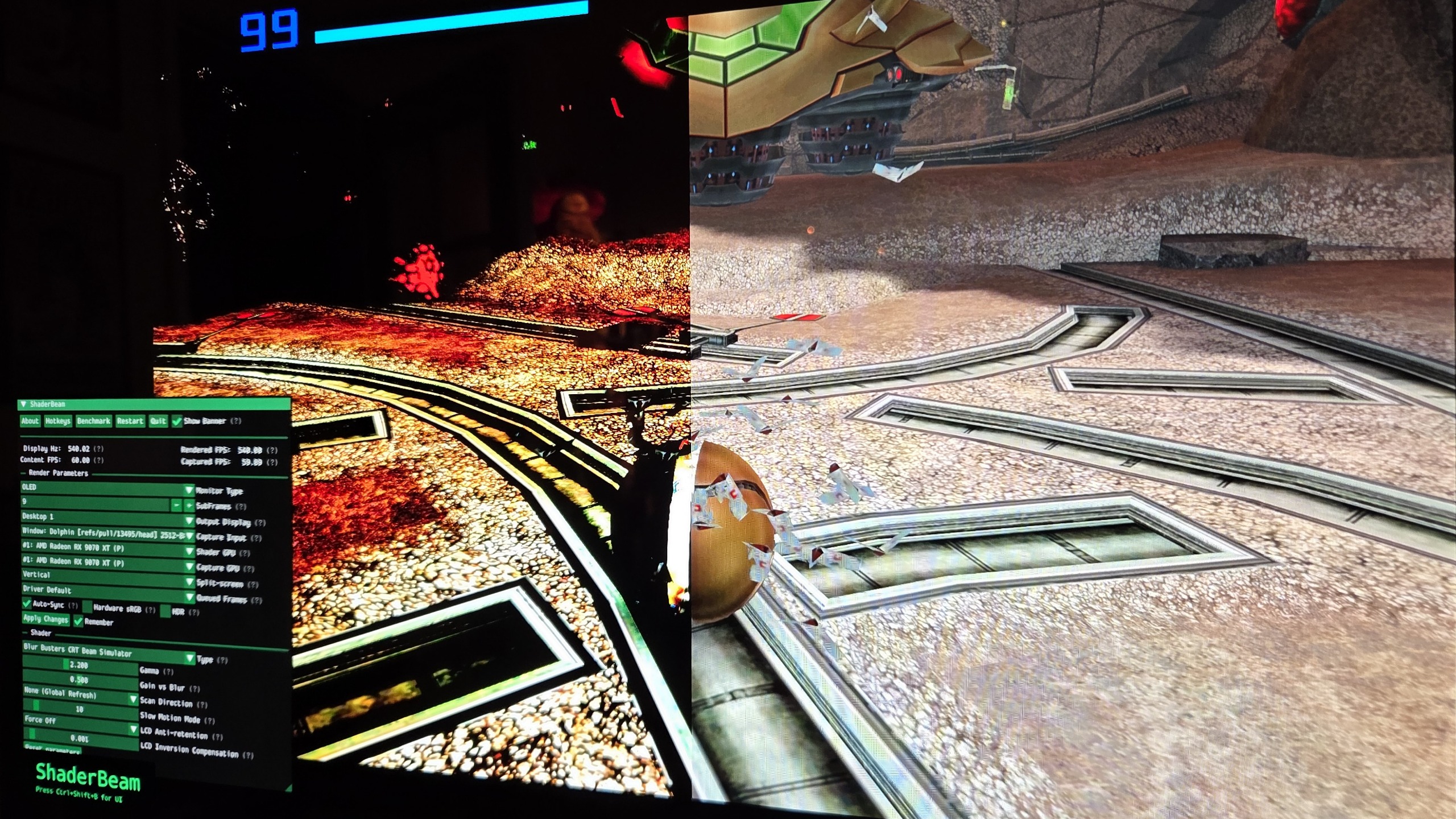
Implementing the technology, however, remains a bleeding-edge endeavor. The algorithm first appeared as a shader within emulation frontends before migrating to standalone Windows overlay applications like ShaderGlass. Because the simulation requires precise synchronization with both the display and the incoming content to avoid flashing or dropped frames, developer Mausimus eventually split the project into a dedicated tool known as ShaderBeam.
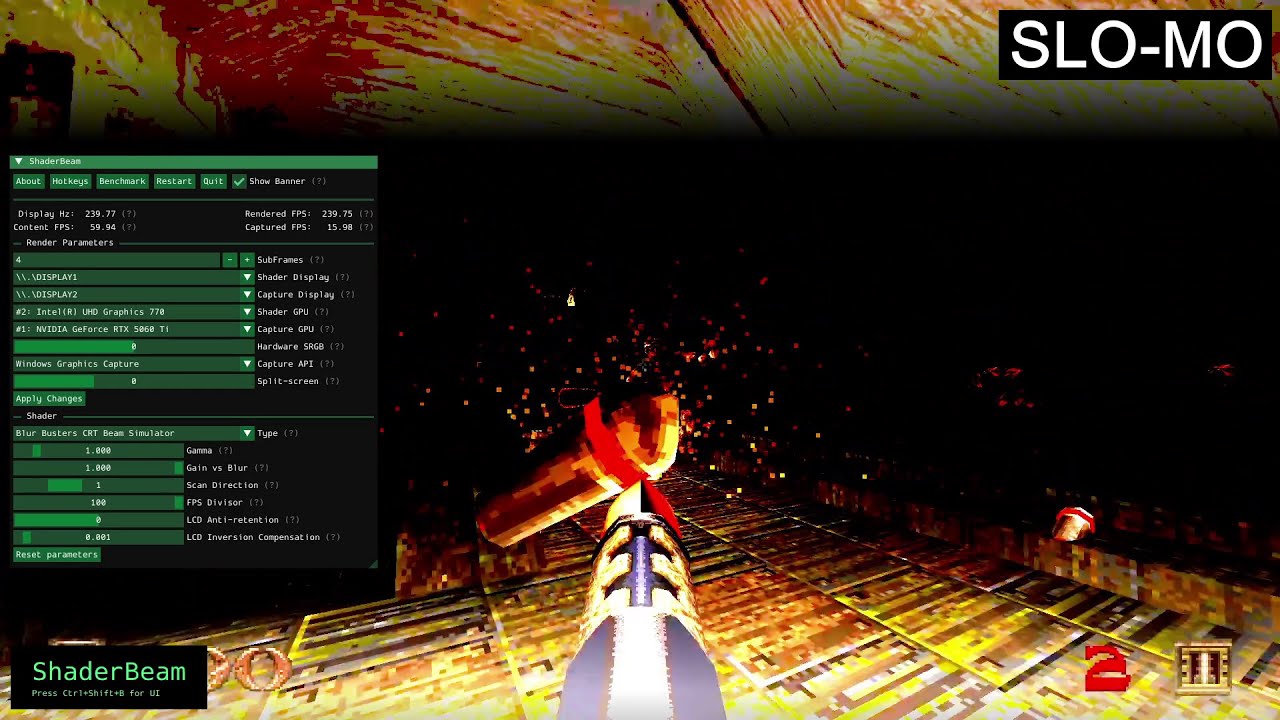
Running ShaderBeam successfully demands meticulous system tuning. Because the software operates without direct integration into the native rendering pipeline, it relies on screen capture and window transparency techniques while competing with the operating system’s internal scheduling. Achieving a stable experience often requires disabling variable refresh rates, unplugging secondary monitors, making Windows registry adjustments, and even offloading the shader processing to a secondary graphics processor, such as an integrated GPU on the host CPU.
This level of hardware optimization can feel daunting for casual users, often leading down a rabbit hole of subframe timing adjustments, emulator configurations, and troubleshooting sessions involving stutters and color banding. Yet, when the configuration aligns properly, the visual payoff is striking. Users testing the shader on titles like Quake or emulated GameCube classics notice that intricate textures and background details remain remarkably sharp during rapid camera movements, whereas standard displays would ordinarily smear those details into a blur.
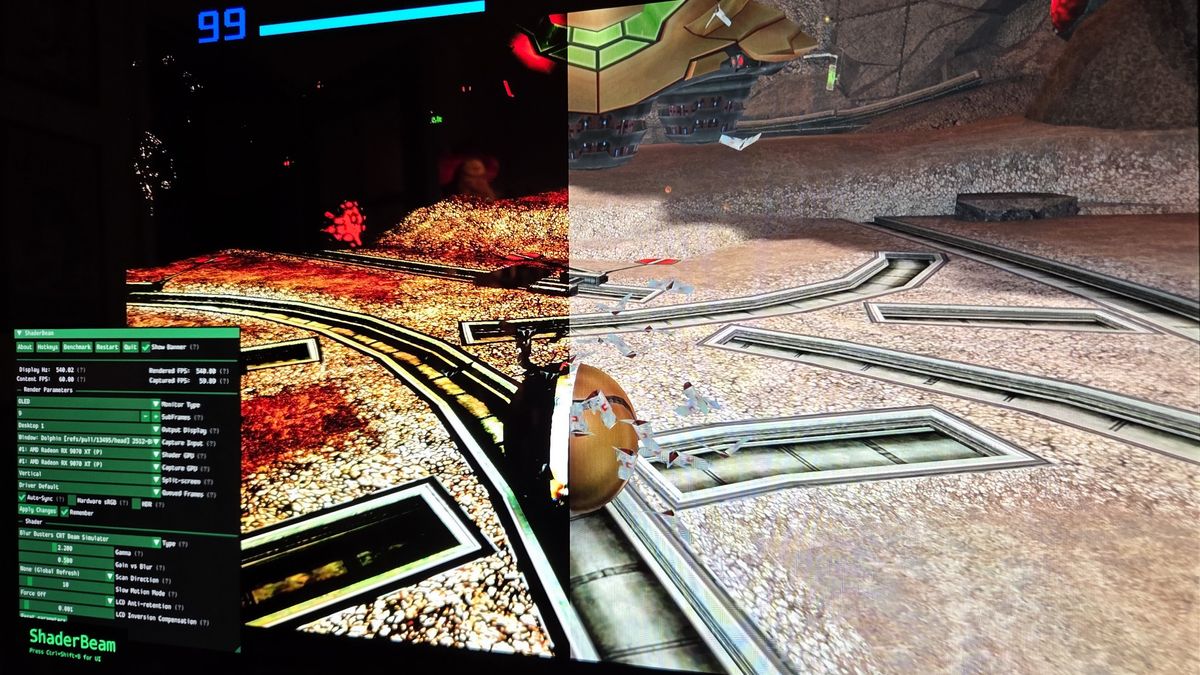
Despite the technical hurdles and the niche appeal of running complex software workarounds just to replicate the analog quirks of vintage displays, the project highlights a growing desire within the PC gaming community to revisit display fundamentals. Whether the ultimate solution arrives through next-generation hardware developments or deeper operating system integrations from major manufacturers, the ongoing push for CRT simulation proves that the pursuit of true motion clarity is far from over.