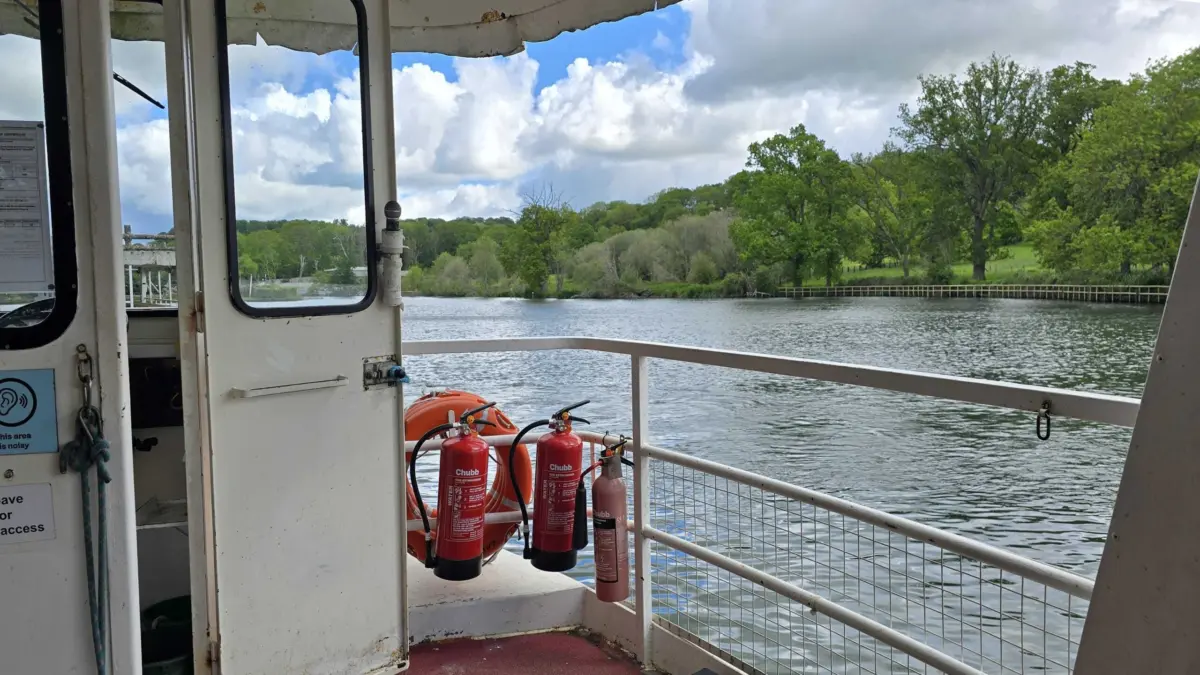
Photographing wildlife from a floating platform presents a unique set of obstacles that starkly contrast with the relative stability of shooting from dry land. Whether navigating the winding currents of the Amazon River, braving the midge-infested waters of a Scottish loch, or traversing the lake at Longleat Safari Park, photographers must contend with constant motion, shifting light conditions, and unexpected environmental hazards.
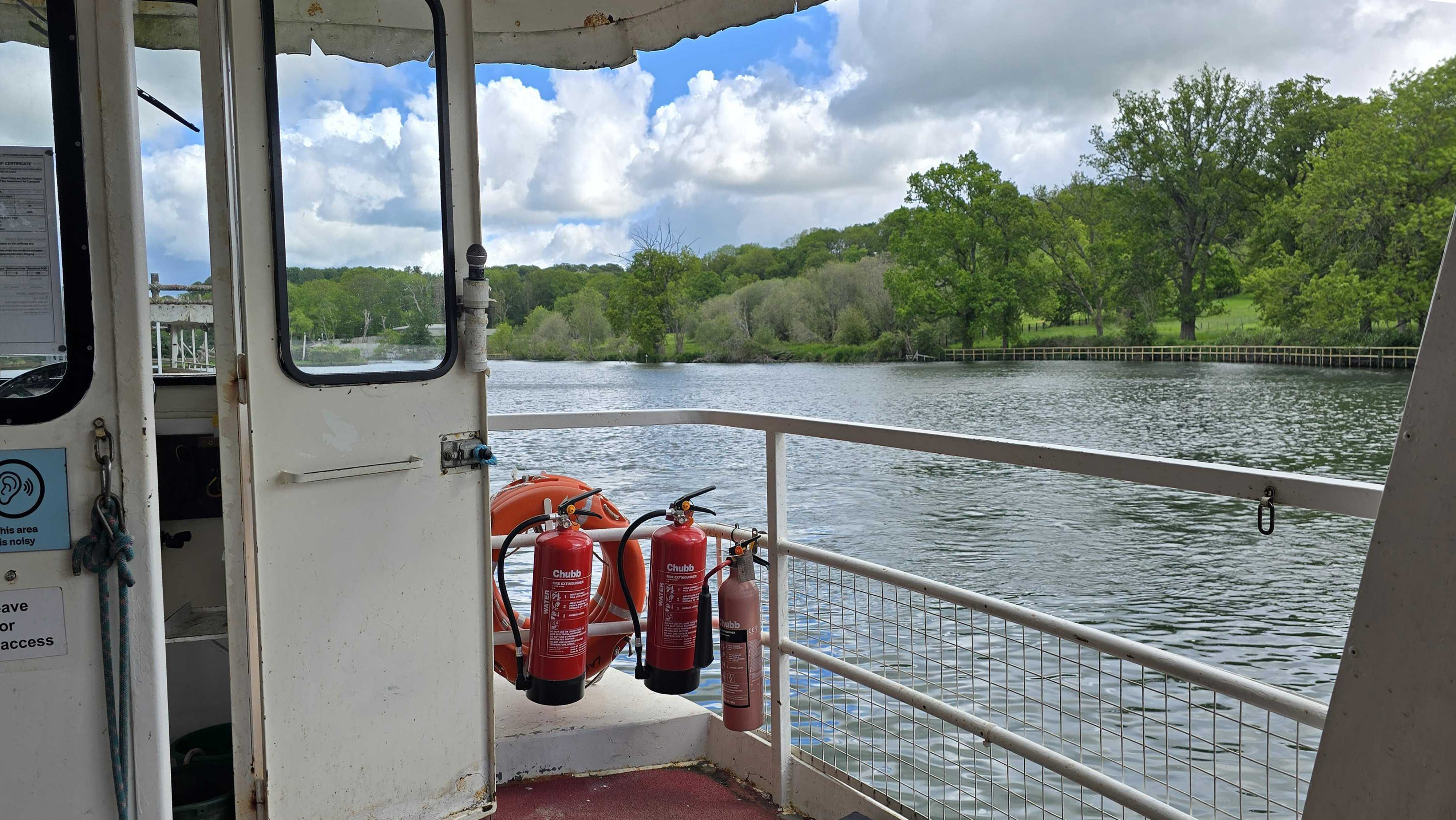
The primary concern when working from a waterborne vessel is safety, encompassing both the photographer’s physical well-being and the security of their gear. Maintaining a secure, braced stance is vital, particularly because boat decks can easily become wet and slippery, turning a sudden wave or engine shift into a serious hazard. Falling overboard in certain environments introduces immediate dangers, such as encountering territorial hippopotamuses. Despite their seemingly amiable appearance, hippos are fiercely defensive of their space and capable of extreme aggression. Similarly, marine environments populated by seals present unexpected risks, as the animals may mistake a human hand holding a camera lens near the water’s surface for a fish.
Protecting expensive camera equipment is equally critical. Implementing a reliable neck or wrist strap attached securely to the body ensures that a momentary slip of the grip does not result in the irretrievable loss of gear into the depths below. Once safety measures and equipment security are established, the practical challenges of capturing sharp images from an unstable platform take center stage.
Adapting Camera Settings for Motion and Light
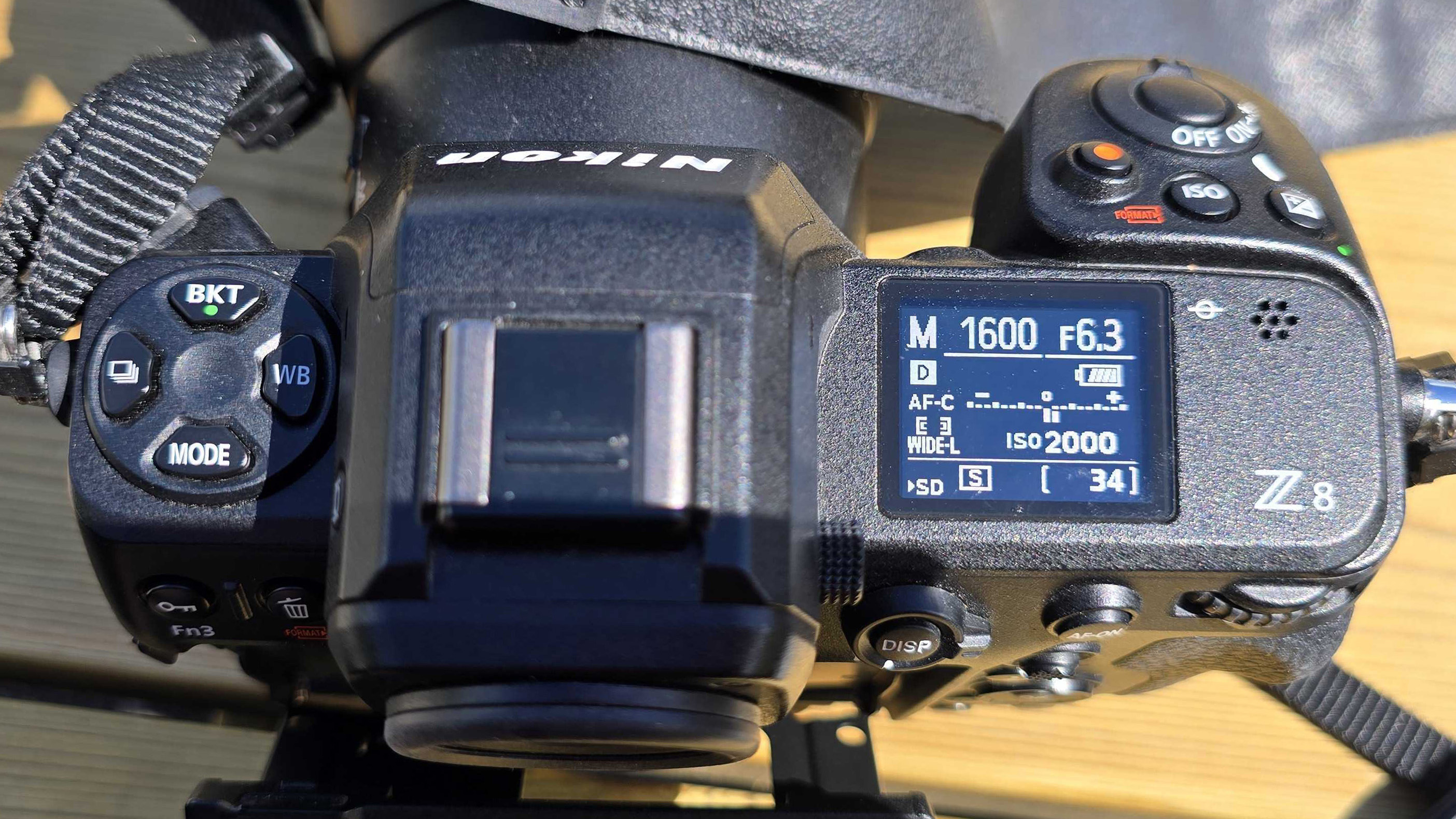
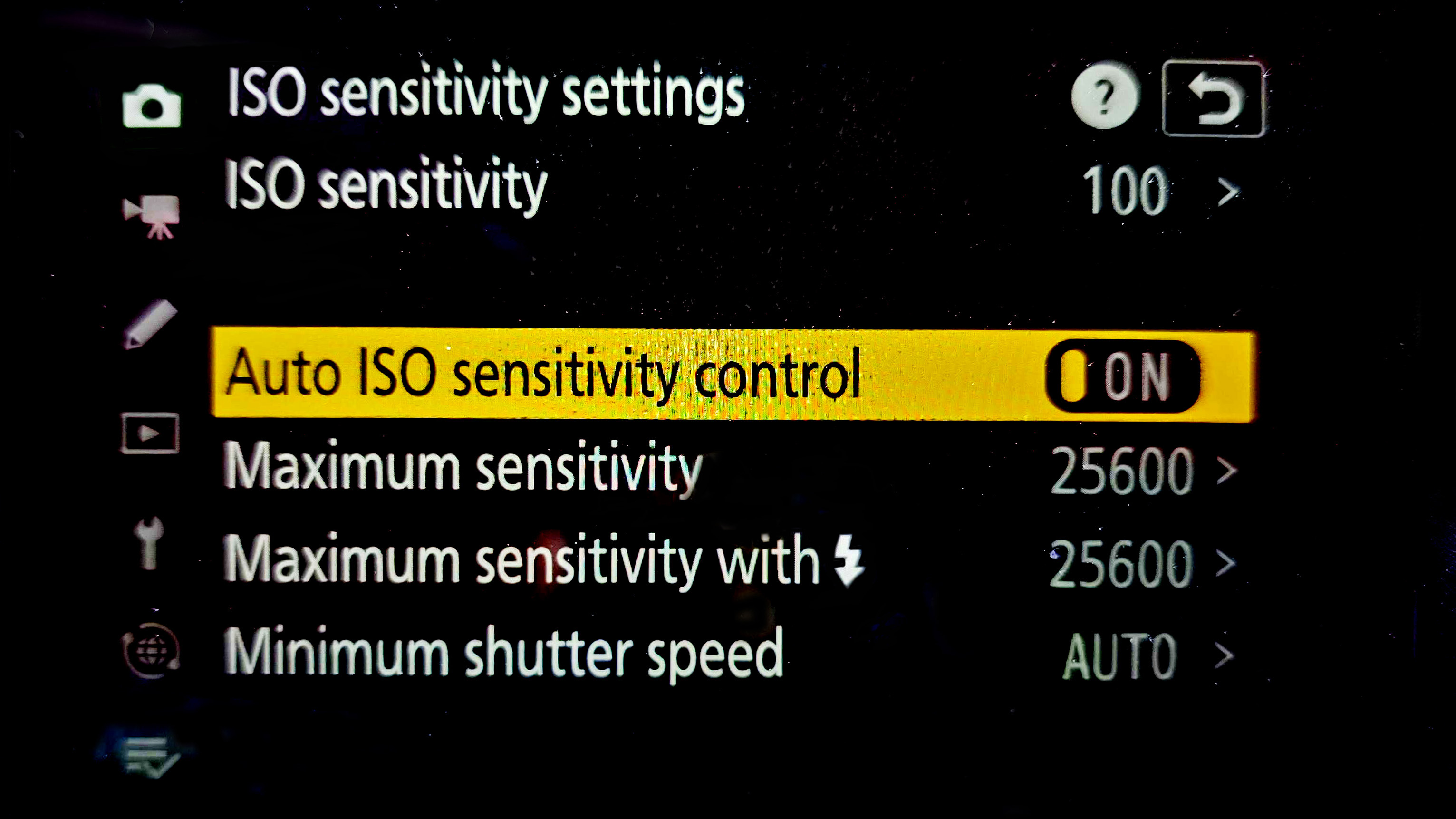
Navigating the shifting exposure and focus requirements demanded by a moving boat requires careful consideration of camera modes and settings. During initial excursions on the water, utilizing Aperture Priority mode alongside a fixed ISO setting of 1000 serves as a starting point. However, as weather conditions change and natural light grows increasingly murky, transitioning to manual control becomes necessary to maintain consistent exposure parameters.
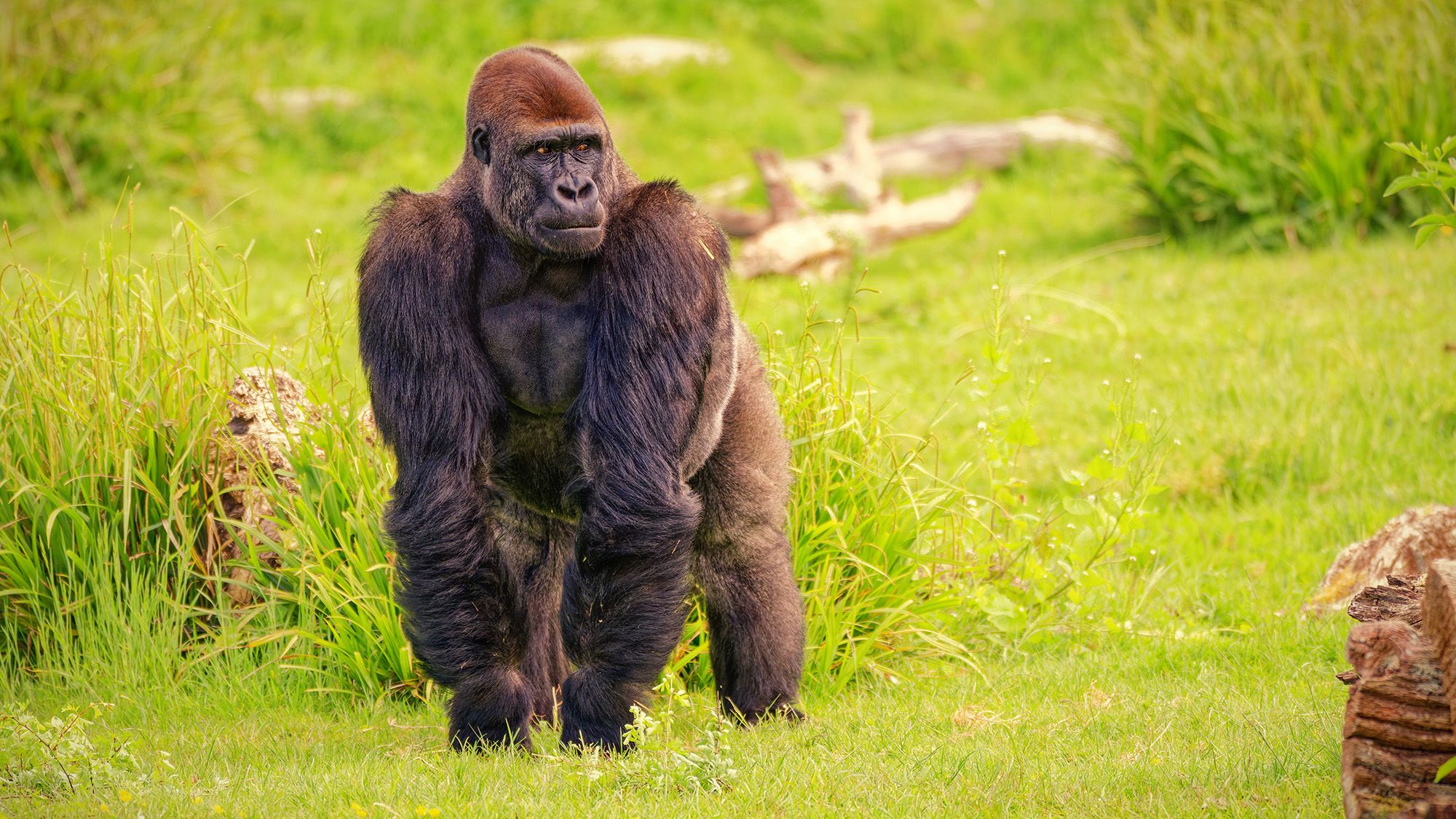
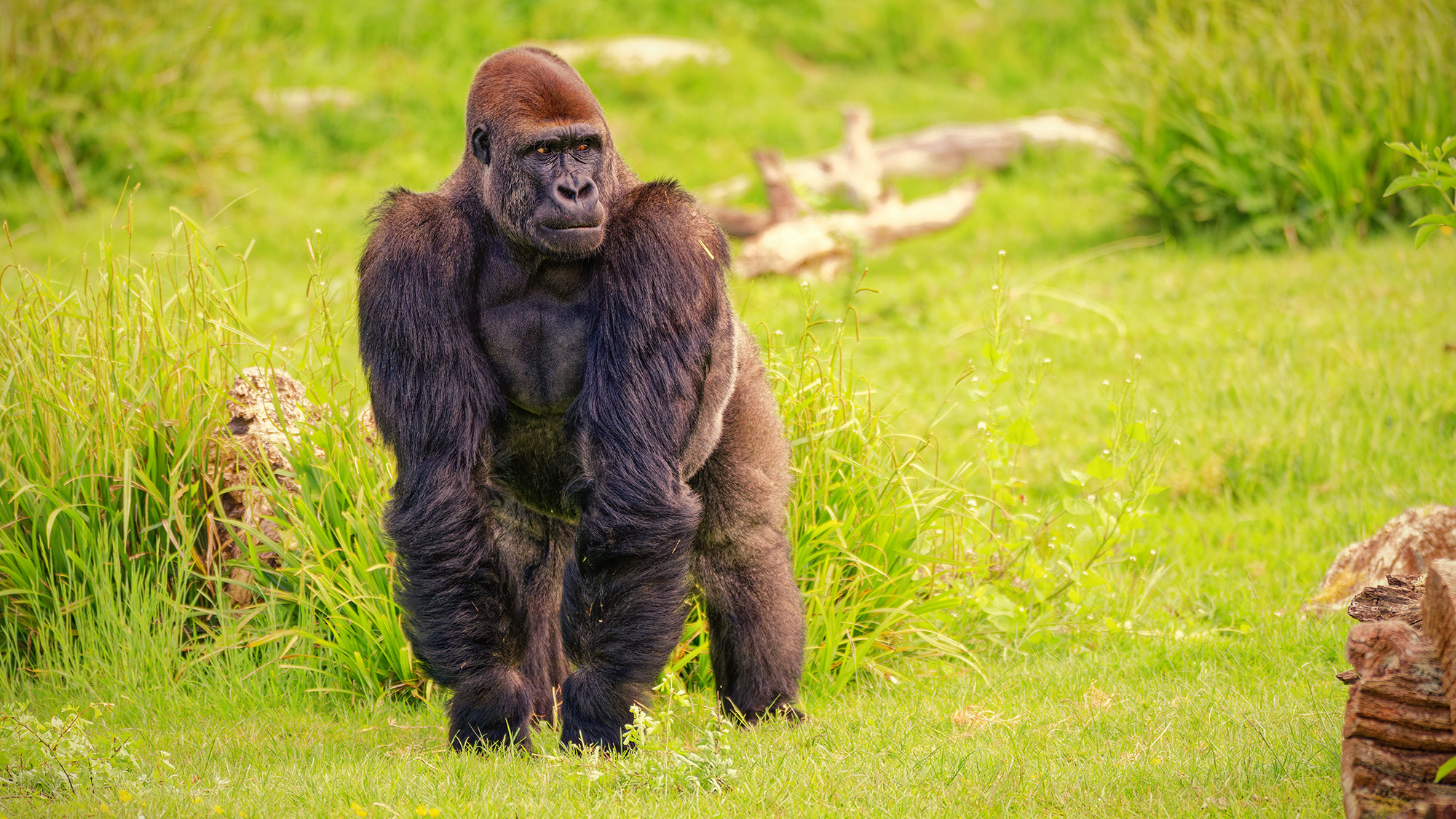
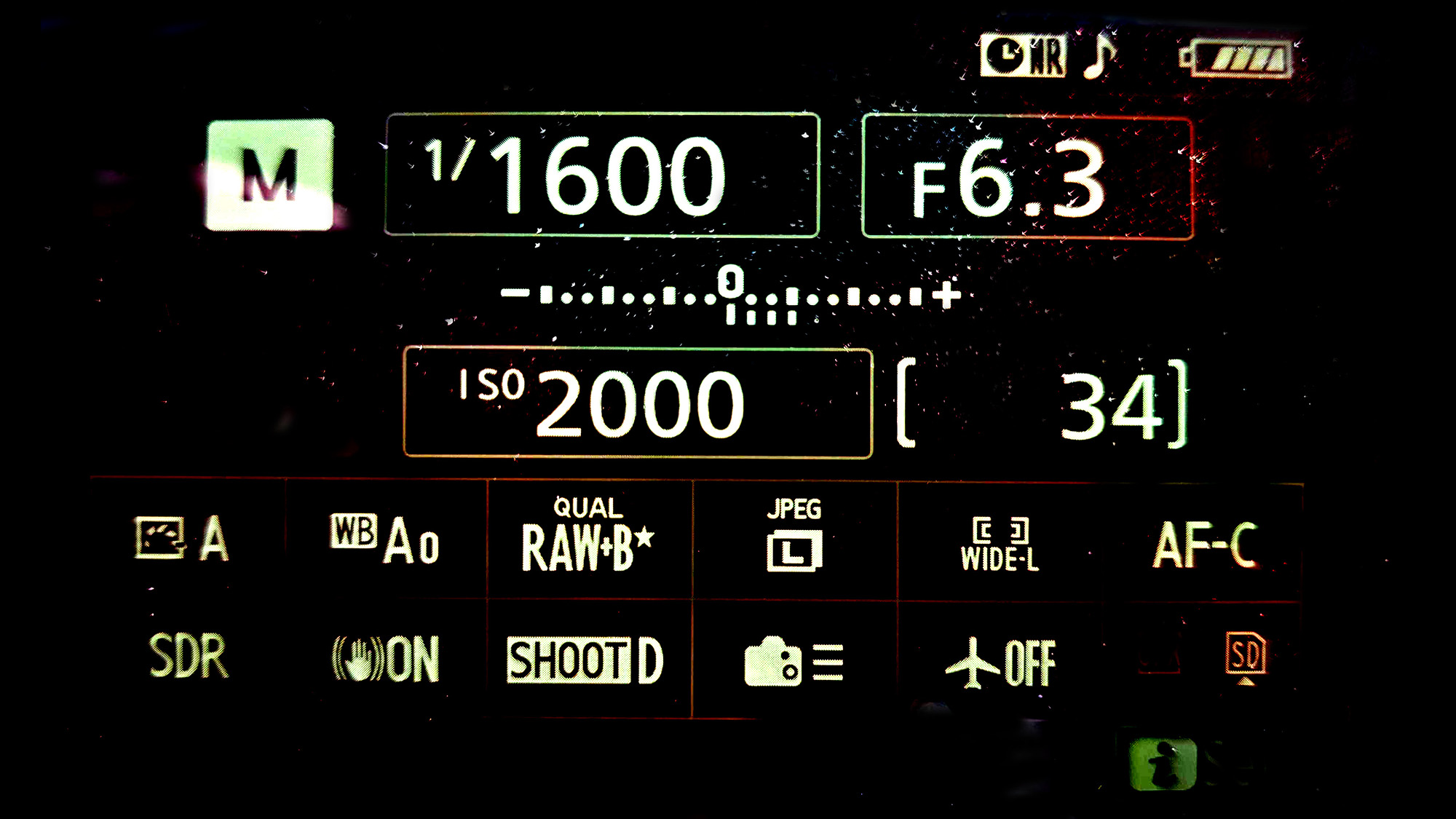
Addressing the erratic movement of fast-moving subjects like seals often necessitates locking in a specific manual configuration, such as an aperture of f/6.3 paired with a shutter speed of 1/1600 of a second, combined with Auto ISO. This approach manages the inherent trade-off between digital noise and the rapid shutter speeds required to freeze action. While a wider aperture on a faster lens permits more light to enter the sensor, stopping down to f/6.3 provides greater depth of field, ensuring that an entire subject—such as the face and body of a nearby gorilla—remains sharply in focus.
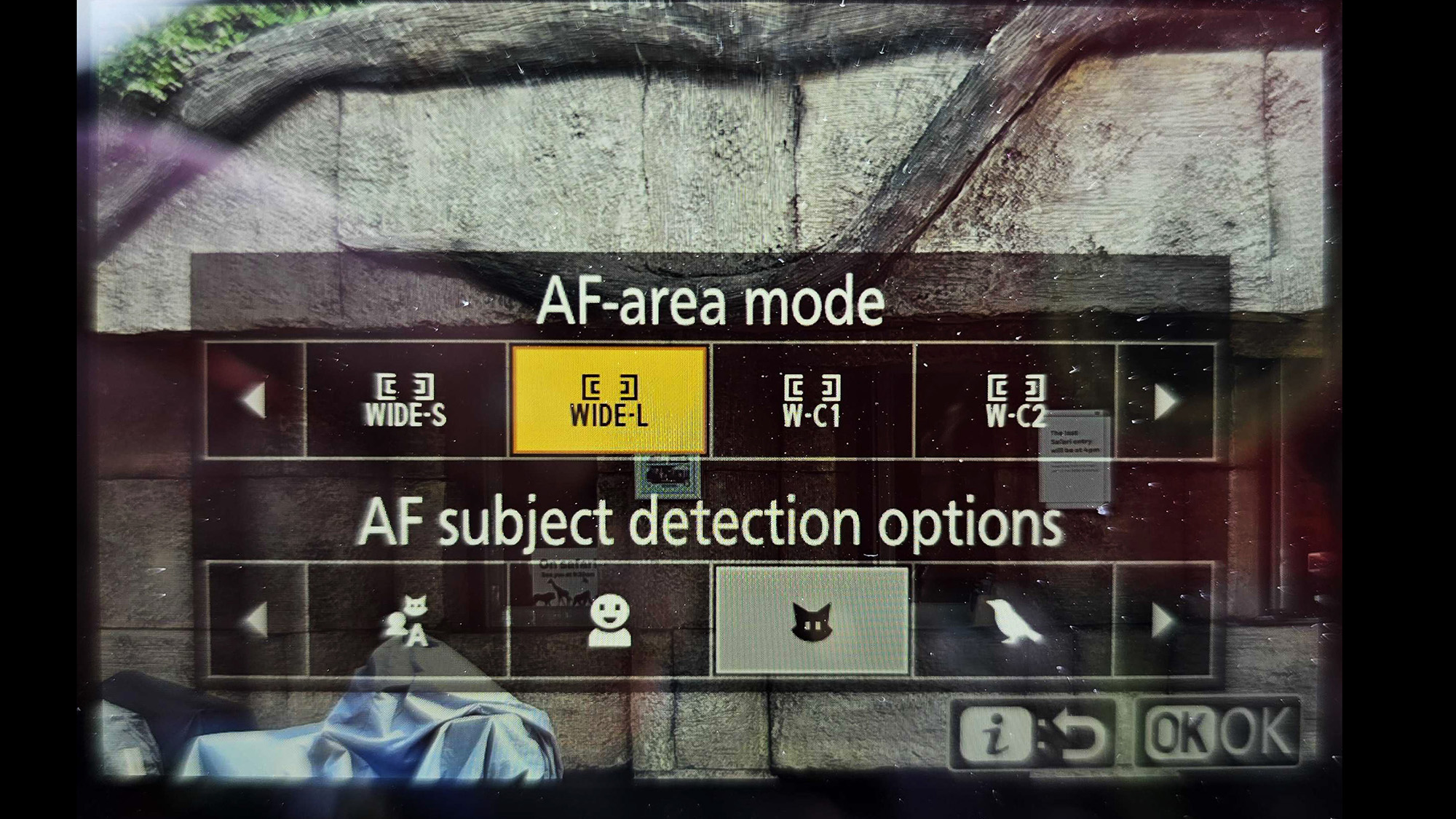
Autofocus performance also requires careful calibration when shooting from a vessel. Utilizing a wide-area focus detection box combined with dedicated animal subject detection modes yields the most reliable results. While stationary or slow-moving animals like gorillas, hippos, and monkeys present little difficulty for modern tracking systems despite the rocking motion of the boat, highly active marine mammals demand continuous autofocus settings to maintain lock on erratic movements.
Managing Changing Exposure and Composition
As daylight fluctuates and sunlight reflects off choppy water surfaces, metering can shift dramatically between consecutive frames. Relying on Auto ISO paired with fixed shutter and aperture settings helps stabilize exposure inconsistencies. Furthermore, maintaining a slightly wider composition rather than pushing for an excessively tight crop prevents fast-moving subjects from darting out of the frame entirely.
Different species encountered along the shoreline present varying photographic opportunities. Giant hippopotamuses observed out of the water are considerably easier to capture sharply, as their typical movement consists of slow ambulation rather than sudden sprints, allowing photographers full control over framing and composition.
Selecting the Right Reach
The appropriate focal length for water-based wildlife photography depends heavily on the proximity of the boat to the shoreline and the size of the animals. Telephoto zoom lenses covering ranges such as 180-600mm offer significant versatility. For larger land animals like gorillas viewed from a distance, a 600mm reach proves sufficient to fill the frame effectively.
Conversely, when hippos submerge so that only their eyes and ears remain visible above the surface, an even greater focal reach is advantageous. Smaller subjects, such as monkeys gathered in colonies, frequently require substantial cropping unless paired with extreme telephoto lenses reaching 800mm. For animals that approach the vessel closely, such as seals, moderate telephoto ranges between 150mm and 300mm provide ample magnification for detailed close-up portraits.
Achieving success in this specialized branch of photography ultimately relies on preparation, robust equipment capable of handling long ranges and fast action, and careful attention to safety while afloat.